Unidentified individuals in Raqqa are abducting Kurds and demanding money from their families. These individuals take those they abduct to unknown locations and subject them to severe torture. As a result, tens of thousands of Kurdish families have been forced to flee Raqqa.
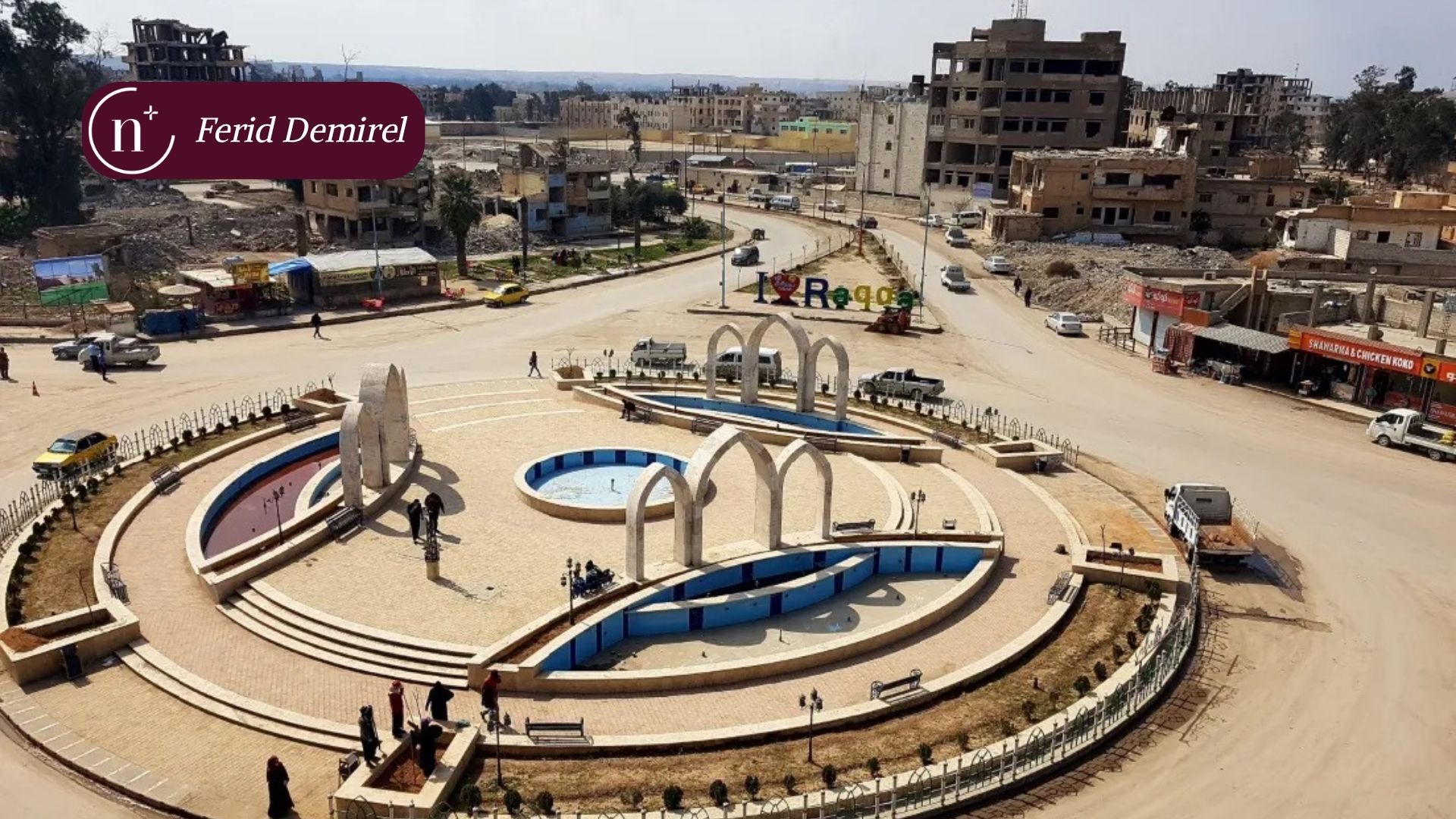
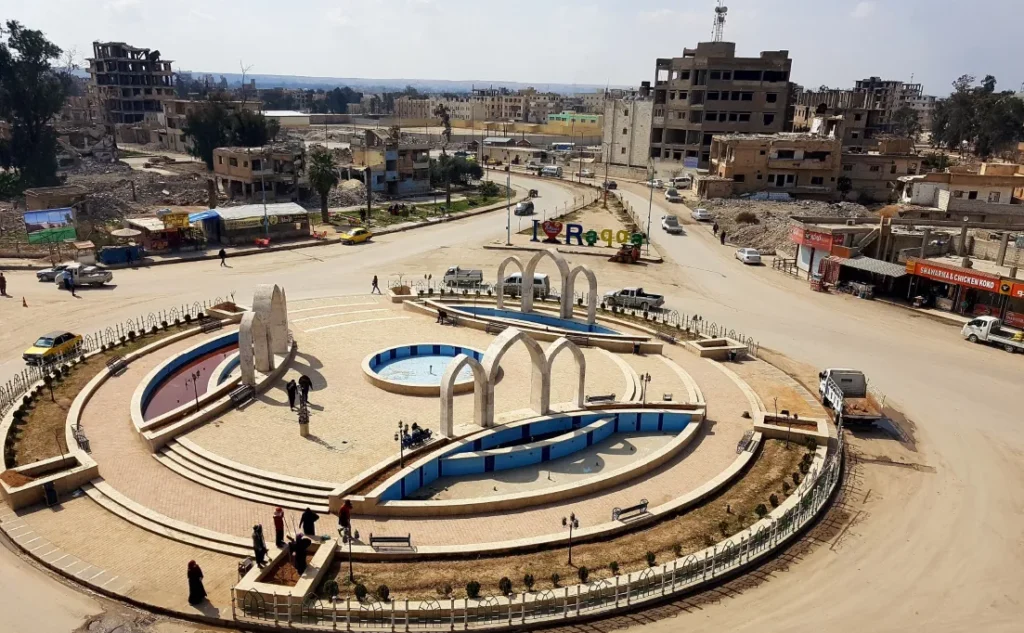
A view from Raqqa during the period it was under SDF control, Photo: Hawarnews
Some time ago, at around 11:00 a.m., Elî Mihemed was abducted in front of his home in Raqqa. When Mihemed stepped outside, he saw several people waiting for him in a black car with no license plate. These men were armed and resembled those who have recently been abducting Kurds in Raqqa. They ordered Mihemed to come with them. Making him leave behind his belongings and his phone, they put him in the car and took him away.
Mihemed is just one of nearly 10 people abducted in Raqqa over the past month and a half.
According to eyewitnesses and sources in Raqqa familiar with the matter, the group in question has for some time been operating at around 11:00 a.m., using the same method by which they abducted Mihemed. They subject those they abduct to severe torture, photograph them, send the photos to their families, and demand money from them.
According to the information available, all of those abducted are Kurds.
According to information given to Niha+ by two witnesses to the events in Raqqa, many Kurdish families have left the city since the abductions began. According to the sources, they allege that the aim of this is to cleanse Raqqa of Kurds.
Citing security concerns, these sources did not want their names disclosed. For the same reason, we have also changed the names of those who were abducted.
70 percent of the Kurdish neighborhood has fled
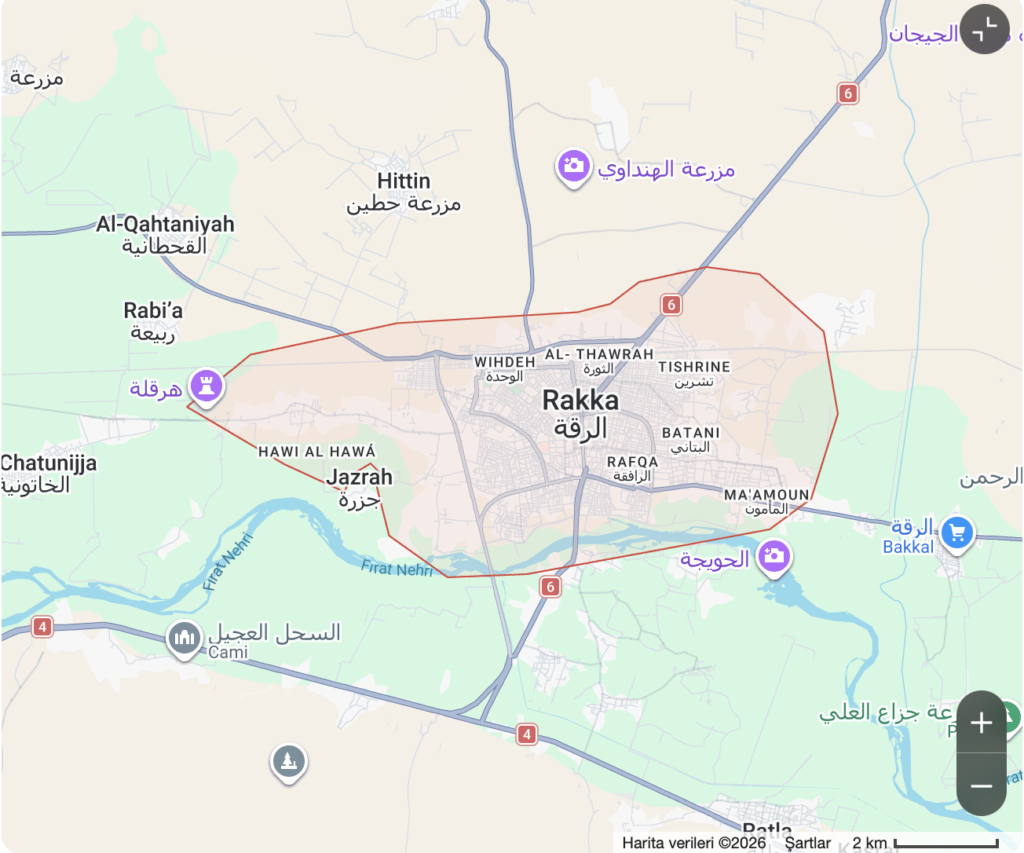
Raqqa lies in northern Syria on the banks of the Euphrates River. A strategic city, Raqqa is located 160 km east of Aleppo. It has been home to many civilizations.
Between 2014 and 2017 the city was under the control of ISIS, which described it as its “capital.” In 2017 the Syrian Democratic Forces (SDF), with the support of U.S. forces, liberated it from ISIS. Thousands of ISIS members surrendered. Those who surrendered were placed in camps.
Raqqa city map
Raqqa remained under SDF control until January 2026, but at the end of 2025 and the beginning of 2026, following attacks on the Kurdish neighborhoods of Aleppo and on Rojava, it was handed over to the interim Damascus administration.
According to the census conducted between 2011 and 2021, close to 60,000 Kurds lived in Raqqa. However, in the process that began after the Syrian war, many Kurds were forced to migrate from there. When the SDF took control of Raqqa, some of them returned. With the clashes at the start of 2026, it is reported that all the residents of the city’s Kurdish neighborhood fled. Afterward, some returned to the homes they had abandoned.
With the recent abductions, 70 percent of the Kurds in that same neighborhood have been forced to flee. In the past, Raqqa as a whole was estimated to have a Kurdish population of 40 percent and an Arab population of 60 percent. At present, however, the proportion of Kurds remaining in the city is reported to be between 5 and 10 percent.
“They say the Kurds are guests here”
After being abducted, Mahmûd Derwîş was released once he paid the money demanded of him. He, too, left Raqqa after his release, like the others. His abductors had threatened him, saying either you leave the city, or we kill you.
Some of those abducted are threatened with the abduction of their family members.
A significant portion of those who flee are forced to sell their goods and property at far below their value. Derwîş, too, had to sell his house, worth 60,000 dollars, for 40,000 dollars.
One of the sources who did not want to be named said that people are selling their shops, their harvests, and their cars and leaving Raqqa: “People think, ‘Let me lose my property rather than my life.’”
According to another source, the thinking of those carrying this out is that “the Kurds are guests here” and that they should therefore migrate away.
Recalling the “Arab Belt” project of the Baath regime era, under which Arabs were settled in Kurdish areas, the same source noted that what is being done now is similar to it. He said the aim behind it is to bring about a demographic change in the areas where Kurds live.
According to information provided by this source, in the past week to ten days three more people in Raqqa have been contacted and asked to leave the city.
What is the interim government doing?
One source says that only a single group is carrying this out, while another says there are two or three separate groups.
According to the allegations, these individuals identify themselves as members of the security forces (asayish), and for this reason they claim that no one can interfere with them.
These individuals call people from hidden numbers or from foreign country numbers.
When they abduct someone, they demand close to 250,000 dollars. However, some are only able to escape their hands for 20,000 or 30,000 dollars.
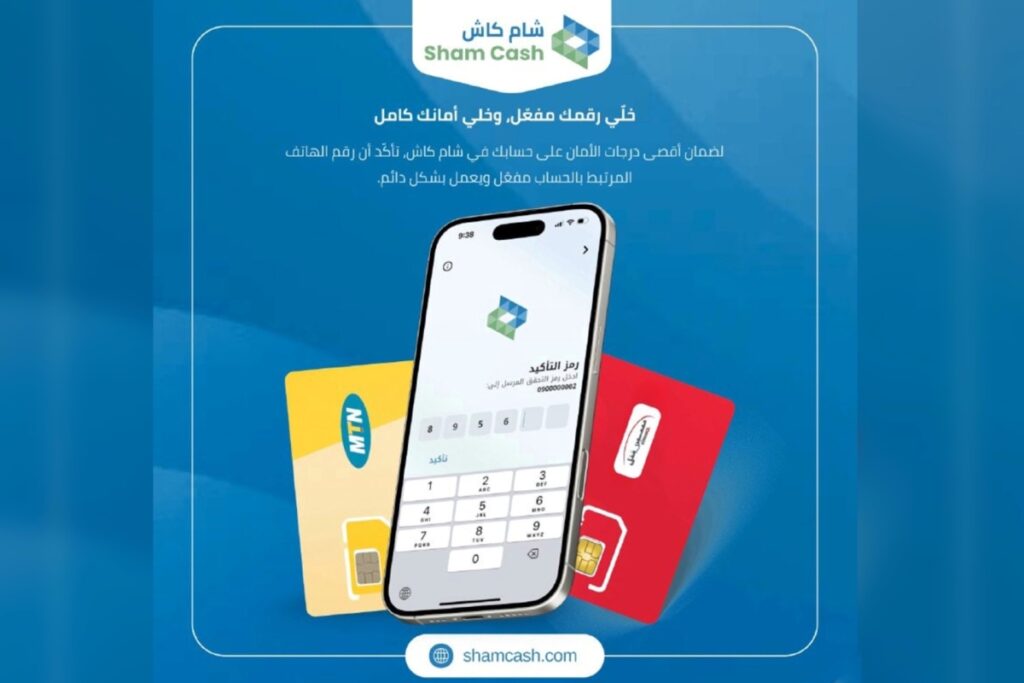
The money in question is sent through a digital currency system called Sham Cash. This is a system that the interim Damascus administration has accepted for paying the salaries of its civil servants.
As thousands of public-sector workers in Syria tried to collect their salaries this April, ahead of the Eid al-Fitr holiday, many found that they could not access a faulty application they had been asked to download a few months earlier.
The application, called Sham Cash, has become the Syrian government’s preferred method for distributing salaries, paying bills, and transferring money. But users say the app does not work, and experts say it is far from secure.
Made mandatory for public-sector workers, the Sham Cash app raises urgent concerns about digital security.
In January, Syrian public-sector workers were quietly instructed to download an app called “Sham Cash” in order to receive their salaries.
The Sham Cash app can only be downloaded from its own website and is not available in the iOS store (App Store). This means the app is not secure, because it has not passed the strict security-verification tests that apps listed in official stores must undergo.
Reports that appeared in the press in January also indicate that the app is linked to transfers coming from the “Cham Bank” in Idlib — an internationally unrecognized currency exchange registered in Turkey. Funds transferred through Sham Cash do not pass through the Central Bank of Syria or the global banking system.
By April, the app had been made entirely mandatory. But it is overshadowed by technical failures, questionable financial links, and an alarming lack of transparency. As frustration grew among users, SMEX’s Digital Forensics Unit investigated what was actually happening behind the scenes.
The unknown developer behind Sham Cash
The absence of any publicly available information about the company behind Sham Cash raises serious concerns about transparency and accountability. Because there is no known or officially registered developer, there is no party to be held responsible in cases of data breaches, fraud, or financial loss.
The app also contains no clearly stated Terms of Use, Privacy Policy, or any indication of legal jurisdiction, which makes seeking legal recourse nearly impossible.
Because Sham Cash has no connection to any legal or verifiable company, its security protocols cannot be assessed. This significantly increases the risk that malware or spyware could compromise users’ devices.
Since it has no officially registered owner, the misuse or sale of sensitive user data, including personal information, financial details, and transaction histories, cannot be tracked or audited.
A source who provided information to Niha+ noted that this app is one accepted by the interim Damascus administration, so when money is sent through it, the government ought to be able to trace it.
A committee has been formed
According to the information available, a three-member committee has been formed to deal with the matter and find solutions to the problems facing Kurds in Raqqa. According to information provided by this committee, 4,000 families have so far fled Raqqa. Some of them went to Kobanê, and others to Hasakah.
One source claims that the number of those abducted and threatened is far higher. According to this source, some do not share their cases publicly because they do not want their names made known.
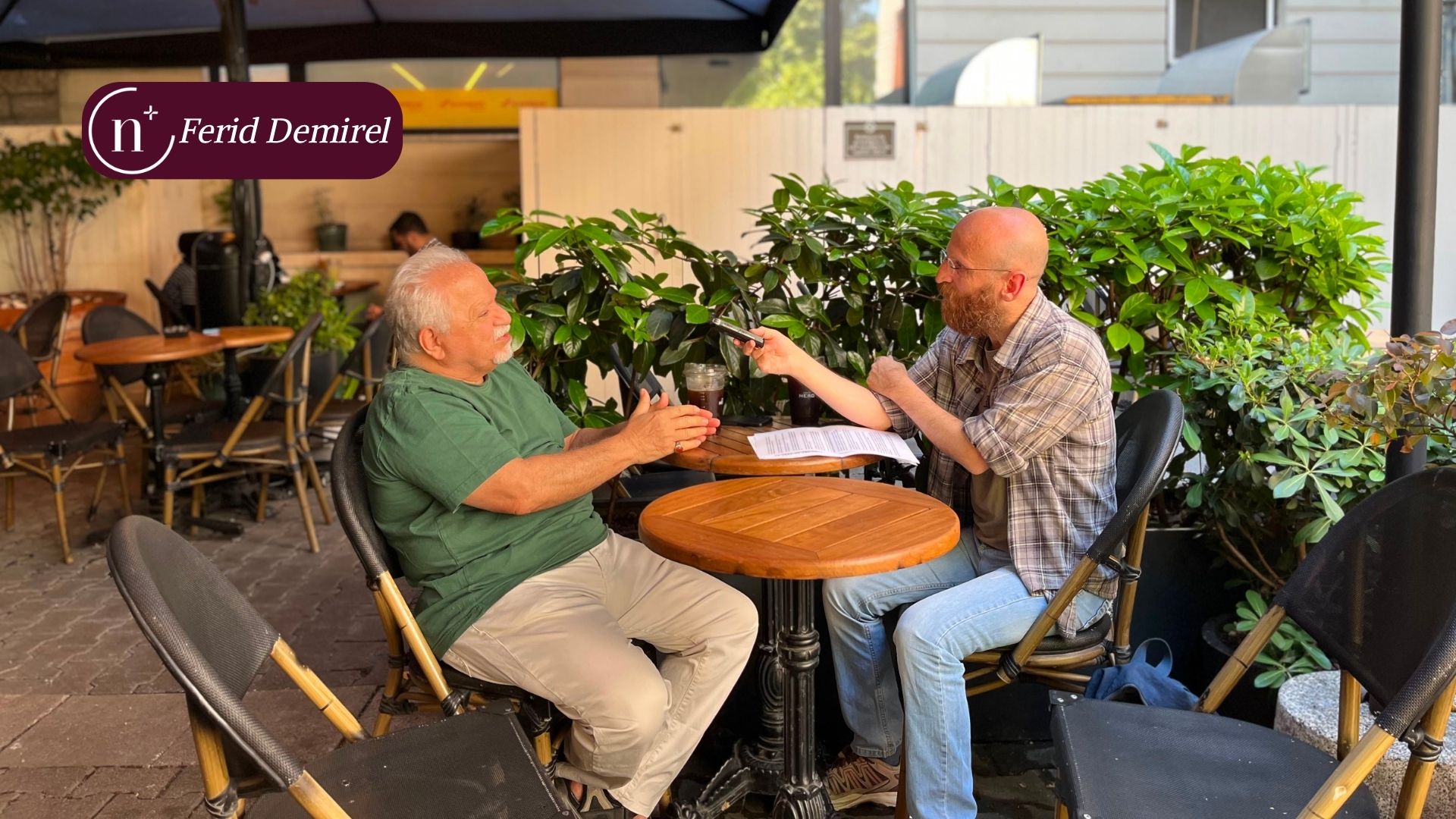
As the dust settles from the February 2026 conflict between the US, Israel, and Iran, the regional power balance has been fundamentally reshaped. Political theorist Professor Abbas Vali argues that while the US and Israel achieved military dominance, Iran emerged with a significant strategic victory. In this deep-dive interview, Vali addresses the “strategic homelessness” of Kurdish politics, the failure of traditional armed struggle in Rojhilat, and why the path to influence in the new Middle East lies in civil society rather than the mountains.
Photo: Niha+
Although the US and Iran reached a memorandum of understanding to reconcile on June 17, 2026, the attacks and problems caused by the war continue. Especially due to the situation in the Strait of Hormuz, conflicts occur frequently, and following this, US President Donald Trump threatens to eliminate Iran.
This situation, which began with the attack of Israel and the US against Iran on February 28, 2026, changed the balance not only in Iran but also in the Middle East and the Gulf countries.
During the war, Israel and the US were attacking Iran, and in response, Iran was attacking Qatar, Kuwait, Saudi Arabia, US bases in Iraq, and several other countries.
Furthermore, Kurdish forces based in the Kurdistan Region were also exposed to Iranian bombardment.
The agreement between Iran and the US draws the most attention to the Strait of Hormuz. According to interpretations, the US was forced to compromise due to this situation in Hormuz. Professor Abbas Vali also draws attention to this situation. According to Vali, as a result of the war, the US and Israel won in the military field, but Iran won in the strategic and political field.
Abbas Vali also evaluated the situation of the Kurds in Iran and stated, “Within the Iranian opposition, the only force that is armed and capable of using weapons is the Kurdish opposition.”
About Abbas Vali
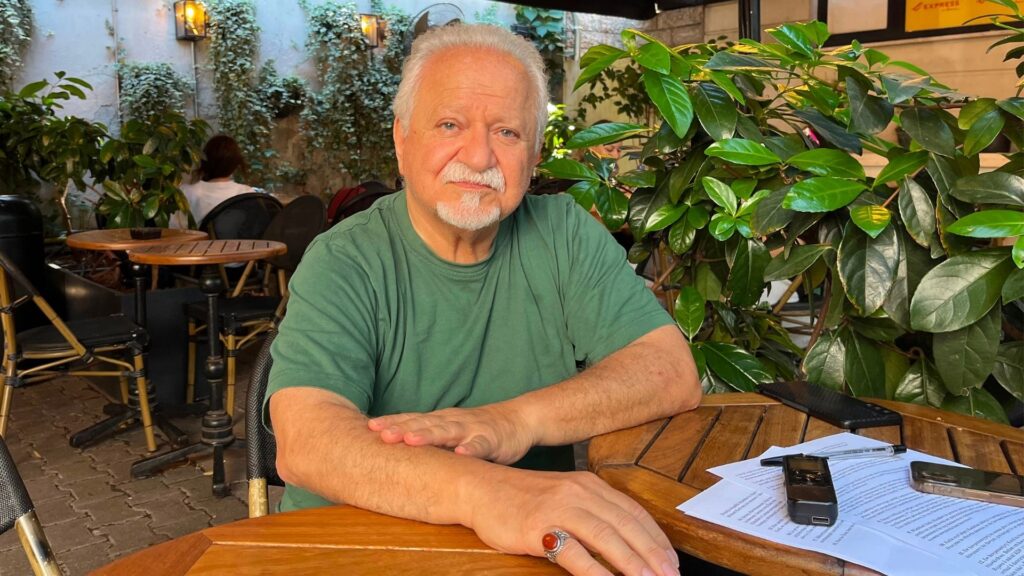
Professor Abbas Vali is a Kurdish political theorist from Mahabad, Iran, and one of the foremost scholars on Kurdish identity and nationalism. He studied in Tehran and London, earning his PhD in Historical Sociology from the University of London, and later taught at Swansea University and Boğaziçi University in Istanbul. He was also the founding president of the University of Kurdistan in Hewlêr. His works include Essays on the Origins of Kurdish Nationalism and Kurds and the State in Iran: The Making of Kurdish Identity.
Following the attacks by Israel and the US on Iran that began on February 28, the situation moved to a new phase with an agreement on May 17, following several meetings. When we look at the content and timing of the agreement, were the parties to the war forced to reconcile?
It is not a treaty. In English, they call it a Memorandum of Understanding, meaning mutual understanding and reconciliation. Apart from that, it is not an official treaty or agreement. It is an exchange of letters. They write a letter and sign it, the other side signs it and sends it back; that is what we read. There was a mutual understanding here. I must say here that both sides, America and Iran, although there was less pressure on them in terms of foreign policy, were under great pressure in domestic policy.
If we talk about Iran, there is a systemic crisis in Iran. Economic, social, cultural, and financial. But the fundamental problem and main crisis is the economic and financial crisis. It has no money; the government has almost gone bankrupt and collapsed. Therefore, they needed this. Because of this economic and financial crisis, Iran could not manage what they call Biopolitics, that is, the politics of people’s lives. Because it had no money or economic resources. This was also a fundamental issue because it feared that if it could not manage this in the long run, there was a high probability of another uprising inside. Because the January uprising was very big. This is one thing.
It is clear that Iran had been exposed to a war; it had entered that war, but a large part of Iran’s military, security, and economic programs had failed and collapsed. It could not continue in this way. However, the situation when Iran entered the war and the time the war stopped were very different from each other. When Iran entered the war, conditions were different; now they are different. There were two reasons for this. First, Iran was able to resist. It showed great resistance and defense. Of course, it also suffered great damage. Many places were devastated, its bridges were destroyed, factories and workshops were destroyed, but it continued its resistance.
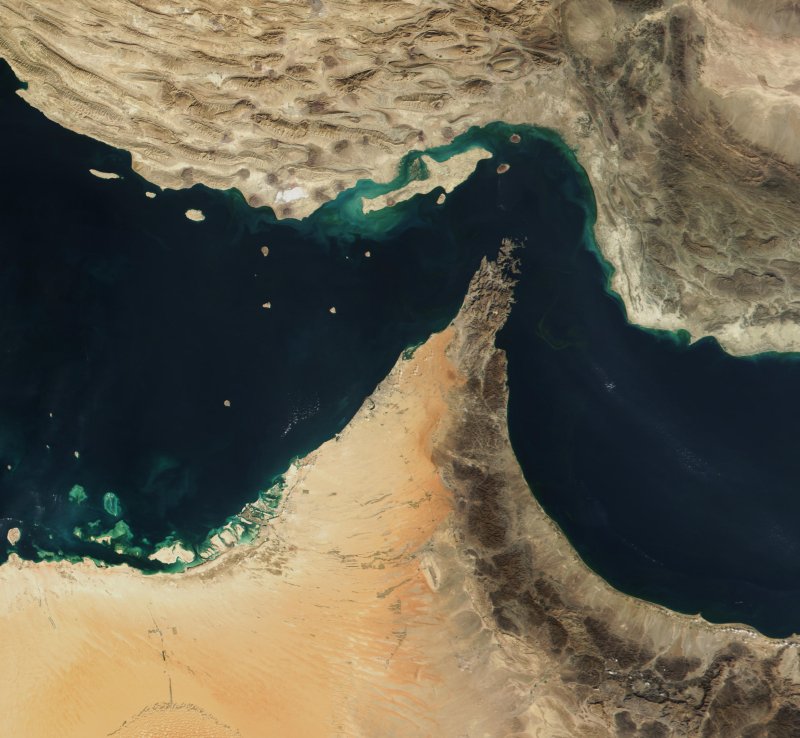
The second reason was that Iran was able to hold the Strait of Hormuz in this war. With this move, it changed the calculations of the war. That is, the current mutual understanding is based on the fundamental issue of opening the Strait of Hormuz. This issue did not exist before the war. It emerged during the war. Another point is that America wants Iran to accept and promise not to build nuclear weapons. Iran has already said this from the beginning. It said we will not do it. Even during the Obama’s terms, when they had an agreement, Iran had accepted that uranium enrichment would be around 3.5%, that is, less than 4%. However, when Trump came in 2018, he changed this situation, broke the agreement, and destroyed the Obama administration’s agreement. At that time, Iran began to enrich uranium. Until it reached 60-65%. This is very close to making an atomic bomb.
Now America wants that enriched uranium, which is about 400-450 kilos, to be either destroyed or reduced in density, i.e., concentration. Or for it to be given to Russia or a country like France so that they can do this work. Iran says, “This is not in my hands right now. They are under the bombed places, and even if they are removed, we will not allow them to be taken out of Iran; we will handle it ourselves here.” That is what Iran says.
Prof. Abbas Vali, Photo: Niha+
What is the US saying?
America primarily wants the Strait of Hormuz to be opened. Because there is great pressure on America. Oil prices have risen, food prices have risen. Not only in America, but everywhere in Europe, and even in Turkey, gasoline prices and airline tickets have become more expensive. All of these have become more expensive.
They want this place to be opened. Secondly, they want Iran to accept stopping uranium enrichment, that is the issue. However, there is also great pressure on America itself. If you remember, when Trump came to power, he said, “I will be a president who does not go to war.” But he started a war that is still continuing in some way even now. On the other hand, the war Trump waged was not necessary in terms of the requirements of American politics. But a large part of this war was at the instigation of Israel; Israel forced him.
“Israel wanted the war to expand”
What did Israel want?
When that war started, the goals of America and Israel were different. America wanted to strike a blow at Iran, weaken it militarily, and force it to accept America’s terms. America did not want the Iranian regime to be changed. America did not want to wage a long-term war with Iran, nor did it want Iran to be devastated and disappear. Because America’s strategic interests were very different from Israel’s. America is a major regional power in the Middle East. The issue there is not just Iran; at the same time, it must take into account the interests of Arab countries.
The interests of Arab countries like Egypt, Saudi Arabia, Qatar, and others… Iran knew this too, so Iran’s policy was basically to know that America wanted a limited war, but it also wanted to expand the war.
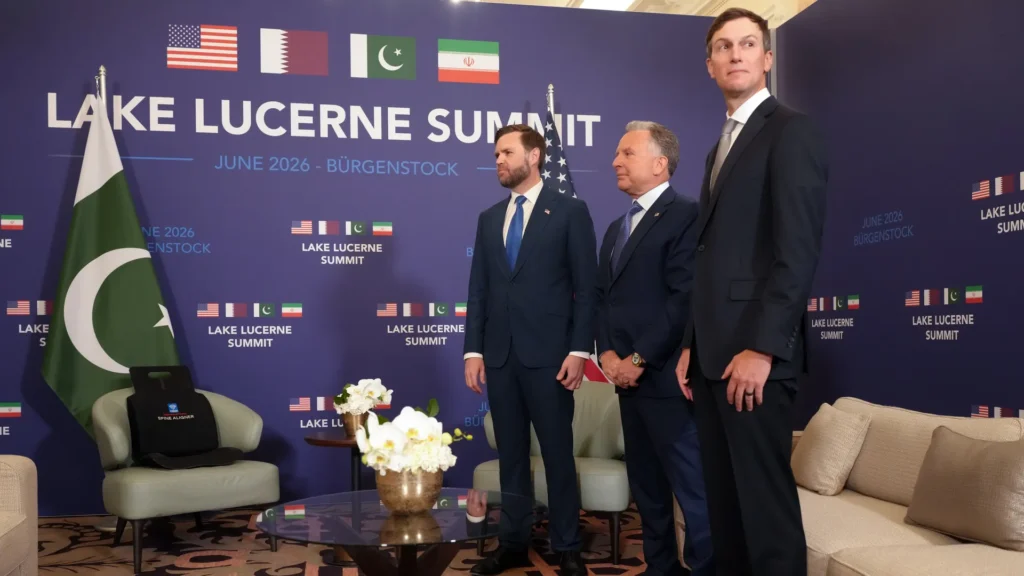
J. D. Vance, Photo: Nathan Howard-Pool/Getty Images
What was the result of this great war?
Iran could not defeat America militarily, but it could attack the countries where American military bases are located. For example, in Bahrain, Jordan, Saudi Arabia, and even in Muscat and Oman. Therefore, America was very sensitive and vulnerable in this regard. Trump could not tolerate this. Because there was something else. Arab countries had always accepted America’s dominance. They had given money to America, invested there, and at the same time left their defense in America’s hands. But when Iran attacked them, America could not protect them, and they suffered great damage.
Strait of Hormuz, Photo: Wikipedia
“Iran is now much stronger”
Did the existing balance in the Gulf and the Middle East change after the Iran war?
Yes, that balance has now changed in this direction: Iran is now much stronger in the region. Because it showed that it is the only country that can stand against America, Israel and wage war. Also, a strategic region like Hormuz is under its control. But if you pay attention, Israel’s strategic interests were different. Israel wanted to change the Iranian regime as much as it could. If this did not happen, it wanted to completely devastate Iran and make it like Syria. After that, it aimed to destroy Iran’s missile project, ballistic and cruise missiles. Israel’s fourth condition was to destroy Proxy powers such as Hashd al-Shaabi, Hezbollah, and Hamas.
Did those forces disappear?
No. Iran’s current power is that it is negotiating with America. And it has enough power to put Lebanon on the political agenda of the negotiations. Lebanon is not a part of Iran, but because Iran has this power, it can put Lebanon on the negotiation agenda. This is something that is extremely contrary to Israel’s interests. If you pay attention, Israel’s strategic interests and America’s interests had not aligned from the beginning. When the war started, it is true that America and Israel were together militarily, but their political and strategic goals were different.
Did this difference disappear as a result of the war, or did the gap between the goals of the two states increase?
The situation has now reached a point where J.D. Vance is threatening Israel. On the Iranian side, they no longer allow anyone to say “Death to America.” This shows that they have reached an agreement. That is, a soft coup took place within Iran’s power structure. That soft coup caused the power centers within the Revolutionary Guards and a part of the administration to reach an agreement with America. If you pay attention, they are now agreeing with America. For example, Qalibaf goes to Beijing to say to them, “We have agreed with America, but this is not against your interests.” Therefore, if we look at the stance of Iran and America, we will see a paradox: America and Israel won in the military field, but Iran won in the strategic and political field.
“Shah’s son had no power”
Following the start of the war by America and Israel against Iran, demonstrations and an uprising were expected in Iran to overthrow the regime, but this did not happen. Why didn’t it happen? What was the obstacle that prevented this from happening?
Yes, that uprising was a real and true uprising, but it had no leadership. Because that uprising fell under the influence of right-wing forces, especially monarchists and those who wanted the Shah back. The Shah’s son came out and said, “Go to the squares, I will support you.” Trump came out and said, “Go to the streets, fight the regime’s forces, I will overthrow the regime.” The people went down, but no help came.
Did the Shah’s son have the power to engage in such an undertaking?
The Shah’s son also had no power. Here, the regime knew that this uprising was very important. On the other hand, unlike the “Jin, Jiyan, Azadî” uprising, this uprising did not have a democratic identity. More than anything, their goal was to overthrow the regime, and they were not talking about democracy or things like that. When the Iranian regime understood that the US, Israel, and the Shah’s son had a hand in this, it attacked with all its might. In 48 hours, they killed nearly 50 thousand people in Iran. Even the Iranian Medical Association says that more than 65 thousand people have been killed.
There is something here: Trump said “You go, I will help you,” but after the war started, to protect himself, he came out and told another lie, saying “We gave weapons to the Kurds but the Kurds did not come.” This is a lie. First of all, no weapons were given to the Kurds. Secondly, the opposition that existed in Iran at that time was not organized, and it had no organization. To whom will you give the weapon? A weapon is not something you go and distribute on the streets. You must give it to an organization. There was no organization. Right-wingers had no organization. Maybe the democracy advocates had a small organization, but they were not in the conditions to go out and become armed and fight the regime. The reason Trump said this is: Within the Iranian opposition, the only force that is armed and capable of using weapons is the Kurdish opposition.
So what did the Kurds do at that time?
They had already not been given weapons. Even the general of that time made a statement against Trump and said, “No weapons were given to the Kurds; the weapons went to Başûr (Irak Kurdistan Region) and are in American bases.” Two weeks ago, their representative Tom Barrack also said, “We did not give weapons to the Kurds.” This was a big lie Trump told to defend himself.
What did the Kurdish forces in Iran want during this war?
Their stance was: Of course, they were pleased that the regime would be overthrown, but they said, “This is not our war, we do not want to participate in this war.” Because they had no faith in the goals of America and Israel. What they said turned out to be true. Look, now Iran and America have agreed, and Israel has become almost marginalized. True, Israel will return to its place, but it takes time. In this regard, the Kurds said we do not support the bombing of Iran, and it was a good thing that they did not support it.
“It cannot be done with just air strikes”
What would have happened if they had supported it?
It would not have happened. Because the Iranian people had no air defense power, the people were under bombardment. Not only in Kurdistan, but the people in all of Iran were disturbed by that bombardment. Everyone, even all strategists, know that the Iranian regime will not be overthrown by bombardment. There is no example in history where a regime was overthrown only by bombardment. If America and Israel really wanted to overthrow the regime, they would have had to send an army to Iran. All strategists were saying that sending an army to Iran is like suicide. Iran’s surface area is 1 million 648 thousand square kilometers, that is, almost as large as the whole of Western Europe, and it has a population of 95 million. If you take an army to that region, it will be a hundred times worse than Iraq, and the war will spiral out of control. Its geography is very difficult. When a country is attacked, the nationalist feelings of the people rise. For example, in the Iran-Iraq war. Iran fought for 8 years. One and a half million people were killed, a large part of Khuzestan and Lorestan was devastated. But the regime did not fall and it won. America and the Soviet Union at that time were saying, “Help the Saddam regime so that it stays on its feet.” American strategists knew that Israel could only conduct an air strike in the long term, but it could not wage a ground war. Because Israel has a small army and is a very small country. It is 71-72 times smaller than Iran.
“Kurdish reconciliation is good but not enough”
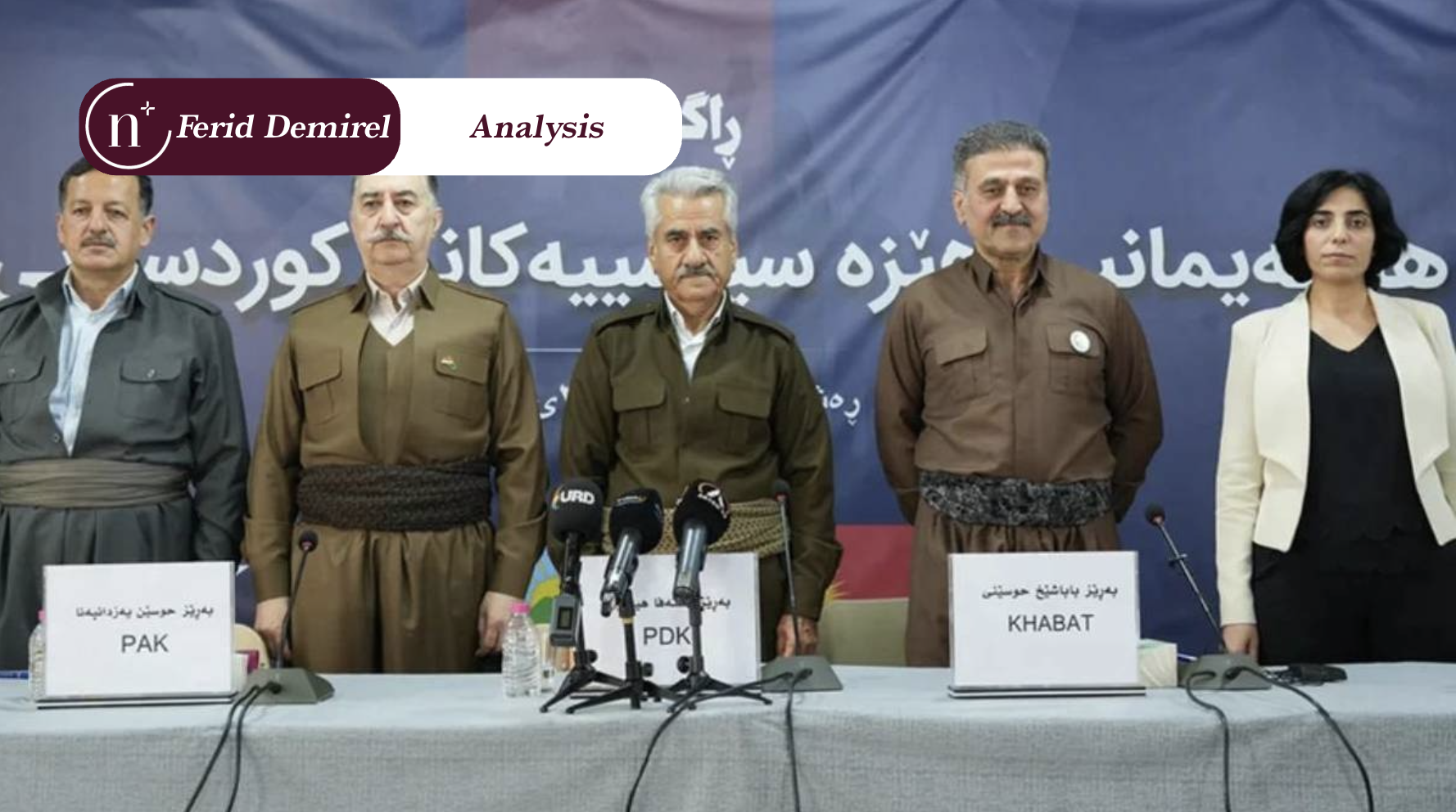
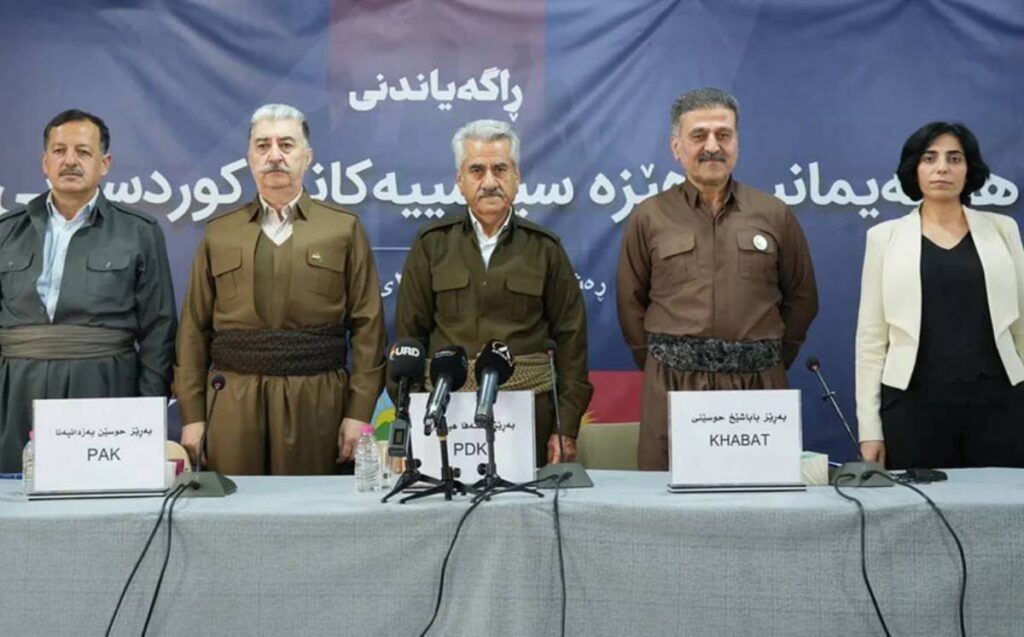
An agreement was made between the Kurdish forces in Rojhilat. Several Kurdish parties and forces gathered and signed this agreement. What was the impact of this agreement of Kurdish forces during the war, and how will it be after the war?
This agreement is good, it is blessed. It is an example of what they call “necessary but not enough.” Because this agreement has no infrastructure, no operational and practical mechanism. I have said many times that their agreement must have an operational infrastructure and mechanism. There should be a kind of unified military-political operational phase. This does not exist. Even something else does not exist either, and that is a unity of discourse. That is why their current agreement is very, very weak as an organization. It must have a military-political infrastructure; above all, there must be a unified Peshmerga force. It must be unified in terms of ideology and strategy. The declarations they issue, that is, their words, must also be unified. And more importantly than all of them, a unified political and strategic program must be established for which political forces will act in accordance. But they don’t do this job.
Did the war that took place in Rojava at the beginning of 2026 and the results that emerged in Rojava affect the Kurdish forces in Rojhilat?
What happened to the Kurds in Rojava was very important, especially for the Kurds of Rojhilat. One; If you work with America, if you work with America like the Rojava forces, you must be a partner of America, not under America’s command. Furthermore, in the relationship with America in Rojava, while working with America, there was no kind of political autonomy.
It was not in the military either. Because there too, when they gave them weapons, those weapons were under America’s control. The day America said “no” to them, they also stopped their weapons.
You mentioned this before. The issue of weapons also came up for the Kurds during the Iran war process.
In American history, it is known that America has worked with opposition forces many times in the world. However, in a secret way. This was under the control of the CIA, under the control of secret military agencies. For the first time, it worked openly in Rojava. But Rojava could not benefit from this. That is, it conducted that ISIS war, twelve thousand Kurds, guerrillas, were killed in that war. But it could not obtain its political subjectivity. This is a very important point. In Rojhilat too, Trump was probably wanting exactly this. He wanted to use the Kurds as a special force.
Does America not have a political map for the Kurds?
No. It had no political map. When it came, that was the time, America was working with the Kurds and was also working with “Hayat Tahrir al-Sham.” And it was not telling the Kurds this. If the Kurds had known this then, they would have had to clarify their stance. It was clear that America and especially Britain, because this is a British project, did that work with Turkey. In the end, they said, “Here, this is our project.” America and Britain created the project. This was not Turkey’s work. They only used Turkey. That is, the project, the idea, the strategic idea was America’s and Britain’s.
“The design of the Middle East changed after the war”
There is a widespread discourse, it is said that there is a new design in the Middle East. According to your view, is there a new design in the Middle East?
That design existed, but this Iran war destroyed that design. Now, whatever design they set up, whatever military and political balance they set up, they must account for Iran. That was how it was; the goal then was to strengthen the hegemony of America, including Israel, that military hegemony. Now that calculation is gone. That is, this war destroyed it. One thing that is very important is that the war that was conducted showed the strategic limits of America’s hegemony in the Middle East. This is the biggest lesson that countries, especially Kurds, must learn. If the Kurds in Rojava had made an agreement with the Druze and Alawites in their time, if they had fought with them, that front would not have broken. They did not do that work. Because when there is defense, when there is resistance, you can change the calculations. In Rojava, they had military power. They had guerrillas, male guerrillas, female guerrillas, they had everything. At that time, the Ahmad al-Sharaa government had not held itself. But they did not make a sound. They sat down and accepted everything America said. Everything Tom Barrack said “do this” to them, they did. I believe that the Kurds in Rojava made a great strategic mistake whose consequences were not only for Rojava, but also had bad consequences for Başûr and Rojhilat.
There are comments saying that the situation of the Kurdistan Region might change after the war in Rojava. What is your opinion on this?
There is such a danger right now. America wants to centralize there too. Centralization means that the regional government must either shrink or lose a large part of its forces. However, the regional government cannot do this either. Because it is not unified. If there had been a unified government in the region, this job could not have been done. The truth is that it is not only America doing this. Turkey is also behind it. In all likelihood, Turkey will really want the conditions to be formed to take the Mosul province and its surroundings under its control. Trump’s America has a very, very weak strategic thinking. For example, the Iranians had sent people to the negotiations whose ideas were very good. But whom had America sent? They sent Jared Kushner with Witkoff, who know nothing about the Middle East. In America, the right wing, which Tom Barrack is also part of, is in power. They have a racist mentality. That racism says that democracy and equality cannot exist for Middle Eastern countries.
They say that authoritarian centralized governments must be established in the center. They want to do this in Syria. They want to do the same work in Lebanon, they want to do the same work in Iraq, and they want to do the same work in Iran, which already has such an authoritarian government. That “New Middle East” project is gone now, they must put forward another project.
What are the Kurds in the Kurdistan Region doing against this situation?
The Kurdish forces in Başûr are not unified. The Kurdish forces in Başûr have no strategic thinking. If they had strategic thinking, the Kurdish forces in Başûr would not have given control of Kirkuk to the Turkmens. They gave control of Kirkuk to the Turkmens, that is, they gave the fate and control of Kirkuk to Turkey.
The relationship between the PUK (YNK) and Turkey was bad.
Now it is good.
Why is it good now?
Because the Patriotic Union (PUK) went closer to Turkey due to the rivalry with the Party (KDP) and Erbil.
However, contrary to the PUK, the relationship between the KDP and Turkey was very good.
It is no longer like before.
What changed?
Because when the situation in Iraq came to the fore, the Party (KDP) weakened. It weakened both in the Baghdad government and in Kurdistan. Now the PUK receives both Iran’s support and Turkey’s support.
You mentioned Turkey’s role in the Kurdistan Region of Iraq. What was Turkey’s stance and position during the Iran war?
There is something that has emerged these days that I think is likely to be true. It is said that Trump said: “If we did not help the Kurds, it was because Erdogan threatened us. If you do that, I will attack Israel.”
With the Iran war, many people are now expressing this loudly. According to those who hold this view, one day Israel and Turkey will fight each other.
That probability existed. To the extent that it would frighten them, he said, “I will not fight with Iran, nor with America, but I will attack Israel.” It means that when they remove Iran from Syria, when they want to remove Iran from Lebanon, when they want to remove Iran from Iraq, all these are in Turkey’s interest. Turkey filled Iran’s place in Syria. It is likely that it will do the same work in Iraq. Because they want to remove Iran from Iraq. But this is a difficult thing, it is very difficult in Iraq. Because the majority of the Iraqi people are Shia and Iran has influence there. They cannot do this job, they can do it with great difficulty. A big war will break out. Then the problem is, this time Barzani could not easily make an alliance with the Shia forces as before, but YNK did. The fundamental problem is here.
Is the situation of the Iranian people better or worse after the war compared to before the war?
It became much worse. This war reduced the political subjectivity of revolutionaries and the people. Before the war, after the Jina Amini Revolution, civil society in Iran had become quite radicalized. But this war reduced that very much. Now the people are busy with the troubles of daily losses. That is, inflation is very high, eating bread, making a living is very difficult. In such a condition and situation, people’s political practice and political subjectivity decrease. This war reduced this.
What are your predictions for the scenarios that will take place in the Middle East in the coming period?
In my opinion, there are two main powers in the Middle East right now: One is Israel, and the other is Iran. With these conditions and circumstances that have been passed through, and with the situation that has arisen, and with the stance shown by Turkey, Egypt, and others, I think the probability of Arab countries turning their faces to Israel and becoming members of the “Abraham Accords” is very low. Very, very low. I think Arab countries will try to pressure America and say, “Make an agreement with Iran,” so that security can be established in the region and also to help a better change take place in Iran. So that Iran can stabilize. If Iran stabilizes and is not threatened, then this region can reach stability.
“Kurds are weaker than ever”
What is the role and position of the Kurds in this scenario? What falls to the Kurds’ share?
In this period, the situation of the Kurds in the Middle East is now weaker and more fragile than ever. We were in a period twenty years ago when it was said that “the twenty-first century will be the century of the Kurds.” However, the twenty-first century did not become the century of the Kurds. It happened like this: The mistakes in Başûr were very big. Başûr could not establish a unified national government. In Başûr, there is a tribal government. America knows, Turkey knows, Iran knows. They know that the enmity between Barzani and Talabani is more than anything else. Başûr could not succeed. Rojava also could not obtain weapons under those conditions and circumstances that emerged. Rojhilat is now in the same situation. Kurds are alone, that is, the Kurds themselves, cannot do such a job. If they are to do it, they must do it together with Iran’s democratic forces. But they are also not ready to accept all the demands of the Kurds. Therefore, Kurds must now truly make a strategic review in their views and strategies.
In my opinion, what has emerged now is that the strategy of armed struggle in Rojhilat has failed. They must choose another way; they must know how to gather themselves, how to establish a unity, and how to lay the foundation of a unity in the civil society of Kurdistan. The truth of it is that if a strategic change is to be made in Eastern Kurdistan (Rojhilat), it must be said that armed struggle has ended. Because armed struggle is a strategy. If its opportunities do not remain, that strategy cannot continue. Those opportunities are no longer left.
There is another thing, military technology has changed now. Now, for example, even in Bakur, the largest part of the PKK forces are underground. That is, the technology of war is like this. Right now, Turkey has I don’t know how many thousand military bases. There are many. All those bases are interconnected. That war is a drone war, an air war; that war is not a Kalashnikov war. But the Kurds’ war is really a Kalashnikov war. That’s why for Rojhilat, this strategy must change; you must know that the weight of this strategy is shifting from the mountains to the cities. That is, it is moving from the mountain to civil society. Therefore, the Kurdish strategy must direct its focus on how it can establish itself in the cities, within civil society. Okay, Kurds say the Iranian government is a despotic government, it kills. All of these are true. But staying in the mountain doesn’t go anywhere, staying in the mountain is not the solution. This is it. When the strategy changes, the center of work and activity also changes.
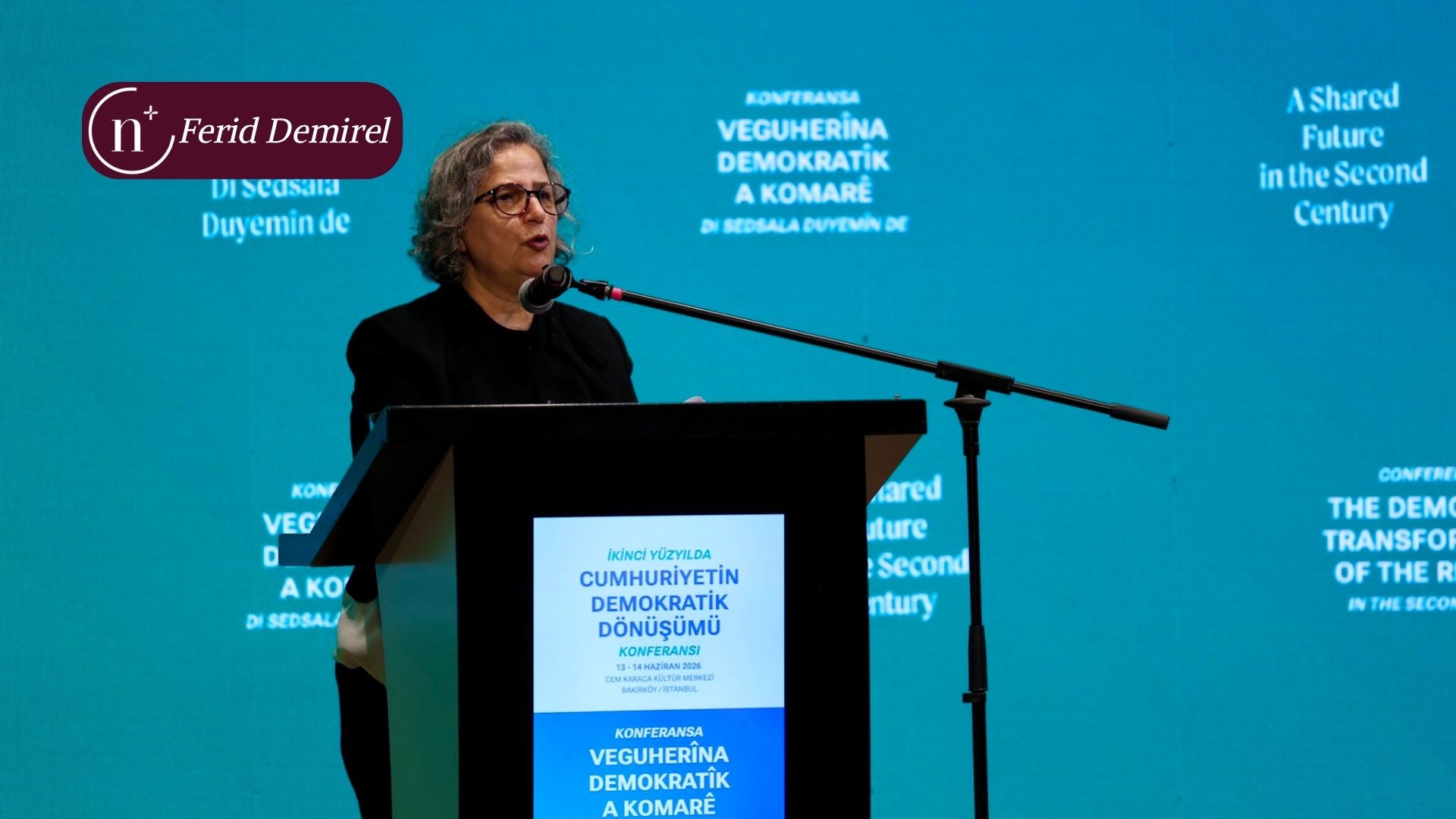
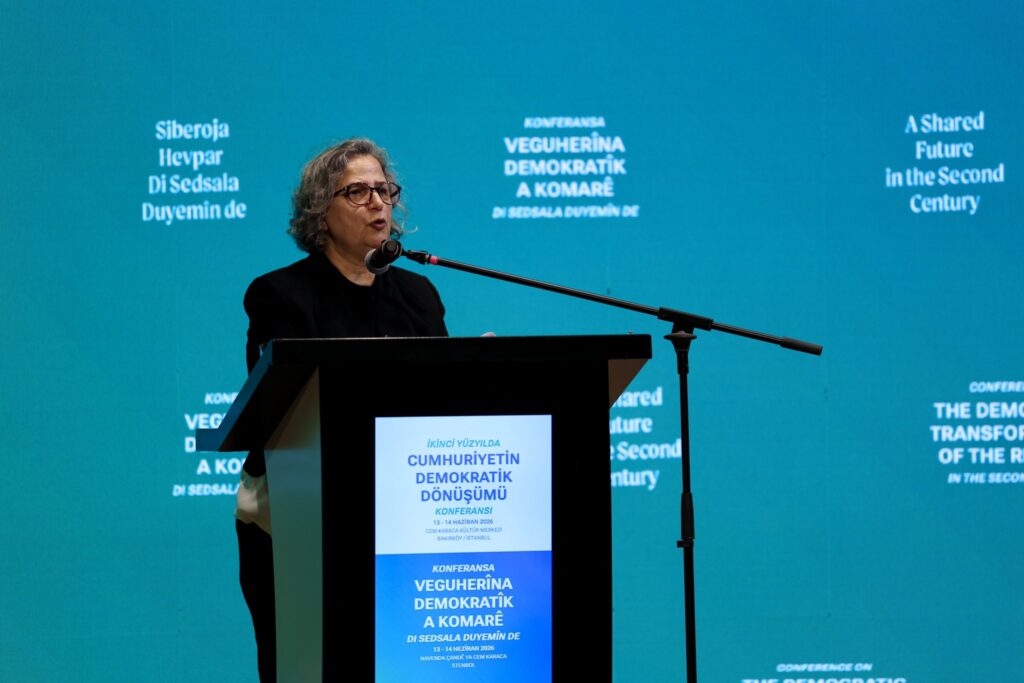
Kurdish politician Gültan Kışanak, speaking about creating an inclusive legal system, said, “Change and transformation are at our doorstep. We can no longer continue like this. We need to move forward.”
Gültan Kışanak. Photo: X / @CDDkonferans
Participating in the “Conference on the Democratic Transformation of the Republic in the Second Century,” held on June 13-14, 2026, at the Cem Karaca Cultural Center in Bakırköy Municipality, Istanbul, Kurdish politician Gültan Kışanak asked in her opening speech, “Will we be able to create an inclusive legal system?”
Kışanak, who had various contacts in Europe shortly before the conference, gave Niha+ her assessments regarding both her European trip and the content of her speech at the conference.
Gülten Kışanak, who participated in meetings and events in France and Germany, said that everyone there was asking, “When will the law be passed?” Stating that they asked, “We have prepared our governor. We want to come. They are expressing a longing and yearning for the law to be passed here. At the same time, they are expressing a desire for democratic transformation,” she provided the information.
“Demanding from the government doesn’t get us anywhere”
Regarding the question she raised in her opening speech at the conference, “Can we create an inclusive legal system?”, Kışanak said, “We need to fight for it”:
“If we want something, we can do it. But if we want someone to prepare it and bring it to us tomorrow, that’s not possible. Therefore, if you want something, you have to fight for it, put in the effort, and unleash its social power. I think this state of demanding from the government doesn’t get us anywhere.”
Noting the political challenges in making this happen, Kışanak said, “A change and transformation has arrived at our doorstep. We can no longer continue like this, we cannot carry on. We need to move forward. For this, we, as a society, need to take responsibility and do something. At the same time, there is no shortcut solution. This path is long, difficult, and arduous. We have no option but to walk this path.”
Regarding President Recep Tayyip Erdoğan’s statement at a program he attended in Edirne on June 12, 2026, where he said, “We have made significant progress on the path to this goal so far. God willing, we will increase our pace a little more,” Gülten Kışanak commented, “There are commitments. We all must follow up on these commitments. Even from the most authoritative sources, from the President himself, there are statements that the law will be passed before the parliament closes. We all now expect this to be done.”
When asked about whether the framework law, which has been the subject of behind-the-scenes discussions, will meet expectations, he said, “We are fighting to ensure it does. Just as we fought to get that commission report written in parliament, we will fight to ensure that this law is passed in a holistic and comprehensive manner.”
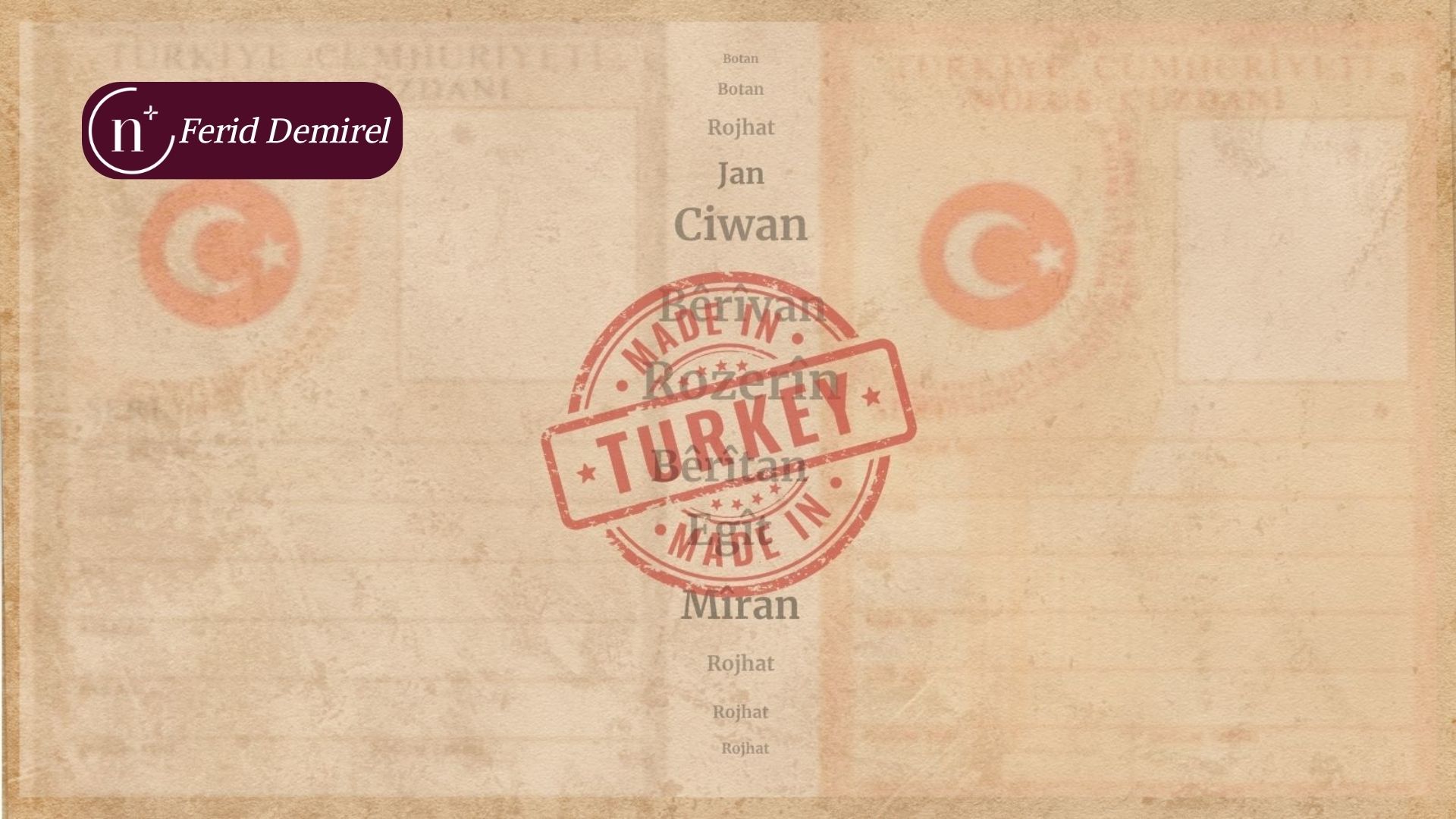
Data from the Turkish Statistical Institute (TURKSTAT) regarding the most common names in Turkey and the most popular names for newborns indicates that nationalist names are replacing traditional-religious ones. While Kurdish names are often not recorded due to legal and practical obstacles, it remains impossible to access any information regarding Kurdish names within TURKSTAT’s data system.
Image: Niha+
TURKSTAT has released data on the most frequently used and newborn names in Turkey for 2025. According to the institute’s data, the most common names for men are Mehmet, Mustafa, Ahmet, and Ali, while for women, they are Fatma, Ayşe, Emine, and Hatice. The records show that these four names in each category have maintained their rankings since 2018.
Among newborns, Alparslan ranks first among the most preferred male names. A total of 7,509 newborn boys were given this name by their families. Göktuğ, Metehan, Yusuf, and Kerem share the top spots. For newborn girls, the most preferred names are Alya, Defne, Gökçe, Zeynep, and Asel. TURKSTAT’s website provides data dating back to 2018, with rankings provided for the top 30 in each category.
“Visibility” in Baby Girl Names (2025)
Alya
8,739
Defne
7,716
Gökçe
7,582
Zeynep
6,228
Phonetic Barriers in the Registry System
While modern names like Alya and Defne have climbed to the top for baby girls, names embedded in cultural memory such as Rozerîn, Bêrîvan, and Zîlan continue to be relegated to the “unknown” or “converted” categories in official statistics. This situation is a statistical reflection of a century-old language policy.
Based on this data, it is possible to state that since 2018, nationalist names such as Alparslan, Göktuğ, and Metehan have begun to be preferred over traditional-religious names like Ahmet, Mehmet, and Mustafa for boys. While names like Mehmet and Mustafa still rank at the top of the overall “most used” list in Turkey, we see that these names have been used significantly less for newborns since 2018. This points to a clear societal shift.
The Transformation of Names in Data (2025)
Newborn Boy Name Preferences (By Number)
Alparslan
7,509
Göktuğ
6,029
Miran
3,751
Mustafa
2,407
Ahmet
2,280
Traditional Heritage: Mehmet still ranks 1st across Turkey with over 1.2M people, but fell to 11th among newborns.
New Trend: Miran rose to 6th place in 2025, surpassing long-established names like Ömer and Miraç.
Phonetic Barriers in the Registry System
While modern and nationalist names have climbed to the top, Kurdish names like Jan, Ciwan, and Arîn remain “invisible” in official statistics due to bureaucratic and phonetic barriers.
Source: TURKSTAT 2018-2025 Dataset. Chart by Niha+ Special News.
The “Outlier” hame on the list
There is, in fact, an “outlier” name among TURKSTAT’s top 30: Mîran. This name entered the Turkish naming landscape primarily through the television industry.
Mîran, which means “Mirs” or “Lords” in Kurdish, ranks 6th on the 2025 list. While Mîran was not among the top 30 names in 2018, it made an entry at 8th place in 2019. This rise is clearly linked to the influence of the TV series Hercai, which began airing in 2019 and featured a lead character named Miran Aslanbey. Following this series, the name Mîran experienced a rapid surge among male names in Turkey. Between 2020 and 2023, it fluctuated within the top 30, ranking 12th in 2024 and reaching 6th place in 2025.
This example serves as a case study for several reasons: the reliance on information in some circles that the name has Persian origins, the ease of acceptance for a name that has become a popular culture element, and the fact that it does not contain the distinctive letters of the Kurdish alphabet such as “X, Q, W.” This situation demonstrates that through popular culture, the name has been stripped of its “ethno-political” context and has become an aesthetic choice for parents from diverse backgrounds.
Kurdish names hitting the “Letter” barrier
However, beyond the name Mîran, there is a blind spot in the mirror held by official statistics. In that blind spot lies the reality of families whose chosen Kurdish names for their children hit a “letter barrier” and who must engage in a legal struggle to obtain identification documents.
Article 66 of the Constitution states, “Everyone bound to the Turkish State through the bond of citizenship is a Turk.” Yet, it is well known that people of many ethnic backgrounds other than Turkish live in Turkey, and these individuals give their children names in their own mother tongues. Due to legal and practical obstacles in Turkey, no official records are kept regarding ethnic and linguistic origins, and thus no concrete data is available. Nevertheless, daily practices show that Kurdish parents frequently give their newborns Kurdish names—a situation that has become much more visible in recent years.
Names like Bêrîvan, Zîlan, Baran, Sosin, Rojbîn, and Rojhat are heard more frequently in streets, cafes, and universities. Despite this, official statistics do not mention these names. Since TURKSTAT only provides the top 30 names, there is no information regarding names below that rank. Therefore, while conducting an objective assessment is naturally difficult, certain daily practices and obstacles bring to the fore several possibilities regarding why Kurdish names do not appear in the top 30.
Are these names absent simply because they are fewer in number, or is it because population registries—despite various amendments over time to Law No. 1353 on the Adoption and Application of Turkish Letters—still prevent such names from being recorded on IDs?
Lives with two names
While there haven’t been many reports in the press recently, news stories from a few years ago detailed the many difficulties faced by families giving their children Kurdish names.
During the research for this report, we learned the story of a father who went to the registry office years ago wanting to name his child “Rojhat.” The official at the registry office said of the name Rojhat, “This name is not allowed; it must be another name,” and forced the father to accept the official’s own name as the child’s name for the ID.
Consequently, there are people whose real names are Rozerîn or Rojbîn but are officially recorded as Ayşe or Zeynep. There are individuals who are Rozerîn, Botan, or Rojbîn at home but are Zeynep, Ayşe, or Ahmet in schools and government offices. In one case, a woman named Ayşe, whose real name was Rojbîn, took out a loan despite her poor financial situation to change her name through the courts. However, she passed away while the court case was still ongoing and was buried under the name Ayşe.
“Jan” or “Can”?
An incident in 2022 provides clues regarding the “gray areas” in TURKSTAT’s data. (The names of the family have been withheld for security reasons). A. and C. wanted to name their newborn Jan Arvîn. They went to the registry office in their province. The official asked, “What language is Jan?” The family replied that it is both Kurdish and Circassian. The official responded, “No, it’s not possible; we cannot accept Kurdish,” but stated they could accept it if it were a Turkish name.
When the family insisted on Jan, noting that a famous person had recently used a Kurdish name, the official replied, “They are artists; they have long arms; they can do it.” He then gave another example: “For instance, someone else came last week. Their name was Ciwan. We solved the problem by writing it as Civan. Come, let’s change your J to a C and make it Can. Look, this child will face many problems in the future in school and among friends because of this name.” When the family remained persistent, they were sent to a higher official and were eventually allowed to use the name Jan only after signing a document stating they took all responsibility.
Kurdish Names: A Century-Old Struggle
The process of “naming by signing a waiver” is a lingering consequence of Turkey’s language and identity policies over the last 100 years. Here is the chronology filled with bans, circulars, and “alphabet” barriers:
1925Law on Maintenance of Order and Reform Plan for the East
With the proclamation of the Republic, the use of languages other than Turkish was prohibited. Under Article 41 of the Reform Plan for the East, penalties were imposed on those using non-Turkish languages in public spaces and government offices.
1928Law No. 1353 on the Adoption and Application of Turkish Letters
The law transitioning to the Latin alphabet became the primary justification for blocking the registration of Kurdish names (specifically due to characters like q, w, x).
1980 – 1991Law No. 2932: Absolute Prohibition
Following the September 12 coup, the use of Kurdish was completely banned. Although repealed in 1991, the reality of “dual naming” (official vs. traditional) persisted in bureaucracy.
2002 – 2003EU Harmonization and “Conditional” Naming Rights
Through a Ministry of Interior circular, the ban on names was lifted under the condition of “compliance with the Turkish alphabet.”
During this period, civil registry offices continued to reject Kurdish names on grounds such as “general morality.”
2006Civil Registry Services Law No. 5490
The new law guaranteed the right to name children; however, bureaucratic obstacles and the “character ban” remained in effect.
Present DayThe Alphabet Wall and Legal Battles
Names like “Awin, Bawer, Xunaw” are still subject to bureaucratic hurdles and lawsuits due to letters not present in the official Turkish alphabet.
Constitutional Obstacles
Article 3: “The language of the State of Turkey is Turkish.” (Barrier to official recognition)
Article 42: “No language other than Turkish shall be taught as a mother tongue.” (Educational barrier)
*Infographics were created by the AI tool Gemini. Some names have been changed due to individual requests and security reasons.
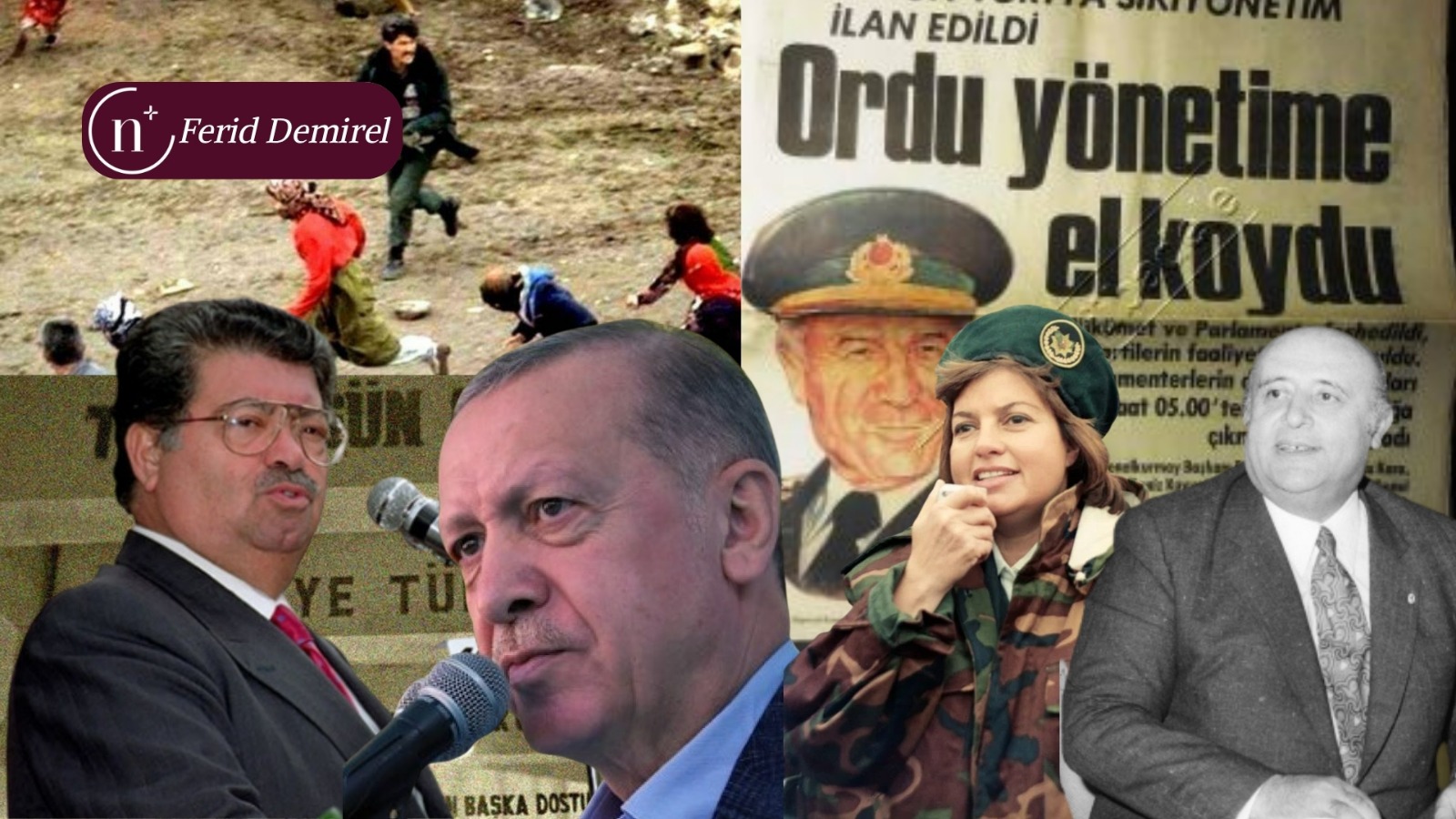
The Kurdish question, discussed under the heading of the PKK and leaving its mark on the last 48 years of Turkey, has outlasted numerous presidents, dozens of prime ministers, governments, ministers of interior and foreign affairs, and chiefs of general staff. Throughout this period, spanning from 1978 to February 27, 2025, Abdullah Öcalan has remained the unchanging actor on the other side of this issue.
Photo: Niha+
Despite having a history of over a century, the Kurdish question—debated alongside the PKK’s prominence in the last fifty years of Turkish history—is not merely a chronology of conflict; it serves as a mirror reflecting how the state’s institutional structure and mode of governance have transformed.
Consequently, the recent political history of Turkey, covering this 48-year span, is on one hand the history of the transformation of the Kurdish question—oscillating between “denial,” “annihilation,” “dialogue,” and the “securitarian status quo”—and on the other, a history of statistics showing the turnover of countless governments, presidents, prime ministers, and ministers.
Throughout these 48 years, which the state has characterized in official discourse primarily through the rhetoric of “terrorism” rather than as the Kurdish question, the common point of almost all ministers from various parties has been the emphasis on “fighting until the last terrorist.” From the day the PKK was founded—an event Süleyman Demirel described as the “29th Kurdish Rebellion” and widely viewed as a result of the Kurdish question—until the day it announced its dissolution, the issue was portrayed by the state as “terrorism.” From the military boots of September 12 to today’s cross-border doctrine utilizing UCAVs (SİHAs), there has been a consistent effort to squeeze the Kurdish issue into a parenthesis of “annihilation and public order.”
THE ANKARA RECORD & MEMORY ARCHIVE: 1978 – 2026
Focal & Process Actors
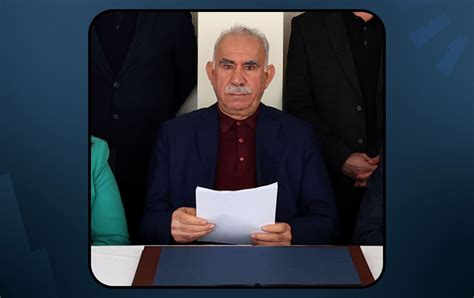
1978 – PresentAbdullah Öcalan
The focal point of the process from Fis to İmralı. In 2025, he issued the historic call for the organization’s dissolution.
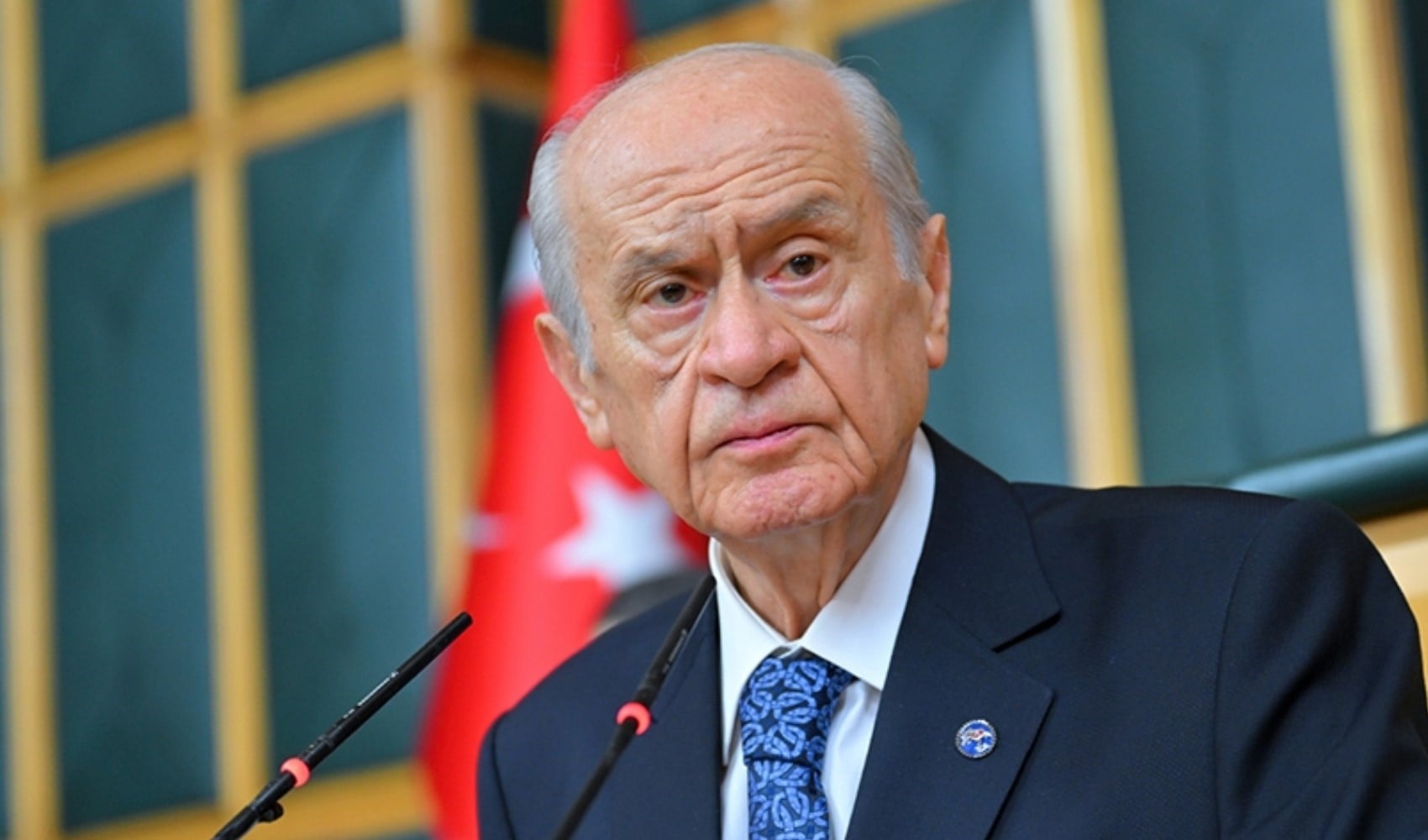
1997 – PresentDevlet Bahçeli
Untied the 48-year-old knot in late 2024 with his move: “Let İmralı address the Parliament.”
Presidency and Leadership
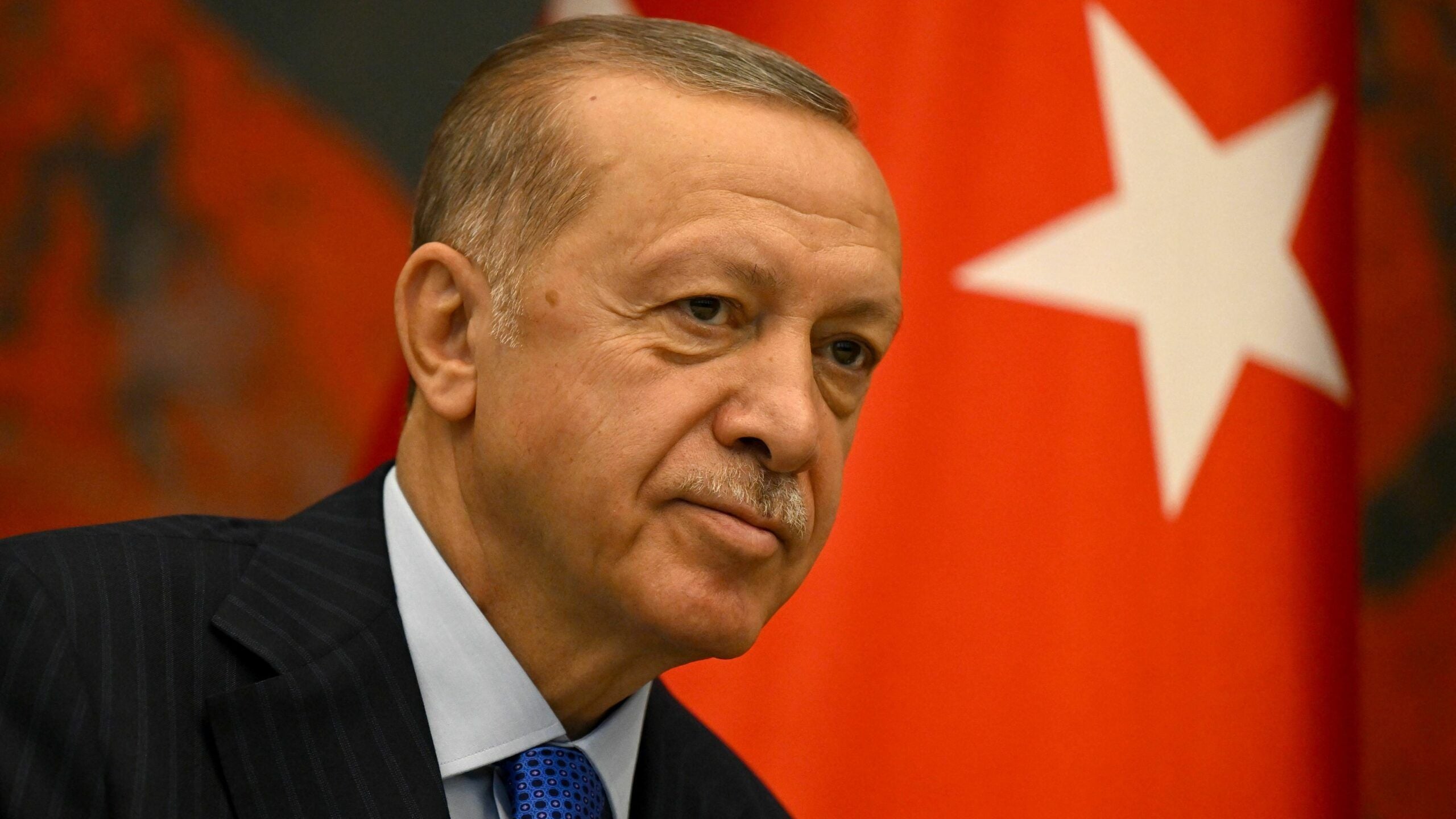
2003 – 2026Recep Tayyip Erdoğan
The primary executive who steered the issue from “The Kurdish problem is my problem” to a “Survival issue,” leading to the 2025 finale.
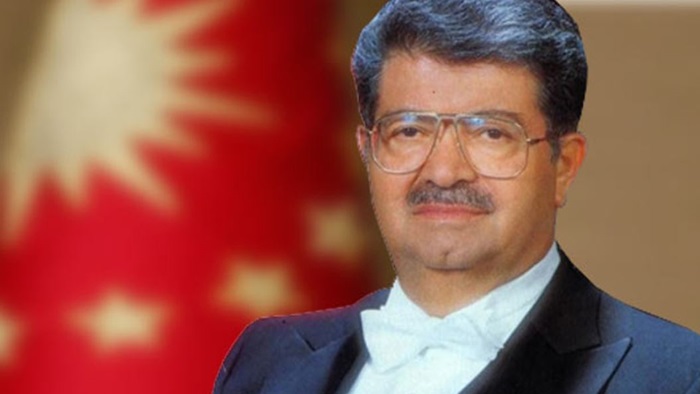
1989 – 1993Turgut Özal
The first civilian move to break the taboo. The first leader to discuss the possibility of dialogue with the PKK at the state level.
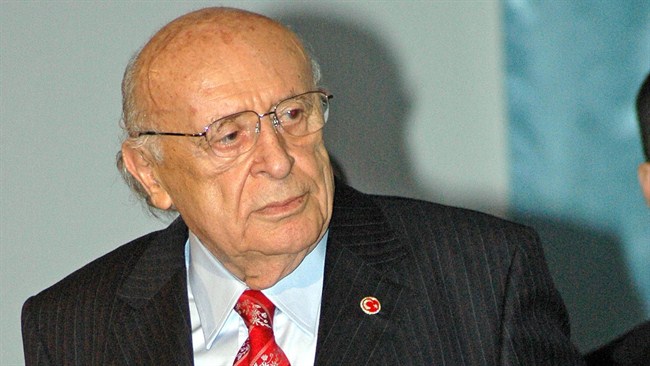
1991 – 2000Süleyman Demirel
The state mind who acknowledged the “Kurdish Reality” yet became the architect of OHAL and rigid security-oriented policies.
Security & Responsibility Milestones
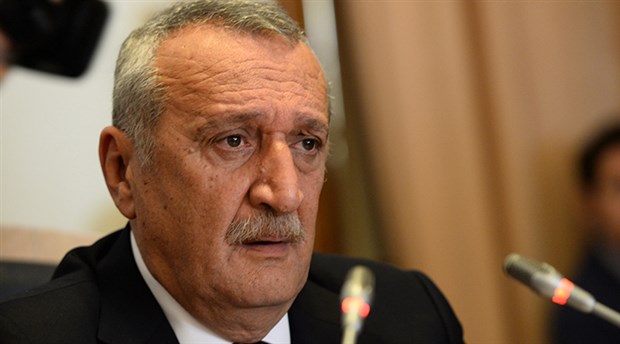
1996Mehmet Ağar
The era of “a thousand operations.” Central figure in dark networks and the famous “If I pull one brick, the wall collapses” metaphor.
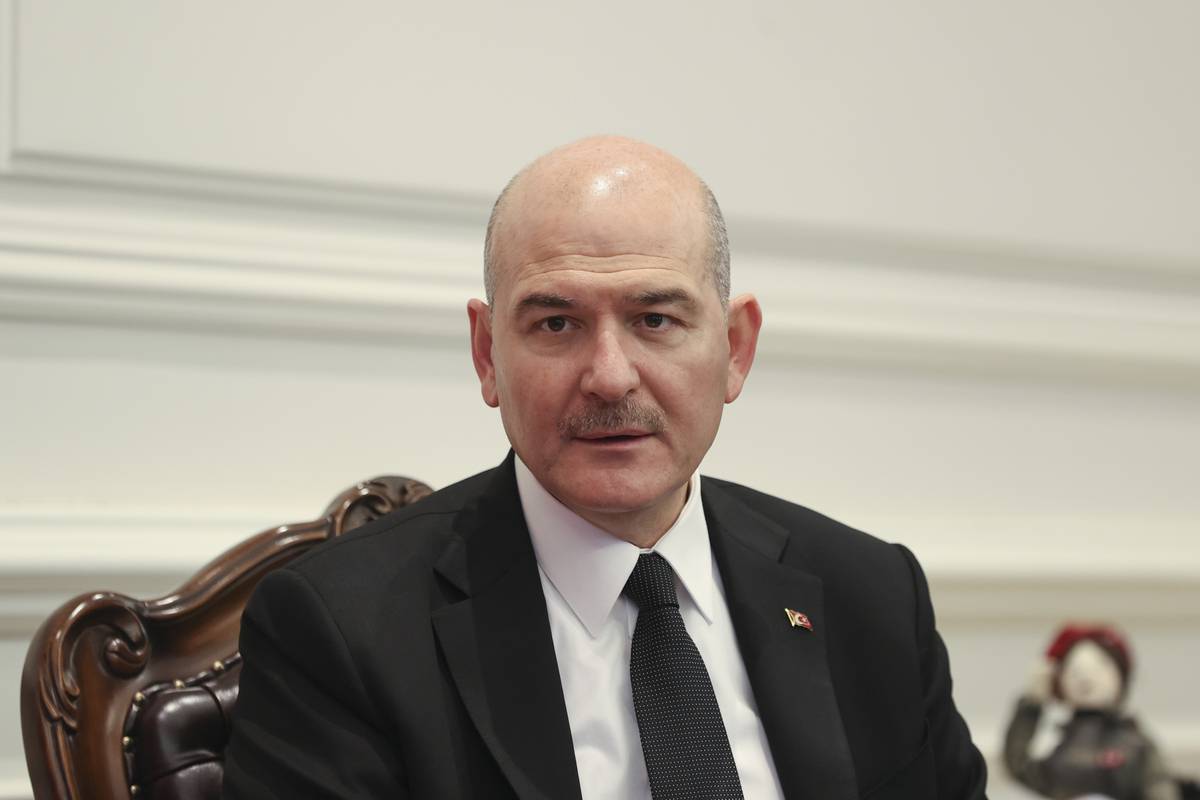
2016 – 2023Süleyman Soylu
The figure who prioritized security over the ballot box through the trustee regime and the “neutralization beyond borders” doctrine.
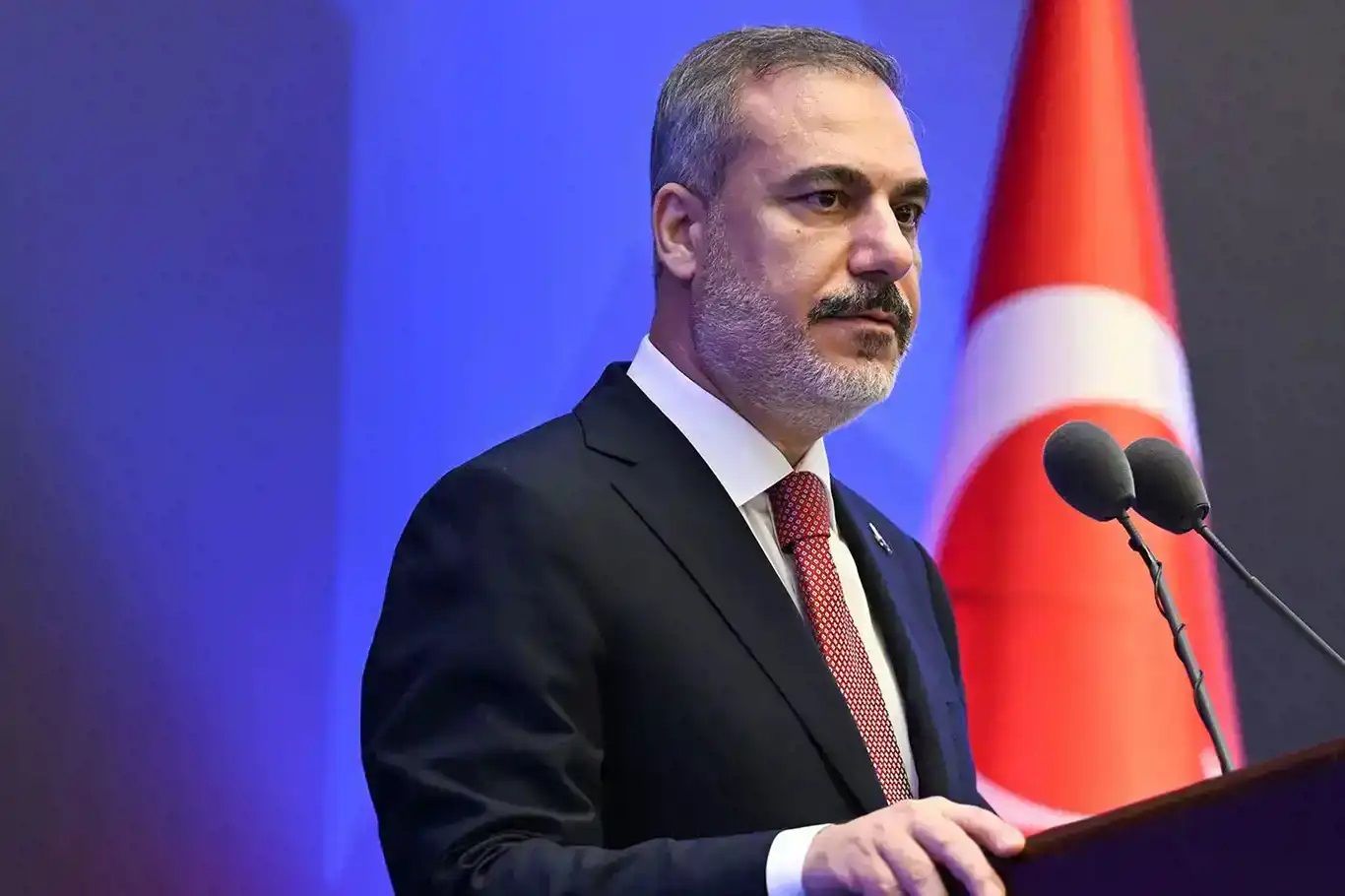
2010 – 2026Hakan Fidan
The most critical political mind in back-door diplomacy, overseeing both the peace attempts and operations from Oslo to the present.
* This chart is a summary of political records compiled from NihaPlus’s official archives.
From Fis to September 12: Ankara’s ‘Public Order’ parenthesis
The foundation of one of the most significant periods of the Kurdish issue in modern history was laid on November 27, 1978, with the establishment of the PKK in the village of Fis in Diyarbakır’s Lice district. Abdullah Öcalan and 21 founding members from the structure known as the “Apocular” (Apoists) before 1978 attended this meeting, which is considered the PKK’s first congress. The ideological roots of the PKK are based on the political line Öcalan shaped at Ankara University in the 1970s. Öcalan’s organizational background began in 1974 with the Ankara Democratic Higher Education Association, a Marxist structure.
During this period, Turkey was debating an agenda dominated by economic crises and clashes between right-wing groups and a strong revolutionary structure led by students. At that time, Ankara was in a climate of crisis under the supervision of President Fahri Korutürk, where political will was constantly shaken. The 42nd government led by Bülent Ecevit, followed by the 43rd led by Süleyman Demirel, treated the Kurdish issue as a technical file within the scope of “separatist activities” during their short-lived administrations, just as their predecessors had. Interior Ministers İrfan Özaydınlı and Hasan Fehmi Güneş (Ecevit era) handled the Kurdish people’s search for rights and increasing pressure in the region within the framework of “separatist activity” and “public order issues.” It was not accepted in the “official” agenda of the state or the government that these events were a result of the Kurdish question.
In 1979, when activity on the Urfa-Siverek line caught the attention of the security bureaucracy, the Interior Ministry in Demirel’s cabinet was held by Mustafa Gülcügil, while the Foreign Ministry was held by Gündüz Ökçün and later Hayrettin Erkmen. During this period, an intense conflict broke out between the PKK and certain tribes in the region associated with political powers in Ankara. The “Apocular,” as they were known then, began to appear in newspaper headlines daily and became the primary agenda item for civil and military administrators.
The political spectrum was alternating between Ecevit and Demirel governments. At the very center of this political circulation, every moment civilian politics failed to produce solutions, the space for military tutelage—represented by Chief of General Staff Kenan Evren—expanded further. While Ankara’s actors presented the matter as “marginal groups associated with the dissolution of feudalism,” democratic channels were rapidly closing, and Turkey was drifting toward the darkness of September 12—a period that would be etched into memory with grave rights violations like those at Diyarbakır Prison No. 5. As this half-century parenthesis opened and actors in Ankara changed, the dimensions of the problem and the official approach deepened.
The 1980s: Coup, denial, and the Atrocity of Diyarbakır No. 5
The military coup of September 12, 1980, represents more than a breaking point in Turkey’s political history; it is a dark milestone where the Kurdish question was completely severed from the ground of democratic solutions. The administration of General Kenan Evren, who took over the junta leadership, positioned Kurdish identity not just as a “public order” issue, but as a direct “political threat” to the survival of the state. This period turned into a systematic process of oppression where the most fundamental human rights of Kurds were suspended, the mother tongue was banned, and identity demands were put through severe torture racks.
During these years when democratic politics were liquidated, Prime Minister Bülend Ulusu and Interior Minister Selahattin Demircioğlu took their places in history as the executive figures of this oppressive regime built by military tutelage. In this phase, where Kurds were redefined as “Mountain Turks” in the state’s core memory, the bureaucracy under Ulusu and Demircioğlu attempted to justify rights violations on the ground as “state discipline.” However, every repressive practice implemented by these administrations only deepened the problem.
The real center of tragedy during this period was the Diyarbakır No. 5 Military Prison, which functioned not just as a prison but as a “radicalization laboratory.” While the inhuman tortures carried out under the orders of Kenan Evren and the junta administration left indelible marks on the memory of the Kurdish political movement, Ankara’s actors reported this brutality under the heading of “discipline.” İlter Türkmen held the Foreign Ministry seat, and the coup administration sought “understanding for the coup” from the international community. The efforts of the coup administration, both inside and outside Turkey, served to transform denial into a constitutional text (the 1982 Constitution) rather than solving the problem.
Throughout the 1980s, the names passing through these seats signed off on decisions banning Kurdish identity, thereby preparing not for a solution, but for the most violent phase of the conflict (the 1984 Eruh-Şemdinli attacks). The wreckage handed over from Bülend Ulusu to Turgut Özal was not just a public order file, but a reality of a Turkey where millions were uprooted and the sense of democratic belonging was severely damaged. While these “temporary” cadres of Ankara tried to negate identity under the boots of September 12, they took their places in the dusty pages of history as the primary architects of that massive parenthesis that remains unresolved today.
The 1990s: Peak of conflict, OHAL, and evacuated villages
The 1990s constituted the bloodiest period of the Turkey-PKK conflict. This decade was marked by the premierships of Süleyman Demirel and Tansu Çiller, and the term of Doğan Güreş as Chief of General Staff. Within the framework of the State of Emergency (OHAL) applications covering the Kurdish geography, the state resorted to large-scale security operations. During this period, many names passed through the Ministry of Interior, from İsmet Sezgin to Mehmet Ağar and Meral Akşener.
This decade witnessed politicians developing a new concept alongside “security bosses.” The interior ministry seat, handed from İsmet Sezgin to Mehmet Ağar, was now the headquarters for “extra-routine” operations. The evacuation of 3,428 villages and “unsolved” extrajudicial murders showed that Ankara approached the matter with a policy of “annihilation.” Ağar’s famous later words, “If I pull one brick, the wall will collapse,” summarized the state memory of that era.
According to a report prepared by the TBMM (Grand National Assembly of Turkey) in 1998, it was documented that 3,428 villages and hamlets were evacuated and approximately 500,000 people were forcibly displaced. According to some political parties and NGOs, these figures are higher: 4,000 settlements evacuated and nearly 3.5 million citizens forced into internal migration. The Human Rights Association (İHD), in a report submitted to a commission established in the TBMM in 2025, documented that a total of 36,409 people, including 9,454 civilians, lost their lives in the conflict process covering the 1991-2024 period.
One of the most important political ruptures of this picture occurred in 1993. Turgut Özal was in the presidency. On one hand, Özal represented a pragmatic dilemma: he activated traditional public order language and securitarian instruments like village guards by labeling the group as “a handful of bandits,” while on the other, he pushed taboo dialogue channels with an emphasis on “Kurdish reality.” Özal went down in history as one of the rare leaders who did not publicly exclude the possibility of dialogue with the PKK. The PKK declared a ceasefire in March. However, this window closed with Özal’s sudden death in April. Immediately after Özal’s death, on May 24, 1993, 33 unarmed soldiers in civilian clothes were killed on the Bingöl-Elazığ highway. The incident effectively meant the end of the unilateral PKK ceasefire declared up to that date. With Tansu Çiller (50th Government) taking the Prime Ministry, security policy shifted to a harsher line. The wave of “unsolved” murders that began after Çiller’s statement, “We have a list of Kurdish businessmen who help the PKK,” became the dark legacy of the 1990s.
The 2000s: EU Process, “Democratic Opening“ and Oslo Talks
The year 1999 became a multi-layered turning point where the Kurdish issue evolved on both legal and political levels. During the 56th and 57th governments led by Bülent Ecevit, the bringing of Abdullah Öcalan to Turkey slowed the pace of conflicts on the ground but left Ankara’s democratic solution capacity facing a new test. When the trial system established on İmralı Island combined with the pressure created by the EU membership process, Turkey undertook a radical legal transformation, such as the abolition of the death penalty. While Interior Ministers Sadettin Tantan and Rüştü Kazım Yücelen, along with Foreign Minister İsmail Cem, tried to bring the legal framework of the issue closer to international standards, the lifespan of their politics was not yet enough to turn these reforms into a social peace project.
The AKP coming to power in 2002 created a pragmatic curve in the state’s traditional securitarian language. Following President Ahmet Necdet Sezer, Abdullah Gül’s ascent to the Çankaya Mansion initiated a new climate where the term “Kurdish issue” was articulated at the highest level in Ankara. The “Democratic Opening,” which materialized with Gül’s March 2009 statement that “Good things will happen,” was presented as a comprehensive policy package under the coordination of Interior Minister Beşir Atalay. However, this civilian search could not avoid colliding with the ancient tension between the status quo in the state’s core structure and the demands for democratic reform.
During the same period, behind the scenes, a secret diplomatic traffic with KCK executives—which included MIT Undersecretary Hakan Fidan and reached the public as the “Oslo Talks”—documented Ankara’s search for an interlocutor for a solution. While the entry of 34 PKK members through the Habur Border Gate on October 19, 2009, welcomed by tens of thousands of people, revived hopes for social peace, the failure of political actors to ground this process on a constitutional basis deepened the crisis. While the echoes of Habur were still ongoing, the Constitutional Court’s closure of the Democratic Society Party (DTP) in December 2009 meant the blocking of democratic political channels through judicial intervention.
In this ten-year process, names like Hüseyin Kıvrıkoğlu, Hilmi Özkök, Yaşar Büyükanıt, and İlker Başbuğ, who changed in the seat of the Chief of General Staff, along with the interior ministry seat handed from Abdülkadir Aksu to Beşir Atalay, left their places to new ones as “temporary actors” at the end of their terms. Although Ankara tried to expand the field of rights with European Union harmonization laws, every reform step, to the extent it was not crowned with a democratic constitution, was abandoned once again to securitarian reflexes and judicial obstacles.
2013–2015: “Solution Process“ and the Dolmabahçe Agreement
At the beginning of 2013, a new link in state-PKK negotiations began. This time, the process was conducted more transparently: HDP’s İmralı delegation held meetings with Öcalan. On March 21, 2013, Öcalan’s letter was read at the Diyarbakır Newroz. The most concrete output of the process featured Deputy Prime Minister Yalçın Akdoğan and Interior Minister Efkan Ala at the center of the dialogue traffic with the HDP delegation. The Dolmabahçe Agreement, announced on February 28, 2015, was the most concrete threshold in these actors’ search for a solution. However, President Erdoğan’s announcement that he did not recognize the agreement and the shifting political balances after the June 2015 elections brought an end to the policies carried out by these names. As Efkan Ala and Yalçın Akdoğan were gradually moved away from decision-making mechanisms with the end of the solution process, Prime Minister Ahmet Davutoğlu also became part of this circulation by handing his seat to Binali Yıldırım.
Post-2016: Anatomy of the trustee (Kayyım) policy
The State of Emergency (OHAL) declared after 2016 and the change in the system initiated a period where Ankara reinforced its “securitarian” doctrine with new names. Süleyman Soylu, who took the Interior Ministry seat, operated the regulation added to the Municipality Law via Decree-Law (KHK) No. 674, continuing the policy of appointing trustees (kayyım) in place of elected mayors for seven years. During the Soylu era, the tension between the right to democratic representation and the security bureaucracy was managed through judicial and operational processes. After Soylu handed over the duty to Ali Yerlikaya in 2023, Ankara continued cross-border operations with military strategies under the management of Minister of National Defense Hulusi Akar and Chief of General Staff Yaşar Güler.
The registration of the local will in the region in favor of the DEM Party as a result of the 2024 local elections showed that despite the dozens of prime ministers, interior, and foreign ministers who changed over this 48-year process, the issue maintained its ground of social legitimacy. Today, the process under the management of Foreign Minister Hakan Fidan and Interior Minister Ali Yerlikaya constitutes the most current link of that historical parenthesis where actors have changed rapidly since 1978, but solution methods have failed to achieve constitutional status.
2025 and beyond: The “Dissolution” call and the question remaining uncertain
The autumn of 2024 was a turning point where a new political language, diverging from the state’s traditional security policies, was established in Ankara. The move by MHP Chairman Devlet Bahçeli from the parliament podium went down in record as an initiative that moved the ground of interlocution for the decades-long conflict directly to İmralı. Following this declaration of political will, on February 27, 2025, Abdullah Öcalan made an open call to the PKK to end the armed struggle and dissolve the organizational structure. Responding to this call at its 12th Congress held on May 5–7, 2025, the organization announced the decision to terminate activities carried out under the name “PKK” since November 27, 1978.
With the announcement of dissolution, although the matter was moved back to the parliamentary floor, the tension between political will and the state’s institutional memory persisted. The text prepared by the commission established within the Parliament and tasked with reporting the process could not step outside the traditional state language regarding the naming of the solution. The fact that the definition “Kurdish issue” was not included in the report was evaluated by human rights defenders and political subjects as an institutional obstacle to meeting the issue on constitutional grounds. Abdullah Öcalan, in a message published on the first anniversary of the dissolution decision (February 2026), emphasized that the February 27, 2025 call was a declaration that the choice was clearly made in favor of politics.
In this 48-year process stretching from 1978 to 2026, Turkey outlasted many prime ministers and dozens of interior ministers before reaching the final stage under the administration of President Recep Tayyip Erdoğan, Interior Minister Ali Yerlikaya, and Foreign Minister Hakan Fidan. This half-century record, where political actors changed rapidly and various discourses—from the promise of “fighting until the last terrorist” to the “call for dissolution in parliament”—were tried, has once again confirmed the transience of names. Today, in the new picture formed after the dissolution of the PKK, Ankara continues to face the reality that the solution lies not just in the change of names and offices, but in that democratic and constitutional transformation of mindset that dozens of governments have postponed.
Written but unimplemented reports
The recent political history of Turkey is also a history of “written but unimplemented” reports. Historian Mehmet Bayrak describes the Kurdish question from the state’s perspective as: “The state mind is a denier and refuser on the official plane, but a confessor and acceptor on the secret plane.” From the public order bulletins of the Ministry of Interior since 1978 to the thousands of pages of minutes from Parliamentary Research Commissions, every document actually offers an anatomy of a non-solution. These reports, prepared by the state’s own institutions, also reveal what has been sacrificed under the heading of “combating terrorism.”
The 1990s were years when the state took to the field not only with weapons but with “extra-routine” structures. The Parliamentary Commission for the Investigation of Unsolved Murders established in 1993 reflected only the tip of the iceberg. The data reached by the commission documented the field equivalent of Mehmet Ağar’s “thousand operations” remark. However, the true symbol of the Ağar era was that famous metaphor describing the web of dark relations within the state: “If I pull one brick, the wall will collapse.” The Ministry of Interior shelved the files investigating structures like JİTEM behind this wall by placing them under the scope of “state secrets.”
According to the report, a large portion of the murders in the region, especially between 1992 and 1994, were committed by “uncontrolled forces within the state.” However, instead of taking action on these reports, the Ministry of Interior shelved the files targeting structures like JİTEM by classifying them as “state secrets.” These reports today still demonstrate the significance of the Saturday Mothers’ search for justice at Galatasaray Square.
Reports prepared in the second half of the 1990s revealed the social cost of the Ministry of Interior’s “secured zone” strategy. Village evacuations, which gained momentum after Turgut Özal’s death, resulted in more than 3,000 settlements being wiped off the map by 1997. According to the TBMM Migration Commission Report (1998), approximately 1 million people were displaced. While the Interior Ministers of the period tried to present this wave of migration as “voluntary,” the reports of NGOs (İHD, MAZLUMDER) recorded for history the burned crops, the shot livestock, and the imposition of “either become a village guard or leave.”
Work carried out under the coordination of Beşir Atalay during the AKP era’s “Democratic Opening” process acknowledged that the problem was not just a public order issue, yet it did not turn into a concrete result. Concepts like “integration,” “cultural rights in the mother tongue,” and “strengthening local governments” appeared in these studies. However, when these concepts collided with the state’s traditional red lines (concerns over the unitary structure), they were replaced by “operational” reports again starting from 2011. The “Wise People Delegation Reports” prepared during the 2013-2015 Solution Process showed that a large part of society was ready for peace, but the “trust” issue could not be overcome.
Post-2016, the content of reports was entirely built upon “justifying the appointment of trustees.” During the Süleyman Soylu era, attempts were made to legalize the trustee regime by defining elected mayors as “logistics support units.” While these studies formed the basis for thousands of pages of indictments, international institutions such as the Council of Europe Congress of Local and Regional Authorities stated in their reports that this situation was a “usurpation of the right to elect and be elected.”
The Foreign Ministry’s defense line
The Ministry of Foreign Affairs was managed by 26 different names during this process. International reports show that 70% of Turkey’s conviction files at the ECtHR consist of “Kurdish issue-oriented rights violations” (right to life, freedom of expression, property rights). In the Hakan Fidan era, diplomacy reports are now built on the “export of the problem beyond borders.” Operation reports regarding northern Iraq and Syria signal a strategic shift that moves the problem from the streets of Ankara to the mountains of Erbil and Sulaymaniyah.
The Statistical memory of the Interior Ministry
In these 48 years, more than 30 different names occupied the interior ministry seat. Statistics show that changes in ministers did not lead to a change in “method.” The 15-year continuous State of Emergency (OHAL) regime from 1987 to 2002 is the most concrete and darkest data of this statistic.
THE ANKARA RECORD: COMPLETE 48-YEAR LIST (1978 – 2026)
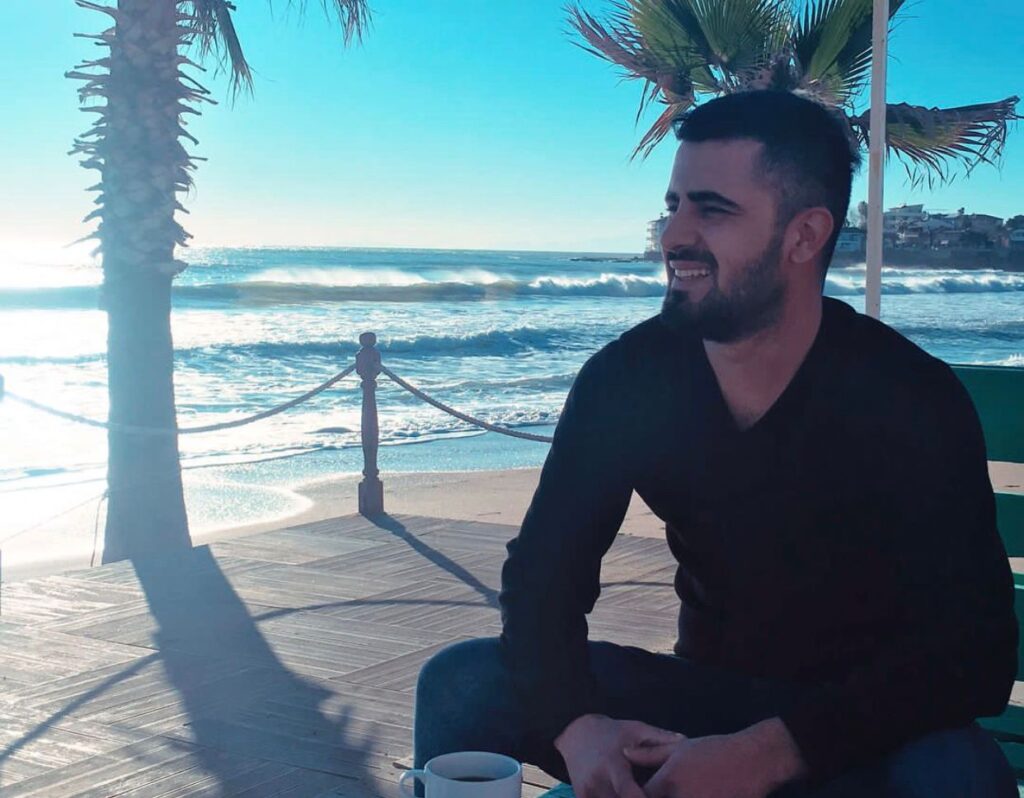
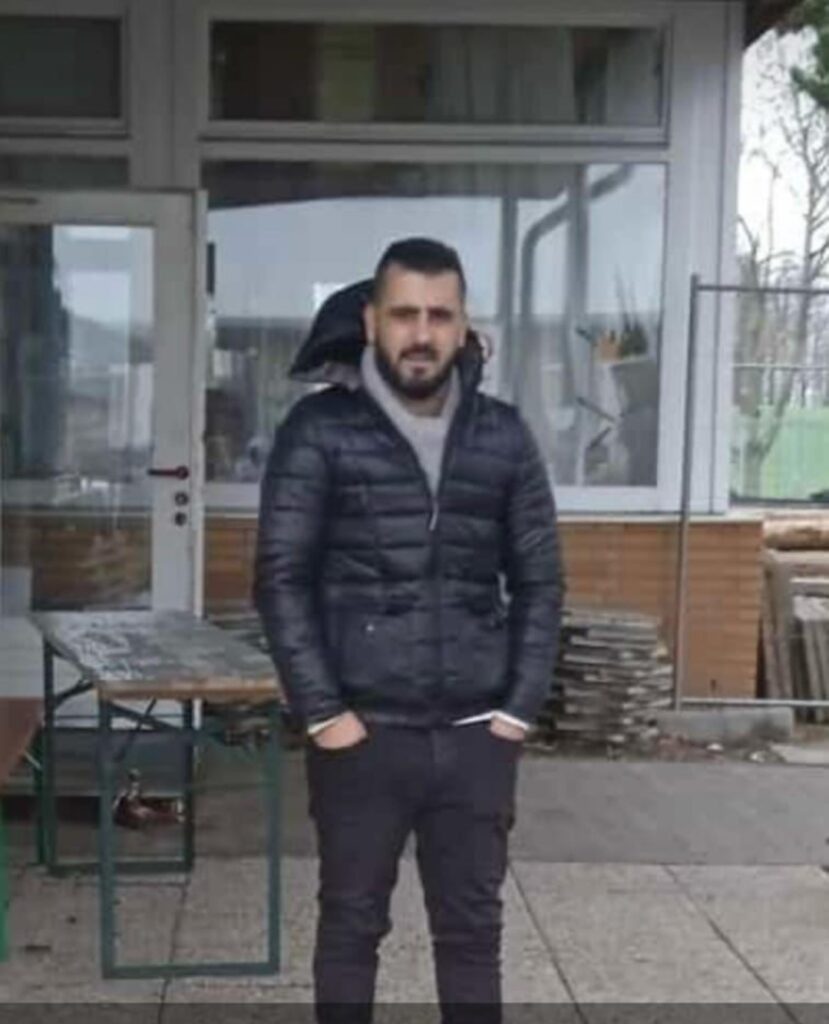
Hogir Alay and Gökhan Kumak were found hanging from a tree in refugee camps in Germany. Alay and Kumak are just two of the Kurdish refugees who have reportedly committed suicide in German camps in recent years. These two suicides, which occurred in 2023 and 2024, raise questions about the safety of the refugee camps. The families are awaiting justice.
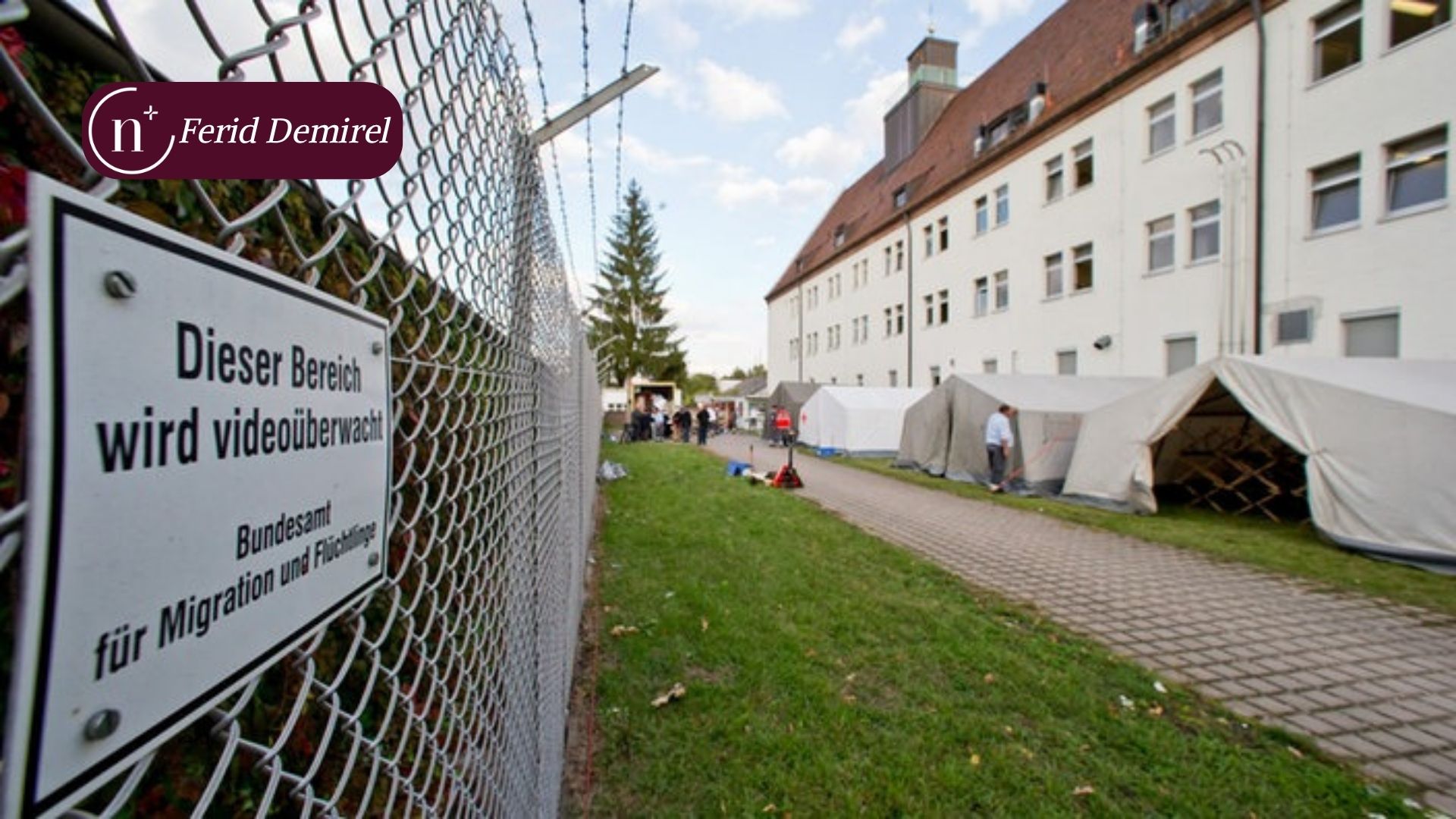
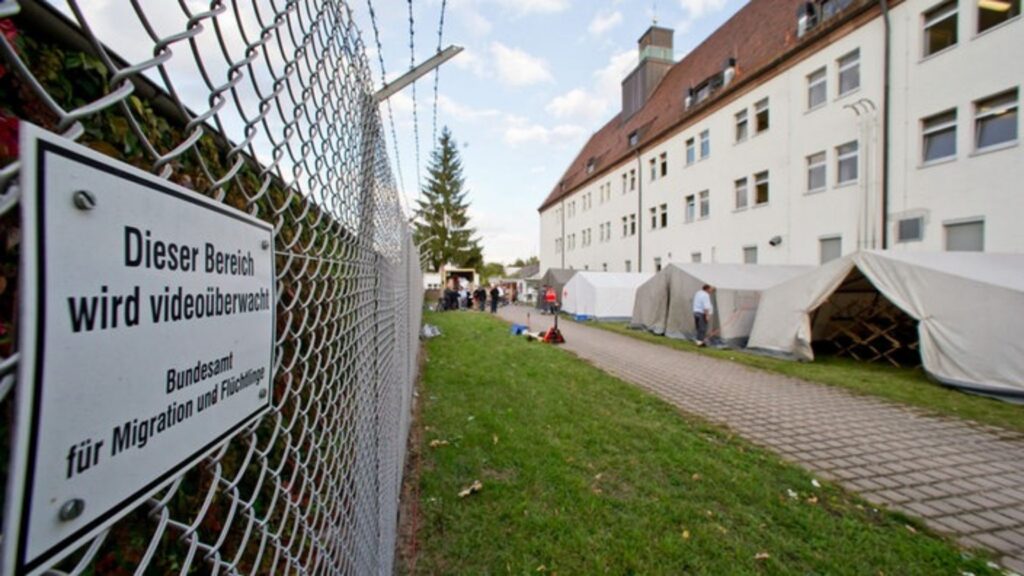
A refugee camp in Germany, Photo: planet-wissen.de
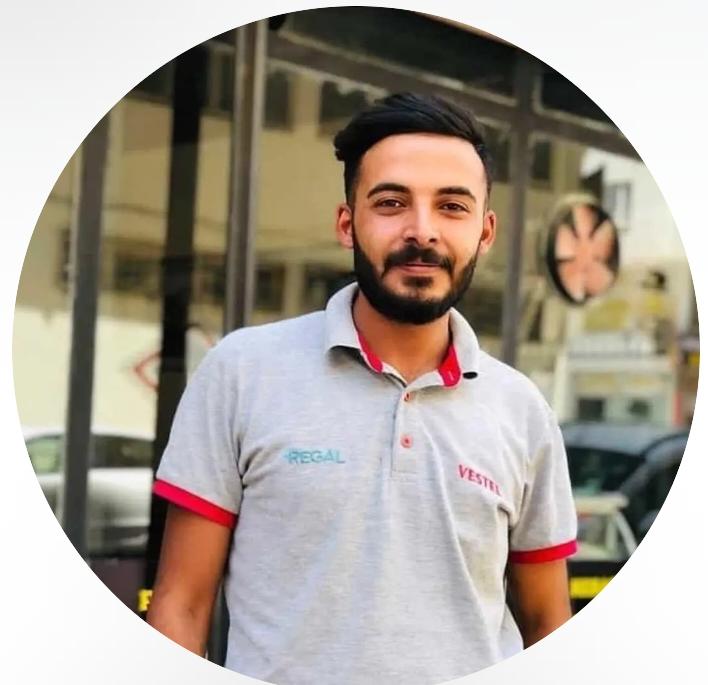
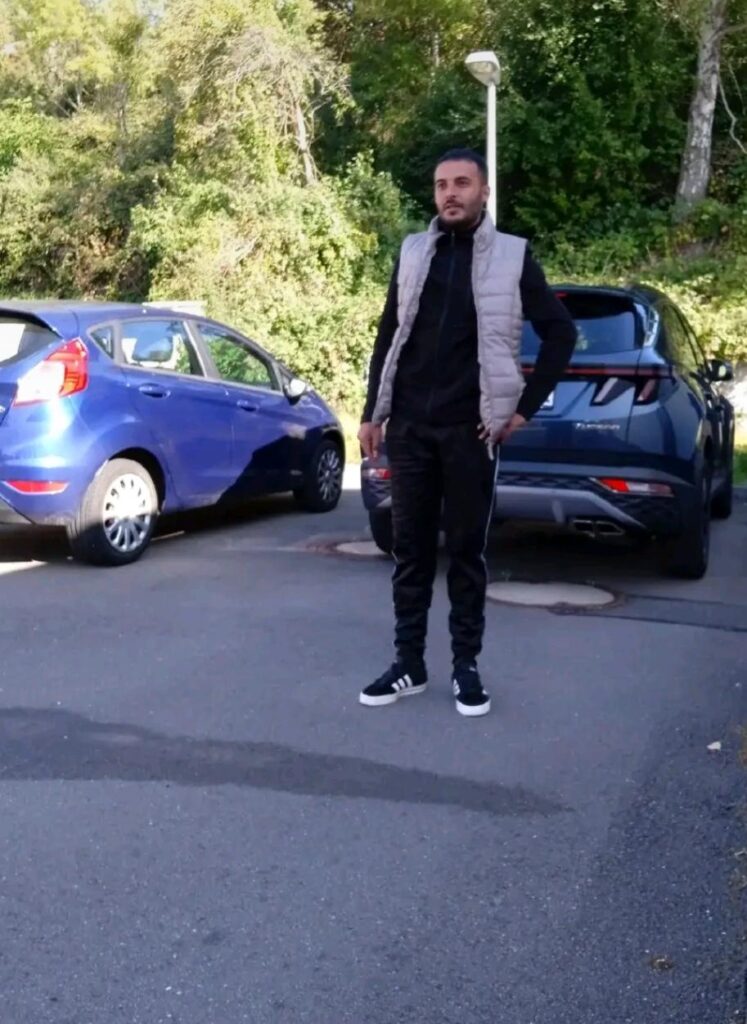
Hogir Alay and Gökhan Kumak are only two of the Kurdish refugees who have lost their lives in refugee camps in Germany in recent years. Hogir went from Mardin to Germany in 2022, and Gökhan went from Şırnak in 2023 to seek asylum. On this journey, which they embarked upon due to political pressure or the goal of building a better life, they spent a long time trying to reach Germany illegally. At the end of this period, they experienced difficult days in the camps they arrived at. After a while, their bodies were found hanging from trees inside the refugee camps. Alay’s body was found 24 days later in a wooded area within the garden of the camp where he stayed.
German authorities announced that both Alay and Kumak had committed suicide. However, according to their families, there was no reason for their children to take their own lives. Despite the time that has passed, they want the causes of their children’s deaths to be investigated. They claim there was negligence on the part of relevant institutions and individuals in Germany.
Why are refugees committing suicide in Germany?
According to data reflected in the press and public opinion, dozens of Kurdish refugees have ended their lives in Germany since 2023. 17-year-old Mustafa Baki from Kobanî, Mehvan Muhammed Süleyman from Duhok, 28-year-old Fethullah Aslan in a psychiatric institution in Berlin, and Mustafa Polat in Erfurt are just a few names on this list.
According to data from the refugee counseling center Pena-Ger, 32 suicide attempts occurred in the state of Saxony in 2024 alone. However, according to Pena-Ger, the real figures are much higher, as ethnic origin records are not kept and many cases go ‘undocumented.’
Between 1993 and 2018, 288 suicide cases were documented in refugee camps in Germany. Today, it is recorded that there are approximately 30 suicides and 400 attempts per year.
Hanging, jumping from heights, or overdosing
Refugees most often commit suicide in or around the camps where they stay, while their asylum process is ongoing or under the threat of deportation. This most frequently occurs in the form of hanging oneself from a tree, jumping from a height, or overdosing. It was announced that Gökhan Kumak and Hogir Alay also committed suicide by hanging themselves.
Hogir Alay’s body was found 24 days later
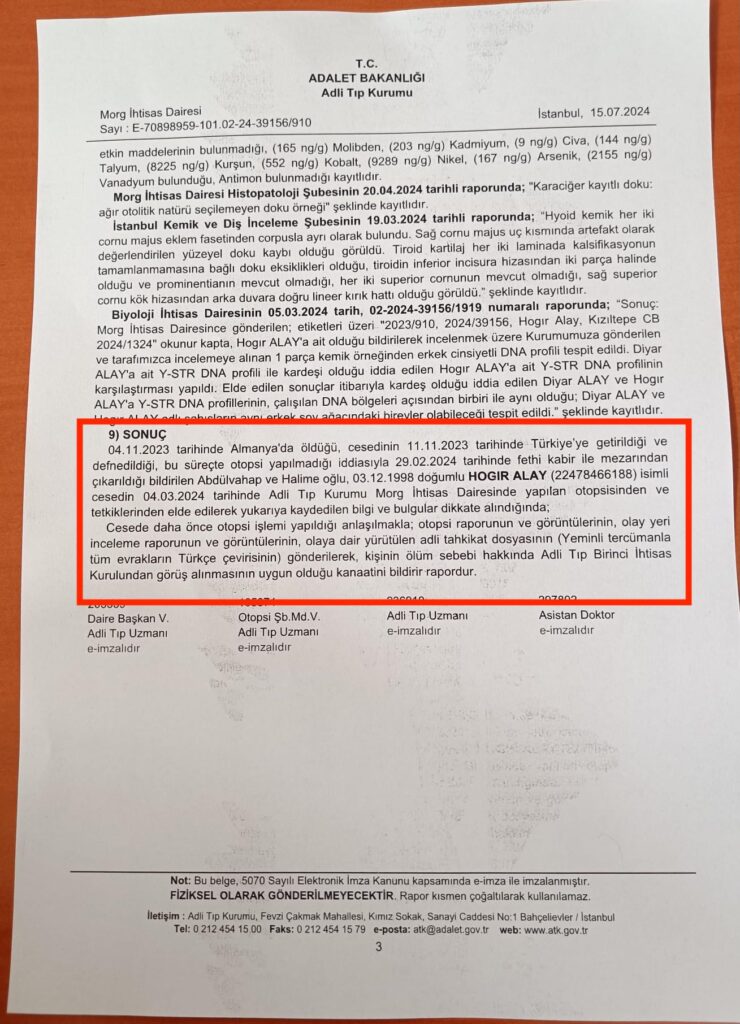
Hogir Alay lost his life on October 11, 2023. His body was found on November 4 by someone else staying at the AfA-Kusel refugee camp where he resided. In other words, Alay’s body emerged 24 days later. As stated in the investigation file, the location where the body was found was the wooded area right behind the gym inside the camp.
On October 11, Alay called his father several times, as well as his brother and his brother’s wife, but could not reach them. After this attempt, which took place around 18:00 on the same day, his family could never reach Hogir’s phone again.
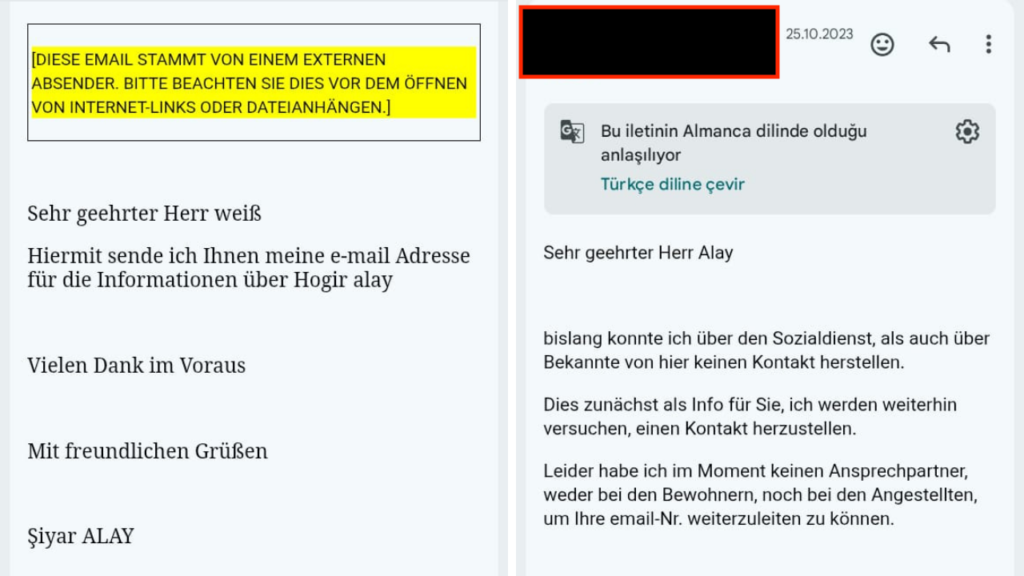
Screen recordings showing Şiyar Alay’s correspondence with authorities via email
According to the family’s claim, during the following days when they could not hear from their child, they wrote an email to the refugee camp where Hogir stayed through their other child, Şiyar Alay, who is a refugee in Austria. In the official email written in response to Şiyar Alay dated October 25, it was explicitly stated that the police could not establish any contact with Hogir and that attempts made through Social Services (Sozialdienst) had been inconclusive.
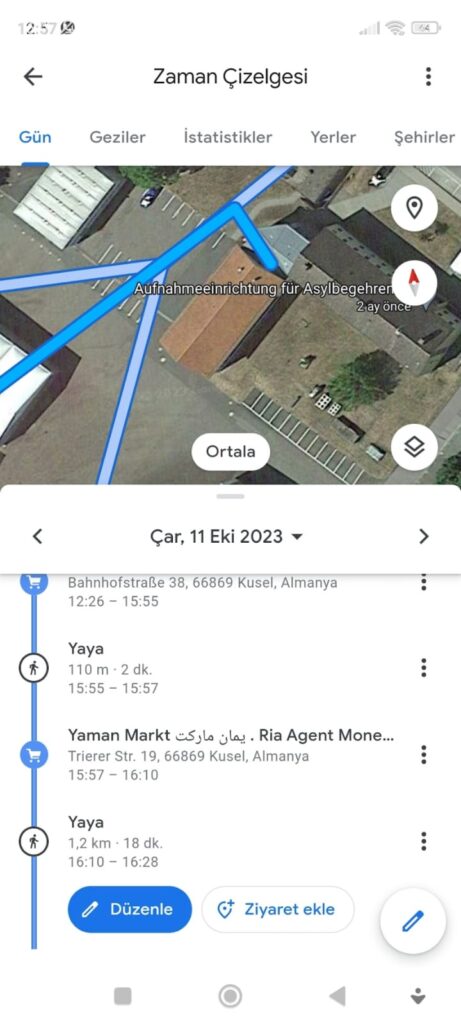
In the file prepared regarding Alay’s death, according to the security guards of the camp, Alay’s last entry-exit record via ID card scan was made on October 11, 2023, at 16:27. It is stated that he entered the facility at that hour. It is noted that on October 17, 2023, he was reported missing because he could not be found in the accommodation facility during patrols.
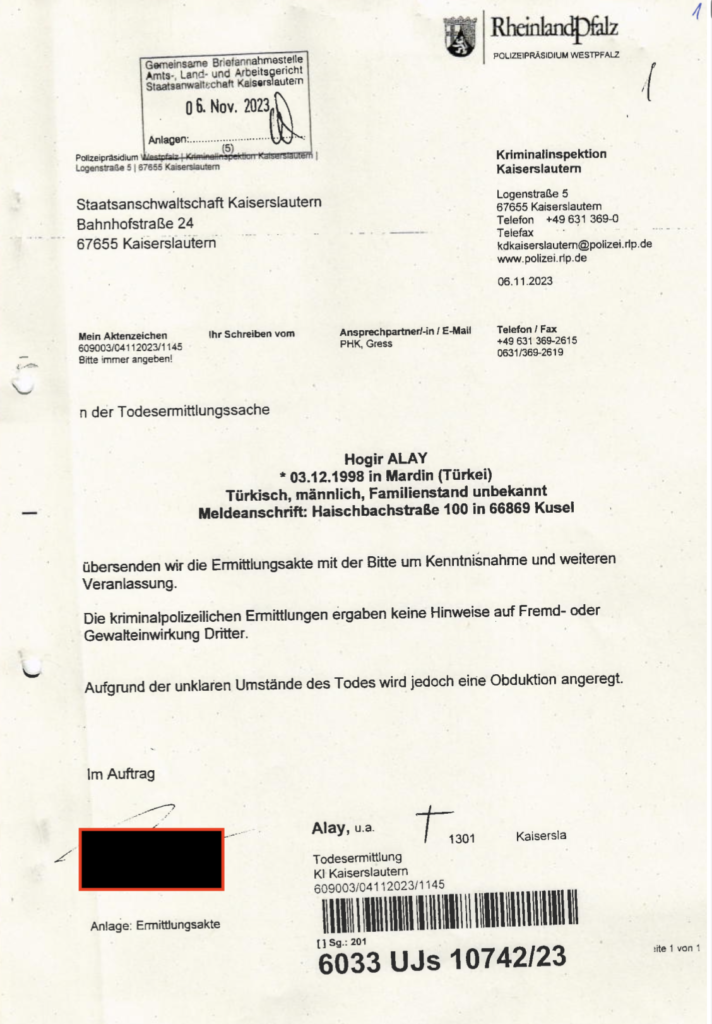
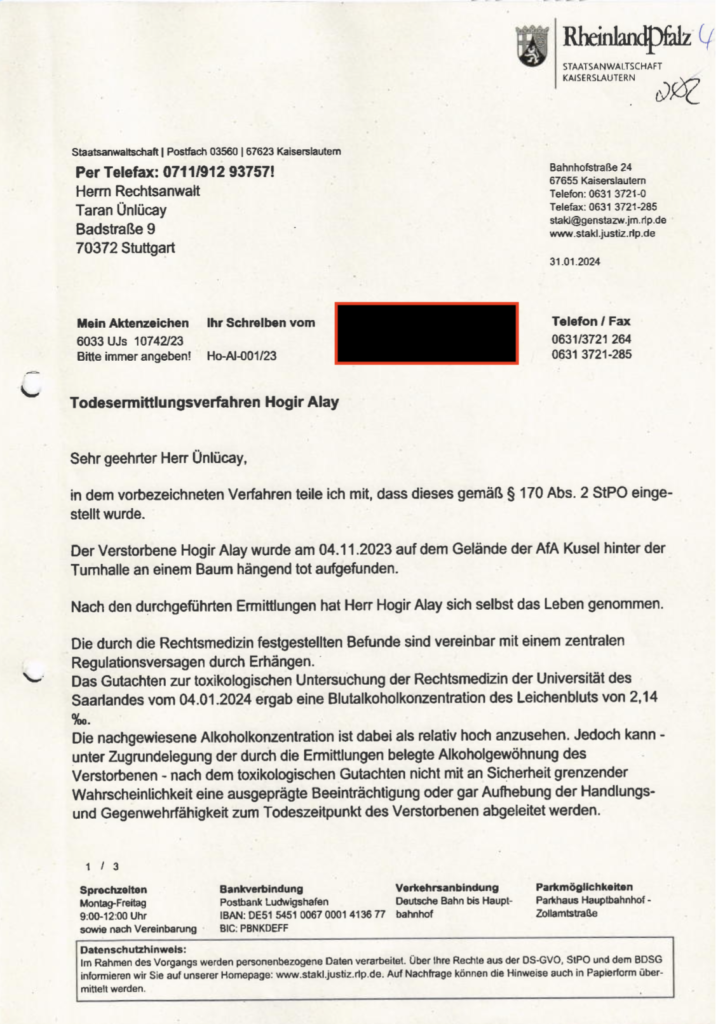
Official Investigation Document of the Kaiserslautern Police Department
Alay’s brother Rêber Alay told Niha+: “On November 4, news came to us from the camp. They saw him and said he had lost his life. They realized it was him because he had an AK-47 tattoo on his chest. He had a tattoo on his chest.” In the investigation and autopsy reports, it is stated that because the body had remained outside for a long time, it had become unrecognizable, his identity could not be determined, and identification was only possible with the tattoo on his chest. The news of Hogir Alay’s death was officially conveyed to Turkey’s Consulate General in Mainz by the police on November 6, 2023, at 11:52.
Hogir Alay before going to Germany as a refugee
Rêber Alay rebels against this situation: “His feet are touching the ground. There are photos. Also, his body is very battered. Decayed. He must have been hanging for 24 days. If he is in the camp and in a visible place, how could this child have been hanging for 24 days? Thousands of people stay in 그 camp. During this time, camp authorities did not ask if this child was missing. They notified the police after it became clear he was dead. Something striking is that they say everyone who died hanged themselves. Don’t people who commit suicide try another method? This is a question mark. They are all diagnosed as dying from heart failure. It was said that Hogir died the same way. It was written that Hogir drank a lot, and there was two per mille alcohol in his blood. It is claimed that Hogir actually fainted before hanging himself, and died not from suffocation but from heart failure.”
Hogir Alay while at the refugee camp in Germany
He went through illegal routes
Hogir Alay went from Mardin to Germany through illegal routes a year and a half before he died, in 2022. According to his family’s account, while Hogir was in Mardin, he participated in protests for Kobanî and was investigated for this. In the face of both this investigation and the difficulties he experienced due to refusing mandatory military service, he decided to go to Germany with his wife. It is claimed that before his death, Hogir repeatedly complained about poor living conditions, discrimination, and violence perpetrated by security personnel and social workers, but these complaints were not forwarded to the relevant authorities.
Investigation document showing Hogir Alay’s official date of death
His brother Rêber Alay confirmed that his brother had problems with camp authorities: “One day, in front of everyone, Hogir says, ‘if I am killed here, either they killed me or I will kill the security guard.’ They couldn’t get along.” In the report prepared by the Hogir Alay Initiative, which was established to continue the search for justice after Hogir Alay’s death, it is stated that Alay complained about constant room changes and psychological pressure during his stay at the camp. It is alleged that security personnel subjected him to systematic harassment and physical attacks.
Last location information taken from Hogir Alay’s phone
Complaints were not forwarded on the grounds of “protecting the institution’s reputation”
The claim that Alay wanted to convey these complaints to the management unit, but the translators at the camp refused to translate these statements on the grounds of “protecting the reputation of the institution,” is included in the file. In the investigation file, criminal records regarding Hogir Alay’s past and turmoils in his private life have been added by the authorities as ‘psychological factors triggering suicide.’ However, according to refugee rights defenders and the family, the personal crises an individual is in do not alleviate the camp management’s responsibility to ‘protect the right to life’; on the contrary, it increases the obligation of supervision and protection toward an individual at risk.
The case is closed quickly in Germany
It is understood from the information reflected in the investigation file that an autopsy of Hogir Alay was performed in Germany. The autopsy was conducted on November 9, 2023, at the Institute of Forensic Medicine at Saarland University in Homburg. Regarding the family’s claims that an autopsy was not performed, the Kaiserslautern Chief Public Prosecutor stated in a 2025 letter that this claim does not reflect the truth, emphasizing that comprehensive autopsy and toxicology reports are available in the file.
Despite this, the family demands an autopsy in Turkey as well: “After he came to Turkey, we didn’t think of anything at first. Then after thinking a bit, we took him out of the ground. We had an autopsy done. According to the autopsy, it is said his front teeth had fallen out. One of his bones was broken, his heart and some of his organs were decomposed, some were missing. It is said the higher board of the Forensic Medicine Institute in Turkey will give the final result. A year and a half later, after the autopsy, Germany sent its own autopsy to the prosecutor here. What do the authorities here say now? We will put Germany’s and our own autopsy side by side. Let’s see what comes out. In the end, they also made their own autopsy reports like the one in Germany. Now they also say Hogir hanged himself,” says Rêber Alay.
From the preliminary autopsy report of the Istanbul Forensic Medicine Institute regarding Hogir Alay
His father Abdülvahap Alay filed a criminal complaint with German institutions through the Kızıltepe Chief Public Prosecutor’s Office. In the complaint, he claims that there was no possibility of their child committing suicide and that he might have been a victim of murder. Despite this application, the Zweibrücken Chief Public Prosecutor’s Office stated that Hogir took his own life, claiming that he did not commit suicide under the influence of someone else, but due to his internal problems. Furthermore, it noted that there was no information or findings regarding the possibility of him being killed by others and closed the investigation it conducted on the grounds that no criminal situation was detected.
In the investigation file in question, it is stated that no direct connection could be established between Alay’s past frictions with security personnel and the death event. The German prosecutor’s office points to the fact that Hogir Alay personally declared in his statement dated August 4, 2023, that he had “made peace with the security personnel” as evidence that conflicts within the camp had no link to the suicide decision. According to the information provided by Rêber Alay, some of his brother’s personal belongings and phone have not yet been delivered to them. The investigation opened in Turkey continues.
Kumak: They will kill me
Gökhan Kumak, like Hogir Alay, committed suicide in the camp where he lived in Germany. Kumak went to Germany through illegal routes in January 2023. He was 34 years old. He was a long-haul truck driver. He used to carry cargo to and from Iran and Iraq. According to his family’s account, he decided to go to Germany saying, “I don’t have a profession, I can’t see a future, let me go to Germany, maybe I’ll get residency and build a good life for myself.” After staying in the first camp where refugees are accepted for the first 8 months, Kumak was sent to a camp called a heim where he would stay permanently. Kumak, who stayed here for 6 months, constantly called his family during this time, claiming that he would be killed. The family states that their child’s psychology deteriorated greatly due to this situation. His brother Eser Kumak told Niha+: “Before he died, he called my father. He says, ‘I’m afraid the German police will bring trouble upon me. They will kill me, they will burn me.’ Something happened to him in the heim, I don’t know that. He suffered a lot in the camp. He said the German police set Afghans upon him.”
Before losing his life, Gökhan calls his father and says that they have ruined his psychology, that it is a very serious matter, and asks them to save him.
Gökhan lost his life on April 2, 2024.
However, his family was informed on April 9: “One day we couldn’t get news. He had a friend. I called him, I told him we couldn’t reach my brother. I said, don’t you see Gökhan? He said, ‘don’t call me,’ he said, ‘I don’t know where Gökhan is.’ There was someone else next to him. He said, his voice came to me, ‘tell them the police came and took Gökhan and Gökhan died.’ The other kid said, ‘don’t involve me, don’t involve me, don’t call me,’ and after day he blocked me. He was an Afghan boy. But he was using a number from Turkey.”
Gökhan Kumak
Eser Kumak stated that official authorities from Germany did not reach them. Gökhan Kumak’s body, like Hogir Alay’s body, was seen hanging from a tree in the forest. It was sent to Turkey on April 14, 2024. In the autopsy performed, it was written that he had a heart attack. However, the family does not believe this finding. Eser Kumak states that due to the heavy situation they experienced, they could not think to request an autopsy in Turkey as well. The family provided the information that no investigation has been opened in Turkey regarding Gökhan Kumak.
Someone from Germany calls the family: Don’t go to the ECHR On April 18, 2026, someone who identified herself as Ute Classen and stated she was a social service official in the city of Bad Wildungen sent voice messages to the family via WhatsApp from Germany. In the voice recording sent in German, the person states that Gökhan had psychological problems, that everyone tried to help him, but he committed suicide nonetheless. The voice recording also says, “I would not recommend you to apply to the European Court, because here in Bad Wildungen, nothing happened to justify this.”
Gökhan Kumak
Pena-Ger: Suicide attempts of refugees are not being recorded
Pena-Ger is a non-profit non-governmental organization providing online counseling services for refugees throughout Germany. Dealing with the files of Gökhan Kumak and Hogir Alay, the organization is preparing to restart the legal process for both files. According to Pena-Ger, a series of death cases occurring among Kurdish refugees in Germany in recent years, which are mostly evaluated as suicides, are known. However, according to the organization, there is no precise statistical record specific to this group, and they argue that this lack of data points to a more fundamental problem: that suicides or suicide attempts among refugees in general are not systematically recorded in Germany.
According to DRK Rheinland-Pfalz, which operates as part of the Red Cross in the German state of Rhineland-Palatinate, a large portion of these cases remain invisible because they are not recognized or documented as a result of structural problems. This invisibility leads political decision-makers to not take the need for adequate psychosocial support for refugees seriously enough, and this situation leads to serious consequences. The organization states that despite this, structural patterns are identified through individual cases and media and civil society reports.
“Problems of Kurdish refugees remain invisible”
Pena-Ger draws attention to another point: neither the German Federal Statistical Office nor the Federal Office for Migration and Refugees makes a distinction based on ethnic origin. Therefore, the specific problems experienced by Kurdish refugees in particular remain statistically invisible. Especially collective accommodation centers, deportation detention, and similar restrictive conditions negatively affect psychological health. Isolation, lack of privacy, and constant fear of deportation deepen existing crises and increase suicidal thoughts. At the same time, the psychological problems of refugees are frequently distorted in the public eye through a security perspective.
Pena-Ger believes the causes of the suicide cases and attempts are structural. In addition to inadequate psychological support, the failure to forward complaints, insufficient protection mechanisms, and staff shortages, it is stated that living conditions within the acceptance system lead to re-traumatization. Long asylum processes, collective housing, lack of privacy, and constant uncertainty deepen existing traumas. The legal situation regarding access to health services is also thought to be a critical factor. It is stated that the Asylbewerberleistungsgesetz (AsylbLG) seriously restricts access to psychotherapy in particular. In the first 36 months, only acute illnesses are treated. This leads to many refugees being unable to access the necessary treatment.
Beybûn Şeker from Pena-Ger states that as an institution, they try to offer active support: “Every day we encounter people who experience suicidal thoughts or live in deep despair without support. In Germany, the mental health of refugees usually comes to the agenda for a short time only after sensational events. Millions of refugees are portrayed as threats by being generalized, but this is not the solution.”
Evaluating the revival of the Gülistan Doku case after six years as a “political reckoning,” lawyer Gülan Çağın Kaleli stated, “The reopening of the file today is not an act of judicial courage, but rather a consequence of the responsibility created by the evidence that has been suppressed for six years.”
Gülistan Doku’s family (Photo: Birgün)
The murder investigation of university student Gülistan Doku, who disappeared in Dêrsim six years ago, has seen significant developments with numerous individuals, including former Tunceli Governor Tuncay Sonel and his son, being detained or arrested. The Doku family remains hopeful following the detention and arrest of new suspects.
Minister of Justice Akın Gürlek, speaking after a Cabinet Meeting on April 20, announced the establishment of a unit for unsolved murders and stated that files would be examined individually. Gürlek noted, “There is naturally an expectation after Gülistan, but that doesn’t mean every file will turn out that way.” He also announced that search efforts for Gülistan Doku’s body are ongoing.
We spoke with lawyer Gülan Çağın Kaleli—a jurist and women’s rights defender—about the reopening of the Gülistan Doku file and its potential impacts. Kaleli also serves as the lawyer for the family of İpek Er, who reportedly committed suicide after being raped by Sergeant Musa Orhan.
Lawyer Çağın Kaleli suggests that the reopening of the Gülistan Doku file could be a “new beginning.” According to Kaleli, “this situation emerged as a result of a political reckoning.” Stating that the subjection of Kurdish women’s bodies to harassment and rape cannot be considered independently of the “special war policies conducted in Kurdistan,” Kaleli recalled similar events from the 1990s. She noted that the male-dominated system views the bodies of Kurdish women as a territory to be “conquered.”
Gülistan Doku disappeared in 2020

Gülistan Doku, a second-year student at Munzur University’s Department of Child Development, disappeared on January 5, 2020, after leaving her dormitory. Her family filed a missing person report with the Provincial Police Department the following day.

Camera footage showed Doku boarding a minibus, but where she got off could not be determined. Following her disappearance, extensive searches were conducted in the Munzur River and the Uzunçayır Dam Lake in Dêrsim, where her phone last emitted a signal. Despite the lake being drained, no trace of Gülistan was found.

The last person Gülistan Doku met, her former boyfriend Zeinal A., was detained in Antalya in 2022, two years after the incident, but was released under judicial control. Another suspect, stepfather of Zeinal A., Engin Y., a police officer, was sentenced to two years and six months in prison for unlawfully obtaining and sharing Gülistan Doku's personal information on social media.

No further progress was made in the investigation over the last six years. According to lawyers examining the file, this was because the incident was treated as a "suicide." In 2024, Chief Public Prosecutor Ebru Cansu, appointed to the Tunceli Chief Public Prosecutor's Office, reopened the file.

According to media reports, earlier this year, a secret witness testified against the governor's son, leading to progress in the investigation. Reports stated the secret witness accused the governor’s son of raping and fatally shooting Gülistan Doku. Following this, simultaneous operations were carried out in seven provinces on April 13, 2026.

Justice Minister Akın Gürlek, who took office in February 2026, stated that the "investigation must be pursued to the end." At the time of Doku's disappearance, Süleyman Soylu held the Ministry seat, followed by Ali Yerlikaya.
Case Summary
Gülistan Doku Investigation: Detention and Arrest List
Homicide and Sexual Assault
Mustafa Türkay Sonel (Son of former Governor Tuncay Sonel) – Arrested
Erdoğan E. (Former Personnel of Provincial Special Administration) – Arrested
Hiding and Destroying Evidence
Tuncay Sonel (Former Tunceli Governor) – Judicial Control / Ministry Investigation
Zeinal A. (Former Boyfriend) – Arrested
Engin Y. (Dismissed Police / Stepfather) – Arrested
Cemile Y. (Mother) – Arrested
Çağdaş Ö. (Former Chief Physician) – Arrested on suspicion of deleting hospital records
Şükrü E. (Governor’s Bodyguard) – Arrested
Celal A. and Nurşen A. (Parents of Umut A.) – Arrested
Judicial Control / Released Under Terms
Savaş G. and Süleyman Ö. (University Technical Staff) – Suspicion of deleting camera records / International travel ban
* Data compiled from operation and court records dated April 13-20, 2026.
Lawyer Kaleli: “For 6 years, all evidence held by the state was suppressed”
The Gülistan Doku murder file has been reopened after six years. It has become a major headline in recent days. How do you interpret the developments of the past few days? What kind of picture do you see considering those detained so far?
I think the process that has been reflected to the public—which the Justice Minister claims to have accelerated today—should be interpreted as follows: All information, documents, and evidence held by the state for 6 years were effectively suppressed. These issues are too precious to be sacrificed to the state’s internal reckonings or conflicts between groups within the state, especially in cases of violence against women. Therefore, I believe the current picture should be characterized not as an act of courage by the Ministry of Justice, but as a fulfillment of responsibility.
Gülan Çağın Kaleli, Photo: Özgür Politika
The matter of hiding, altering, or deleting so much information and evidence over 6 years by mobilizing all state resources once again reveals a ground where there is no legal security, where the state can interfere with the judiciary in every aspect, and where no one feels safe.
“Conflict Between ‘In-Norm’ and ‘Out-of-Norm’ Structures”
What do you mean by political reckoning?
I believe there are power balances within the Ministry of Interior. We are witnessing the definition of “in-norm” (norm içi) and “out-of-norm” (norm dışı) structures within the state quite vividly in this period. On one side, there are structures defending the functionality of the law; on the other, there was—and still is a representation leaning towards tyranny, oppression, and massacre, fostering polarization. We have gone through historical processes where “in-norm” structures played a bigger role depending on the political conjuncture, and periods where “out-of-norm” structures came to the fore.
The era when Süleyman Soylu played his role was a period when these “out-of-norm” structures fully held the state administration. Regarding the current process, I see it as a war between these structures. One side tries to create a “window dressing” by bringing concepts like human rights and justice to the forefront, while the opposition fights for a genuine ground for rights. These “out-of-norm” structures are not independent of the state; they are intrinsic to it.
It is known that the so-called “political will” must act in such cases. From this perspective, do you observe that these perpetrators could be the ones to truly shed light on the case?
We have seen many files where only the “visible face” of the curtain was touched while those with higher responsibility were not detained. The detention of high-ranking officials like the governor, deputy governors, and police officers under his command is a result of responsibility. This is positive. However, it doesn’t end with arrests. There is a risk that during these 6 years, critical information was destroyed. It is too early to comment on whether a fair trial will be conducted. At present, I can say at least part of that chain of responsibility is visible, as this appears to be a systematic and organized crime within the state. We must not “heroize” those simply doing their duty. The subject of this file is Gülistan: Her experiences, the violence, and the rape she was subjected to.
Do you expect or see signs that previous Ministers of Justice or Interior might be included in this chain of responsibility? Süleyman Soylu’s name is frequently mentioned.
During Süleyman Soylu’s term as Interior Minister, very hostile policies were produced against groups outside the hegemony, and he voiced these himself. His term left a serious wreckage, from raining instructions on every level of the judiciary to the police. However, the issue is not just Soylu as an individual, but the mentality he represents. Historically, the state has never touched those it assigned a specific mission until that mission was complete. Soylu did not act solely on his own thoughts; his role was shaped by forces within the state. Today, that role is finished. Now, a different path is being tried, and a “state reality” is attempting to polish itself through these cases. If we are to judge based on justice and equity, we saw what happened when these individuals held power previously. I personally doubt these figures will truly be affected.
You were also the lawyer for the family of İpek Er. The women’s movement and jurists evaluate such crimes in the Kurdish region as crimes committed by state officials, described as “perpertrators in uniform.” Do you evaluate the Gülistan Doku murder within this scope?
We certainly can. Following the curfews, the state deepened the wreckage using “special war policies.” These were not just against the body, but against the mind and emotions. The harassment and rape of many Kurdish women by police, soldiers, governors, or their relatives—as seen in the Gülistan Doku example—is not independent of these policies. The examples of Gülistan Doku and İpek Er are very similar. In a society that has been made precarious and impoverished, a process began where the state offered its own system as the only means of existence. It is important to highlight that women were emotionally manipulated by these perpetrators with promises of marriage before being subjected to sexual violence or forced into drug use and prostitution.
Gülistan Doku
“The law was weaponized”
The judiciary was also made a “useful apparatus” for these perpetrators. Law, which failed to mobilize to uncover the truth, was used to protect perpetrators through “good conduct” discounts or symbolic arrests to cool down public reaction. For example, after Musa Orhan raped İpek Er, no action was taken until İpek’s suicide attempt. Then, a symbolic one-week arrest was made only to decrease public reaction. Musa Orhan was sentenced to 10 years, and the case is still at the Court of Cassation. He is still being tried without arrest. Buoyed by such decisions, others in state positions feel emboldened. This is a form of psychological war.
“There is a horrific trend called ‘conquest’ targeting single women”
In the intense war environment of the 1990s, such situations were witnessed in the Kurdish region. What is the connection between the 2000s and the 1990s?
In the ’90s, there were many applications regarding sexual assault in custody, but fair trials did not occur. It was used as a war tactic that forced everyone into silence. Today, we are in a period where we have the advantage of being organized. One can express their experience to institutions, the press, or lawyers’ organizations. Historically—from the Armenian Genocide to the Dersim Massacre—the female body has been treated as a battlefield. In the ’90s, women were raped during village raids. Today, the same “rape culture” continues through emotional manipulation.
Within the gendarmerie and police in the Kurdistan region, there is a horrific orientation we call “conquest” toward single women—an attempt to “possess.” They signaled this during the curfews through graffiti or videos targeting the female body. Now, they have put this into practice in the field.
You made a connection between the female body and “conquest.” What do you mean by this?
The Kurdish movement has proven itself under women’s leadership. Therefore, an attack on Kurdish women is an attack on the Kurdish people. There is a male-dominated mindset at play; while the woman is seen as “honor” (namus), there is also a woman seeking freedom. The attempt to “possess” the body of the woman seeking freedom is a multi-layered attack on a land, a people, and a culture.
University students protesting for Gülistan Doku
“These are the results of the women’s struggle”
The Narin Güran case also returned to the public agenda. Considering the “political reckoning” you mentioned, is there a possibility that other “dark” files, such as Rojin Kabaiş or Gülistan Doku’s close friend Rojwelat Kızmaz, might resurface?
It is certainly possible. The Justice Minister called this a beginning and made a promise. However, this hope stems not just from ministers’ words, but from a powerful women’s struggle that has refused to give up for years. Women are the primary motor force here. The Gülistan Doku file is a beginning; these are domino tiles. If genuine courage is shown to touch the primary responsible parties, it could impact other files. But I believe this courage is drawn from lawyers and women’s organizations rather than state officials.
In 1991, the ban on the Kurdish language was partially lifted, and from that point on, Istanbul particularly the Mesopotamia Cultural Center in Beyoğlu became a hub for a new wave of music production aimed at urban Kurdish youth.
“Koma Amed’in Kulîlka Azadî albüm kaseti”
The 1990s marked a period of transformation for Kurdish music in Türkiye. With the partial lifting of the ban on the Kurdish language in 1991, Istanbul became the center of Kurdish cultural production. Numerous groups, operating both within the Mesopotamia Cultural Center (NÇM/MKM) and independently, reinterpreted traditional Kurdish folk music with contemporary arrangements. During the same period, diaspora communities in Europe were developing a completely different musical political approach through groups like Koma Berxwedan.
The ban on the Kurdish language in Türkiye was expanded in both public and private spheres following the 1980 military coup. In 1991, the ban was partially relaxed. From that point on, the Mesopotamia Cultural Center (Navenda Çanda Mezopotamya, NÇM) in Istanbul, particularly in Beyoğlu, became a focal point for new music production aimed at urban Kurdish youth. Meanwhile, in Europe, especially in Germany, Belgium, and the Netherlands, established diaspora communities continued the circulation of Kurdish music through cassettes smuggled into Türkiye.
Timeline — Kurdish music groups of the 1990s
On mobile, the timeline can be scrolled horizontally.
Groups with roots spanning the 1980s into the 1990s
Koma Berxwedan
One of the most important groups in the history of Kurdish music. It was founded in Germany in 1983 under the umbrella of Hunerkom, a Kurdish cultural and artists’ organization; this structure was renamed the Kurdish Academy of Culture and Arts in 1994. The group had a constantly changing membership structure, making it an “open group”.
The group, which spread to Kurdish cultural centers in France, Germany, and the Netherlands, carried out the most comprehensive research and preservation work on traditional Kurdish folk music. Albums released in the 1990s were smuggled into Türkiye and reached a wide audience through cassettes smuggled across the border. The group, which disbanded in 2019, recently announced that it will resume its work.
Founded: 1983, Germany Selected albums: Dîlan (1985), Botan (1987), Newroz (1989), Amed (1991) Area of activity: Germany, France, Netherlands; banned in Turkey Notable songs: Lê Amedê, Oy Kurdistan, Herne Pêş, Newroz
Koma Dengê Azadî
Founded in Istanbul in 1990 and led by Hakan Ener, this group became one of the most popular and long-lasting Kurdish music ensembles of the 1990s. They created a unique sound appealing to urban Kurdish youth: a style entirely new for the time, blending traditional folk music with funk, funk-jazz, and rock’n’roll. They combined Eastern instruments such as the bağlama, duduk, and mey with guitar and trumpet.
The group, which included a Kurdish translation of “Bella Ciao” in its repertoire, had all four of its albums banned by the state for a period. Despite the bans, hundreds of thousands of copies were sold. They continued their extensive concert activity in Germany, Belgium, the Netherlands, and the United Kingdom.
Songs like “Selîmo”, “Hat karwanê Helebê”, “Lo şivano”, and “Roj roja me ye” have achieved cultural icon status and have been covered countless times to this day. Recently, the song “Çavên me sondxwarîne” has become very popular.
Founded: 1990, Istanbul Albums: Hêvî (1991), Em Azadîxwaz in (1993), Welatê min / Roj wê bê (1995), Fedî (1998) Musical style: Jazz-funk, rock’n’roll, folk Label: Ses Plak
Groups associated with the Mesopotamia Cultural Centre
On MKM / NÇM
Navenda Çanda Mezopotamya (NÇM) was founded in Beyoğlu, Istanbul in 1991, following the easing of the ban on the Kurdish language. Becoming a center for Kurdish cultural production, it housed numerous music groups. Most of these groups worked with the same studio, sound engineer, arranger, and recording musicians; this collaboration gave the sound of the era a distinct unity.
Map — musical centres and cassette circulation
Borders are schematic and do not represent political boundaries.
Koma Amed
It was founded in 1988 in Ankara by medical students. Among the founders, Evdilmelik Şêxbekir (Melek), a Kurd from Rojava studying at Hacettepe University, stood out. During its establishment, they faced significant difficulties finding a studio that played Kurdish music. In 1993, they moved to Istanbul and began working with NÇM.
The group, applying a folk-jazz synthesis with an experimental approach, broke away from the conventions of traditional Kurdish music. Their first album included “Çav Bella,” a Kurdish adaptation of “Bella Ciao.” This transformation was orchestrated by Şêxbekir. The Dergûş album sold over 400,000 copies; the then Minister of Foreign Affairs, İsmail Cem, presented this album as a gift to his EU counterparts, arguing that “Kurdish is not banned.”
Founded: 1988, Ankara Albums: Kulîlka Azadî (1990), Agir û Mirov, Dergûş (1997) Musical style: Folk-jazz, experimental folk Label: Ses Plak
After Koma Amed: Çar Newa
Following the dissolution of Koma Amed, four members of the group came together to form Çar Newa. The number “çar” (four) in its name directly refers to this founding story. It was active in the late 1990s and early 2000s.
Koma Amed, a group that sought to build its own sound upon the folk-jazz heritage of the past, continued the musical language of its predecessor.
Founded: Late 1990s, Istanbul Origin: Continuation of Koma Amed — four former members Period: Late 1990s – early 2000s
Koma Rewşen
Recognised as the first Kurdish-language rock group in Turkey. Operating under the NÇM, the group occupies a distinctive place in the Kurdish music landscape of the period by virtue of this pioneering role. Koma Rewşen combined a rock formation with Kurdish lyrics and traditional motifs, becoming known through live performances in student circles and at NÇM events.
Significance: First Kurdish-language rock group in Turkey Affiliation: NÇM, Istanbul Period: Early to mid-1990s
Koma Asmîn
A music group composed entirely of women. This characteristic gives it a singular place in the Kurdish music landscape of the period, carrying distinct symbolic weight in terms of both gender and cultural identity. Active at the same time as NÇM-affiliated groups, Koma Asmîn contributed to the visibility of Kurdish women’s voices in public life.
Composition: Women members only Affiliation: NÇM circle, Turkey Period: 1990s
Agirê Jiyan
One of the prominent groups of the 1990s, developing a distinctive approach in an effort to bring Kurdish music onto a modern and popular footing. It operated in connection with the NÇM, sharing the same studio infrastructure and technical team as the other groups of the period. Known particularly for its dance rhythms and arrangements, it is frequently cited alongside Koma Çiya, Koma Azad and Koma Amed in academic sources.
Selected album: Adarê (1995) Musical style: Modern Kurdish folk, dance Period: Early to late 1990s
Koma Çiya
One of the groups operating within the NÇM. Consistently present across the recordings of Kurdish music production of the period, Koma Çiya is grouped with other ensembles sharing similar political themes and sonic approaches. It is best known for the album Dîlana Bêsînor, released in 1998 on the Kom Müzik label.
Selected album: Dîlana Bêsînor (1998, Kom Müzik) Affiliation: NÇM, Istanbul
Koma Rojhilat
The group took on a musical identity shaped by its reference to Iranian Kurdistan (Rojhilat), as the name indicates. One of the principal groups of the NÇM, it produced work in Istanbul throughout the 1990s. Its recorded centrepiece is the album Mezrabotanim Ez, released in 1997 on the Kom Müzik label.
Selected album: Mezrabotanim Ez (1997, Kom Müzik) Affiliation: NÇM, Istanbul
Koma Azad
It is one of the groups documented to be active both in Türkiye and in the diaspora. It is the most widely known among the Kurdish groups bearing the name “Freedom”. In terms of musical style, its name is mentioned alongside Koma Azadî and Koma Dengê Kawa.
It was active during the same period as groups affiliated with NÇM. It shared a common aesthetic in terms of political themes and the reinterpretation of folk music.
Other groups of the period
Vengê Sodirî
A group occupying a singular position in the Kurdish music landscape of the period: it produced music exclusively in Zazaki and worked with an experimental approach. Taken together, these two characteristics place it in a rare position among the groups of the era.
Language: Zazaki (distinct from other groups active in Turkey) Musical approach: Experimental Period: 1990s
Gulên Mezrabotan
One of the most unusual formations in the Kurdish music landscape of the period: all of the group’s members were children. It took on a symbolic role in the transmission of Kurdish cultural identity to younger generations. Its direct incorporation of children into Kurdish music production stands as a singular undertaking within the era.
Composition: All members children Affiliation: Turkey Period: 1990s
Koma Gulên Xerzan
Taking its name from the Xerzan region of Batman, the group combined folkloric roots and political lyrics in Kurdish music of the 90s. Their music, which spread through cassette culture, carried themes of identity, exile, and resistance. They became synonymous with names like Rojda and Çiya.
A pioneering group from the Soviet sphere
Koma Wetan
Although its historical significance extends back well before the 1990s, this group, founded in Soviet Tbilisi in 1973, holds the distinction of being the world’s first Kurdish-language rock ensemble. Its lineup consisted of three Yazidi Kurds and one Armenian; the lead performer, Kerem Gerdenzerî, was born in Tbilisi, though his family was originally from Kars and Van. With state support from the Soviet authorities, the group was granted the status of a “vocal-instrumental ensemble” and featured on state television and at festivals.
It recorded demos in 1979; its sole album, Bayê Payizê (Autumn Winds), was not released until 1989. Combining Kurdish poetry with classic rock, psychedelic textures and the works of the region’s Kurdish bards, the record attracted considerable interest among Kurdish musicians in Turkey during the 1990s and was acknowledged by a number of groups as a source and point of reference.
Founded: 1973, Tbilisi (USSR) Album: Bayê Payizê (1989) Musical style: Kurdish poetry + rock, psychedelic Significance: World’s first Kurdish-language rock group.
*The map and timeline were generated using the AI tool Claude.
Nearly 40 years ago, in an era where “Kurdish börek” was being rebranded as “Küt börek,” a lawsuit was filed against a baker named Yusuf in İzmit simply because he wrote “Kurdish börek” on his shop sign.
Photo: Ferid Demirel
In Frankfurt, at the intersection of Battonstrasse and Langestrasse, sits a modest establishment: Dağlayan Börekçilik. It is run by Yusuf Dağlayan, a man from Bingöl. His life offers a striking window into the ongoing debates regarding Kurds in Turkey—and even into a matter as seemingly simple as the name of a pastry.
One morning in Frankfurt, while searching for an open breakfast spot, I noticed a place with “Börekçilik” written on its sign right at the junction of two streets. I stepped inside. It was still early; the shop was empty.
Behind the counter stood a middle-aged man—balding, with a slight belly—who greeted me in German. After a brief exchange, he mentioned he was from Bingöl. I ordered a börek and sat down. Once he finished his work behind the counter, the owner came over and sat across from me.
After the usual introductions, I brought up a debate that had recently resurfaced in Turkey: I asked what he thought about the attempts to rename “Kurdish börek” as “Küt börek.”
Yusuf immediately began telling a story from his past:
“I am Yusuf Dağlayan,” he said. “I am from the hamlet of Bağkıyan, in the village of Bilece, between Kiğı and Pülümür. You can’t just call it Bingöl. Kiğı used to belong to Dersim; it was only attached to Bingöl after 1948. Pülümür and Dersim are closer to us anyway. I was detained in 1982. Tortured. This was the September 12 period. Both my father and I. Back then, it was the left-right conflict; it was before the PKK. My older brother was a student, but he fled abroad. The state put pressure on us and took us in. Because of this, at the end of 1984, I had to move to İzmit.”
Unable to find steady work, he took matters into his own hands:
“I started selling börek from a mobile cart in front of the SEKA paper factory. We had no money. Just börek. So we made Kurdish börek. On the first day, they beat me. ‘You can’t stay here, you can’t sell here,’ they said. The next day, a massive fight broke out, but eventually, we took control of that spot.”
According to Yusuf, the factory provided a constant flow of people ten thousand entering and ten thousand exiting:
“Then we expanded the business. We opened a shop. We had five mobile carts and our own production facility.”
As we spoke, an acquaintance of his entered. After exchanging greetings, he sat with us, and Yusuf continued:
“In İzmit, they used to call me ‘Kurdish Yusuf.’ This was around 1987. After I opened the shop, I received a court summons one day. I went to court. The judge asked: ‘Why did you write Kurdish börek on your sign and your menu?”
Photo: Ferid Demirel
“I said: There is a man named Mehmet from our village who went to Istanbul. Among us Kurdish Alevis, we make “perğe” every New Year for Hızır. It is an oily bread that we share with people. Muslims sacrifice animals; we do this. The judge told me, ‘You are being divisive.’”
Yusuf smiled.
“I said: There is Laz börek, Circassian, Bosnian… why shouldn’t there be Kurdish börek?”
From there, Yusuf moved into another story one he also told in court about “Kurdish Mehmet the Porter,” a figure who has since become part of the pastry’s folklore:
“Mehmet was Kurdish. He was poor. He went to Istanbul, to Kasımpaşa, by ship. He worked as a porter. He had made perğe at home and took it with him to eat near the Galata Bridge. People saw what he was eating. They liked it. They gave him money and bought the kilor (rings) from him. He ended up going hungry that day but realized he had made good money.”
So, he began making more.
“He started selling them. A hundred, two hundred a day. He saw he was earning more than he did from portering. He rented a shop in Karaköy from someone from Trabzon. That shop is still there. He built a bakery. That oven is still running. He passed away long ago. His name was Kurdish Mehmet. People called him Rengo. This was 250 years ago.”
After Yusuf told this story and made his defense, the judge took a ten-minute recess. When the session resumed, he simply said, “You may go.” The case was dropped.
However, months later, another summons arrived. “This time it was a different judge,” Yusuf said. “He said: ‘You are spreading separatism. Your cart has yellow, red, and green colors; these are separatist colors. This is PKK propaganda.’”
“I said: If these colors are separatist, then from Thrace to Kars, from Trabzon to Antalya and Izmir… is the state separatist too? The judge frowned. ‘How so?’ he asked. I told him: I see traffic lights everywhere. Those colors are beautiful. That is why I used them on my shop. If I am a separatist, then the state is a separatist too.”
The judge paused and then said: “You may go.” The file was closed.
Yusuf continued working in İzmit until 1993. Eventually, as political cases persisted and an arrest warrant was issued, he became a fugitive. He lived underground
A quantitative analysis of international media coverage of Iranian Kurds between February 28 and March 22, 2026, reveals a pattern that speaks less to increased visibility and more to the nature of that visibility: Kurds were covered more — but largely through the voices of others.
Foto: Rudaw
Following the February 28 launch of US-Israeli strikes on Iran, Kurdish political actors entered the international media agenda. The period was further amplified when, on March 5, President Donald Trump told Axios: “If the Kurds want to attack Iran, I think that’s wonderful. I’m totally in favor of it.” That statement turned global attention toward Iranian Kurdish organizations.
Yet Kurdish groups had already reached an agreement among themselves weeks earlier. The Coalition of Political Forces of Iranian Kurdistan — bringing together PJAK, IKDP, PAK, Komala and Xebat — was formed on February 22, thirteen days before Trump’s remarks. The coalition’s founding drew almost no attention from international mainstream media until Trump spoke. In March, the Komala Party joined, bringing the number of member organizations to six.
Once Trump’s statement focused international attention on the Kurds, coverage surged. Of more than fifty records analyzed, approximately seventy percent were published between March 1 and 8 — the first eight days of the war. Between March 9 and 22, independent Kurdish-focused coverage fell to single digits, with Foreign Policy’s March 17 analysis standing as a near-solitary exception.
The peak came between March 3 and 7. On March 3, CNN was the first to report — citing multiple anonymous sources — that the CIA was working to arm Kurdish forces. That same day, the Wall Street Journal noted that Trump was open to supporting armed militias, with Kurdish forces along the Iran-Iraq border described as holding significant military capacity. Reuters reported, citing three sources, that Iranian Kurdish militias were in discussions with the US about how and where to strike Iranian security forces. On March 5, Bloomberg reported that Israel was working to open the way for Kurdish forces to take positions in northwest Iran, citing a senior Israeli military official. Al Jazeera published a detailed explainer: “Which Kurdish groups is the US rallying to fight Iran?” On March 7, Chatham House published its analysis: “Kurdish groups in Iran face a risky dilemma amid an unclear US endgame.” The Kurdish-focused content published across those five days exceeded the combined total of the two preceding weeks and the two that followed.
Daily news intensity — Iranian Kurds
Feb 28 – Mar 22, 2026 · Estimated distribution based on dataset
Feb 28Mar 8Mar 15Mar 22
High (3+ reports)
Medium (1–2 reports)
Sparse / none
Then, on March 7–8, Trump reversed course. Asked about the possibility of Kurds establishing a new autonomous region in Iran and whether they would join the war, he said: “We’re very friendly with the Kurds, but we don’t want to make the war any more complex than it already is. I’ve decided I don’t want the Kurds going in.”
The conditions Kurdish groups themselves had put forward were central to this outcome. According to Axios, one Kurdish opposition official stated: “We cannot move until the skies above us are clear” — a demand for an arrangement comparable to the no-fly zone that enabled Kurdish autonomy in Iraq after 1991. CNN reported that Kurdish groups also sought political guarantees from the Trump administration before committing to action. Komala Secretary-General Abdullah Mohtadi summarized these conditions to Die Zeit: “We will not send our forces to the slaughterhouse.”
On March 4, Kurdish groups issued a joint denial directly contradicting media reports of a ground offensive. PAK stated: “Claims that our forces have crossed into Rojhilat are baseless. We categorically deny these reports — no such movement took place.” PJAK, PDKI and Komala issued similar statements the same day. The coalition’s first joint communiqué, released on March 2, was not a declaration of military action but a political appeal to Iranian armed forces in Kurdish regions: “Separate yourselves from the remnants of the Islamic Republic.” PDKI President Hijri had stated on March 1: “We will continue our struggle until free and democratic elections are held.” The Kurdistan Regional Government’s Interior Ministry also announced that its territory would not be used as a base for operations against neighboring countries. Trump’s reversal on March 7–8 confirmed that the conditions Kurdish groups had set would not be met.
Independence referendum and Rojava: a comparative frame
Two earlier turning points offer context for understanding Kurdish visibility in international media.
Three periods compared
How Kurds appeared in international media — 2017, January 2026, February–March 2026
Criterion
2017 Referendum
Jan 2026 Rojava
Feb–Mar 2026
Visibility level
High
Low
Very high
Trigger
Kurdish political demand
Kurdish civilian tragedy
Inclusion in great-power plans
Dominant frame
Great-power opposition
Humanitarian crisis
Strategic instrument
Subject position
Political actor (shadowed)
Victim
Object / instrument
Kurdish voice weight
Limited
Very limited
Limited but increased
Civilian dimension
Partly present
Relatively present
Almost absent
2017Political actor — but in the shadow of international opposition
Jan 2026Humanitarian crisis — but with limited attention
Feb–Mar 2026Strategic instrument — and with great intensity
In 2017, the Kurdistan independence referendum drew extensive international coverage — but structured around the near-unanimous opposition of major powers (the US, Russia, the UK, Turkey, Iran) rather than around Kurdish political demands. An academic study published in the British Journal of Middle Eastern Studies documented that in Egyptian online media, the referendum was framed as “a Zionist plan directed by the US and Israel to redraw the region.” That framing was the dominant pattern across regional Arab media in 2017. By 2026, the dynamic had inverted: Israeli support was no longer presented as a threat but as an operational reality — yet Kurds remained objects of great-power planning rather than subjects of their own story.
In January 2026, the Syrian Transitional Government’s attacks on Kurdish neighborhoods in Aleppo — dozens killed, hospitals struck, tens of thousands displaced — drew comparatively limited international coverage. The gap in intensity and framing between that period and February–March 2026 is stark. What it reveals is a pattern: international media interest is triggered not by violence against Kurds, but by Kurdish inclusion in great-power plans.
The comparative picture across three periods: In 2017, Kurds were covered as political actors — but in the shadow of international opposition. In January 2026, as a humanitarian crisis — but with limited attention. In February–March 2026, as a strategic instrument — and with great intensity. Visibility and subject position took different forms in each period.
Coverage by outlet
US media formed the dominant block. CNN produced at least seven separate Kurdish-focused pieces, five of them concentrated between March 3 and 5. Axios published four reports. Reuters and AP each produced one critical exclusive. US media’s Kurdish coverage intensity outpaced the combined output of all other countries.
Israeli media — Haaretz, Times of Israel, Channel 12, i24NEWS, Ynet — formed the second largest block in both volume and substance, though with a markedly different editorial frame.
Coverage by outlet
Estimated Kurdish-focused report count and dominant editorial frame · Feb 28 – Mar 22, 2026
FT, Economist, Guardian, Le Monde, NHK, Dawn, SCMP, etc.
—
No access
In European media, BBC Persian’s Jiyar Gol interview with PJAK leadership — conducted inside tunnels near the border — and BBC World Service’s interview with a PAK fighter were the standout pieces. Die Zeit published an interview with Komala Secretary-General Abdullah Mohtadi; the piece’s reach came largely through citations in Chatham House and Al Arabiya. InsideOver conducted the most direct leader interview on the European continent, speaking with PDKI President Hijri on March 8.
Arabic-language media in this analysis was represented only by Al Jazeera English and Al Arabiya English. The Arabic-language services of both outlets, along with Asharq Al-Awsat, Al-Quds Al-Arabi, Al-Araby Al-Jadeed, BBC Arabic, Sky News Arabia, and Gulf media, fell outside the scope of this study.
Who spoke, who was silenced
When all records in the dataset are coded by source type, approximately fifty percent relied on anonymous US or Israeli officials. CNN’s March 3 report cited “multiple people familiar with the plan”; Axios’s March 5 piece cited two separate US-Israeli officials; Reuters’s March 6 exclusive cited three anonymous sources.
Direct interviews with Kurdish leaders totaled nine over 22 days: Abdullah Mohtadi (CNN, IranWire, Die Zeit, Al Arabiya, Atlantico, Newsweek), PJAK Co-Chair Amir Karimi (CNN, Axios, AFP, Al Arabiya), PJAK Co-Chair Peyman Viyan (Channel 12), Khabat Secretary-General Babasheikh Hosseini (Al Jazeera), IKDP official Muhammed Azizi (Fox News), Komala Central Committee member Koosar Fattahi (CBS), PDKI President Mustafa Hijri (InsideOver, CSM). The distribution is telling: Mohtadi received the most direct coverage, while PJAK generated the most reporting — yet PJAK was most often reported through anonymous sources or US officials rather than its own leadership.
Iranian state media’s terminology passed into mainstream international coverage with almost no critical framing: “separatist terrorist forces.” In Al Jazeera’s March 5 report, Press TV’s characterization — “anti-Iran separatist forces” — and the IRGC statement carried by IRNA were presented side by side, directly and without contextual challenge.
Source breakdown: who spoke in the coverage?
Estimated distribution across all records · Feb 28 – Mar 22, 2026
Anonymous US/Israeli official50%
Kurdish leader written statement25%
Direct Kurdish leader interview15%
Iranian state/official sources10%
Thematic focus
Five themes emerge from the dataset.
The US-Israel-Kurdish strategic relationship was the dominant theme, accounting for approximately forty percent of all records. This framing positioned Kurds as objects of the story: coverage focused not on what they were doing, but on what great powers intended to do with them.
Military capacity and ground offensive speculation formed the second major theme — fighter numbers, arms levels, border crossing preparations. The retracted March 4 ground offensive story was this theme’s most concrete and most problematic example.
Historical betrayal and distrust was the third theme, structuring Haaretz’s March 7 analysis, the Chatham House report, the Atlantic Council assessment and France 24’s “pawn” piece.
The predicament of Iraqi Kurds was the fourth theme — the tension between the KRG’s declared neutrality and Iran’s actual strikes.
Kurdish civilian experience and human rights was the most conspicuous absence. Hengaw’s warnings about civilian casualties, strikes in Kurdish cities, women’s organizing — the presence of HPJ received a line or two. HPJ Commander Roken Nereda had not spoken on record to any international outlet before AFP’s March 8 field report.
Disinformation: one story, five outlets
March 4 disinformation chain
The origin, spread and retraction of the “ground offensive launched” story
1
Initial claim
i24NEWS reported — without footage, citing an unnamed CPFIK official — that PJAK fighters were taking positions in the mountains south of Marivan.
i24NEWS · March 4, 2026
2
Rapid amplification
Axios and Fox News ran the same story almost simultaneously. Jerusalem Post also reported similar claims citing an unnamed source.
Axios · Fox News · Jerusalem Post · March 4, 2026
3
Contradictory confirmation
Channel 12 correspondent Barak Ravid first confirmed the report citing a US official, then walked it back the same day: “There are conflicting reports.”
Channel 12 / Barak Ravid · March 4, 2026
4
Joint denial
PAK, PJAK, PDKI and Komala issued a joint denial the same day. KRG official Aziz Ahmed stated: “Not a single Iraqi Kurd has crossed the border.”
PAK · PJAK · PDKI · Komala · KRG · March 4, 2026
5
Retraction
Axios and Fox News removed the stories. The retraction did not reach the speed or scale of the original report.
Axios · Fox News · March 4–5, 2026
Five outlets published or amplified the same unverified claim. Reliance on anonymous sources, the absence of direct verification from Kurdish political actors, and the lack of real-time fact-checking mechanisms were the structural causes of this chain.
March 4 stands as this period’s best-documented media failure. i24NEWS reported — without footage and citing an unnamed CPFIK official — that PJAK fighters were taking positions in the mountains south of Marivan. Axios and Fox News ran the same story almost simultaneously. Channel 12 correspondent Barak Ravid first confirmed it citing a US official, then walked it back the same day: “There are conflicting reports.” All Kurdish parties denied it. Five outlets published or amplified the same unverified claim; the retraction did not reach the speed or scale of the original.
Notes

This study was compiled and organized using data gathered by the Claude AI model.

The analysis focused on English-language content and English-language media outlets. This methodological limitation creates several important gaps.

Non-English-language media fell outside the scope of the study. How outlets such as Le Monde, Libération, Le Figaro, Corriere della Sera, El País, NHK, Dawn, South China Morning Post and The Hindu covered — or did not cover — Kurds during this period was not examined.

Arabic-language media was represented in this study only through Al Jazeera English and Al Arabiya English. The Arabic-language services of both outlets, along with Asharq Al-Awsat, Al-Quds Al-Arabi, Al-Araby Al-Jadeed, BBC Arabic, Sky News Arabia and Gulf media, fell outside the scope of this study.

English-language outlets behind paywalls — the Financial Times, The Economist, and certain Haaretz content — could not be fully accessed. For these outlets, the accurate description is "could not be reached," not "did not publish."