
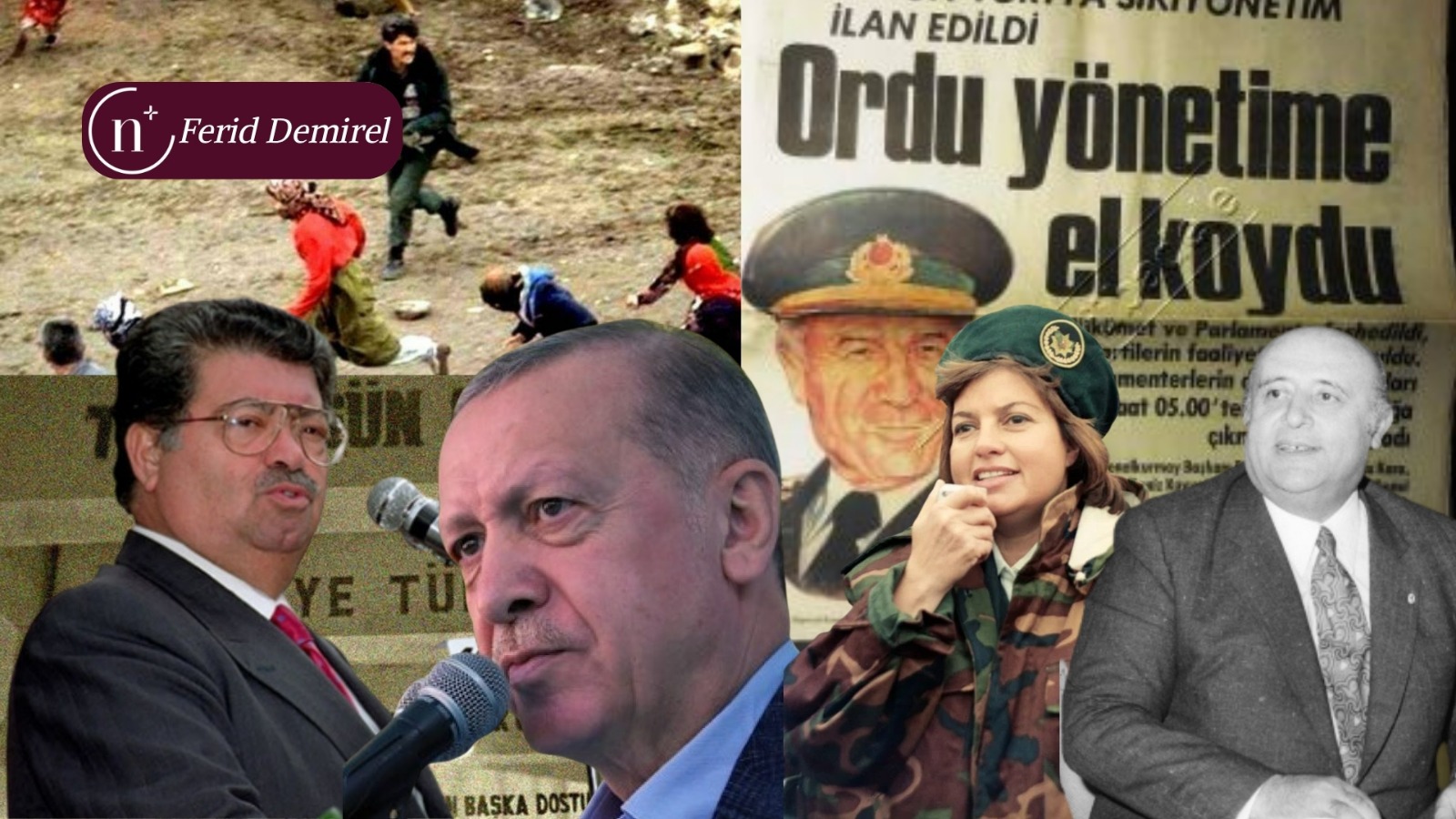
The Kurdish question, discussed under the heading of the PKK and leaving its mark on the last 48 years of Turkey, has outlasted numerous presidents, dozens of prime ministers, governments, ministers of interior and foreign affairs, and chiefs of general staff. Throughout this period, spanning from 1978 to February 27, 2025, Abdullah Öcalan has remained the unchanging actor on the other side of this issue.
Photo: Niha+
Despite having a history of over a century, the Kurdish question—debated alongside the PKK’s prominence in the last fifty years of Turkish history—is not merely a chronology of conflict; it serves as a mirror reflecting how the state’s institutional structure and mode of governance have transformed.
Consequently, the recent political history of Turkey, covering this 48-year span, is on one hand the history of the transformation of the Kurdish question—oscillating between “denial,” “annihilation,” “dialogue,” and the “securitarian status quo”—and on the other, a history of statistics showing the turnover of countless governments, presidents, prime ministers, and ministers.
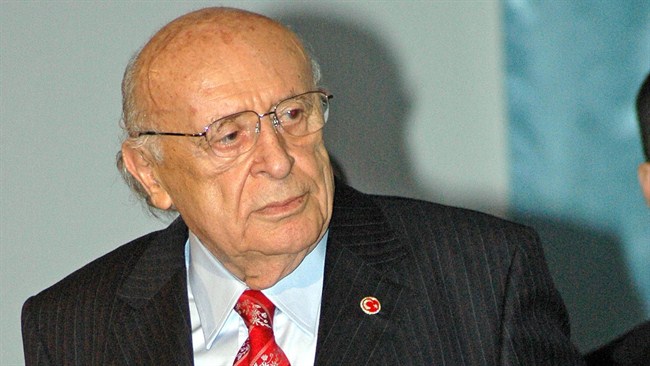
Throughout these 48 years, which the state has characterized in official discourse primarily through the rhetoric of “terrorism” rather than as the Kurdish question, the common point of almost all ministers from various parties has been the emphasis on “fighting until the last terrorist.” From the day the PKK was founded—an event Süleyman Demirel described as the “29th Kurdish Rebellion” and widely viewed as a result of the Kurdish question—until the day it announced its dissolution, the issue was portrayed by the state as “terrorism.” From the military boots of September 12 to today’s cross-border doctrine utilizing UCAVs (SİHAs), there has been a consistent effort to squeeze the Kurdish issue into a parenthesis of “annihilation and public order.”
THE ANKARA RECORD & MEMORY ARCHIVE: 1978 – 2026
From Fis to September 12: Ankara’s ‘Public Order’ parenthesis
The foundation of one of the most significant periods of the Kurdish issue in modern history was laid on November 27, 1978, with the establishment of the PKK in the village of Fis in Diyarbakır’s Lice district. Abdullah Öcalan and 21 founding members from the structure known as the “Apocular” (Apoists) before 1978 attended this meeting, which is considered the PKK’s first congress. The ideological roots of the PKK are based on the political line Öcalan shaped at Ankara University in the 1970s. Öcalan’s organizational background began in 1974 with the Ankara Democratic Higher Education Association, a Marxist structure.
During this period, Turkey was debating an agenda dominated by economic crises and clashes between right-wing groups and a strong revolutionary structure led by students. At that time, Ankara was in a climate of crisis under the supervision of President Fahri Korutürk, where political will was constantly shaken. The 42nd government led by Bülent Ecevit, followed by the 43rd led by Süleyman Demirel, treated the Kurdish issue as a technical file within the scope of “separatist activities” during their short-lived administrations, just as their predecessors had. Interior Ministers İrfan Özaydınlı and Hasan Fehmi Güneş (Ecevit era) handled the Kurdish people’s search for rights and increasing pressure in the region within the framework of “separatist activity” and “public order issues.” It was not accepted in the “official” agenda of the state or the government that these events were a result of the Kurdish question.
In 1979, when activity on the Urfa-Siverek line caught the attention of the security bureaucracy, the Interior Ministry in Demirel’s cabinet was held by Mustafa Gülcügil, while the Foreign Ministry was held by Gündüz Ökçün and later Hayrettin Erkmen. During this period, an intense conflict broke out between the PKK and certain tribes in the region associated with political powers in Ankara. The “Apocular,” as they were known then, began to appear in newspaper headlines daily and became the primary agenda item for civil and military administrators.
The political spectrum was alternating between Ecevit and Demirel governments. At the very center of this political circulation, every moment civilian politics failed to produce solutions, the space for military tutelage—represented by Chief of General Staff Kenan Evren—expanded further. While Ankara’s actors presented the matter as “marginal groups associated with the dissolution of feudalism,” democratic channels were rapidly closing, and Turkey was drifting toward the darkness of September 12—a period that would be etched into memory with grave rights violations like those at Diyarbakır Prison No. 5. As this half-century parenthesis opened and actors in Ankara changed, the dimensions of the problem and the official approach deepened.
The 1980s: Coup, denial, and the Atrocity of Diyarbakır No. 5
The military coup of September 12, 1980, represents more than a breaking point in Turkey’s political history; it is a dark milestone where the Kurdish question was completely severed from the ground of democratic solutions. The administration of General Kenan Evren, who took over the junta leadership, positioned Kurdish identity not just as a “public order” issue, but as a direct “political threat” to the survival of the state. This period turned into a systematic process of oppression where the most fundamental human rights of Kurds were suspended, the mother tongue was banned, and identity demands were put through severe torture racks.
During these years when democratic politics were liquidated, Prime Minister Bülend Ulusu and Interior Minister Selahattin Demircioğlu took their places in history as the executive figures of this oppressive regime built by military tutelage. In this phase, where Kurds were redefined as “Mountain Turks” in the state’s core memory, the bureaucracy under Ulusu and Demircioğlu attempted to justify rights violations on the ground as “state discipline.” However, every repressive practice implemented by these administrations only deepened the problem.
The real center of tragedy during this period was the Diyarbakır No. 5 Military Prison, which functioned not just as a prison but as a “radicalization laboratory.” While the inhuman tortures carried out under the orders of Kenan Evren and the junta administration left indelible marks on the memory of the Kurdish political movement, Ankara’s actors reported this brutality under the heading of “discipline.” İlter Türkmen held the Foreign Ministry seat, and the coup administration sought “understanding for the coup” from the international community. The efforts of the coup administration, both inside and outside Turkey, served to transform denial into a constitutional text (the 1982 Constitution) rather than solving the problem.
Throughout the 1980s, the names passing through these seats signed off on decisions banning Kurdish identity, thereby preparing not for a solution, but for the most violent phase of the conflict (the 1984 Eruh-Şemdinli attacks). The wreckage handed over from Bülend Ulusu to Turgut Özal was not just a public order file, but a reality of a Turkey where millions were uprooted and the sense of democratic belonging was severely damaged. While these “temporary” cadres of Ankara tried to negate identity under the boots of September 12, they took their places in the dusty pages of history as the primary architects of that massive parenthesis that remains unresolved today.
The 1990s: Peak of conflict, OHAL, and evacuated villages
The 1990s constituted the bloodiest period of the Turkey-PKK conflict. This decade was marked by the premierships of Süleyman Demirel and Tansu Çiller, and the term of Doğan Güreş as Chief of General Staff. Within the framework of the State of Emergency (OHAL) applications covering the Kurdish geography, the state resorted to large-scale security operations. During this period, many names passed through the Ministry of Interior, from İsmet Sezgin to Mehmet Ağar and Meral Akşener.
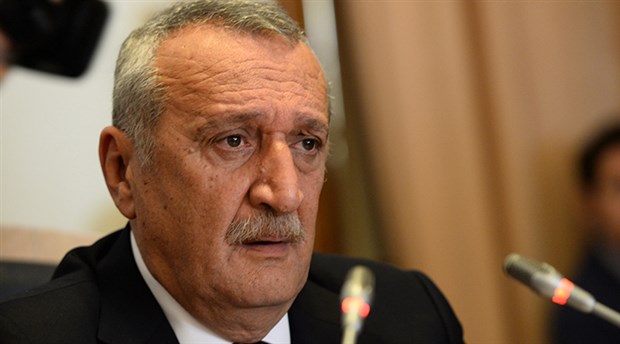
This decade witnessed politicians developing a new concept alongside “security bosses.” The interior ministry seat, handed from İsmet Sezgin to Mehmet Ağar, was now the headquarters for “extra-routine” operations. The evacuation of 3,428 villages and “unsolved” extrajudicial murders showed that Ankara approached the matter with a policy of “annihilation.” Ağar’s famous later words, “If I pull one brick, the wall will collapse,” summarized the state memory of that era.
According to a report prepared by the TBMM (Grand National Assembly of Turkey) in 1998, it was documented that 3,428 villages and hamlets were evacuated and approximately 500,000 people were forcibly displaced. According to some political parties and NGOs, these figures are higher: 4,000 settlements evacuated and nearly 3.5 million citizens forced into internal migration. The Human Rights Association (İHD), in a report submitted to a commission established in the TBMM in 2025, documented that a total of 36,409 people, including 9,454 civilians, lost their lives in the conflict process covering the 1991-2024 period.
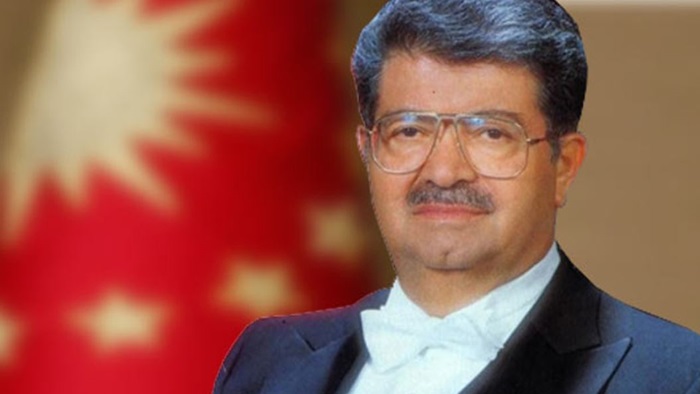
One of the most important political ruptures of this picture occurred in 1993. Turgut Özal was in the presidency. On one hand, Özal represented a pragmatic dilemma: he activated traditional public order language and securitarian instruments like village guards by labeling the group as “a handful of bandits,” while on the other, he pushed taboo dialogue channels with an emphasis on “Kurdish reality.” Özal went down in history as one of the rare leaders who did not publicly exclude the possibility of dialogue with the PKK. The PKK declared a ceasefire in March. However, this window closed with Özal’s sudden death in April. Immediately after Özal’s death, on May 24, 1993, 33 unarmed soldiers in civilian clothes were killed on the Bingöl-Elazığ highway. The incident effectively meant the end of the unilateral PKK ceasefire declared up to that date. With Tansu Çiller (50th Government) taking the Prime Ministry, security policy shifted to a harsher line. The wave of “unsolved” murders that began after Çiller’s statement, “We have a list of Kurdish businessmen who help the PKK,” became the dark legacy of the 1990s.
The 2000s: EU Process, “Democratic Opening“ and Oslo Talks
The year 1999 became a multi-layered turning point where the Kurdish issue evolved on both legal and political levels. During the 56th and 57th governments led by Bülent Ecevit, the bringing of Abdullah Öcalan to Turkey slowed the pace of conflicts on the ground but left Ankara’s democratic solution capacity facing a new test. When the trial system established on İmralı Island combined with the pressure created by the EU membership process, Turkey undertook a radical legal transformation, such as the abolition of the death penalty. While Interior Ministers Sadettin Tantan and Rüştü Kazım Yücelen, along with Foreign Minister İsmail Cem, tried to bring the legal framework of the issue closer to international standards, the lifespan of their politics was not yet enough to turn these reforms into a social peace project.
The AKP coming to power in 2002 created a pragmatic curve in the state’s traditional securitarian language. Following President Ahmet Necdet Sezer, Abdullah Gül’s ascent to the Çankaya Mansion initiated a new climate where the term “Kurdish issue” was articulated at the highest level in Ankara. The “Democratic Opening,” which materialized with Gül’s March 2009 statement that “Good things will happen,” was presented as a comprehensive policy package under the coordination of Interior Minister Beşir Atalay. However, this civilian search could not avoid colliding with the ancient tension between the status quo in the state’s core structure and the demands for democratic reform.
During the same period, behind the scenes, a secret diplomatic traffic with KCK executives—which included MIT Undersecretary Hakan Fidan and reached the public as the “Oslo Talks”—documented Ankara’s search for an interlocutor for a solution. While the entry of 34 PKK members through the Habur Border Gate on October 19, 2009, welcomed by tens of thousands of people, revived hopes for social peace, the failure of political actors to ground this process on a constitutional basis deepened the crisis. While the echoes of Habur were still ongoing, the Constitutional Court’s closure of the Democratic Society Party (DTP) in December 2009 meant the blocking of democratic political channels through judicial intervention.
In this ten-year process, names like Hüseyin Kıvrıkoğlu, Hilmi Özkök, Yaşar Büyükanıt, and İlker Başbuğ, who changed in the seat of the Chief of General Staff, along with the interior ministry seat handed from Abdülkadir Aksu to Beşir Atalay, left their places to new ones as “temporary actors” at the end of their terms. Although Ankara tried to expand the field of rights with European Union harmonization laws, every reform step, to the extent it was not crowned with a democratic constitution, was abandoned once again to securitarian reflexes and judicial obstacles.
2013–2015: “Solution Process“ and the Dolmabahçe Agreement
At the beginning of 2013, a new link in state-PKK negotiations began. This time, the process was conducted more transparently: HDP’s İmralı delegation held meetings with Öcalan. On March 21, 2013, Öcalan’s letter was read at the Diyarbakır Newroz. The most concrete output of the process featured Deputy Prime Minister Yalçın Akdoğan and Interior Minister Efkan Ala at the center of the dialogue traffic with the HDP delegation. The Dolmabahçe Agreement, announced on February 28, 2015, was the most concrete threshold in these actors’ search for a solution. However, President Erdoğan’s announcement that he did not recognize the agreement and the shifting political balances after the June 2015 elections brought an end to the policies carried out by these names. As Efkan Ala and Yalçın Akdoğan were gradually moved away from decision-making mechanisms with the end of the solution process, Prime Minister Ahmet Davutoğlu also became part of this circulation by handing his seat to Binali Yıldırım.
Post-2016: Anatomy of the trustee (Kayyım) policy
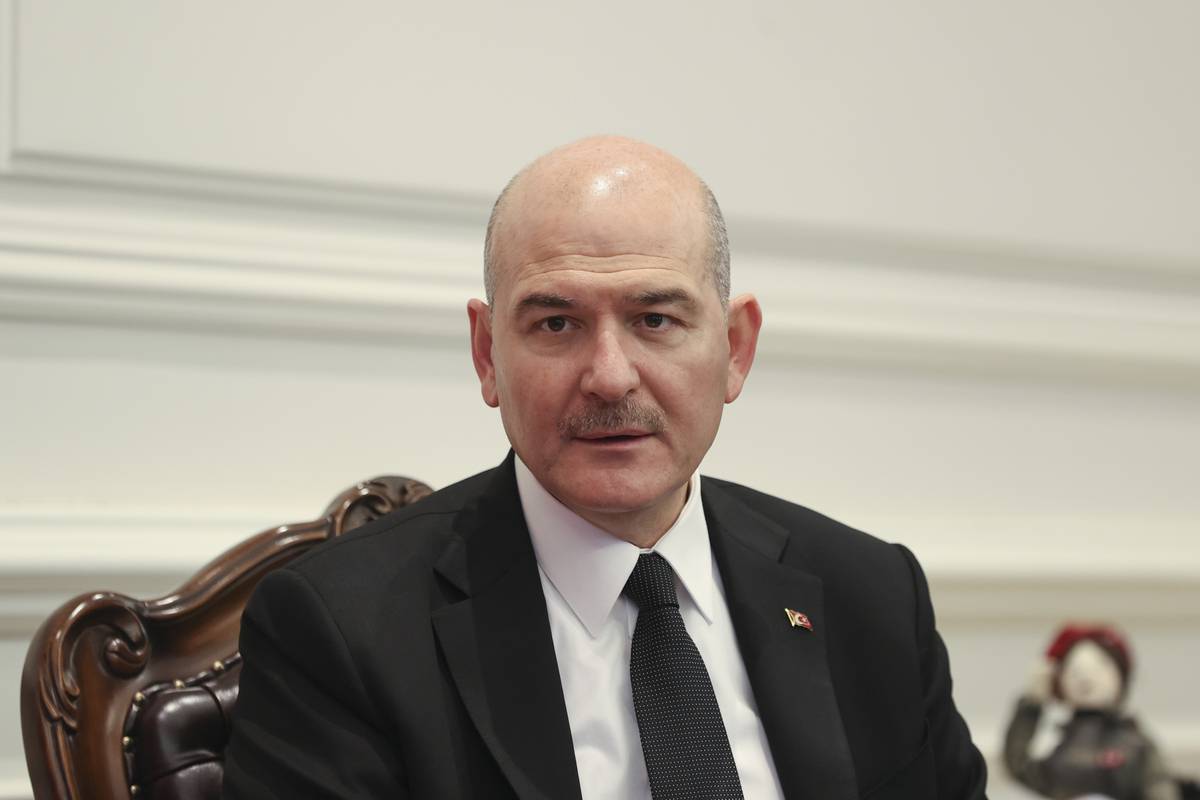
The State of Emergency (OHAL) declared after 2016 and the change in the system initiated a period where Ankara reinforced its “securitarian” doctrine with new names. Süleyman Soylu, who took the Interior Ministry seat, operated the regulation added to the Municipality Law via Decree-Law (KHK) No. 674, continuing the policy of appointing trustees (kayyım) in place of elected mayors for seven years. During the Soylu era, the tension between the right to democratic representation and the security bureaucracy was managed through judicial and operational processes. After Soylu handed over the duty to Ali Yerlikaya in 2023, Ankara continued cross-border operations with military strategies under the management of Minister of National Defense Hulusi Akar and Chief of General Staff Yaşar Güler.
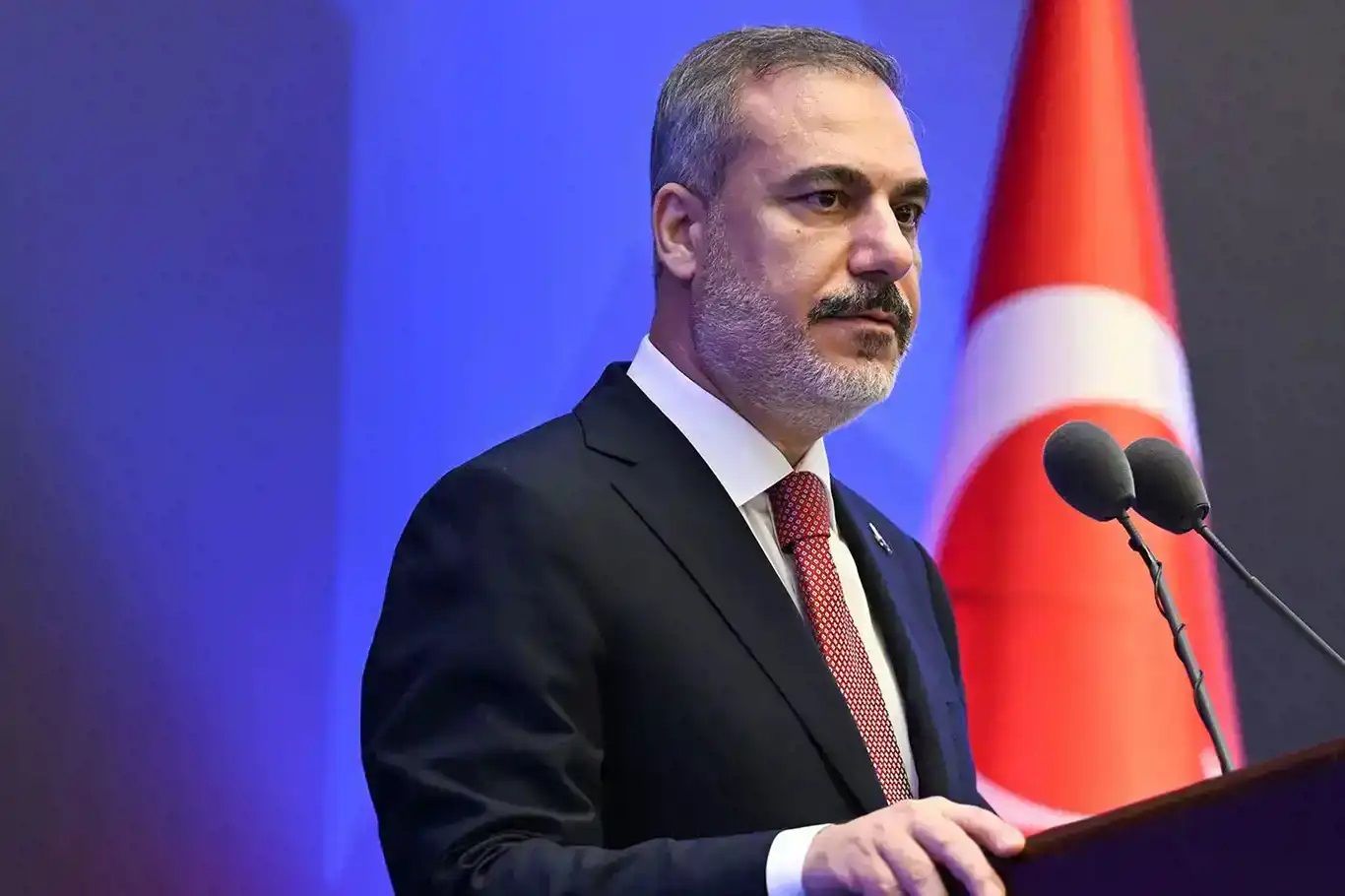
The registration of the local will in the region in favor of the DEM Party as a result of the 2024 local elections showed that despite the dozens of prime ministers, interior, and foreign ministers who changed over this 48-year process, the issue maintained its ground of social legitimacy. Today, the process under the management of Foreign Minister Hakan Fidan and Interior Minister Ali Yerlikaya constitutes the most current link of that historical parenthesis where actors have changed rapidly since 1978, but solution methods have failed to achieve constitutional status.
2025 and beyond: The “Dissolution” call and the question remaining uncertain
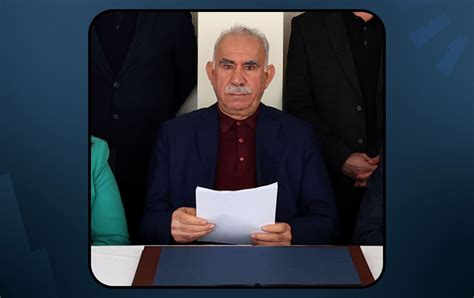
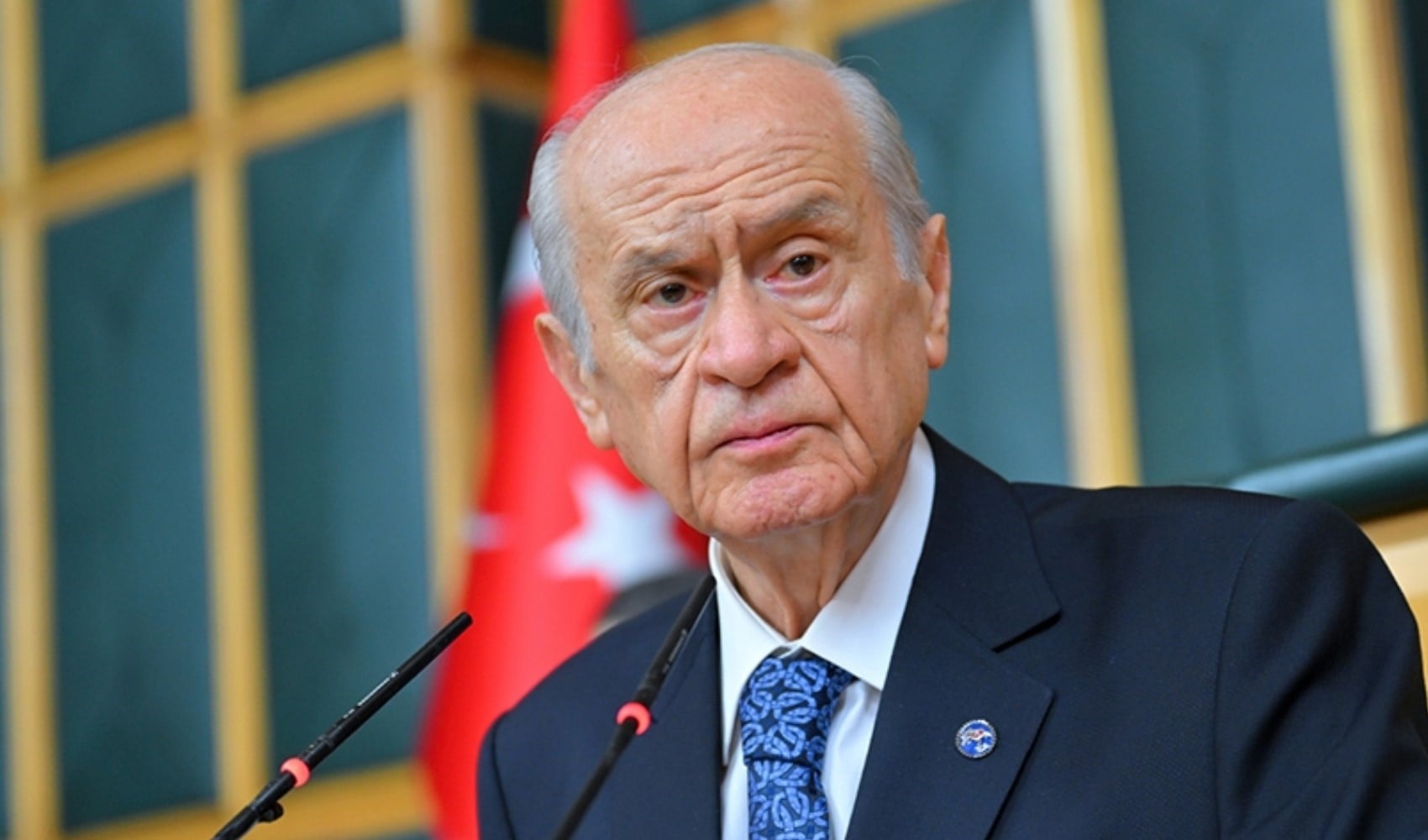
The autumn of 2024 was a turning point where a new political language, diverging from the state’s traditional security policies, was established in Ankara. The move by MHP Chairman Devlet Bahçeli from the parliament podium went down in record as an initiative that moved the ground of interlocution for the decades-long conflict directly to İmralı. Following this declaration of political will, on February 27, 2025, Abdullah Öcalan made an open call to the PKK to end the armed struggle and dissolve the organizational structure. Responding to this call at its 12th Congress held on May 5–7, 2025, the organization announced the decision to terminate activities carried out under the name “PKK” since November 27, 1978.
With the announcement of dissolution, although the matter was moved back to the parliamentary floor, the tension between political will and the state’s institutional memory persisted. The text prepared by the commission established within the Parliament and tasked with reporting the process could not step outside the traditional state language regarding the naming of the solution. The fact that the definition “Kurdish issue” was not included in the report was evaluated by human rights defenders and political subjects as an institutional obstacle to meeting the issue on constitutional grounds. Abdullah Öcalan, in a message published on the first anniversary of the dissolution decision (February 2026), emphasized that the February 27, 2025 call was a declaration that the choice was clearly made in favor of politics.
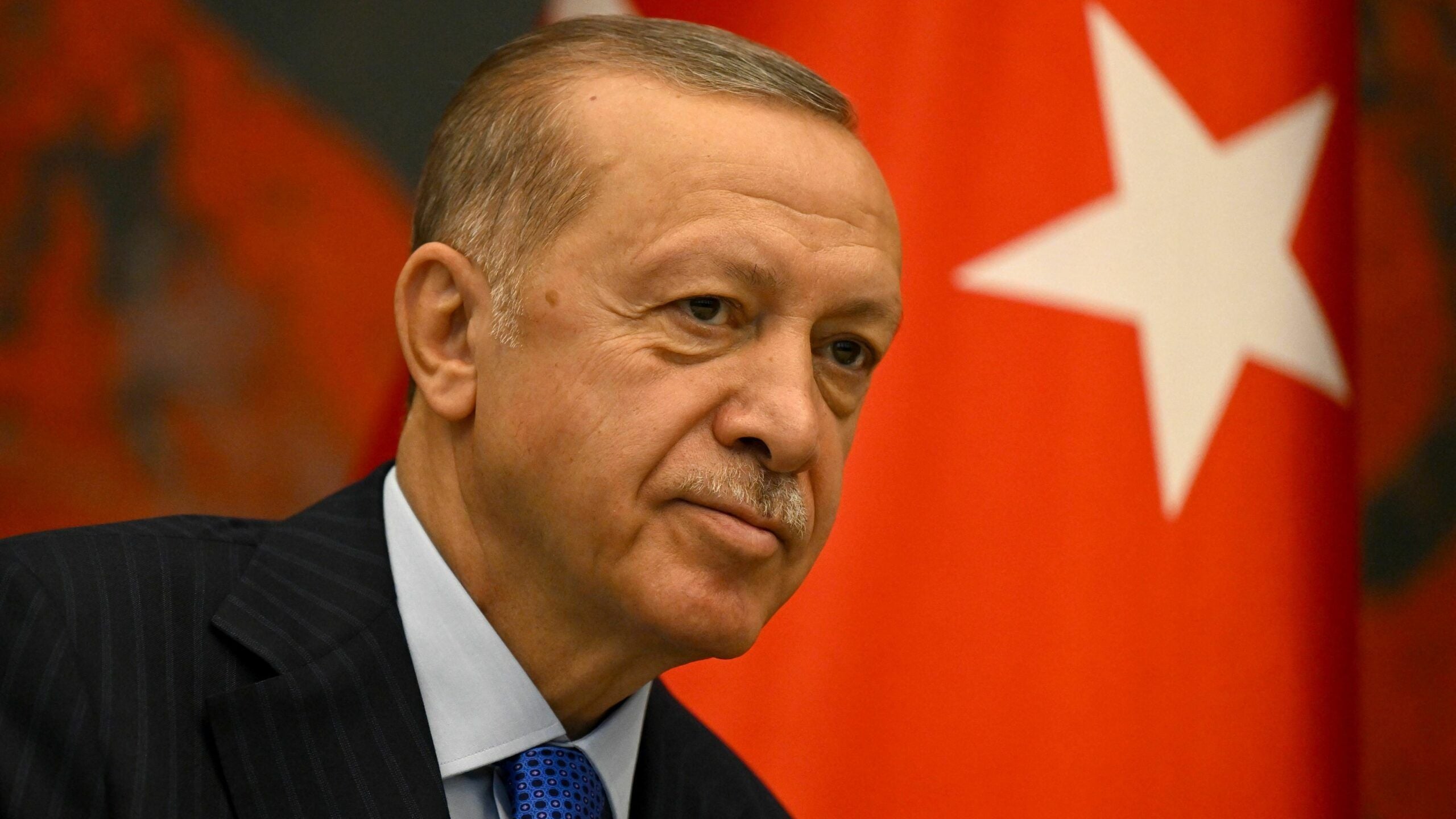
In this 48-year process stretching from 1978 to 2026, Turkey outlasted many prime ministers and dozens of interior ministers before reaching the final stage under the administration of President Recep Tayyip Erdoğan, Interior Minister Ali Yerlikaya, and Foreign Minister Hakan Fidan. This half-century record, where political actors changed rapidly and various discourses—from the promise of “fighting until the last terrorist” to the “call for dissolution in parliament”—were tried, has once again confirmed the transience of names. Today, in the new picture formed after the dissolution of the PKK, Ankara continues to face the reality that the solution lies not just in the change of names and offices, but in that democratic and constitutional transformation of mindset that dozens of governments have postponed.
Written but unimplemented reports
The recent political history of Turkey is also a history of “written but unimplemented” reports. Historian Mehmet Bayrak describes the Kurdish question from the state’s perspective as: “The state mind is a denier and refuser on the official plane, but a confessor and acceptor on the secret plane.” From the public order bulletins of the Ministry of Interior since 1978 to the thousands of pages of minutes from Parliamentary Research Commissions, every document actually offers an anatomy of a non-solution. These reports, prepared by the state’s own institutions, also reveal what has been sacrificed under the heading of “combating terrorism.”
The 1990s were years when the state took to the field not only with weapons but with “extra-routine” structures. The Parliamentary Commission for the Investigation of Unsolved Murders established in 1993 reflected only the tip of the iceberg. The data reached by the commission documented the field equivalent of Mehmet Ağar’s “thousand operations” remark. However, the true symbol of the Ağar era was that famous metaphor describing the web of dark relations within the state: “If I pull one brick, the wall will collapse.” The Ministry of Interior shelved the files investigating structures like JİTEM behind this wall by placing them under the scope of “state secrets.”
According to the report, a large portion of the murders in the region, especially between 1992 and 1994, were committed by “uncontrolled forces within the state.” However, instead of taking action on these reports, the Ministry of Interior shelved the files targeting structures like JİTEM by classifying them as “state secrets.” These reports today still demonstrate the significance of the Saturday Mothers’ search for justice at Galatasaray Square.
Reports prepared in the second half of the 1990s revealed the social cost of the Ministry of Interior’s “secured zone” strategy. Village evacuations, which gained momentum after Turgut Özal’s death, resulted in more than 3,000 settlements being wiped off the map by 1997. According to the TBMM Migration Commission Report (1998), approximately 1 million people were displaced. While the Interior Ministers of the period tried to present this wave of migration as “voluntary,” the reports of NGOs (İHD, MAZLUMDER) recorded for history the burned crops, the shot livestock, and the imposition of “either become a village guard or leave.”
Work carried out under the coordination of Beşir Atalay during the AKP era’s “Democratic Opening” process acknowledged that the problem was not just a public order issue, yet it did not turn into a concrete result. Concepts like “integration,” “cultural rights in the mother tongue,” and “strengthening local governments” appeared in these studies. However, when these concepts collided with the state’s traditional red lines (concerns over the unitary structure), they were replaced by “operational” reports again starting from 2011. The “Wise People Delegation Reports” prepared during the 2013-2015 Solution Process showed that a large part of society was ready for peace, but the “trust” issue could not be overcome.
Post-2016, the content of reports was entirely built upon “justifying the appointment of trustees.” During the Süleyman Soylu era, attempts were made to legalize the trustee regime by defining elected mayors as “logistics support units.” While these studies formed the basis for thousands of pages of indictments, international institutions such as the Council of Europe Congress of Local and Regional Authorities stated in their reports that this situation was a “usurpation of the right to elect and be elected.”
The Foreign Ministry’s defense line
The Ministry of Foreign Affairs was managed by 26 different names during this process. International reports show that 70% of Turkey’s conviction files at the ECtHR consist of “Kurdish issue-oriented rights violations” (right to life, freedom of expression, property rights). In the Hakan Fidan era, diplomacy reports are now built on the “export of the problem beyond borders.” Operation reports regarding northern Iraq and Syria signal a strategic shift that moves the problem from the streets of Ankara to the mountains of Erbil and Sulaymaniyah.
The Statistical memory of the Interior Ministry
In these 48 years, more than 30 different names occupied the interior ministry seat. Statistics show that changes in ministers did not lead to a change in “method.” The 15-year continuous State of Emergency (OHAL) regime from 1987 to 2002 is the most concrete and darkest data of this statistic.