Hogir Alay and Gökhan Kumak were found hanging from a tree in refugee camps in Germany. Alay and Kumak are just two of the Kurdish refugees who have reportedly committed suicide in German camps in recent years. These two suicides, which occurred in 2023 and 2024, raise questions about the safety of the refugee camps. The families are awaiting justice.
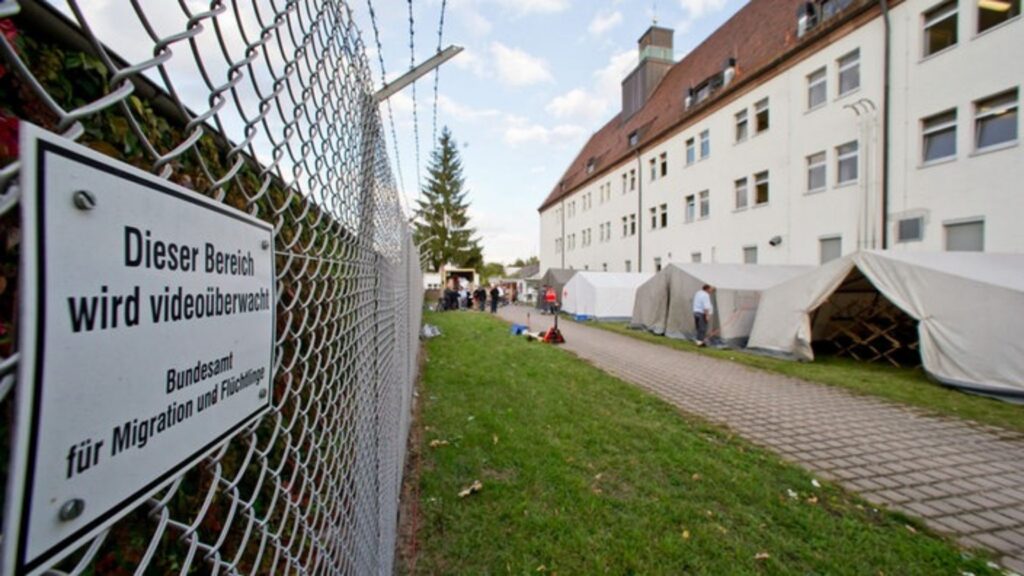
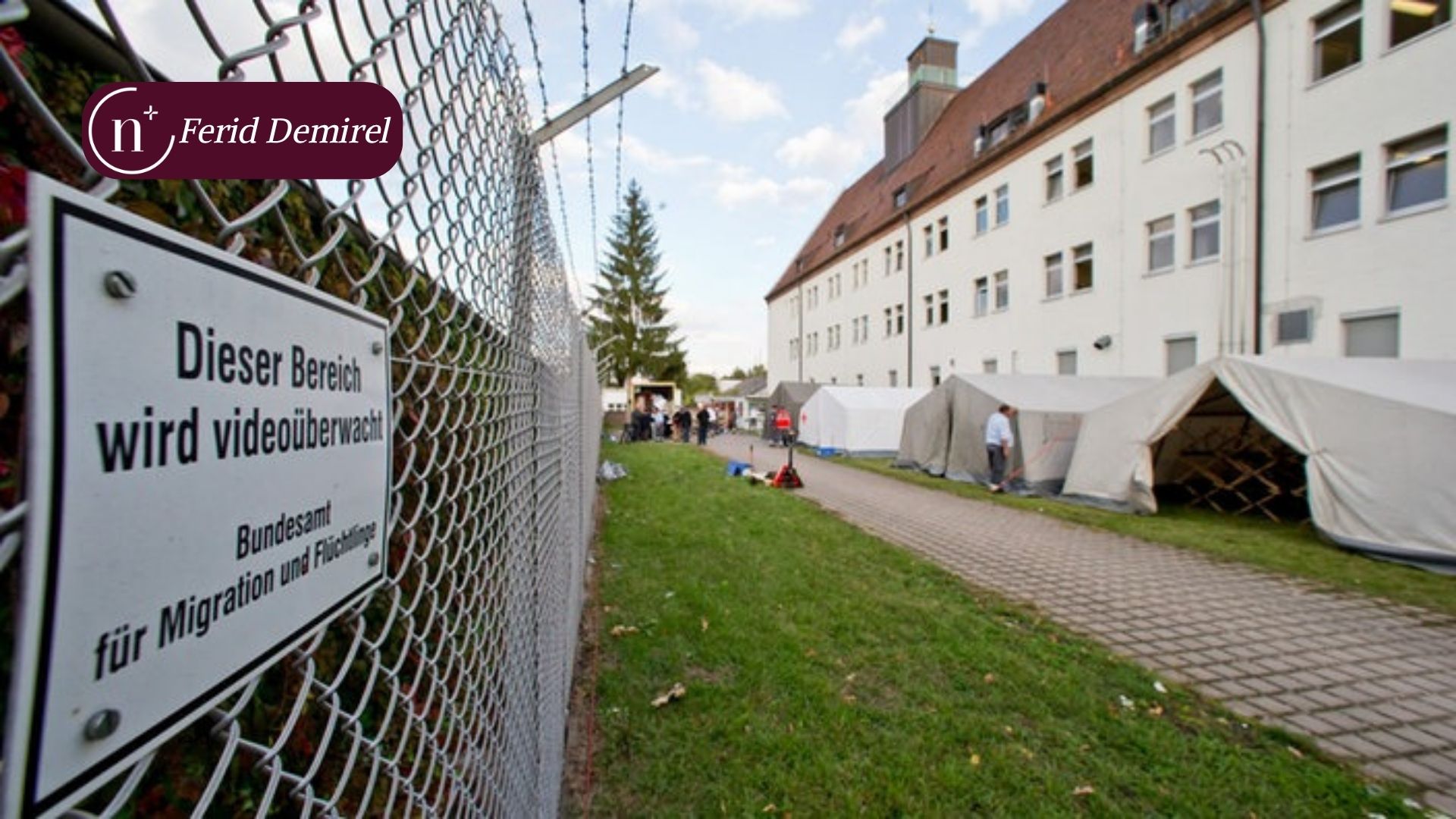
A refugee camp in Germany, Photo: planet-wissen.de
Hogir Alay and Gökhan Kumak are only two of the Kurdish refugees who have lost their lives in refugee camps in Germany in recent years. Hogir went from Mardin to Germany in 2022, and Gökhan went from Şırnak in 2023 to seek asylum. On this journey, which they embarked upon due to political pressure or the goal of building a better life, they spent a long time trying to reach Germany illegally. At the end of this period, they experienced difficult days in the camps they arrived at. After a while, their bodies were found hanging from trees inside the refugee camps. Alay’s body was found 24 days later in a wooded area within the garden of the camp where he stayed.
German authorities announced that both Alay and Kumak had committed suicide. However, according to their families, there was no reason for their children to take their own lives. Despite the time that has passed, they want the causes of their children’s deaths to be investigated. They claim there was negligence on the part of relevant institutions and individuals in Germany.
Why are refugees committing suicide in Germany?
According to data reflected in the press and public opinion, dozens of Kurdish refugees have ended their lives in Germany since 2023. 17-year-old Mustafa Baki from Kobanî, Mehvan Muhammed Süleyman from Duhok, 28-year-old Fethullah Aslan in a psychiatric institution in Berlin, and Mustafa Polat in Erfurt are just a few names on this list.
According to data from the refugee counseling center Pena-Ger, 32 suicide attempts occurred in the state of Saxony in 2024 alone. However, according to Pena-Ger, the real figures are much higher, as ethnic origin records are not kept and many cases go ‘undocumented.’
Between 1993 and 2018, 288 suicide cases were documented in refugee camps in Germany. Today, it is recorded that there are approximately 30 suicides and 400 attempts per year.
Hanging, jumping from heights, or overdosing
Refugees most often commit suicide in or around the camps where they stay, while their asylum process is ongoing or under the threat of deportation. This most frequently occurs in the form of hanging oneself from a tree, jumping from a height, or overdosing. It was announced that Gökhan Kumak and Hogir Alay also committed suicide by hanging themselves.
Hogir Alay’s body was found 24 days later
Hogir Alay lost his life on October 11, 2023. His body was found on November 4 by someone else staying at the AfA-Kusel refugee camp where he resided. In other words, Alay’s body emerged 24 days later. As stated in the investigation file, the location where the body was found was the wooded area right behind the gym inside the camp.
On October 11, Alay called his father several times, as well as his brother and his brother’s wife, but could not reach them. After this attempt, which took place around 18:00 on the same day, his family could never reach Hogir’s phone again.
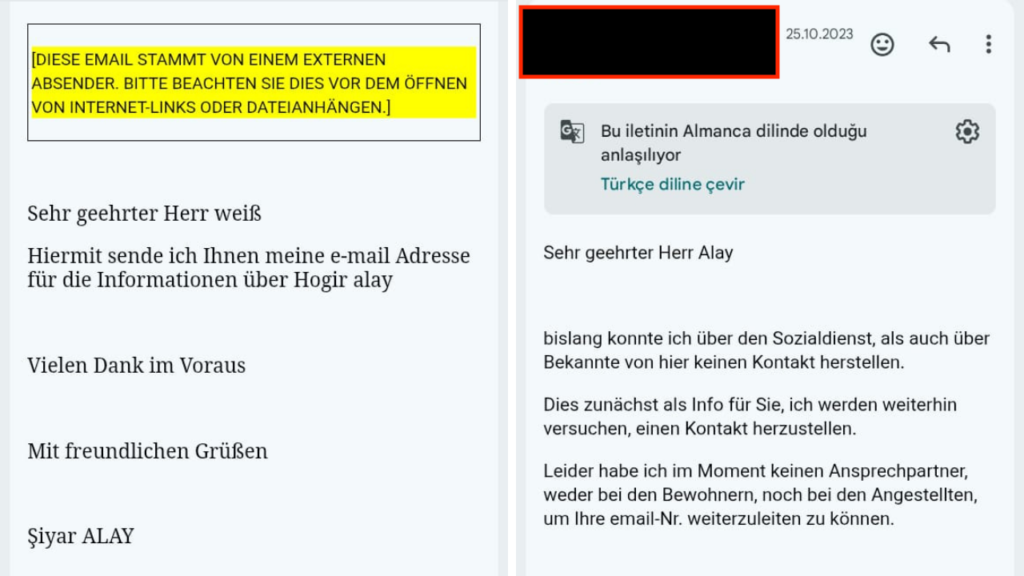
Screen recordings showing Şiyar Alay’s correspondence with authorities via email
According to the family’s claim, during the following days when they could not hear from their child, they wrote an email to the refugee camp where Hogir stayed through their other child, Şiyar Alay, who is a refugee in Austria. In the official email written in response to Şiyar Alay dated October 25, it was explicitly stated that the police could not establish any contact with Hogir and that attempts made through Social Services (Sozialdienst) had been inconclusive.
In the file prepared regarding Alay’s death, according to the security guards of the camp, Alay’s last entry-exit record via ID card scan was made on October 11, 2023, at 16:27. It is stated that he entered the facility at that hour. It is noted that on October 17, 2023, he was reported missing because he could not be found in the accommodation facility during patrols.
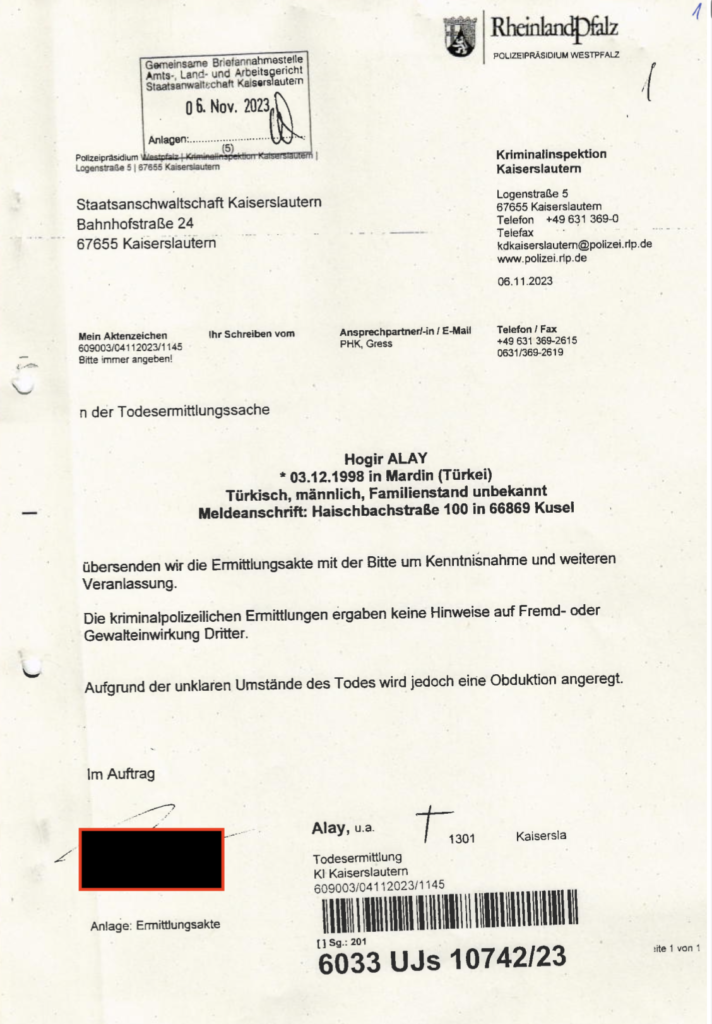
Official Investigation Document of the Kaiserslautern Police Department
Alay’s brother Rêber Alay told Niha+: “On November 4, news came to us from the camp. They saw him and said he had lost his life. They realized it was him because he had an AK-47 tattoo on his chest. He had a tattoo on his chest.” In the investigation and autopsy reports, it is stated that because the body had remained outside for a long time, it had become unrecognizable, his identity could not be determined, and identification was only possible with the tattoo on his chest. The news of Hogir Alay’s death was officially conveyed to Turkey’s Consulate General in Mainz by the police on November 6, 2023, at 11:52.
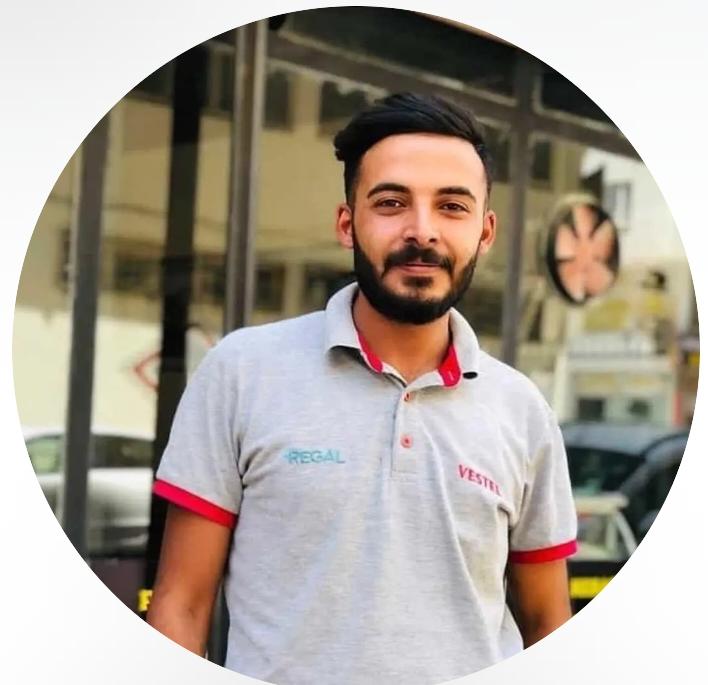
Hogir Alay before going to Germany as a refugee
Rêber Alay rebels against this situation: “His feet are touching the ground. There are photos. Also, his body is very battered. Decayed. He must have been hanging for 24 days. If he is in the camp and in a visible place, how could this child have been hanging for 24 days? Thousands of people stay in 그 camp. During this time, camp authorities did not ask if this child was missing. They notified the police after it became clear he was dead. Something striking is that they say everyone who died hanged themselves. Don’t people who commit suicide try another method? This is a question mark. They are all diagnosed as dying from heart failure. It was said that Hogir died the same way. It was written that Hogir drank a lot, and there was two per mille alcohol in his blood. It is claimed that Hogir actually fainted before hanging himself, and died not from suffocation but from heart failure.”

Hogir Alay while at the refugee camp in Germany
He went through illegal routes
Hogir Alay went from Mardin to Germany through illegal routes a year and a half before he died, in 2022. According to his family’s account, while Hogir was in Mardin, he participated in protests for Kobanî and was investigated for this. In the face of both this investigation and the difficulties he experienced due to refusing mandatory military service, he decided to go to Germany with his wife. It is claimed that before his death, Hogir repeatedly complained about poor living conditions, discrimination, and violence perpetrated by security personnel and social workers, but these complaints were not forwarded to the relevant authorities.
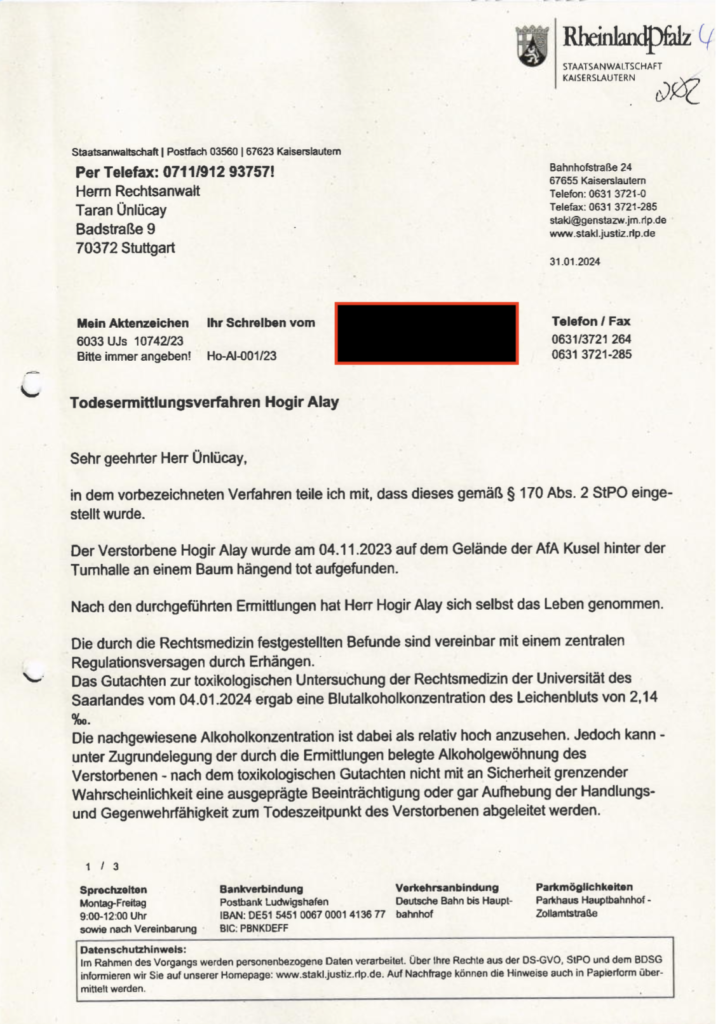
Investigation document showing Hogir Alay’s official date of death
His brother Rêber Alay confirmed that his brother had problems with camp authorities: “One day, in front of everyone, Hogir says, ‘if I am killed here, either they killed me or I will kill the security guard.’ They couldn’t get along.” In the report prepared by the Hogir Alay Initiative, which was established to continue the search for justice after Hogir Alay’s death, it is stated that Alay complained about constant room changes and psychological pressure during his stay at the camp. It is alleged that security personnel subjected him to systematic harassment and physical attacks.
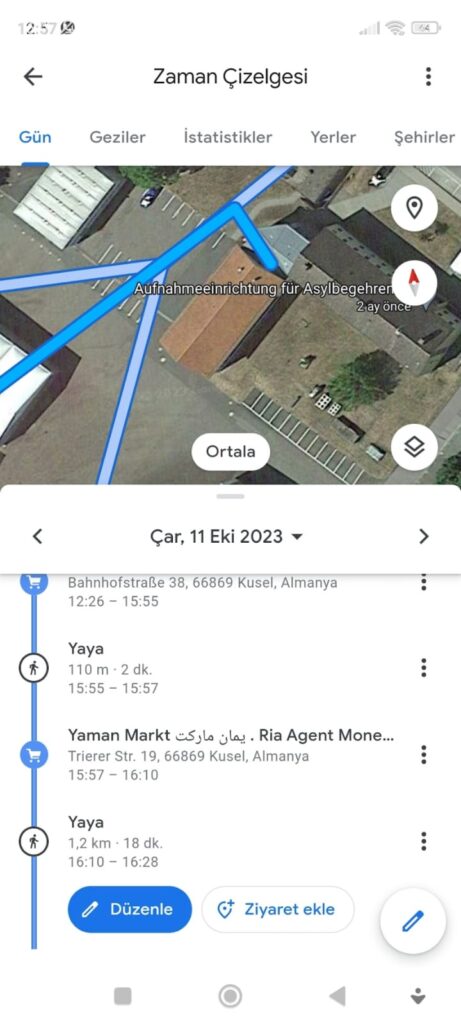
Last location information taken from Hogir Alay’s phone
Complaints were not forwarded on the grounds of “protecting the institution’s reputation”
The claim that Alay wanted to convey these complaints to the management unit, but the translators at the camp refused to translate these statements on the grounds of “protecting the reputation of the institution,” is included in the file. In the investigation file, criminal records regarding Hogir Alay’s past and turmoils in his private life have been added by the authorities as ‘psychological factors triggering suicide.’ However, according to refugee rights defenders and the family, the personal crises an individual is in do not alleviate the camp management’s responsibility to ‘protect the right to life’; on the contrary, it increases the obligation of supervision and protection toward an individual at risk.
The case is closed quickly in Germany
It is understood from the information reflected in the investigation file that an autopsy of Hogir Alay was performed in Germany. The autopsy was conducted on November 9, 2023, at the Institute of Forensic Medicine at Saarland University in Homburg. Regarding the family’s claims that an autopsy was not performed, the Kaiserslautern Chief Public Prosecutor stated in a 2025 letter that this claim does not reflect the truth, emphasizing that comprehensive autopsy and toxicology reports are available in the file.
Despite this, the family demands an autopsy in Turkey as well: “After he came to Turkey, we didn’t think of anything at first. Then after thinking a bit, we took him out of the ground. We had an autopsy done. According to the autopsy, it is said his front teeth had fallen out. One of his bones was broken, his heart and some of his organs were decomposed, some were missing. It is said the higher board of the Forensic Medicine Institute in Turkey will give the final result. A year and a half later, after the autopsy, Germany sent its own autopsy to the prosecutor here. What do the authorities here say now? We will put Germany’s and our own autopsy side by side. Let’s see what comes out. In the end, they also made their own autopsy reports like the one in Germany. Now they also say Hogir hanged himself,” says Rêber Alay.
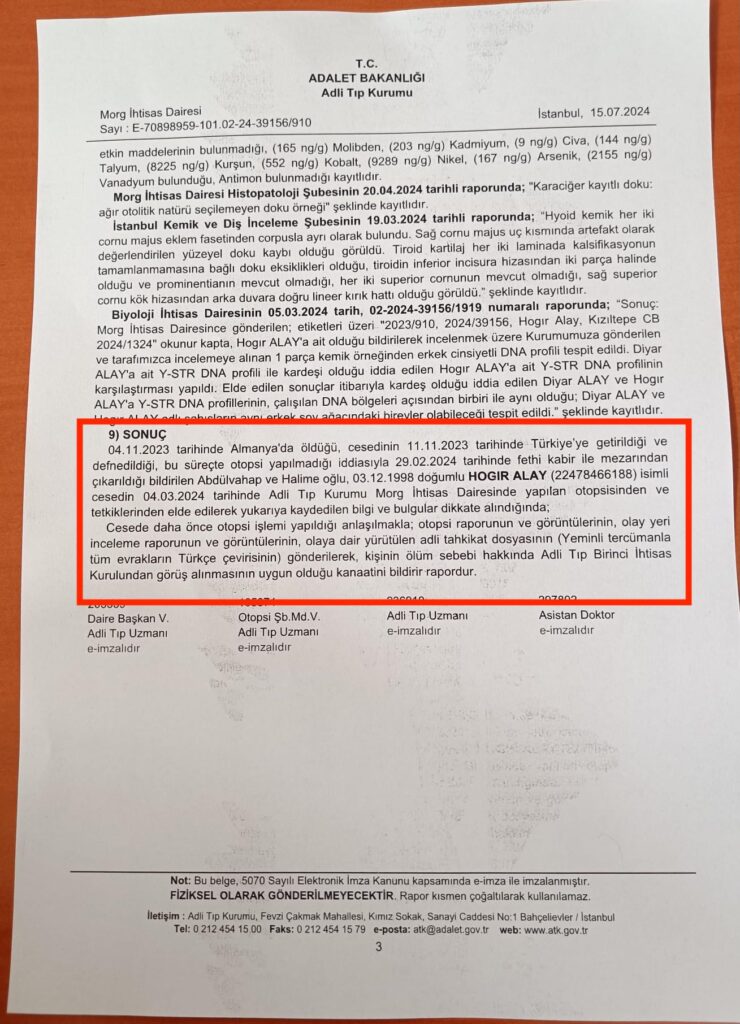
From the preliminary autopsy report of the Istanbul Forensic Medicine Institute regarding Hogir Alay
His father Abdülvahap Alay filed a criminal complaint with German institutions through the Kızıltepe Chief Public Prosecutor’s Office. In the complaint, he claims that there was no possibility of their child committing suicide and that he might have been a victim of murder. Despite this application, the Zweibrücken Chief Public Prosecutor’s Office stated that Hogir took his own life, claiming that he did not commit suicide under the influence of someone else, but due to his internal problems. Furthermore, it noted that there was no information or findings regarding the possibility of him being killed by others and closed the investigation it conducted on the grounds that no criminal situation was detected.
In the investigation file in question, it is stated that no direct connection could be established between Alay’s past frictions with security personnel and the death event. The German prosecutor’s office points to the fact that Hogir Alay personally declared in his statement dated August 4, 2023, that he had “made peace with the security personnel” as evidence that conflicts within the camp had no link to the suicide decision. According to the information provided by Rêber Alay, some of his brother’s personal belongings and phone have not yet been delivered to them. The investigation opened in Turkey continues.
Kumak: They will kill me
Gökhan Kumak, like Hogir Alay, committed suicide in the camp where he lived in Germany. Kumak went to Germany through illegal routes in January 2023. He was 34 years old. He was a long-haul truck driver. He used to carry cargo to and from Iran and Iraq. According to his family’s account, he decided to go to Germany saying, “I don’t have a profession, I can’t see a future, let me go to Germany, maybe I’ll get residency and build a good life for myself.” After staying in the first camp where refugees are accepted for the first 8 months, Kumak was sent to a camp called a heim where he would stay permanently. Kumak, who stayed here for 6 months, constantly called his family during this time, claiming that he would be killed. The family states that their child’s psychology deteriorated greatly due to this situation. His brother Eser Kumak told Niha+: “Before he died, he called my father. He says, ‘I’m afraid the German police will bring trouble upon me. They will kill me, they will burn me.’ Something happened to him in the heim, I don’t know that. He suffered a lot in the camp. He said the German police set Afghans upon him.”
Before losing his life, Gökhan calls his father and says that they have ruined his psychology, that it is a very serious matter, and asks them to save him.
Gökhan lost his life on April 2, 2024.
However, his family was informed on April 9: “One day we couldn’t get news. He had a friend. I called him, I told him we couldn’t reach my brother. I said, don’t you see Gökhan? He said, ‘don’t call me,’ he said, ‘I don’t know where Gökhan is.’ There was someone else next to him. He said, his voice came to me, ‘tell them the police came and took Gökhan and Gökhan died.’ The other kid said, ‘don’t involve me, don’t involve me, don’t call me,’ and after day he blocked me. He was an Afghan boy. But he was using a number from Turkey.”
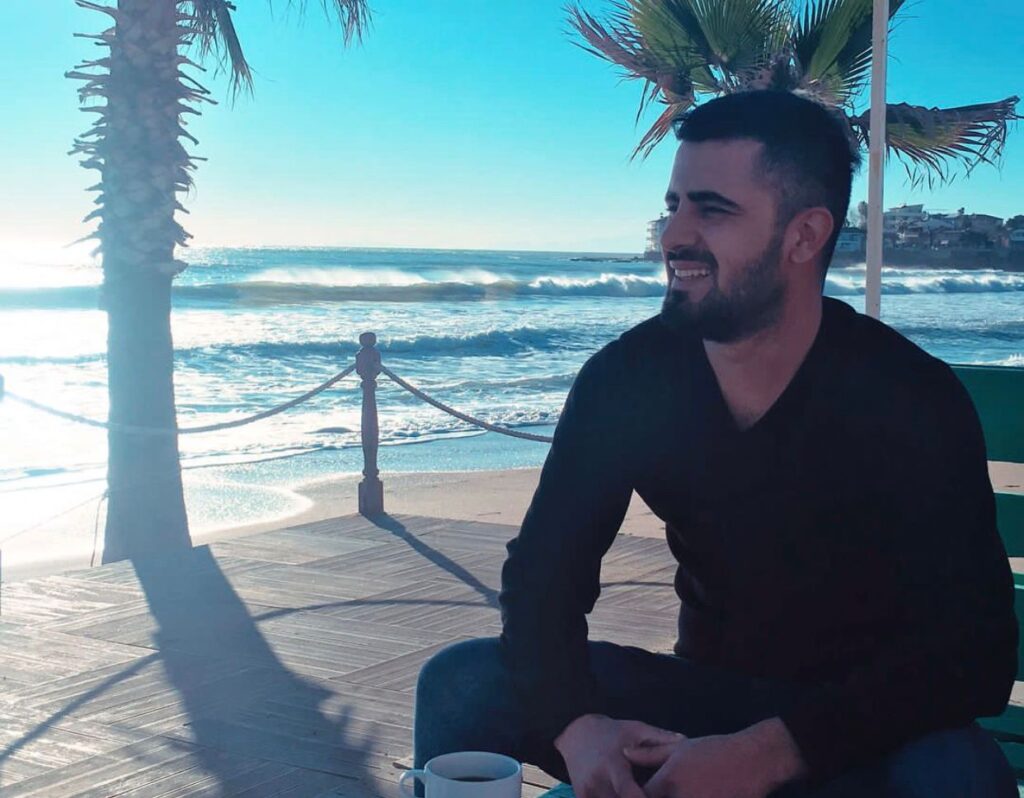
Gökhan Kumak
Eser Kumak stated that official authorities from Germany did not reach them. Gökhan Kumak’s body, like Hogir Alay’s body, was seen hanging from a tree in the forest. It was sent to Turkey on April 14, 2024. In the autopsy performed, it was written that he had a heart attack. However, the family does not believe this finding. Eser Kumak states that due to the heavy situation they experienced, they could not think to request an autopsy in Turkey as well. The family provided the information that no investigation has been opened in Turkey regarding Gökhan Kumak.
Someone from Germany calls the family: Don’t go to the ECHR On April 18, 2026, someone who identified herself as Ute Classen and stated she was a social service official in the city of Bad Wildungen sent voice messages to the family via WhatsApp from Germany. In the voice recording sent in German, the person states that Gökhan had psychological problems, that everyone tried to help him, but he committed suicide nonetheless. The voice recording also says, “I would not recommend you to apply to the European Court, because here in Bad Wildungen, nothing happened to justify this.”
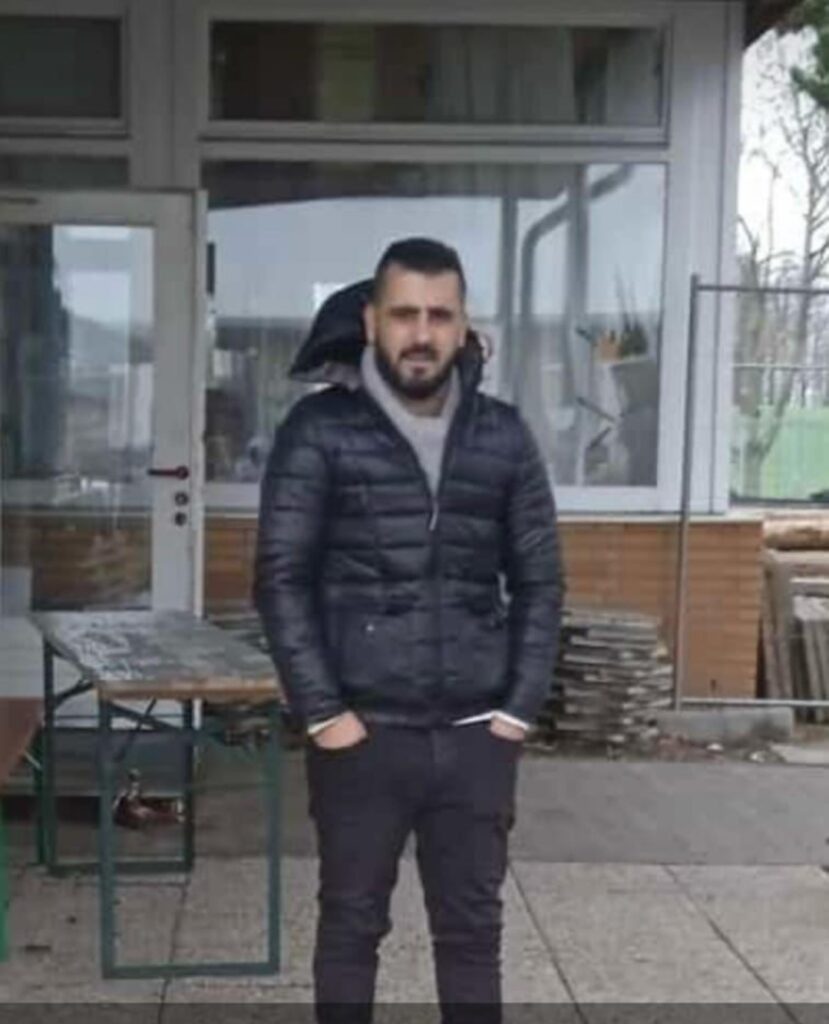
Gökhan Kumak
Pena-Ger: Suicide attempts of refugees are not being recorded
Pena-Ger is a non-profit non-governmental organization providing online counseling services for refugees throughout Germany. Dealing with the files of Gökhan Kumak and Hogir Alay, the organization is preparing to restart the legal process for both files. According to Pena-Ger, a series of death cases occurring among Kurdish refugees in Germany in recent years, which are mostly evaluated as suicides, are known. However, according to the organization, there is no precise statistical record specific to this group, and they argue that this lack of data points to a more fundamental problem: that suicides or suicide attempts among refugees in general are not systematically recorded in Germany.
According to DRK Rheinland-Pfalz, which operates as part of the Red Cross in the German state of Rhineland-Palatinate, a large portion of these cases remain invisible because they are not recognized or documented as a result of structural problems. This invisibility leads political decision-makers to not take the need for adequate psychosocial support for refugees seriously enough, and this situation leads to serious consequences. The organization states that despite this, structural patterns are identified through individual cases and media and civil society reports.
“Problems of Kurdish refugees remain invisible”
Pena-Ger draws attention to another point: neither the German Federal Statistical Office nor the Federal Office for Migration and Refugees makes a distinction based on ethnic origin. Therefore, the specific problems experienced by Kurdish refugees in particular remain statistically invisible. Especially collective accommodation centers, deportation detention, and similar restrictive conditions negatively affect psychological health. Isolation, lack of privacy, and constant fear of deportation deepen existing crises and increase suicidal thoughts. At the same time, the psychological problems of refugees are frequently distorted in the public eye through a security perspective.
Pena-Ger believes the causes of the suicide cases and attempts are structural. In addition to inadequate psychological support, the failure to forward complaints, insufficient protection mechanisms, and staff shortages, it is stated that living conditions within the acceptance system lead to re-traumatization. Long asylum processes, collective housing, lack of privacy, and constant uncertainty deepen existing traumas. The legal situation regarding access to health services is also thought to be a critical factor. It is stated that the Asylbewerberleistungsgesetz (AsylbLG) seriously restricts access to psychotherapy in particular. In the first 36 months, only acute illnesses are treated. This leads to many refugees being unable to access the necessary treatment.
Beybûn Şeker from Pena-Ger states that as an institution, they try to offer active support: “Every day we encounter people who experience suicidal thoughts or live in deep despair without support. In Germany, the mental health of refugees usually comes to the agenda for a short time only after sensational events. Millions of refugees are portrayed as threats by being generalized, but this is not the solution.”