The search for a “new Albania”: Tirana streets have been up for 24 days

By Erisa Kryeziu

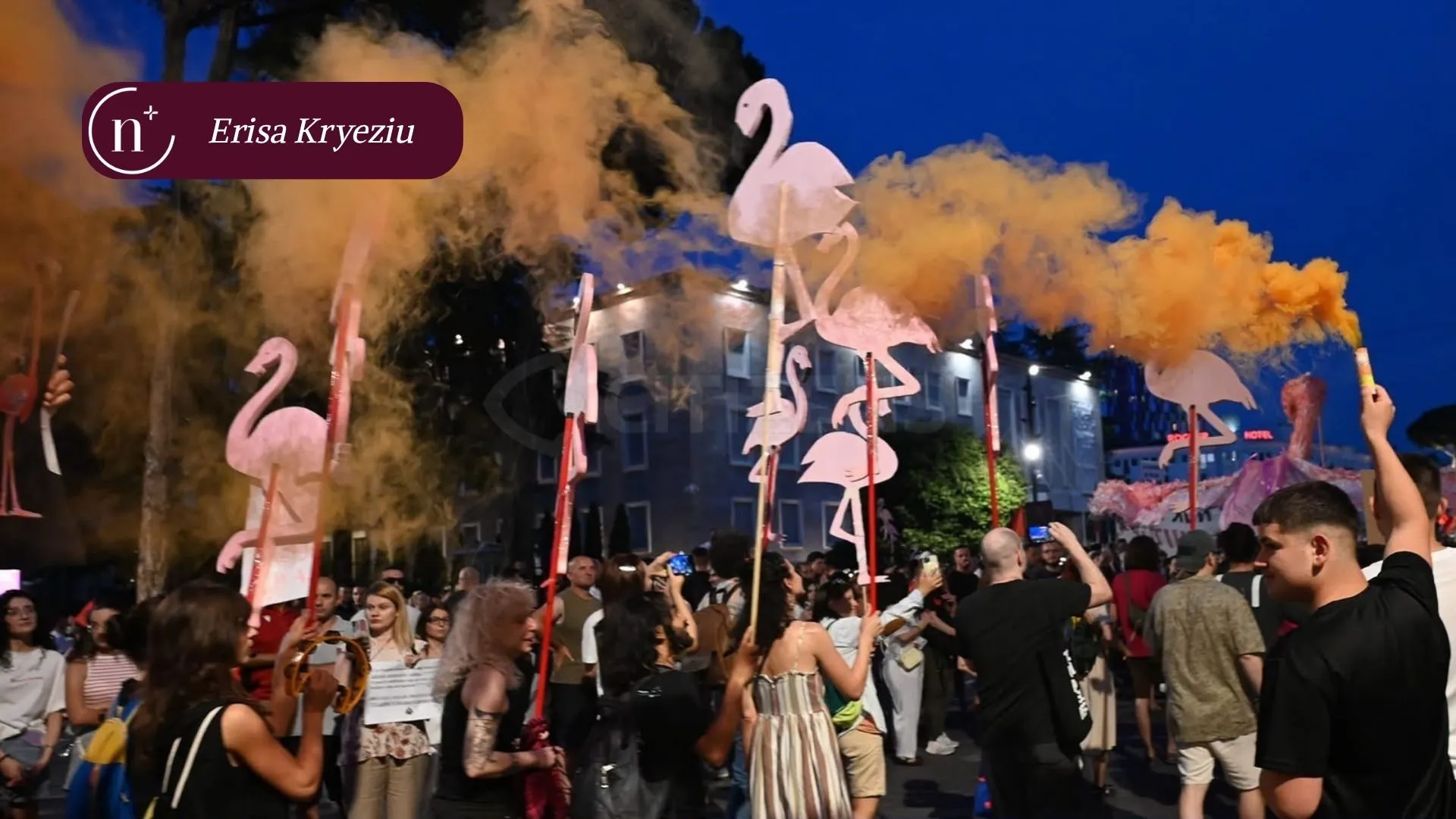
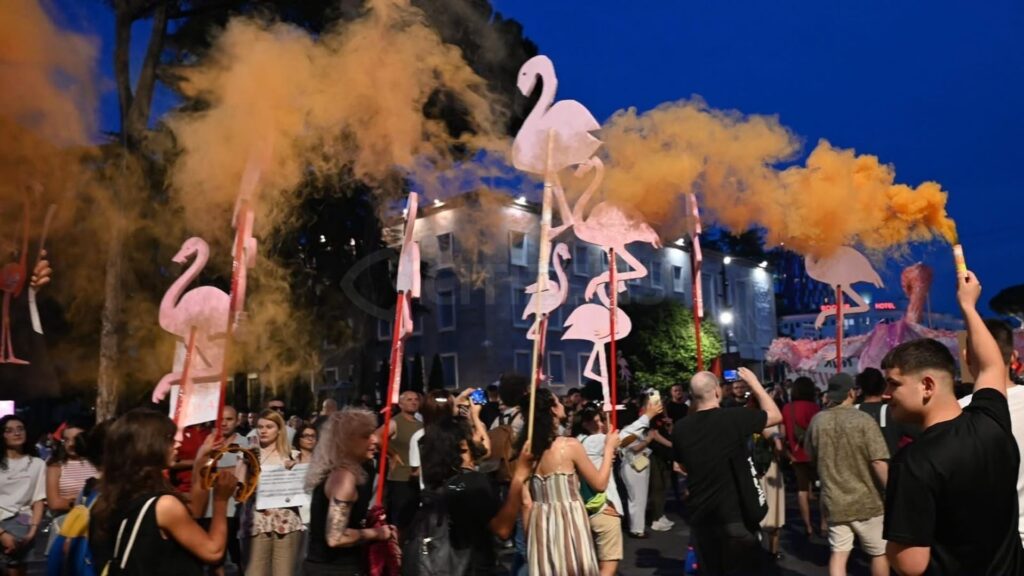
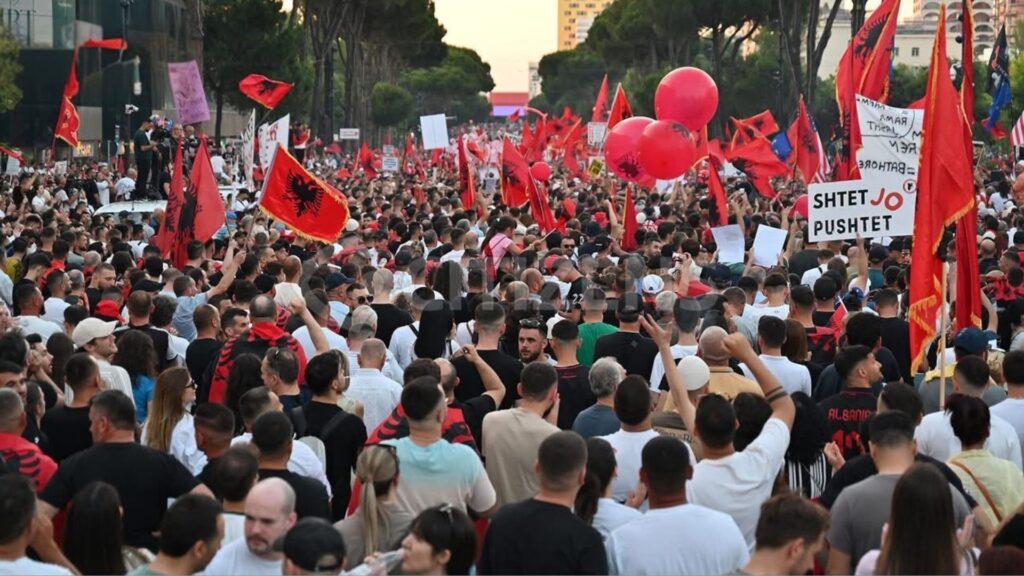
In Tirana, protests that began as an environmental movement have transformed into a mass anti-government movement, with demonstrators demanding the resignation of Prime Minister Edi Rama and fundamental institutional reforms.

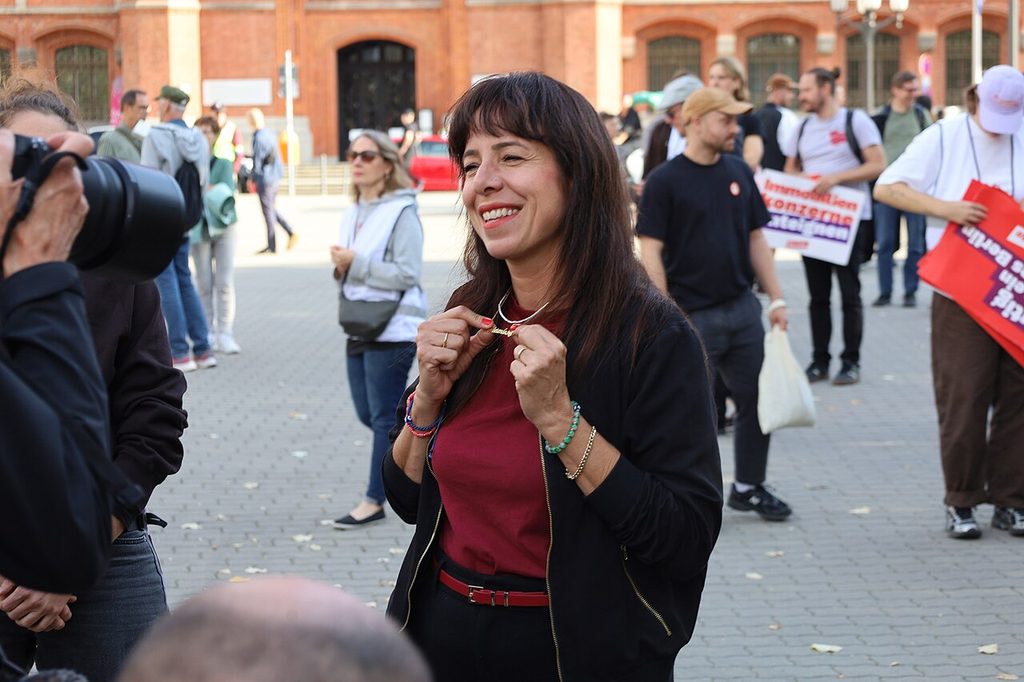
Photo: Citizens Channel

The citizen-led protest movement against the Albanian government has entered its 24th consecutive day, marking one of the longest sustained civic mobilizations in the country in recent years. Every evening, protesters have gathered in central Tirana to express their dissatisfaction with the government of Prime Minister Edi Rama, demanding political and institutional changes that, in their view, would ensure a more democratic system that is more accountable to citizens.

What began as a protest against the construction of tourist resorts in the protected Pishe Poro–Narta area has now evolved into a broader movement against the government and the way Albania has been governed over the past 35 years by all major political parties. Protesters are calling for a “New Albania” and for investigations into all politicians who have held power and made decisions that they believe have harmed the Albanian people.

After more than three weeks of daily demonstrations, the organizing group unveiled five key demands, which they described as “legitimate and non-negotiable.” The first demand is the immediate resignation of Prime Minister Edi Rama and his government. Organizers argue that the government has lost its legitimacy to govern and that a political solution is needed through the establishment of a transitional technocratic government.

The second demand calls for the creation of a non-partisan technical government with a limited mandate, which would administer the country for at least one year and prepare the conditions for free elections and institutional reforms. Protesters are also calling for constitutional amendments and electoral reform, which they argue should be approved through a popular referendum.

The list of demands also includes changes to the law on political party financing, with organizers arguing that the current system lacks transparency and allows illicit interests to influence politics. Another demand seeks to introduce a constitutional limit of no more than two terms for any prime minister.

In addition to these demands, organizers have reiterated their opposition to several government policies, including legal changes affecting protected areas, cultural heritage sites, and the strategic investor scheme, which they consider a mechanism that has facilitated controversial development projects.

Photo: Citizens Channel

While the protests have remained largely peaceful, tensions between the organizers and Prime Minister Rama have intensified in recent days. Activists accuse the prime minister of publicly targeting and discrediting protest participants through statements and social media posts that they describe as defamatory and dismissive. The government, on the other hand, has downplayed the protests and questioned the motives of the organizers.

Organizers and participants say the demonstrations will continue every evening until their demands are met.

The protests are unfolding in a highly polarized political environment and represent the most sustained civic challenge faced by the Albanian government in recent months. It remains unclear whether the movement will lead to concrete political or institutional changes, but it has already become a significant expression of public discontent and demands for greater accountability in Albania.

Belfast riots raise concerns about anti-immigrant violence

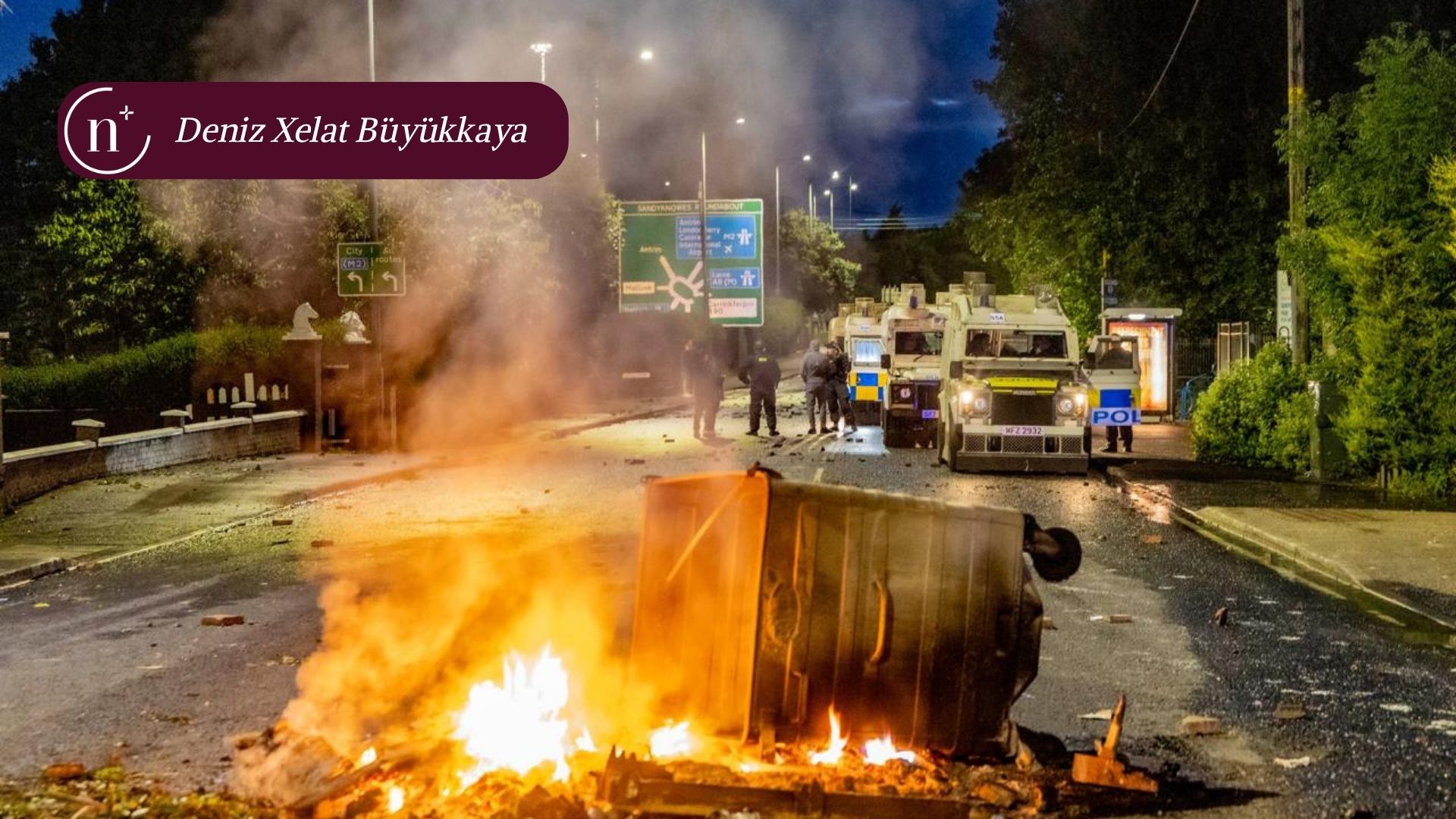
A stabbing incident in Belfast has sparked violent anti-immigrant riots fueled by social media misinformation, raising serious concerns about racism, public safety, and Northern Ireland’s fragile social fabric.

Image: Kevin Scott (@Kscott_94)

Riots in Belfast after a serious knife attack have raised concerns about anti-immigrant violence, misinformation on social media, and whether police and political leaders can stop tensions from growing.

The riots started after Stephen Ogilvie was seriously injured in a knife attack in north Belfast on 8 June. A 30-year-old Sudanese man, Hadi Alodid, was later charged with attempted murder, carrying a knife in public, and making threats to kill. He has not been convicted, and police have not publicly confirmed a motive for the attack.

The incident quickly became more than a criminal investigation. Videos and claims about the attack spread rapidly online. The suspect’s nationality and immigration status became a major topic of discussion. Soon after, anti-immigration protests took place in parts of Belfast, and some of these protests became violent.

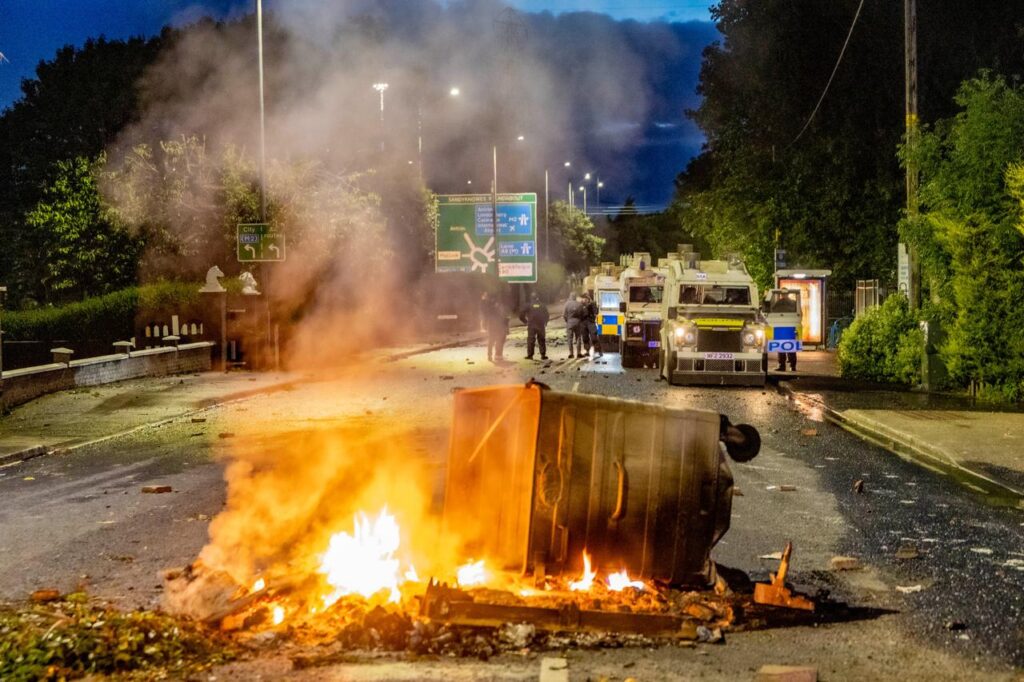
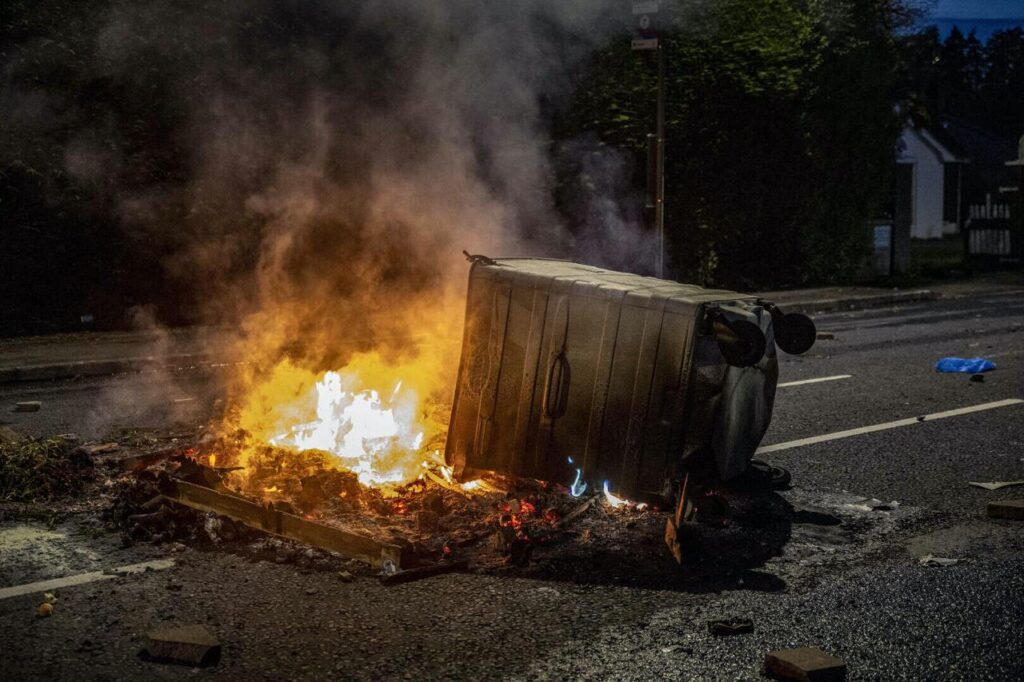
Police officers were attacked with bricks, bottles, and fireworks. Vehicles were set on fire, and homes and businesses were damaged. Some properties linked to migrants or ethnic minority residents were also targeted. The Police Service of Northern Ireland (PSNI) responded by deploying public order units and using water cannon and plastic bullets.

The violence prompted warnings from community groups that minority families were living in fear. Some people had to leave their homes for their own safety. Police asked the public to remain calm and avoid sharing material that could increase tensions.

In a statement released through the PSNI, Ogilvie’s family said they were devastated by the attack. However, they said they did not want the case to divide communities or create hostility towards migrants. They added that many migrants make an important contribution to the country and should not be blamed for the actions of one individual.

In an update yesterday, Stephen Ogilvie’s family confirmed that he is now out of an induced coma and continuing his recovery. However, his condition remains serious. His family said he has lost sight in his left eye and still faces the possibility of losing sight in his right eye.

Social media misinformation

Political leaders in Belfast and London also condemned the violence. Prime Minister Keir Starmer said the disorder was unacceptable and that those responsible would face the full force of the law. Northern Ireland Secretary Hilary Benn described the violence as “racist thuggery” and said people had been targeted because of their race or background.

First Minister Michelle O’Neill condemned the intimidation of families and the burning of homes. Deputy First Minister Emma Little-Pengelly said that anger about one person’s alleged actions could never justify attacks on innocent people. Justice Minister Naomi Long also criticised people who were using fear and anger to encourage anti-immigrant actions.

Long said social media had helped increase tensions. According to The Guardian, some people encouraging the riots were not even from the local area, saying that they would have “struggled to find Belfast on a map”.

The role of social media has become one of the central issues following the riots. Police and politicians say that videos, rumours, and inflammatory posts online helped make the situation worse. There are also concerns that threats against migrant-related addresses were not taken seriously enough before the violence began.

Image: Kevin Scott

The Guardian reported that a volunteer group called The Accountability Project Northern Ireland sent many reports to the PSNI between November 2025 and June 2026. The group warned police about anti-immigration activity online and about addresses being shared in extremist networks. A spokesperson said that a list circulated during the riots appeared to match one that had previously been sent to police.

The PSNI says investigations are continuing. Officers are trying to identify those involved in the disorder and are monitoring online activity. Police are also taking steps to protect people and places that may be at risk.

Northern Ireland’s context

The riots have been compared to other anti-immigrant violence in the UK. In 2024, riots broke out in several towns and cities after the murder of three girls in Southport. False information about the attacker spread online, and mosques, asylum accommodation, and police officers were targeted. A parliamentary report later described the unrest as the worst public disorder in the UK since 2011.

Northern Ireland also witnessed anti-immigrant violence in 2025. Riots erupted in Ballymena after two teenagers were accused of a serious sexual assault, but the riots soon moved beyond the specific criminal allegation and turned into hate-motivated attacks against migrant communities. Homes, cars, and businesses were burned, and police described the disorder as hate-motivated. Reuters later reported that the charges against the teenagers were withdrawn, highlighting how an unproven allegation had been mobilised to justify collective hostility toward immigrants.

The Belfast riots appear to fit a wider pattern in which serious crimes or allegations can quickly become a focus for anti-immigrant mobilisation, especially when claims and rumours spread online.

The events have also renewed debate about Northern Ireland’s unique social and political situation. Belfast has a long history of sectarian division and political conflict. Because of this history, outbreaks of street violence are especially concerning. The Guardian reported that the riots led to questions about possible loyalist paramilitary influence, although there is currently no clear evidence that such groups organised the disorder.

For police and political leaders, the challenge is now about more than restoring order. They also face pressure to respond more effectively to online threats, misinformation, and the targeting of minority communities after local incidents.

The criminal case connected to the knife attack will continue through the courts. However, the violence that followed has already left Belfast facing difficult questions about racism, social media, policing, and the risk of blaming entire communities for the alleged actions of one person.

Letter written by Waisi who murdered in Iran came out

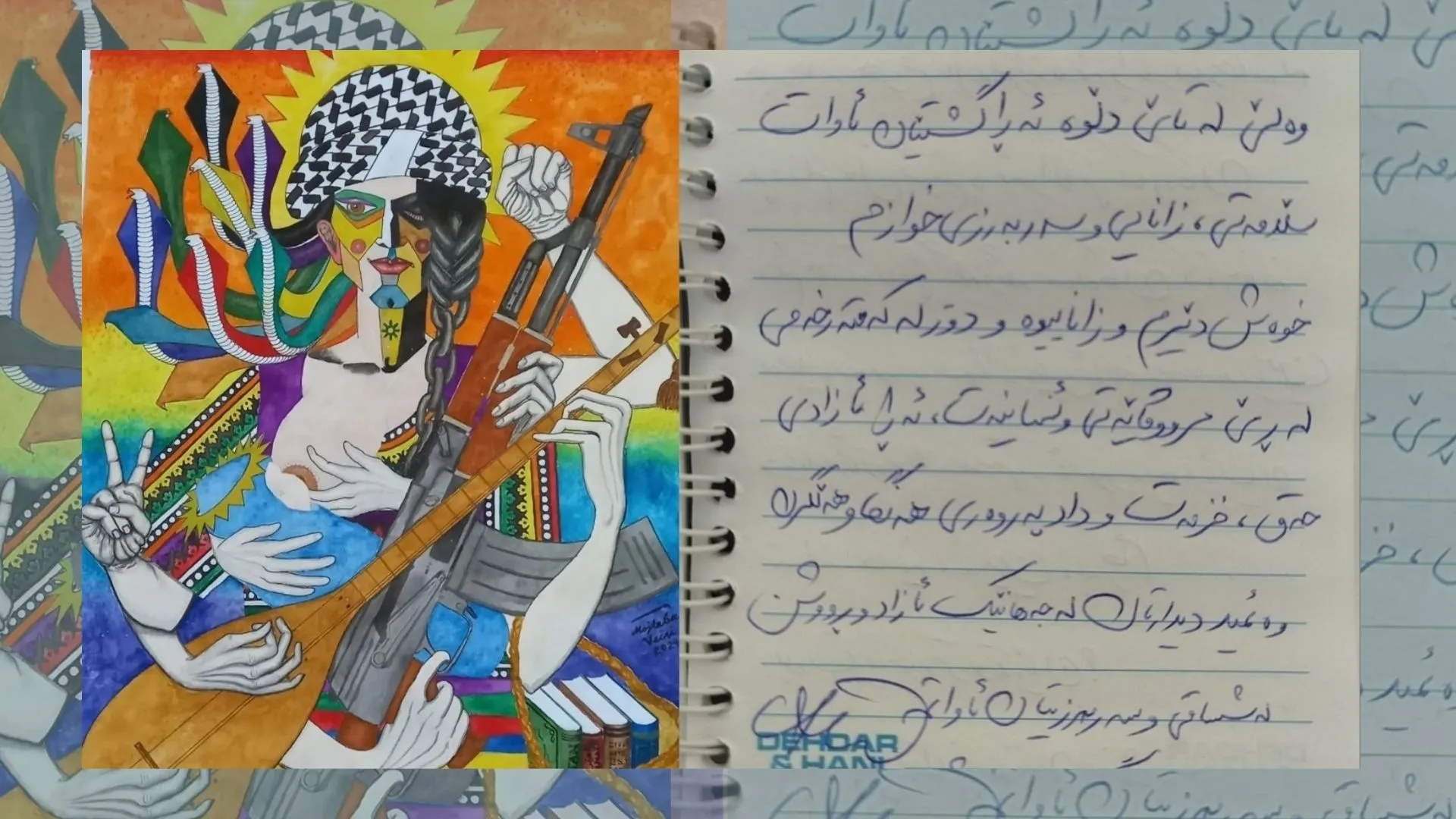
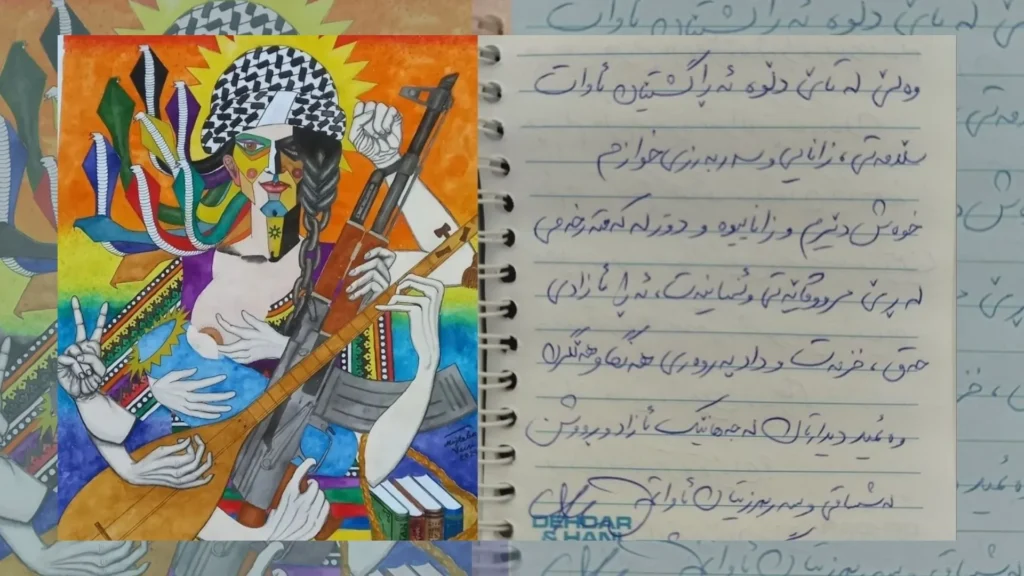
Since the ceasefire signed between Iran and the U.S. on April 7, dozens of Kurds have been executed and many others killed. The letter and watercolor paintings addressing children, created by Kurdish activist Mojtaba Waisi, who was most recently killed by the Revolutionary Guards, have been widely shared in the media.

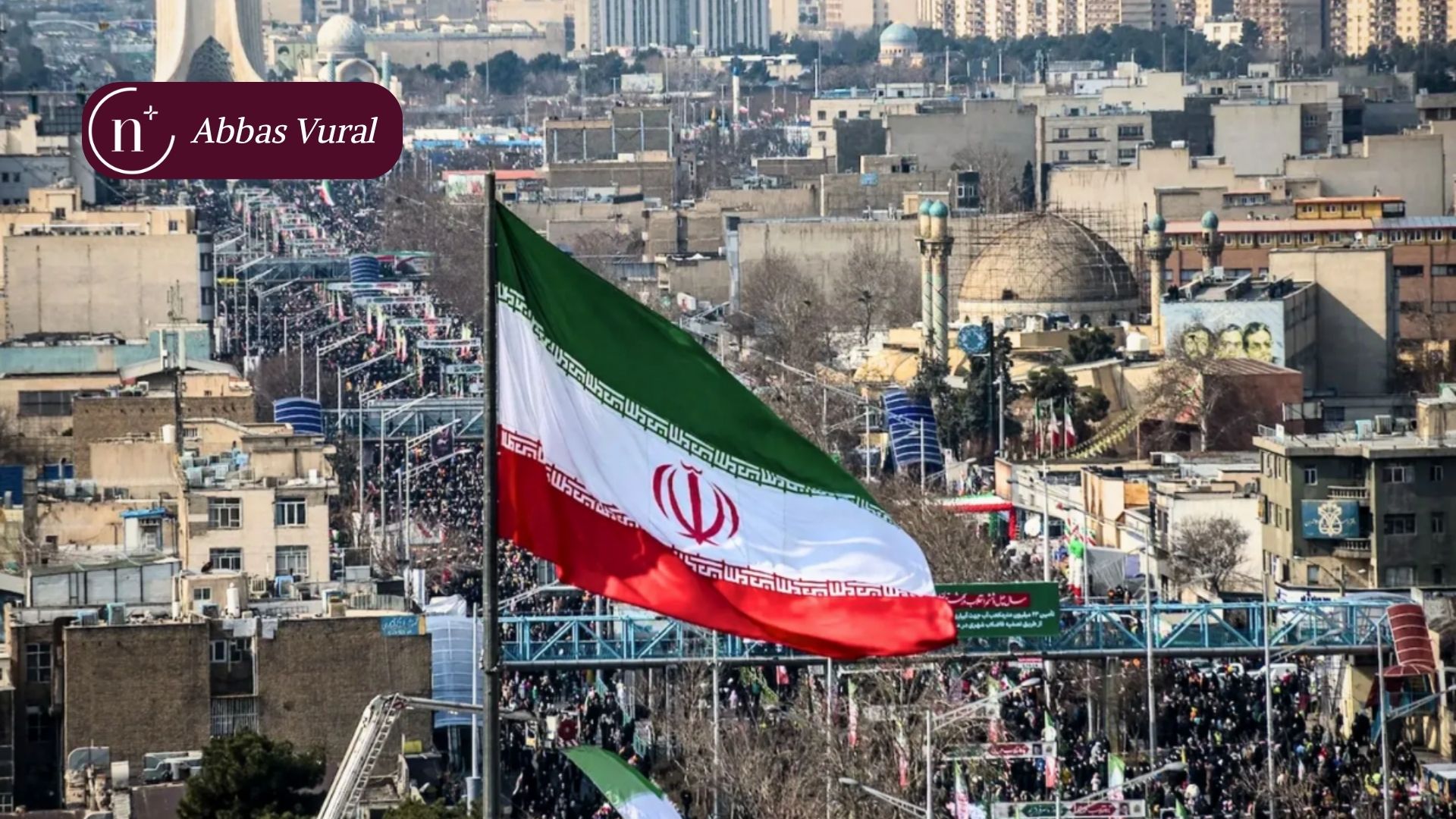
The ceasefire, which began on the 40th day of the Iran-U.S. war (April 7) and was initially set to last two weeks, continues to be in effect officially under Pakistani mediation. While Iran continues its negotiations with the U.S., it has maintained its repressive policies within the country during this period and executed many Kurdish prisoners facing political and “security” charges.

Mojtaba Waisi: “Power must be used to serve humanity”

On May 28, Mojtaba and Maysam Waisi were shot and killed in their family home in the Mehdiye neighborhood (Dare Daraz or Dîrij) of Kermanshah by the Islamic Revolutionary Guard Corps. Following this incident, a letter written by Mojtaba Waisi to the children attending the library he founded, along with his artworks, came to light.

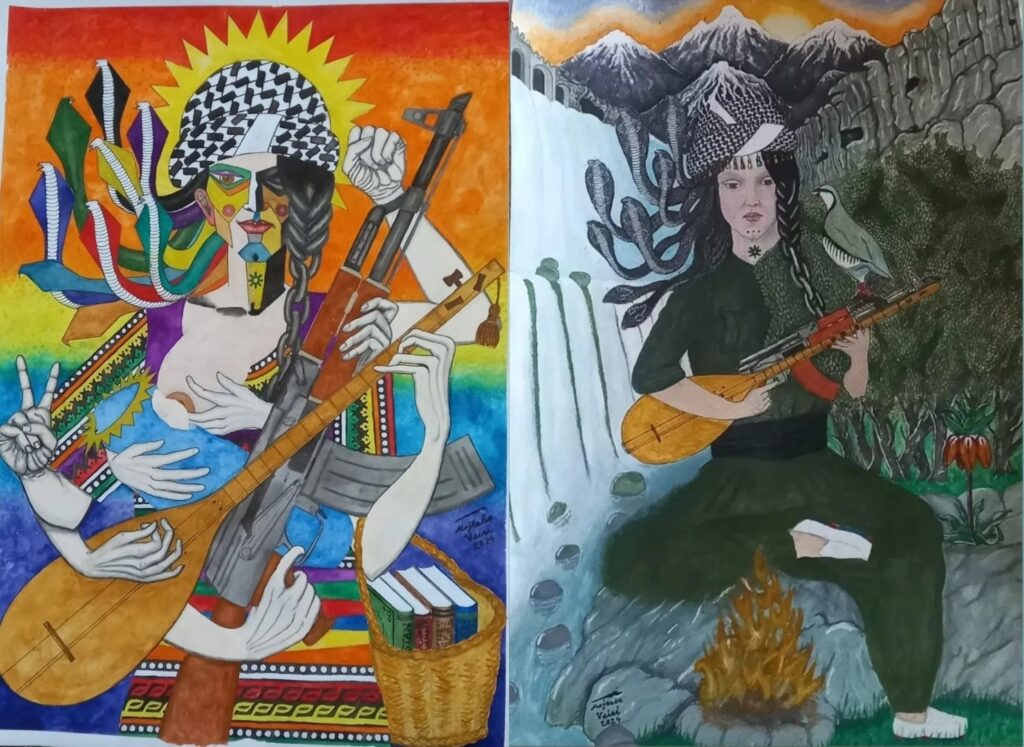
Signed artworks of Mojtaba Waisi.

It was learned that two of Mojtaba Waisi’s signed works depicting a Kurdish woman were created using watercolor.

Here is the translation from Sorani Kurdish to English of the two-page letter written by Mojtaba Waisi:

Sometimes my feelings take flight toward that library where my soul flutters its wings for books. I miss every single child in that library: Mehiya, Mahbub, Sena, Aylin, Servinaz, Hena, Mübin, Diana, Atusa, Hesti, Alov, Negar, Ayda, Terane, Haniye, Aydın, Berhem…

I wonder if I’ll ever get to see them grow up and witness their futures? I don’t know if I’ll be able to bear witness to their futures and their adulthood. But from the depths of my heart, I wish each of them health, wisdom, and a life of honor. I love them; I wish for them knowledge and wisdom, to stay away from people’s tricks and deceptions, to be filled with humanity and reflect it, to have freedom, to seek justice, to serve the people, and to stand firm like ancient, noble oak trees. With the hope of seeing you in a free and enlightened world… The prosperity of the homeland and your greatness are my greatest wishes. May justice be with you; may justice be your supporter and refuge.

Under all circumstances, I am filled with despair and mental turmoil. Despair regarding an uncertain future… A despair stemming from not knowing what will happen, from being unable to foresee how events will unfold. How long will this situation continue? Will this tyrant’s reign come to an end—will this era of oppression finally cease? Or will another tyrant rise in his place? Will this vicious cycle repeat itself once more? How will the dictator’s power be overthrown and shattered?

Should the brave pay the price of freedom with their lives and all they possess, while the dishonorable and cowardly seize power and arrogance and ascend to the throne of rule and governance? Should those noble people who fought and lost their lives leave behind nothing but their photographs, now confined to prisons? Will the result of my comrades’ efforts and deaths be that the power over the nation’s future falls into the hands of those who seek it solely for their own interests? Yet power must be used to serve people and humanity. Before long, the bonds and chains of this captivity will be forged anew…

But the sorrow of rising up to fight against the oppressors is not a source of despair for me; on the contrary, it is the very essence of the flow of life and the meaning of existence. In this empty and meaningless world where I have found my own meaning, merely surviving and bowing to oppression out of fear of death is nothing but shame and humiliation.

Yours faithfully,

Your supporter and defender.”

According to the Kurdistan Human Rights Network (KHRN), the two brothers had previously been subjected to repeated pressure, threats, and detention by security forces due to their cultural activities and participation in anti-government protests.

It was reported that approximately one year ago, the two brothers, along with other cultural and literary activists, contributed to the establishment of the Darreh Drezh Kurdish library and organized cultural and artistic events to foster a sense of social solidarity among children and youth in the impoverished region. It is also known that the two brothers participated in the organization of many Newroz celebrations in the city and carried out various artistic projects in Kermanshah.

Deaths continue after the ceasefire

Since the ceasefire declared between Iran and the U.S. on April 7, 2026, the Iranian regime’s arrests, political executions, capital punishments, and attacks on Kurdish regions have continued. Human rights organizations have reported that this repression and the massacres have continued even after the ceasefire.

Individuals killed and executed by the Iranian regime following the April 7 ceasefire

April 7, 2026

Mohsen Eslamkhah

Hana Human Rights Organization reported that Mohsen Eslamkhah, a detained individual from Bukan, has been sentenced to death by the judiciary of the Islamic Republic of Iran.

April 14, 2026

Ghazal Mawlan

Ghazal Mawlan, an 18-year-old Komala member who was severely injured during Iran’s drone strike targeting opposition groups in the Kurdistan Region of Iraq, has passed away. Human rights organizations reported that some hospitals refused to provide treatment due to fear of political pressure.

April 17, 2026

3 killed in attack on PDKI camp

Following the ceasefire, three people lost their lives in an attack carried out by Iranian unmanned aerial vehicles on a PDKI camp in Iraqi Kurdistan. Two women were among the deceased.

April 25, 2026

Nasser Bakerzadeh

The Supreme Court of Iran upheld the death sentence of Nasser Bakerzadeh, a 26-year-old Kurdish prisoner detained in Orumiyeh Central Prison.

May 2, 2026

Nasser Bakerzadeh and Yaghoub Karimpour

In the early hours of May 2, Nasser Bakerzadeh, a Kurdish Sunni, and Yaghoub Karimpour, a disabled Azerbaijani Turk Yarsani citizen, were secretly executed in Orumiyeh Central Prison without prior notification to their lawyers or families. It was noted that prison authorities have since prevented the handover of their bodies. KHRN learned that both individuals had been transferred from the general ward to a security unit in the city on April 30, where they were pressured to record forced video confessions.

May 4, 2026

Mehrab Abdollahzadeh

Kurdish political prisoner Mehrab Abdollahzadeh was secretly executed in Orumiyeh Central Prison without any prior notification given to his family or defense lawyers. Security forces refused to hand over his body to his family.

May 21, 2026

Ramin Zaleh and Karim Maroufpour

Two Kurdish political prisoners, Ramin Zaleh and Karim Maroufpour, who were sentenced to death on charges of “armed rebellion,” were secretly executed in Naqadeh Prison in the early hours of May 21. No prior notice was given to their families or lawyers.

May 23, 2026

Ghazi Kawani

According to reports received by the Hana Human Rights Organization, Ghazi Kawani, a Kurdish shopkeeper from Doletu village in Sardasht County, passed away on May 23 due to severe injuries. Kawani had been critically wounded a few days earlier by direct fire from the armed forces of the Islamic Republic of Iran along the Jasousan border corridor.

May 28, 2026

Waisi brothers

Mojtaba Veysi and Meysam Veysi, two Kurdish Yarsani brothers and cultural activists from Kermanshah, were killed by the Islamic Revolutionary Guard Corps (IRGC) forces on May 28 in Ghaleh-Kouhesh village, located in the Dalahu county of Kermanshah province.

May 28, 2026

Ramazanpour and Marefati

Esmaeil Ramazanpour, 38, residing in Yazd, and Arman Marefati, a 30-year-old Kurdish civilian from Saqqez in Kurdistan Province, were sentenced to death on charges of “enmity against God” in connection with the December 2025–January 2026 protests.

May 30, 2026

Raouf Sheikh-Maroufi and Mohammad Faraji

Hana Human Rights Organization learned that the Supreme Court upheld the death sentences of two Kurdish political prisoners, Raouf Sheikh-Maroufi and Mohammad Faraji. The cases of these two individuals, who reside in Bukan and were detained during the “Woman, Life, Freedom” uprising, have been referred to the Sentence Enforcement Branch.

767
The number of reported detentions during the period from the ceasefire to April 21.
36
The total number of executions reported by KHRN during the war and ceasefire process.
Sources: Kurdistan Human Rights Network (KHRN), Iran Human Rights (IHRNGO), Center for Human Rights in Iran (CHRI). Chronological data only covers deaths, executions, and attacks reported after the April 7, 2026 ceasefire.

*This infographic was created with AI tools, utilizing data from the specified sources.

Iranian experts: “War deepens divisions”

Emami and Talebi stated that the “Iran War,” which has temporarily subsided with a two-week ceasefire, has deepened the fault lines within Iranian society, and that what is currently visible is not “promising.”

On February 28, the US and Israel began attacking Iran. As of April 8, a two-week ceasefire has been declared. But people are still debating the war’s effects and what comes next. We spoke with sociologist Dr. Mehrdad Emami and Iranian journalist Reza Talebi about what’s happening inside Iran and how it’s affecting ordinary people.

Dr. Emami pointed out that before the war, millions of Iranians were protesting side by side against the government. These protests, led mostly by middle and working class people, were strong enough that some called it a near-revolutionary moment. “In many central areas, Iranians were protesting hard, demanding the government be brought down. The state responded with a massacre,” he said.

He also noted that in the December-January protests, a royalist movement (Pahlavism, supporters of the old Shah monarchy) had a growing influence. Many satellite TV channels broadcasting from outside Iran are pro-Pahlavi and backed by the West. Emami said it was predictable that after the Mahsa Amini protests, this far-right nationalist movement would become more organized than leftist or pro-freedom groups. He also blamed the left and feminists for failing to produce a strong leading figure after the Amini protests.

Pahlavism is making divisions worse

Emami noted that according to official figures, over 3,000 people have been killed in the war so far, as a massive trauma for society. He argued that the Pahlavi movement is deepening existing splits:

“Iranian nationalists who spent years calling leftists and feminists traitors are now supporting the continuation of the war alongside the US and Israel. And even though millions of Iranians oppose the current government, being bombed every day pushes people toward wanting peace, not regime change. When your home is damaged and your life is at risk, the most urgent thing becomes stopping the war.”

He also noted a shift among minority communities (Kurds, Baluch, Arabs and others) who have historically been oppressed both under the Shah and under the Islamic Republic.

“These regions were actually at the center of the most recent uprisings, partly because they are resource-rich but their people remain poor. Yet in the December–January protests, turnout in these regions was low, which drew criticism from the nationalist groups leading those protests. As the result, groups that had been coming together in recent movements are now more fragmented than before.”

“Don’t underestimate political Islam”

Emami warned against dismissing political Islam in Iran:

“The left lost the 1979 revolution partly for this reason,” he said. He pointed to the Iran-Iraq war, which lasted 8 years, longer than expected, because the Iranian state at that time was young and still seen as somewhat legitimate, both at home and internationally. The world hadn’t yet seen its true nature.”

He also said that even some pro-war Pahlavi supporters are now split, because Iranians can see that the US is killing civilians and bombing Iran’s infrastructure. “Over time it has become clear that the US main goal is to weaken Iran’s oil, nuclear, and military capabilities, not to liberate its people” he said.

“This war is being fought more in the media than on the ground”

Journalist Reza Talebi said it’s sad that Iranians are stuck between two bad options for information: Iran’s official state media, which can’t go beyond slogans and denial, and international media driven mainly by profit. He added that print journalism in Iran is barely surviving, and most people are now entirely dependent on social media.

“Tension levels are high”

Talebi also spoke about the situation of Kurds and other minority communities living in Iran, and what might happen next:

“I don’t have a full picture of everything being discussed about Kurds, Turks, Arabs, and Baluch people in Iran, but the social and ethnic divisions are nothing new, and they aren’t just caused by the war.

These divisions do get deeper in wartime, of course, and they can lead to new conflicts. Tension levels are high. On top of the divisions between Kurds, Turks, Arabs, and Baluch, there are also splits between religious and secular people, and even if these cracks aren’t fully visible right now, they are very dangerous. If things aren’t handled carefully, situations similar to Syria or Afghanistan are possible.

I can’t see a clear future for Iran, and I also can’t pretend to be an expert on everything. I could be wrong but what I see doesn’t look hopeful. Iranian society is fragile and unpredictable. Maybe shared suffering can create some kind of balance.”

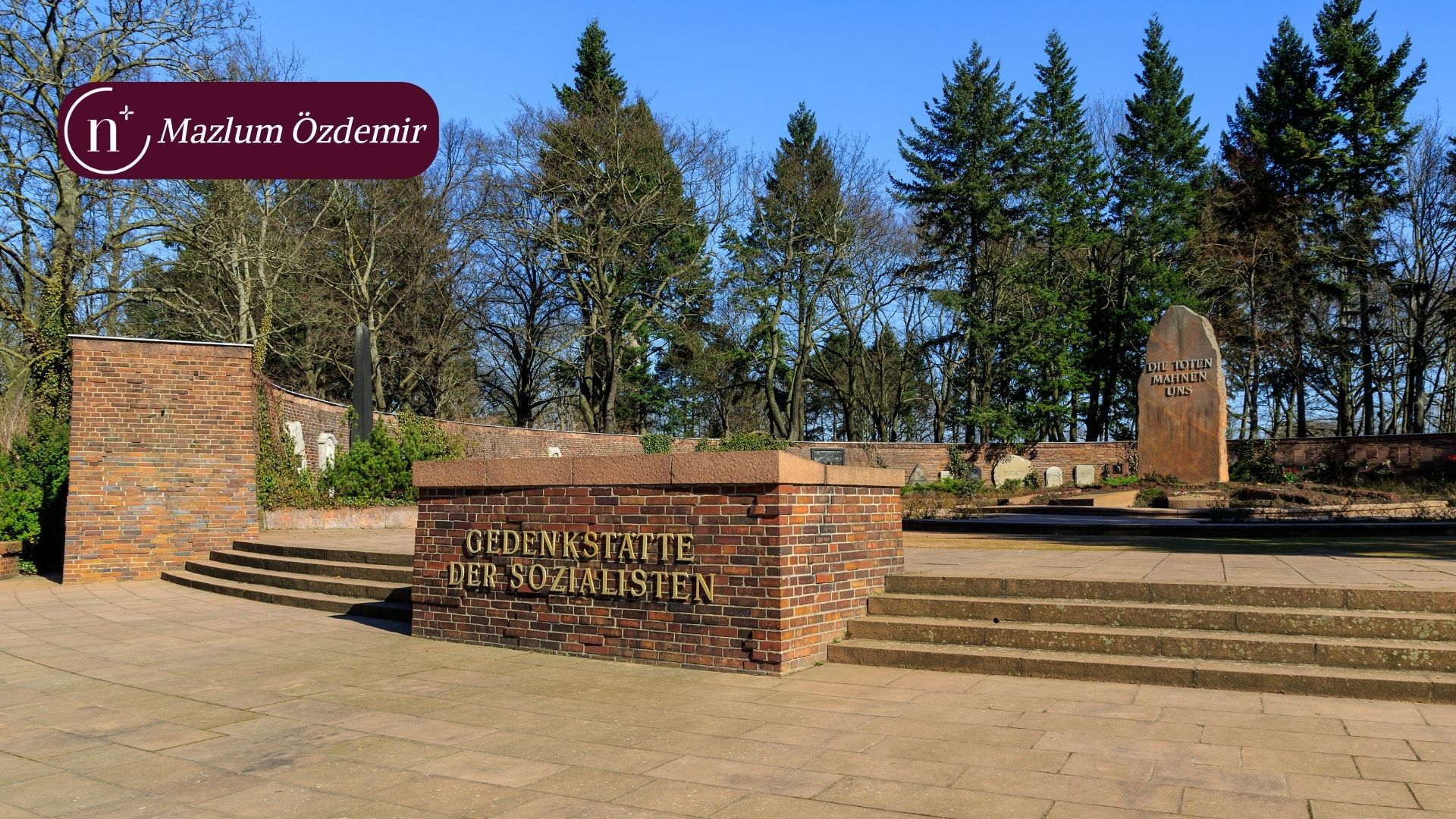
Berlin’s “Socialists Cemetery”: The dead warn us!

In the Socialists’ Cemetery, the revolutionaries of the German Socialist Movement engraved in the history books lie side by side with nameless heroes.

Photo: Wikipedia

As you walk through the silence of a large park in Berlin’s Friedrichsfelde district, you come across three words engraved on a stone: “Die Toten mahnen uns.” In English, “The dead warn us.” With this phrase, you suddenly feel as though an entirely different era has begun, with slogans and marches echoing around you; this is Zentralfriedhof Friedrichsfelde. In other words, the Socialists’ Cemetery

When the Berlin Municipality purchased this 25-hectare site in 1880, it commissioned landscape architect Hermann Mächtig to design the area as a garden cemetery. At the time of its opening, it became the first municipal cemetery open to all Berliners, regardless of faith. No distinction was made between rich and poor… The city’s poor were buried here, with the municipality covering their funeral expenses. For this reason, it came to be known as the “Armenfriedhof,” meaning the “Cemetery of the Poor.”

On one side, the cemetery is home to the well-kept and magnificent tombs of the city’s wealthy families, while on the other lie the graves of thousands of poor Berliners, some lacking even a name… Here, those whose only possession in life was their bodies are “equalized” with the rich in death.

And it is also here that the revolutionaries of the German Socialist Movement, etched into history books, lie side by side with nameless heroes.

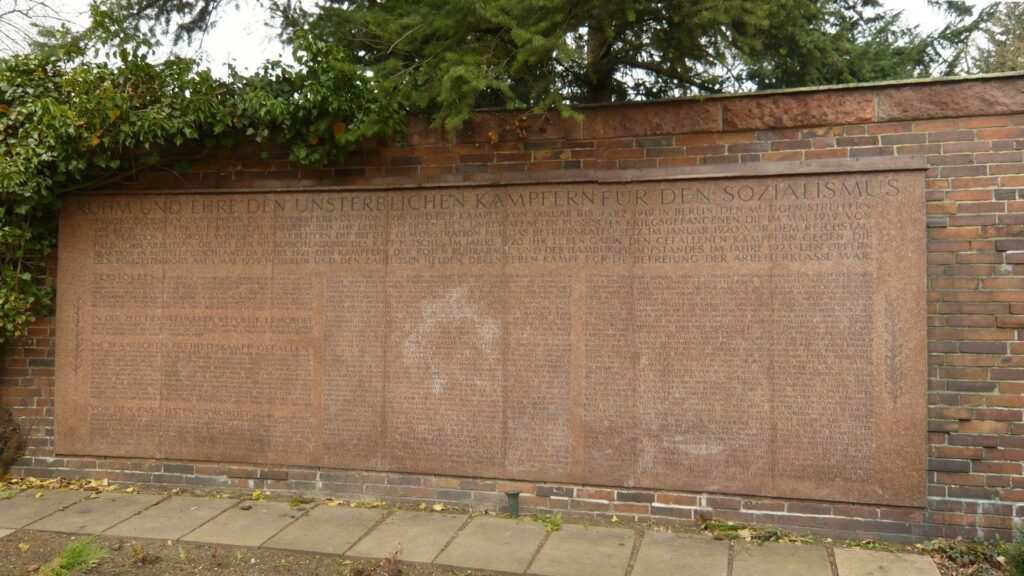
A red marble plaque inscribed with the names of 327 men and women who died fighting against fascism between 1933 and 1945. Photo / Wikipedia
The Funeral That Changed the Cemetery’s Fate

August 7, 1900… Wilhelm Liebknecht, one of the pioneers of the German Socialist movement, suffered a stroke while returning home after working late at the socialist newspaper Vorwärts, which he had been an editor for years, and died at the age of 74. On August 12, Berlin witnessed one of the largest funerals in its history. Tens of thousands of people joined the procession stretching from the city center to Friedrichsfelde Cemetery.

This ceremony and the crowd in attendance did not merely bid farewell to Liebknecht. They also altered the cemetery’s fate. Liebknecht’s burial here instantly transformed Friedrichsfelde into a shrine for the labor movement. His grave, standing like a monument, became a gathering point for generations of social democrats, socialists, and anti-fascists. Subsequently, other leaders of the labor movement, such as Ignaz Auer, Paul Singer, Carl Legien, and Theodor Leipart, were also laid to rest here. Thus, Friedrichsfelde took on the name “Socialists’ Cemetery” and was cemented into the symbolic map of the people’s struggle in Berlin. Thereafter, each new burial added new layers of meaning to the cemetery, accompanied by inscriptions carved into stones and newly erected statues. Each statue became a silent but screaming manifesto.

Rosa is Here: “I Was, I Am, I Shall Be”

January 1919 was a time when the streets of Berlin became the scene of the Spartacist Uprising, echoing with clashes between the Spartacists and Freikorps units (paramilitary forces). On January 15, 1919, more than a hundred revolutionaries, including Rosa Luxemburg and Karl Liebknecht, were massacred by Freikorps troops. Some died in clashes, while others were executed by firing squad in extrajudicial killings…

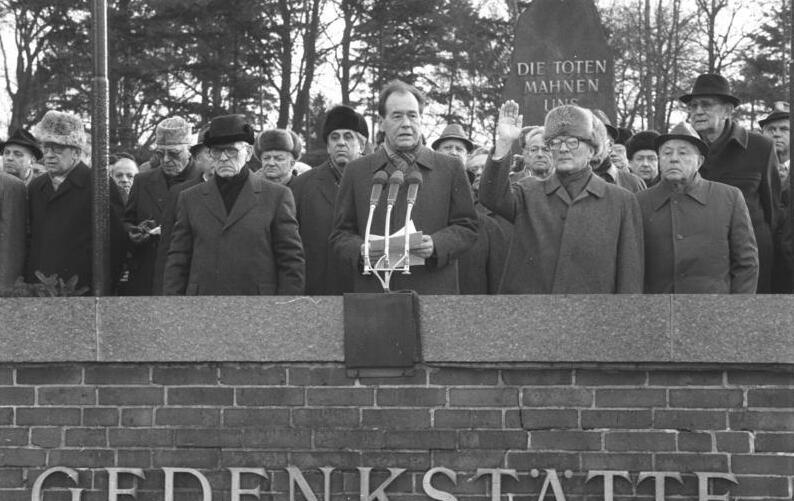
The ceremony attended by high-ranking East German leaders to commemorate Rosa Luxemburg in January 1989. Photo / Wikipedia

The bodies of Karl Liebknecht and 33 others were buried in the Socialists’ Cemetery on January 25. Karl was now in the same cemetery as his father, Wilhelm Liebknecht. Rosa, however, was made to disappear after being killed. It took months to find her body. She was eventually found in May 1919 in the Landwehr Canal, where she had been thrown, and was buried in this cemetery. Rosa was one of the revolutionaries that the fascists feared the most, so that they wanted her body to be lost and for her to be forgotten. But they failed. Rosa is now in the Socialists’ Cemetery, and through her final article, she declares: “Tomorrow, the revolution will already rise up resoundingly and proclaim to your horror with trumpets: I was, I am, I shall be!

Destruction and Reconstruction

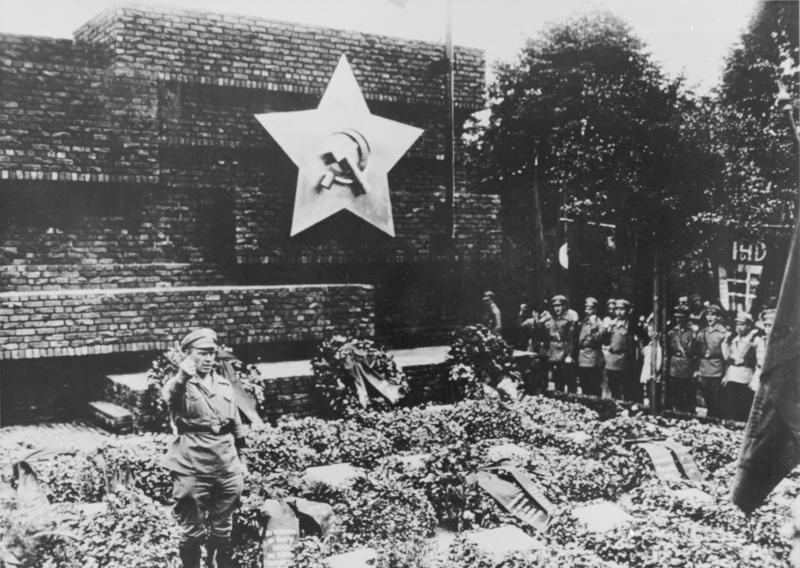
The year 1926 marked a new turning point for the Socialists’ Cemetery. On June 13, 1926, the “Revolutionsdenkmal” (Monument to the Revolution) was unveiled. Built as a red brick cube, it symbolized the resilience of the revolutionary movement and the revolutionaries who were lined up against a wall and executed by a firing squad. However, the Nazi regime destroyed this memorial of the revolution with dynamite in 1935.

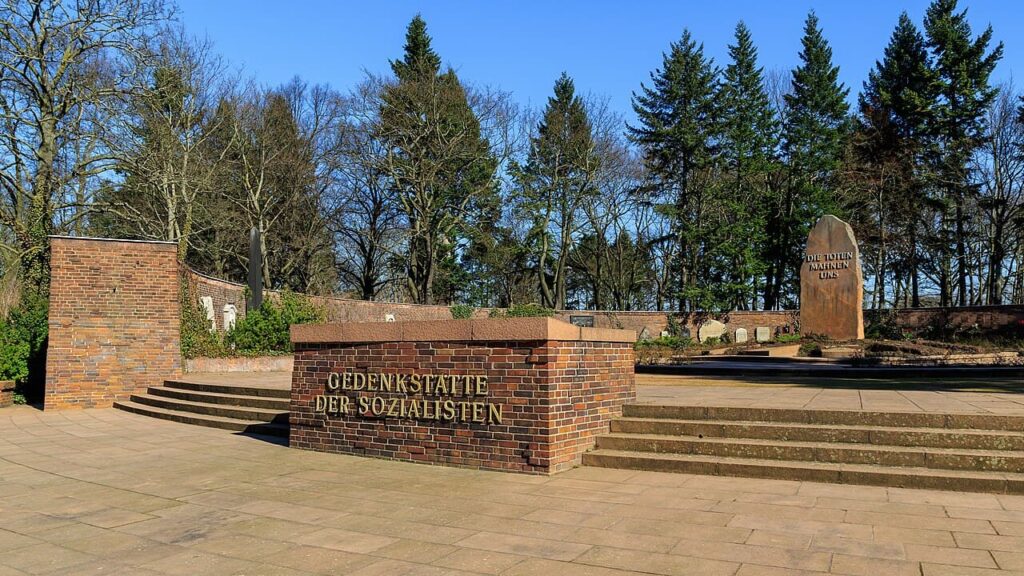
Following the Second World War, the German Democratic Republic (GDR), established in East Berlin, sought to once again glorify the symbols of the labor movement. On January 14, 1951, a new site was opened in the center of the Socialists’ Cemetery: the “Gedenkstätte der Sozialisten” (Memorial to the Socialists). A large porphyry stone was erected right in the middle of the memorial. Only three words are inscribed on the obelisk: “Die Toten mahnen uns” (The dead warn us.) A simple, brief sentence, yet one that strikes every reader to the core…

The monument, designed by Ludwig Mies van der Rohe in 1926 and built in memory of the fallen Spartacists, was destroyed by the Third Reich after 1935. Photo / Wikipedia

During the GDR era, the monument became an indispensable venue for state ceremonies. In the final years of East Germany, while the cemetery became a burial ground for party elites and the state bureaucracy, it was closed to new burials following the fall of the Berlin Wall and reunification of Germany. The existing graves remain standing, preserving history like a stone memory.

The Call Echoing in the Silence

Although the crowds at the official ceremonies held in the Socialists’ Cemetery dwindled after the fall of the Berlin Wall, thousands of people still come here every January, braving the cold, to commemorate Rosa and Karl. The graves of the 327 anti-fascists in the outer semicircle of the cemetery, who took part in resistance networks during the Hitler era, are not forgotten either. Among them are workers, trade unionists, teachers, and ordinary people. Ordinary, but brave people…

The sentence carved in stone continues to ring in the ears of visitors leaving the cemetery: “The dead warn us!” This is not merely a reminder. It is a call that carries the lessons of the past into today and tomorrow. And everyone asks themselves this question: Do the dead in our geography warn us too?

Privacy overview

Niha+ respects your digital footprint within the framework of independent journalism principles and reader privacy. While browsing our site, cookies are used to provide you with an uninterrupted reading experience and to secure the technical infrastructure of our platform. You can manage your cookie preferences as you wish by using the menu on the left. For detailed information on how your personal data is processed, please review our Privacy Agreement and KVKK Clarification Text.