
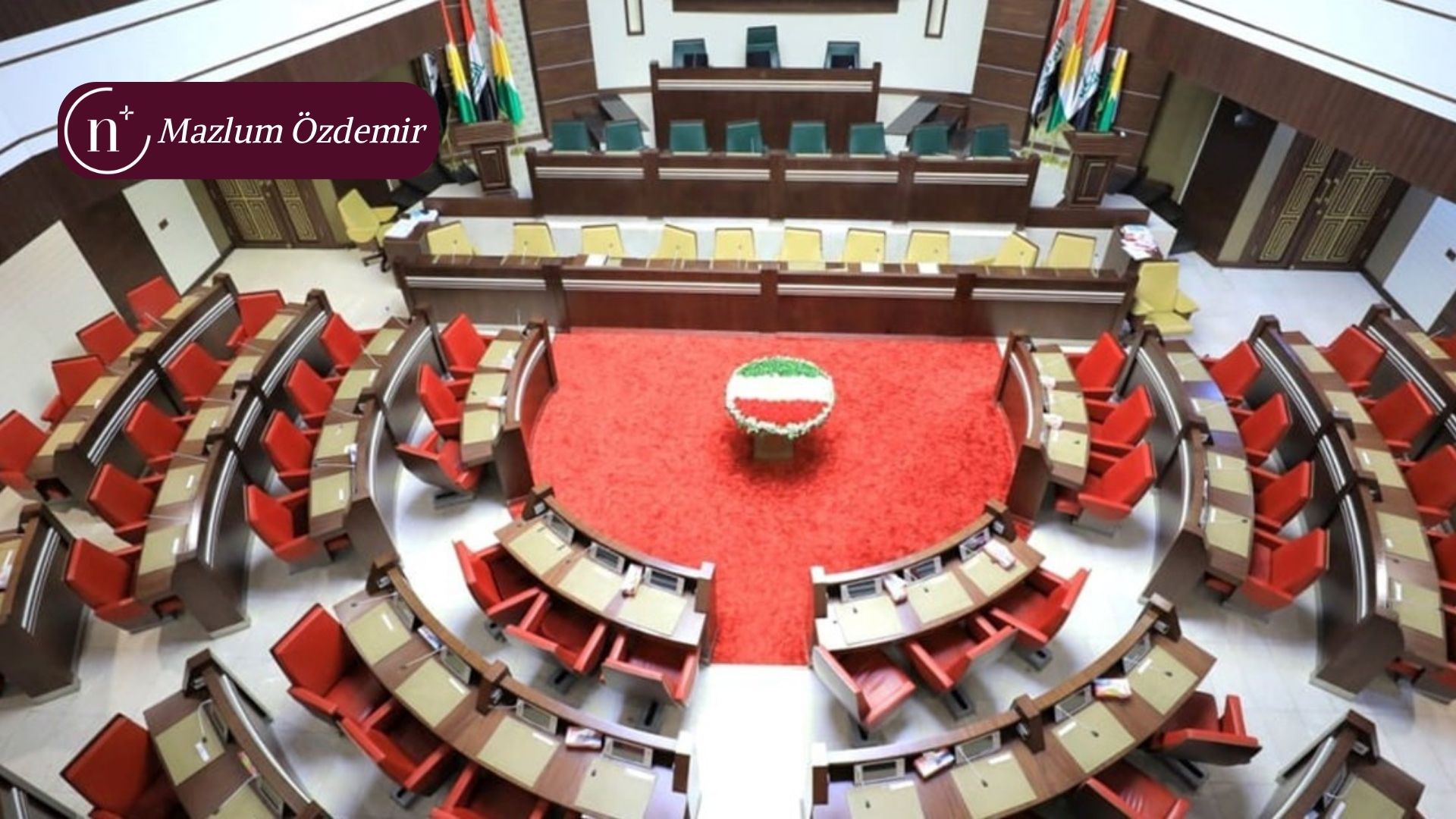
The government crisis, which has been ongoing for more than 20 months, is dragging the Kurdistan Region not only into a political impasse but also into administrative and military division. The search for balance between Erbil and Sulaymaniyah has transcended local politics and turned into a critical breaking point that threatens regional security.
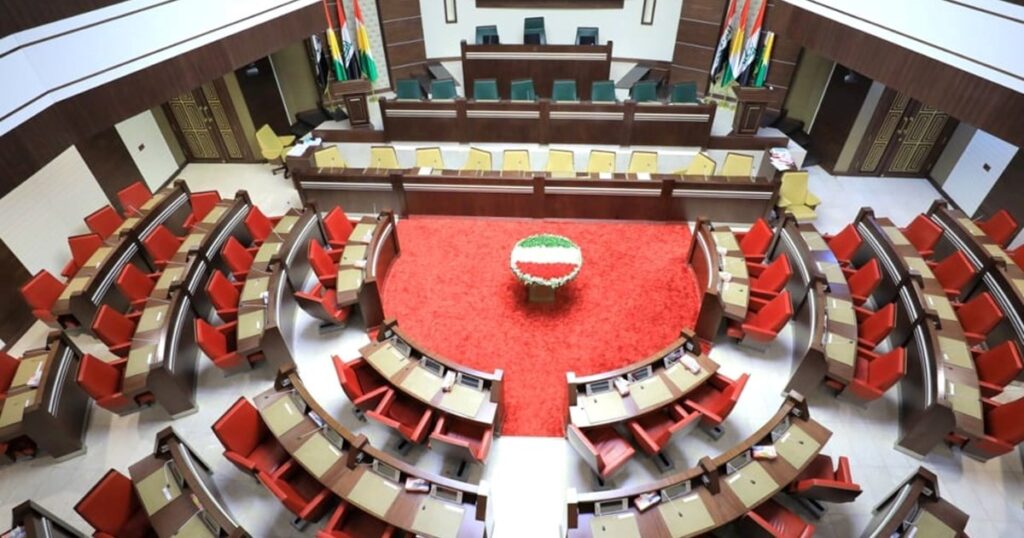
Although more than 20 months have passed since the elections held on October 20, 2024, in the Iraqi Kurdistan Region, a government has yet to be formed. The political crisis in the region is deepening because no coalition has been formed in the 105-seat parliament that can secure a 50+1 majority.
In the elections held on October 20, 2024, the KDP won 40 seats, the PUK 23, New Generation 16, the Kurdistan Islamic Union (Yekgirtî) 7, Helwest 3, the People’s Front (Berey Gel) 2, and Goran and Komal 3 seats each.
Following the elections, more than 30 rounds of talks between the KDP and the PUK—covering issues such as the redistribution of ministerial portfolios and the election of the president—failed to yield results. Since a new government has not been formed, the government established after the previous election has been operating as an interim government for approximately 20 months. This disagreement between the KDP and the PUK was reflected not only in the Kurdistan Regional Government election but also in the Iraqi presidential election, and due to the Kurds’ divided stance, the Iraqi presidential election has also been prolonged.
The core power and absolute dominance area of the KDP covers the provinces of Erbil (Hewlêr) and Duhok. Since Erbil is the capital of the KRI, the weight of the KDP is also strongly felt at the center of the official administrative structure. At the same time, Zakho and its surroundings, which border Turkey, are under the full control of the KDP.
The traditional base and political, administrative, and military control point of the PUK consists of the Sulaymaniyah and Halabja provinces. This region runs parallel to the Iranian border, and the PUK administration ensures the security and local governance of these provinces through its own military (70th Brigade) and administrative cadres.
- Gorran (Movement for Change): Its birthplace and strongest base is the Sulaymaniyah province. Emerging from within the PUK, this movement remains a factor in Sulaymaniyah politics.
- New Generation Movement (Naway Nwe): Its headquarters and main base are predominantly in Sulaymaniyah, but it is the current main opposition that resonates across the region, having also successfully appealed to a certain protest vote in Erbil.
- Islamic Parties: While the Kurdistan Islamic Union (Yekgirtû) maintains a significant presence in the Duhok region, the Kurdistan Justice Group (Komal) is primarily influential around Sulaymaniyah and Halabja.
According to the Iraqi Constitution, which was ratified in 2005, the President is traditionally selected from among the Kurds. Under the agreement between the KDP and the PUK, however, the President of the Kurdistan Region has been selected from the KDP, while the President of Iraq has been selected from the PUK ever since. As the two parties could not reach an agreement on the presidential election, they entered the race with different candidates; the election held on April 11 was won by the PUK’s candidate, Nizar Amedi. The KDP, however, boycotted the election and announced that it did not recognize Nizar Amedi as the representative of Kurdistan.
In a statement issued by the KDP Politburo, it was stated: “The candidate nominated for the office of President has been excluded from Kurdish mechanisms. Yet this office belongs not to a party, but to the people of Kurdistan. However, the candidate in question for this office was designated by a party and endorsed by certain parties affiliated with other components of Iraq. For this reason, we reject this election method and will not recognize a person selected in this manner as the representative of the Kurdish majority, nor will we engage with him.”
Government talks ended in a stalemate
While the Iraqi presidential election was resolved in this manner, the formation of the regional government remained unresolved despite dozens of rounds of talks. According to political conventions in the Kurdistan Region, the office of Prime Minister of the Kurdistan Region has traditionally been shared between the two parties on a two-year rotating basis for each electoral cycle. However, the KDP has not adhered to this convention for some time. The KDP wants to retain the presidencies of the Kurdistan Region and the Prime Minister’s Office. In contrast, the PUK wants more ministerial posts and authority within the government. Until 2023, the KDP was able to form a government by securing a 50 percent majority, including its 11-seat quota. However, in 2023, following a ruling by the Iraqi Federal Court, the number of seats in the Kurdistan Regional Parliament was reduced from 111 to 100, and the number of quota seats was reduced from 11 to 5.
The PUK, which seeks full partnership in the administration of the Kurdistan Region, argues that the KDP has become the decisive factor in decision-making processes and that this has disrupted the political balance.
Along with the disagreement between the parties over control of the Ministry of the Interior and security agencies, the KDP ultimately wants to retain its dominant position in the administration, while the PUK is demanding equal partnership.
This dispute between the KDP and the PUK has brought about numerous negative consequences in the Kurdistan Region. While political, economic, and social crises—including the non-payment of salaries—are being experienced due to the failure to form a government, the resolution of issues between Baghdad and the Kurdistan Region is constantly being postponed due to the fragmented state of relations with the central government.
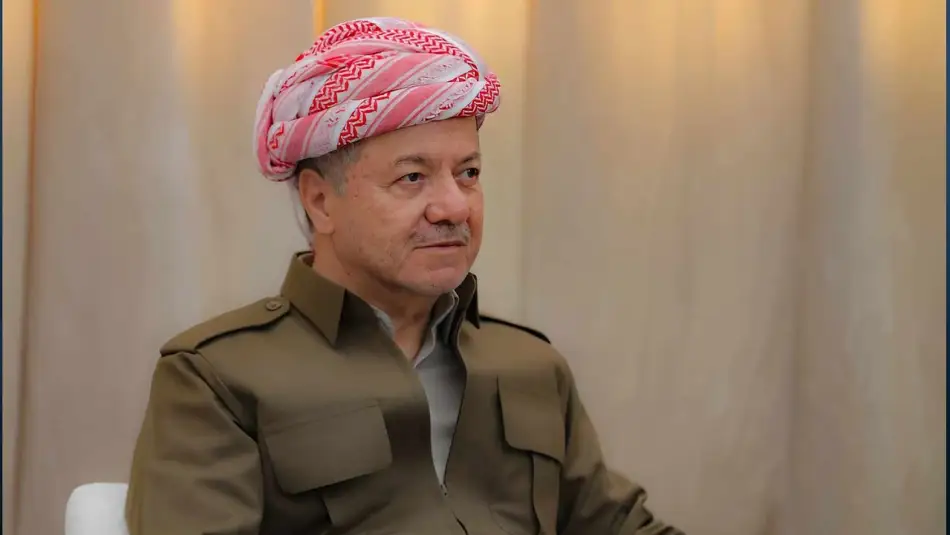
Masoud Barzani
The former president of the Kurdistan Region and the historical leader of the KDP. Although he holds no official government post, he remains the most powerful political figure who makes the ultimate decisions in the Yellow Zone (Erbil-Duhok) and across regional politics.
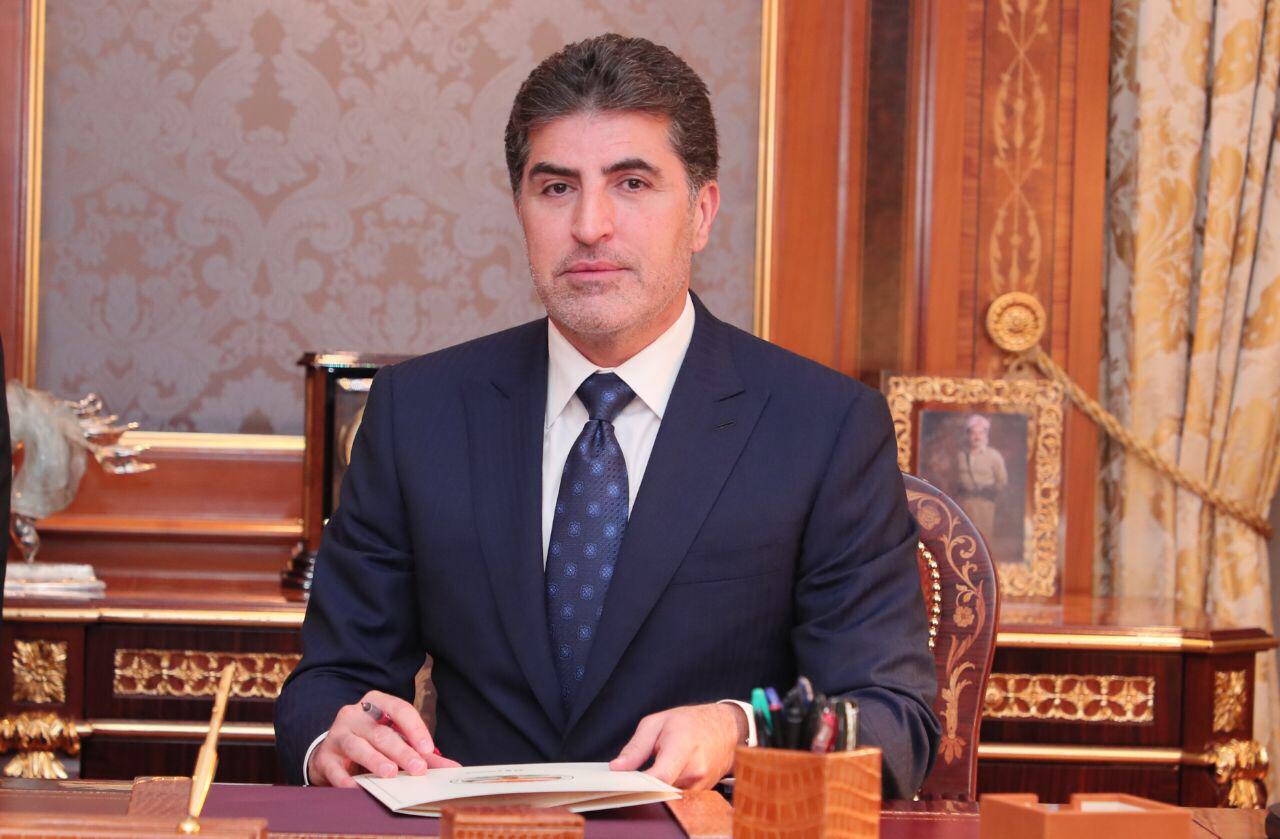
Nechirvan Barzani
The current president of the region. He plays a key role particularly in Erbil-centered diplomacy, managing relations with Baghdad and Ankara, and balancing regional crises between the KDP and PUK.
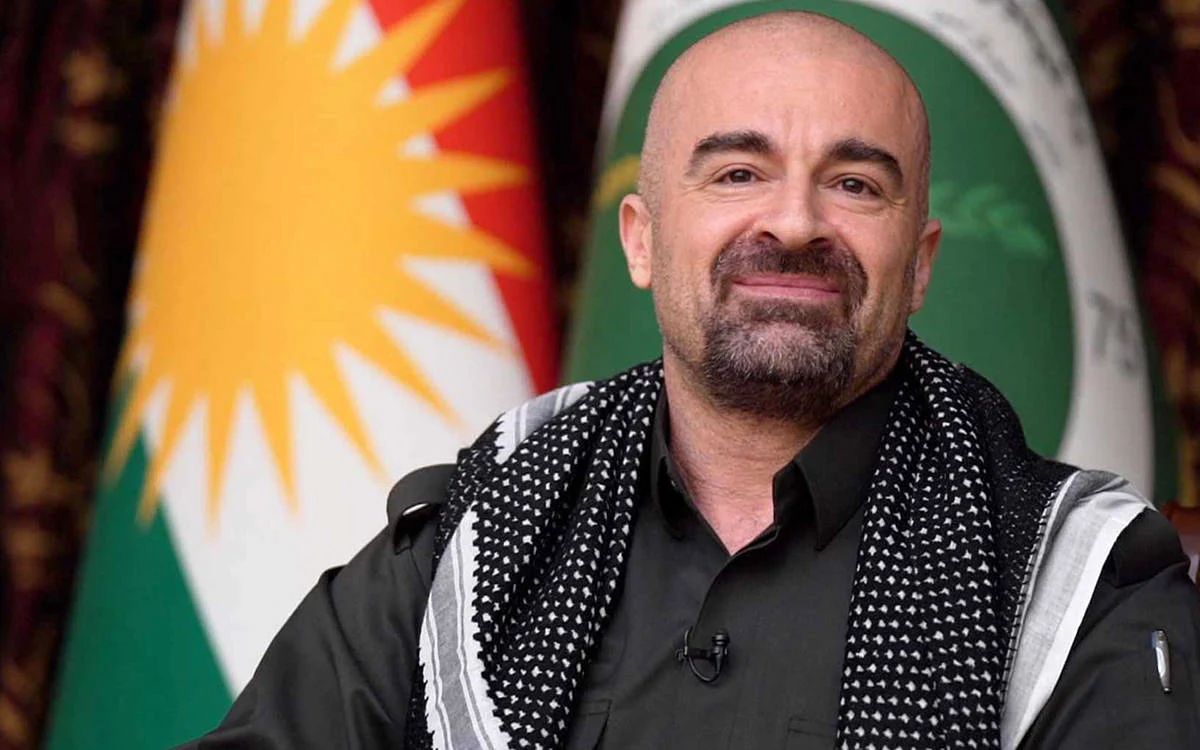
Bafel Talabani
The de facto leader of the Green Zone (Sulaymaniyah-Halabja). By putting an end to internal party rivalries, he consolidated the PUK’s military (70th Brigade) and intelligence power into a single hand, becoming the main actor defending the autonomy of Sulaymaniyah against Erbil’s policies.
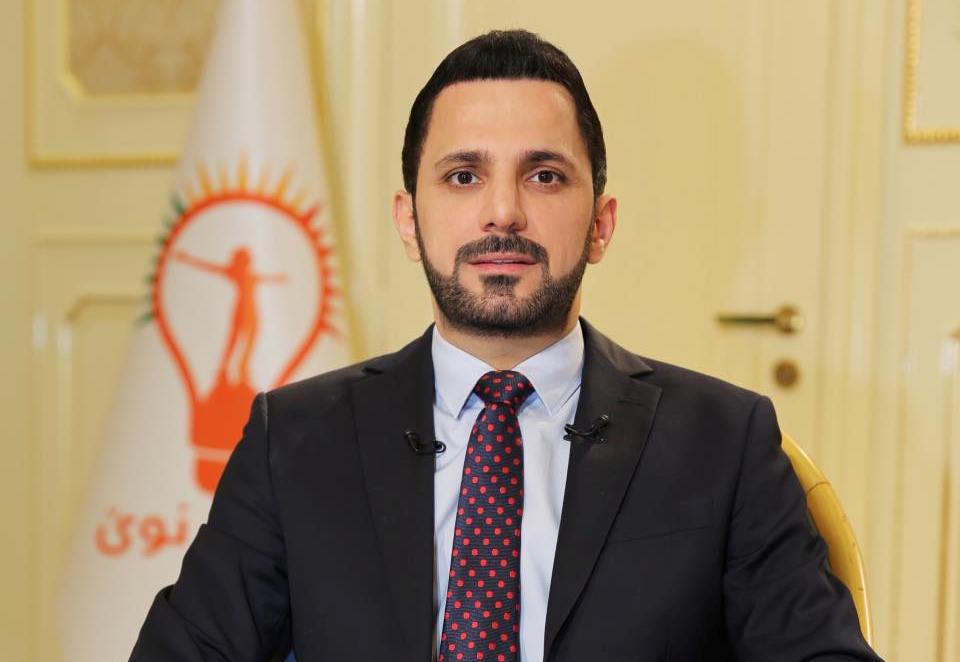
Shaswar Abdulwahid
A media mogul and politician based in Sulaymaniyah. By directing harsh criticisms against the traditional duopoly of the KDP and PUK, he forms the current center for anti-establishment and protest votes in both regions.
The alliance between the PUK and the new generation movement
Following prolonged and fruitless negotiations between the KDP and the PUK, the PUK and the New Generation Movement decided in recent months to work together in parliament. Although this alliance—which, with a total of 38 seats, brought the number of seats close to that of the KDP in the Kurdistan Regional Parliament and partially shifted the balance of power—did not reach the number needed to form a government, the merger of these two Sulaymaniyah-based movements against the KDP has created a new balance of power. Indeed, it appears that the two parties have secured significant influence by also deciding to work together in the Iraqi Parliament.
Following the agreement reached between the PUK and the New Generation Movement, PUK Chairman Bafıl Talabani stated that they wished to reach an agreement with the KDP and form a government as soon as possible, while New Generation Movement Leader Şaswar Abdulvahid conveyed that the premiership should go to someone outside the KDP, signaling that they were aligned with the PUK. The KDP, however, despite leaving all alliance proposals in limbo, is citing the PUK as the reason for the failure to form a government. KDP Spokesperson Mahmud Muhammed, in a statement made a few days ago, accused the PUK of obstructing the process, saying, “It is the PUK itself that is disregarding the people’s vote and will, imposing itself on the election results through coercion, and failing to take into account the number of votes and seats won by the parties.”
KDP: We are the true representatives
Noting that the KDP received more votes than the PUK in both the Kurdistan Parliament and the Iraqi Council of Representatives elections, Muhammad stated that the KDP is the true representative of the people, while the PUK, with only 23 seats, represents only its own voters.
Military crisis: The failure to unify the Peshmerga
In addition to this political crisis between the KDP and the PUK, there is also the issue of unifying the Peshmerga, which can be viewed as a military crisis. Both parties have their own separate armed forces, namely the Peshmerga. The process of unifying the Peshmerga forces affiliated with both parties, which began in 2010, resulted in the formation of 14 brigades by 2013 through the unification of 42,000 Peshmerga fighters; however, the unification process subsequently stalled. In 2018, with the support and pressure of the international coalition formed against ISIS, this process resumed but has yet to reach a conclusion. Tom Barrack, the U.S.’s new representative for Iraq and Syria, announced a new U.S. regional policy—the “one army, one central structure” doctrine—and has been attempting to implement it. There has been discussion that the Peshmerga would be integrated into the Iraqi army under this doctrine, but this claim was denied by the Ministry of Peshmerga Affairs and the KDP.
Mela Bahtiyar: “The consequences will be severe”
Mela Bahtiyar, a prominent Kurdish politician in the politics of Federal Kurdistan and Iraq, warned in a recent statement to Rudaw that the political consequences of failing to form a government would be severe. Noting that the current situation has weakened the position of the Federal Kurdistan Region, Bahtiyar said that there are effectively two separate areas in the region. Recalling that the Peshmerga forces, the police force, and various public institutions have not been fully integrated for years, Bahtiyar said, “Our government cannot appoint even a single civil servant from Koye to Xaneqîn without consulting the PUK, nor can the PUK deploy a single soldier from Koye to Zaxo without consulting the KDP.”
“The U.S. Determines the Representative”
Bahtiyar noted that the U.S. supports a strong and unified state structure in Iraq, and that the Washington administration wants to see a unified army, a unified financial system, and strong central institutions, adding that resolving the issues between the Kurdistan Region and Baghdad is therefore crucial. Noting that if the KDP and the PUK fail to overcome their current disagreements, external actors could become more involved in the process, Bahtiyar added: “It would be better if they resolved it, but if they don’t, I believe the U.S. will ultimately decide for itself who the Kurds’ representative will be. It would be best for them to resolve it before the situation reaches that point.”
The regional government, which has not been formed for over 20 months due to the two parties’ inability to reach an agreement, is causing serious economic and political problems in the Kurdistan Region while also leaving the region vulnerable to interference by neighboring states.
- 1946: The Kurdistan Democratic Party (KDP) was founded in Mahabad by Mustafa Barzani.
- 1970: The “March 11 Autonomy Accord” was signed between Kurdish leaders and the Iraqi government.
- 1975: The Patriotic Union of Kurdistan (PUK) was established under the leadership of Jalal Talabani.
- 1991: Following the First Gulf War, the Raperin (uprising) took place. A de facto autonomy was created as the UN declared the area north of the 36th parallel a “No-Fly Zone.”
- 1992: The first parliamentary elections were held in the region. The KDP and PUK shared a 50-50 power balance in parliament, and the Kurdistan Regional Government (KRG) was de facto established.
- 1994 – 1998: As a result of the civil war (Brakujî) between the KDP and PUK, the region was administratively split into two (Erbil and Sulaymaniyah).
- 2003: The Ba’ath regime was overthrown by the US invasion of Iraq; Peshmerga forces acted in coordination with the coalition.
- 2005: With the new Iraqi Constitution, the Kurdistan Region gained official legal (de jure) status as a “federal region.”
- 2006: The KDP and PUK administrations merged to form a unified government.
- 2009: The Gorran (Change) Movement was founded, breaking the two-party hegemony.
- 2014 – 2017: During the war against ISIS, the Peshmerga secured control over disputed territories, including Kirkuk.
- 2017: An Independence Referendum was held, after which the Iraqi army reclaimed Kirkuk and other disputed territories.
- 2024: The postponed Kurdistan Parliamentary elections were carried out in October.
- Kurdistan Democratic Party (KDP): Dominant in Erbil and Duhok provinces (“Yellow Zone”). Its military backbone is the 80th Brigade.
- Patriotic Union of Kurdistan (PUK): Dominant in Sulaymaniyah and Halabja provinces (“Green Zone”). Its military backbone is the 70th Brigade.
- New Generation Movement (Naway Nwe): The region’s main current opposition party, challenging the KDP-PUK duopoly.
- Gorran: The Sulaymaniyah-based former primary opposition movement.
- Islamic Parties: The Kurdistan Islamic Union (Yekgirtû) and the Kurdistan Justice Group (Komal) are the conservative forces represented in parliament.
- Iraqi Central Government (Baghdad): Relations revolve around the federal budget share, public servant salaries, energy exports, and the status of disputed territories under “Article 140.”
- Turkey: Maintains strong commercial, political, and energy (Ceyhan pipeline) ties primarily with Erbil. Military operations against the PKK form a core part of the relationship dynamics.
- Iran: Exerts high historical and political influence in the PUK-controlled area along its border. It intervenes in regional developments through military pressure directed at its own dissident Iranian-Kurdish parties.
- US and International Coalition: Maintains security-focused relations. They provide funding and training aimed at unifying the Peshmerga forces into a non-partisan, institutional army.
- Implementation of Article 140: Holding referendums in Kirkuk and other disputed areas to finalize whether these zones will officially attach to Erbil or Baghdad.
- Financial Guarantees: Ensuring uninterrupted payments of public servant and Peshmerga salaries by Baghdad.
- Energy Independence: Securing recognized authority to manage regional oil and gas resources, or receiving a fair share of the generated national revenues.
- Conducting intra-party and inter-party negotiations aimed at forming a new coalition government following the October 2024 elections.
- Advancing reform initiatives to unify party-controlled military units under a single Ministry of Peshmerga Affairs.
- Engaging in technical talks with Baghdad to coordinate the payment of civil servant salaries through banking systems (Tawtin/MyAccount projects).
- Executing coordinated operations with the Iraqi army against ISIS sleeper cells in disputed territories experiencing security gaps.