By Erisa Kryeziu
In Tirana, protests that began as an environmental movement have transformed into a mass anti-government movement, with demonstrators demanding the resignation of Prime Minister Edi Rama and fundamental institutional reforms.
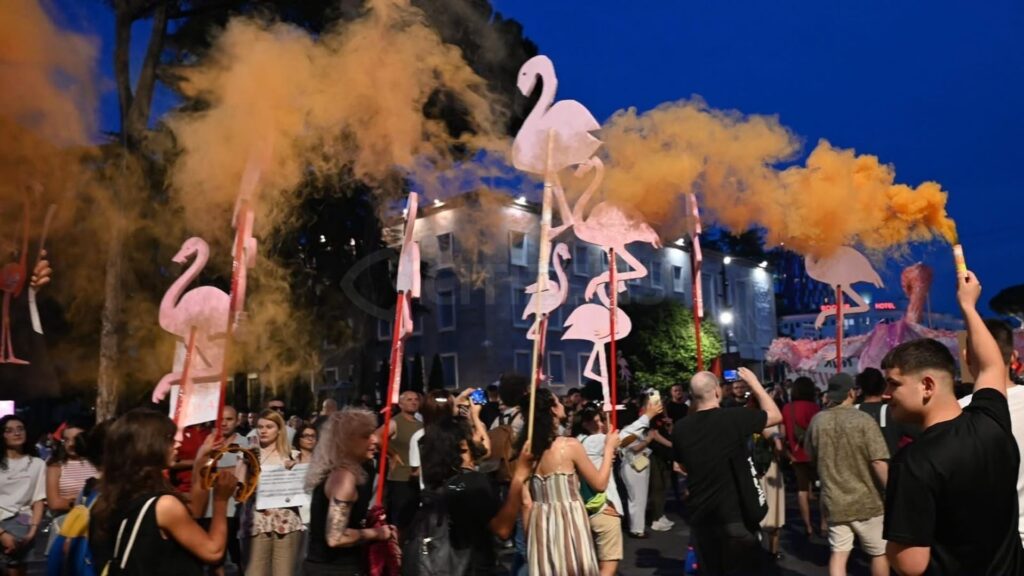
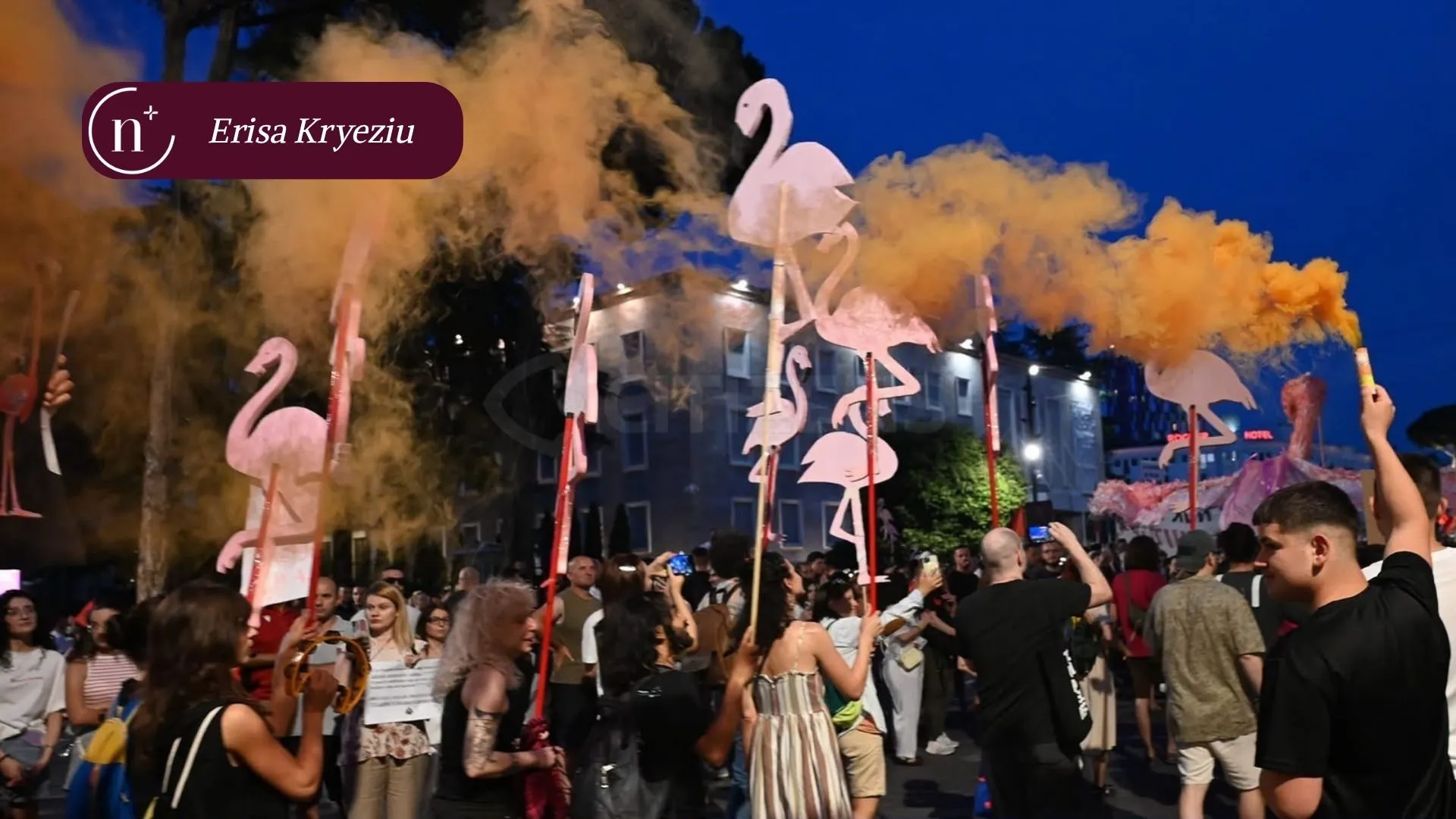
The citizen-led protest movement against the Albanian government has entered its 24th consecutive day, marking one of the longest sustained civic mobilizations in the country in recent years. Every evening, protesters have gathered in central Tirana to express their dissatisfaction with the government of Prime Minister Edi Rama, demanding political and institutional changes that, in their view, would ensure a more democratic system that is more accountable to citizens.
What began as a protest against the construction of tourist resorts in the protected Pishe Poro–Narta area has now evolved into a broader movement against the government and the way Albania has been governed over the past 35 years by all major political parties. Protesters are calling for a “New Albania” and for investigations into all politicians who have held power and made decisions that they believe have harmed the Albanian people.
After more than three weeks of daily demonstrations, the organizing group unveiled five key demands, which they described as “legitimate and non-negotiable.” The first demand is the immediate resignation of Prime Minister Edi Rama and his government. Organizers argue that the government has lost its legitimacy to govern and that a political solution is needed through the establishment of a transitional technocratic government.
The second demand calls for the creation of a non-partisan technical government with a limited mandate, which would administer the country for at least one year and prepare the conditions for free elections and institutional reforms. Protesters are also calling for constitutional amendments and electoral reform, which they argue should be approved through a popular referendum.
The list of demands also includes changes to the law on political party financing, with organizers arguing that the current system lacks transparency and allows illicit interests to influence politics. Another demand seeks to introduce a constitutional limit of no more than two terms for any prime minister.
In addition to these demands, organizers have reiterated their opposition to several government policies, including legal changes affecting protected areas, cultural heritage sites, and the strategic investor scheme, which they consider a mechanism that has facilitated controversial development projects.
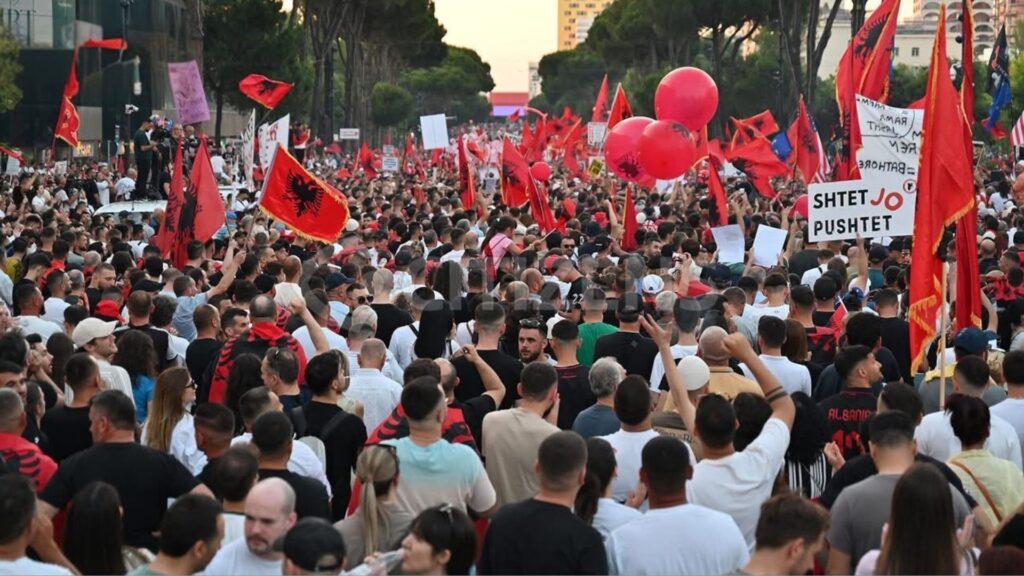
While the protests have remained largely peaceful, tensions between the organizers and Prime Minister Rama have intensified in recent days. Activists accuse the prime minister of publicly targeting and discrediting protest participants through statements and social media posts that they describe as defamatory and dismissive. The government, on the other hand, has downplayed the protests and questioned the motives of the organizers.
Organizers and participants say the demonstrations will continue every evening until their demands are met.
The protests are unfolding in a highly polarized political environment and represent the most sustained civic challenge faced by the Albanian government in recent months. It remains unclear whether the movement will lead to concrete political or institutional changes, but it has already become a significant expression of public discontent and demands for greater accountability in Albania.