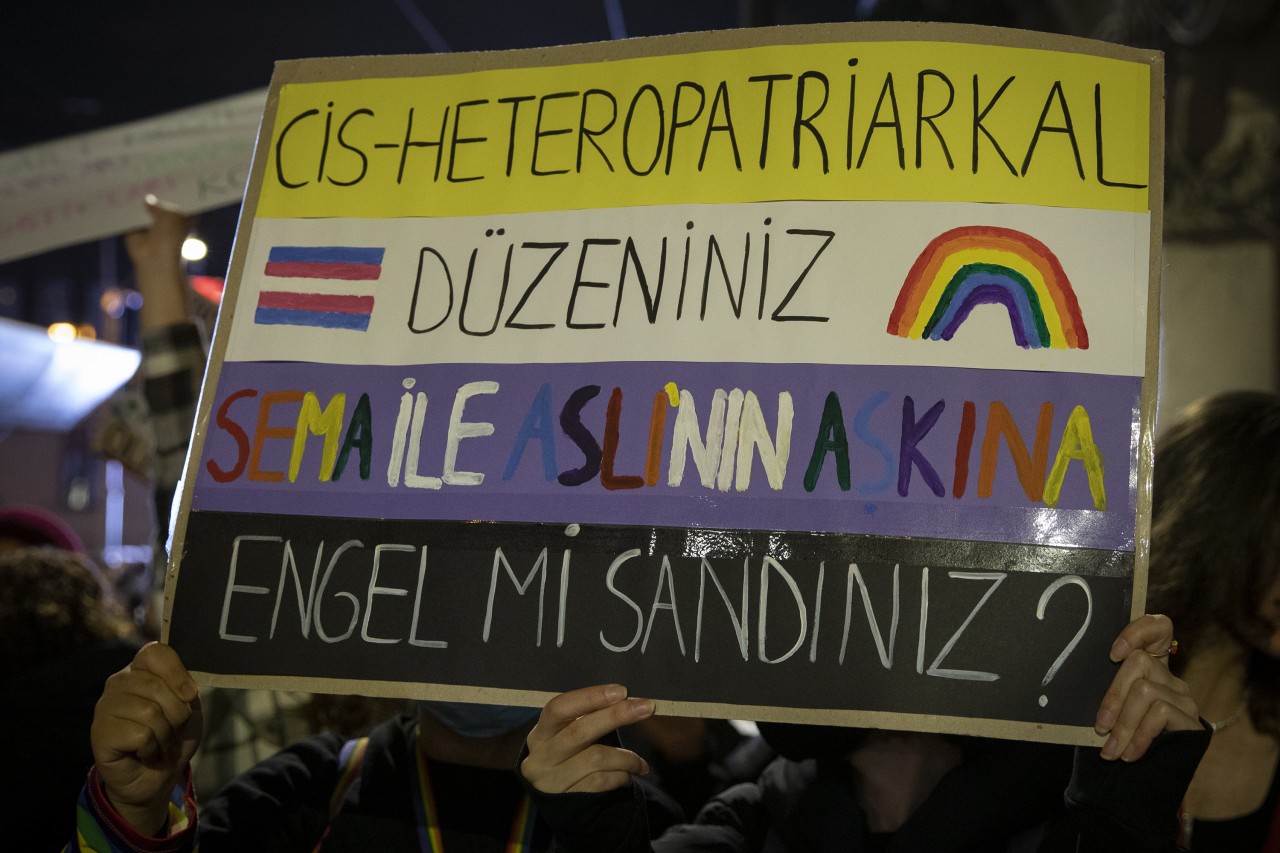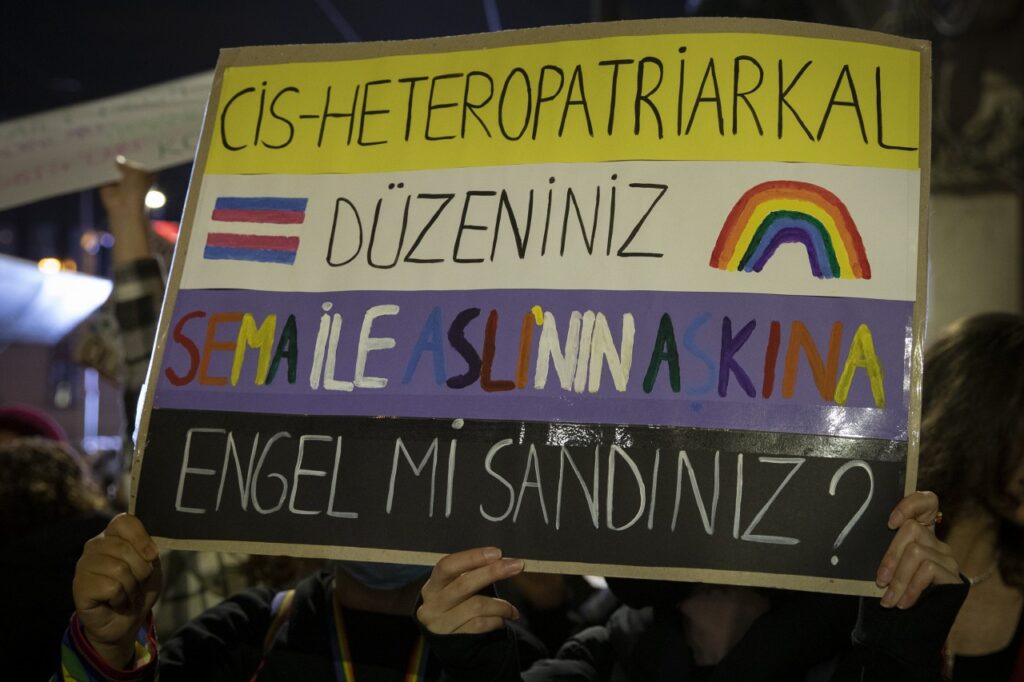
The Information and Communication Technologies Authority (BTK) has blocked access to the X accounts of numerous individuals, including freelance journalist Yusuf Çelik, Esra Ece Kutlu, Zilan Azad, Kaos GL Editor Oğulcan Özgenç, sendika.org Editorial Board Member Nisan Çıra, and journalist Yıldız Tar, who was arrested on June 25.
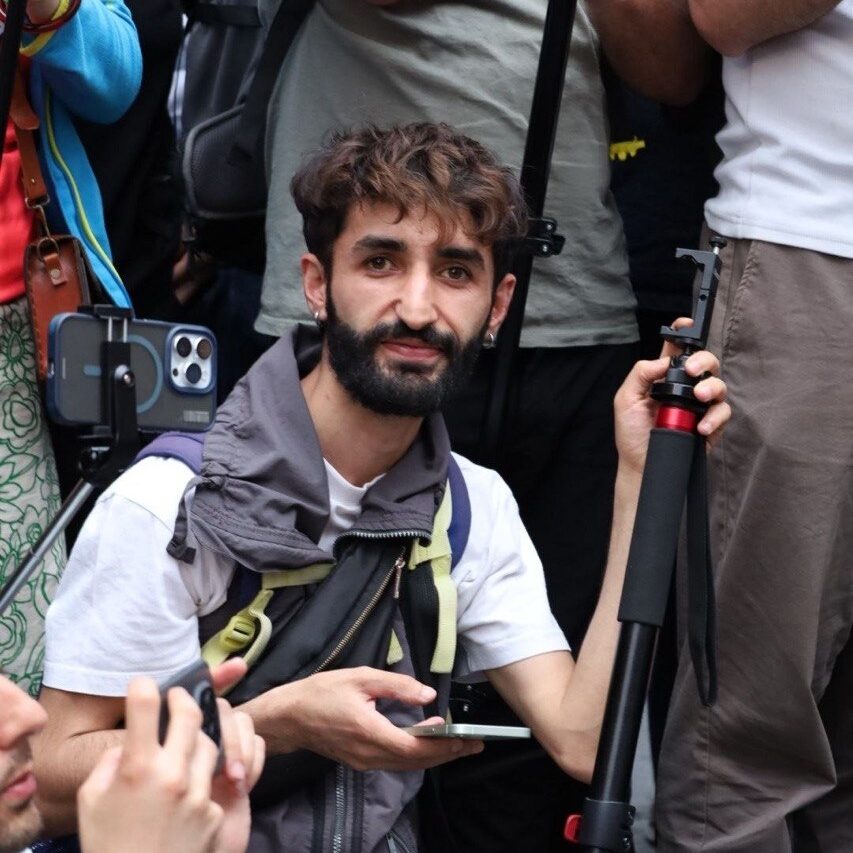
Photo: Serra Akcan / csgorselarsiv.org
Last week, on June 19, the X accounts of many associations and organizations advocating for LGBTI+ rights and sharing content related to LGBTI+ issues were blocked in Turkey.
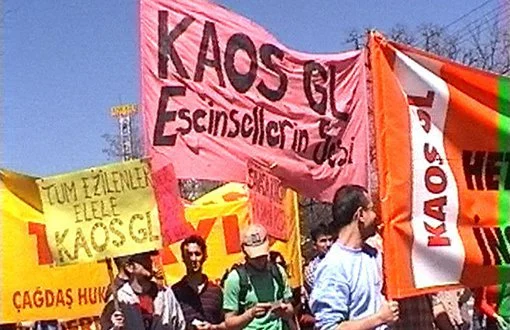
Today (June 27), access to numerous X accounts—including those of freelance journalist Yusuf Çelik, Esra Ece Kutlu, Zilan Azad, Kaos GL Editor Oğulcan Özgenç, and sendika.org Editorial Board Member Nisan Çıra—was blocked on the grounds of “protecting national security and public order.”
Additionally, the X account of Yıldız Tar, Editor-in-Chief of Kaos GL and a journalist who was arrested on June 25, was also blocked today.
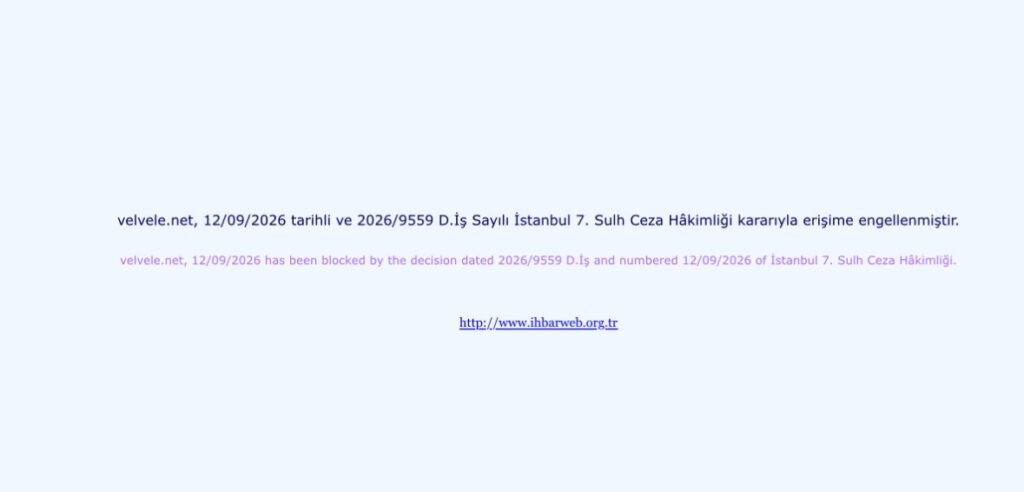
According to Kaos GL, X stated in a notification sent to users that the request for the access block was issued by the Information and Communications Technologies Authority (BTK). Accordingly, the decision to block access was made citing Article 8/A of Law No. 5651, “On the Regulation of Publications Made on the Internet and the Fight Against Crimes Committed Through Such Publications.”
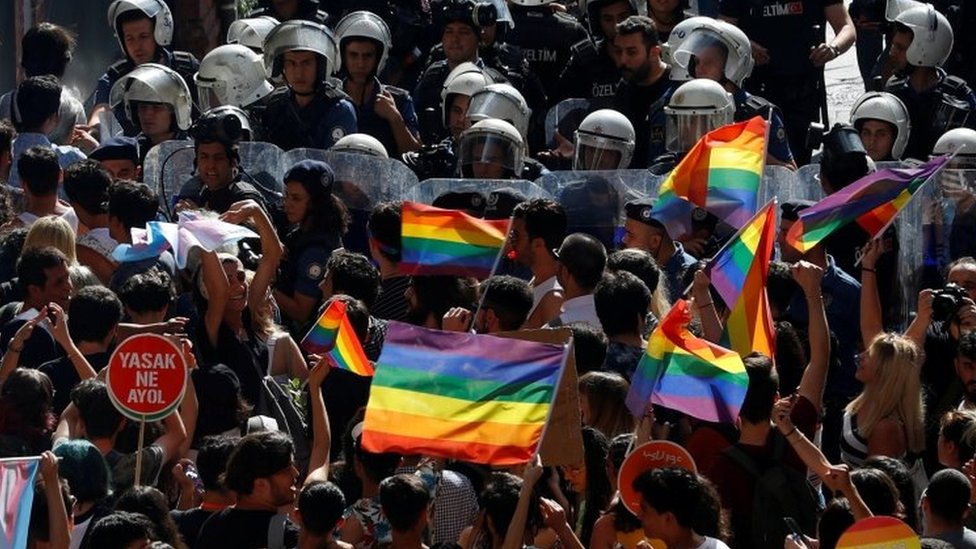
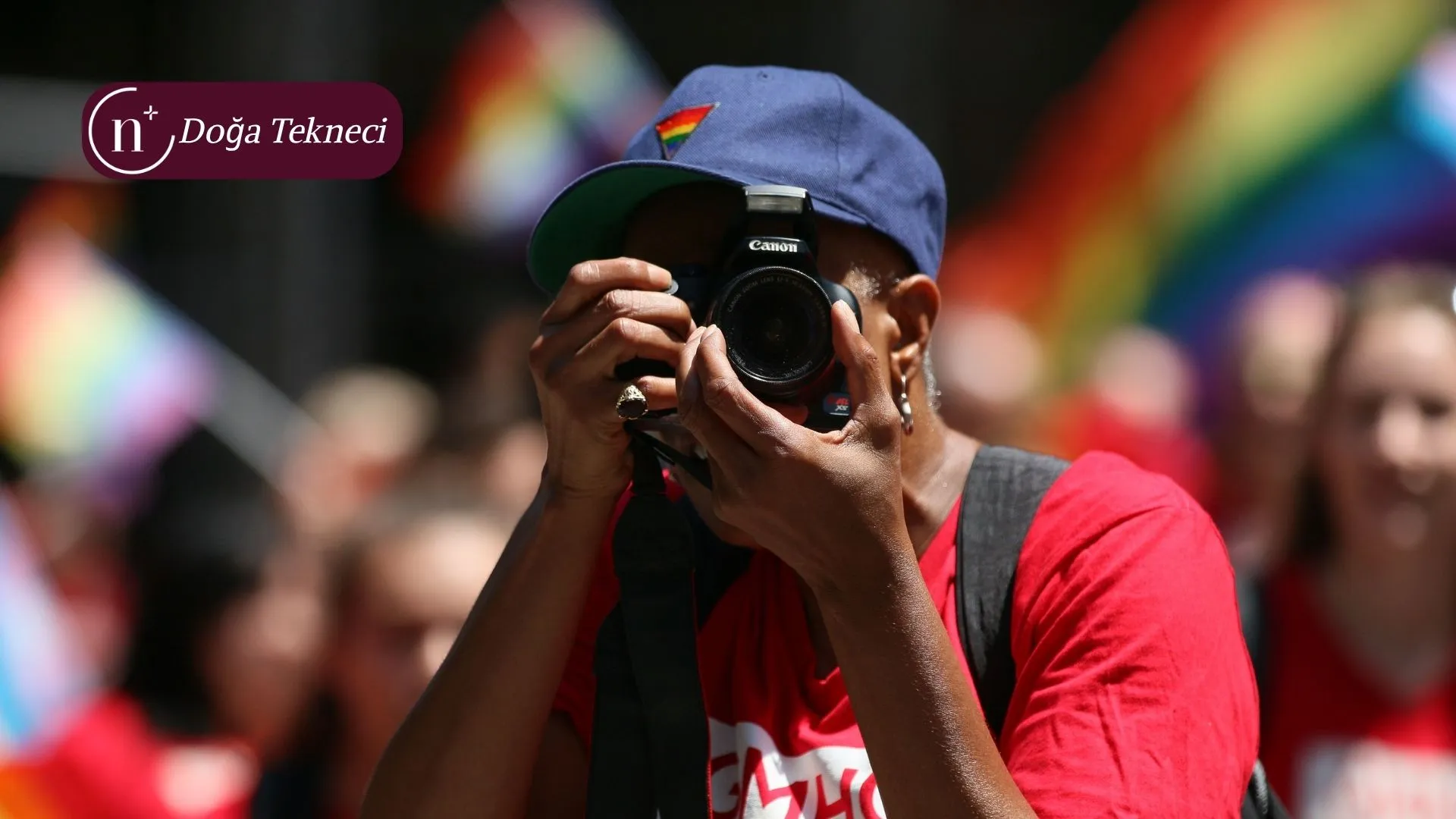
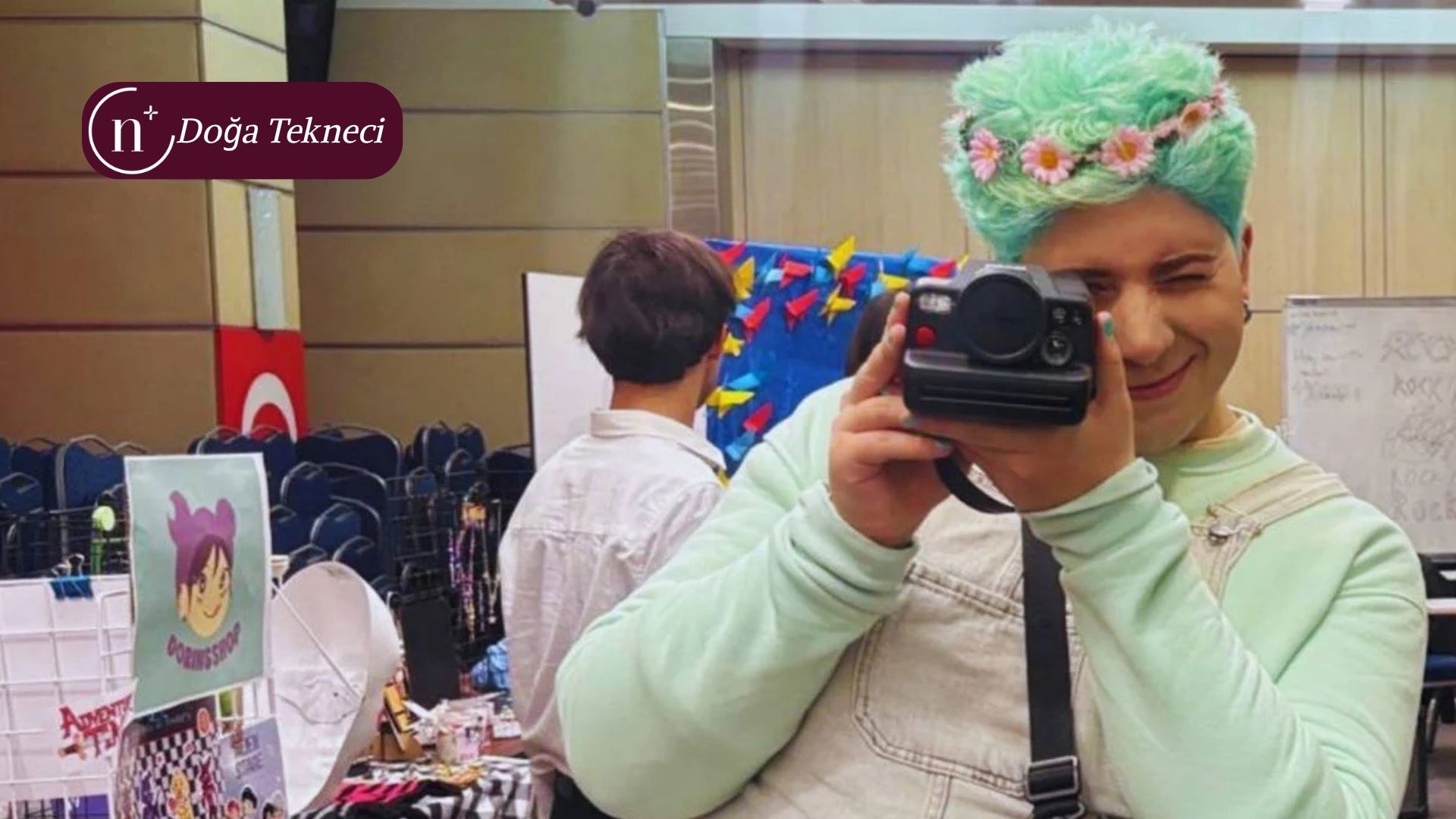
At least ten people, including Niha+ editor Doğa Tekneci and journalist Yusuf Çelik, who were covering the 12th Trans Pride March, were detained.
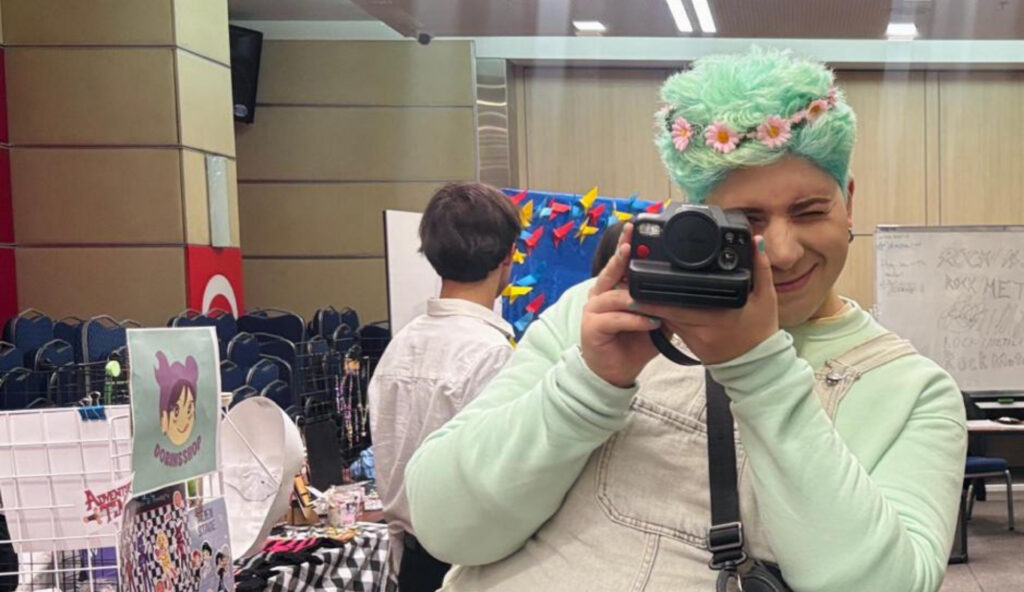
Photo: Doğa Tekneci/Nihaplus
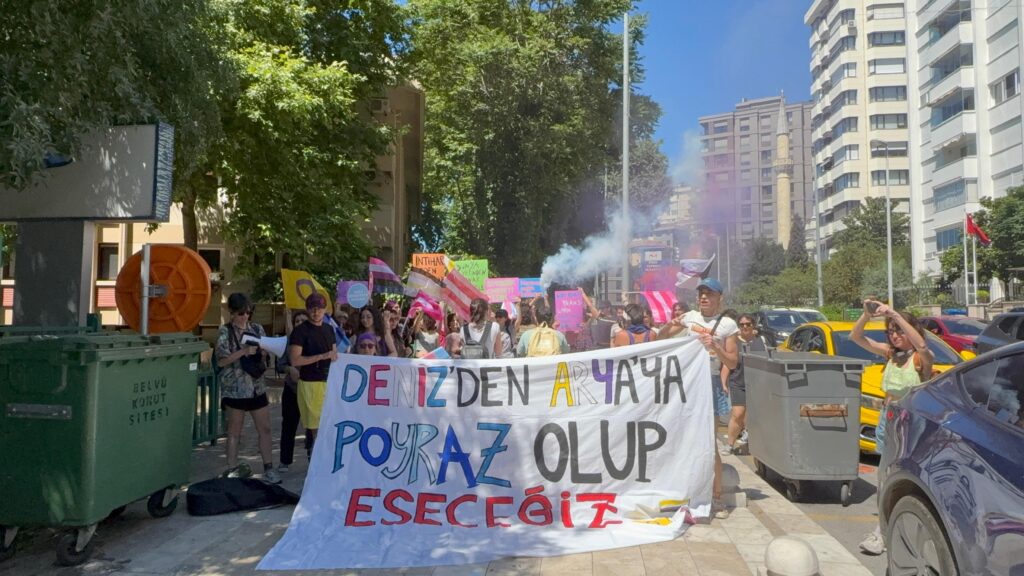
Our editor Doğa Tekneci and journalist Yusuf Çelik, who were covering the 12th Trans Pride March in Kalamış, Kadıköy, Istanbul, organized by Istanbul Trans Pride Week, were detained.
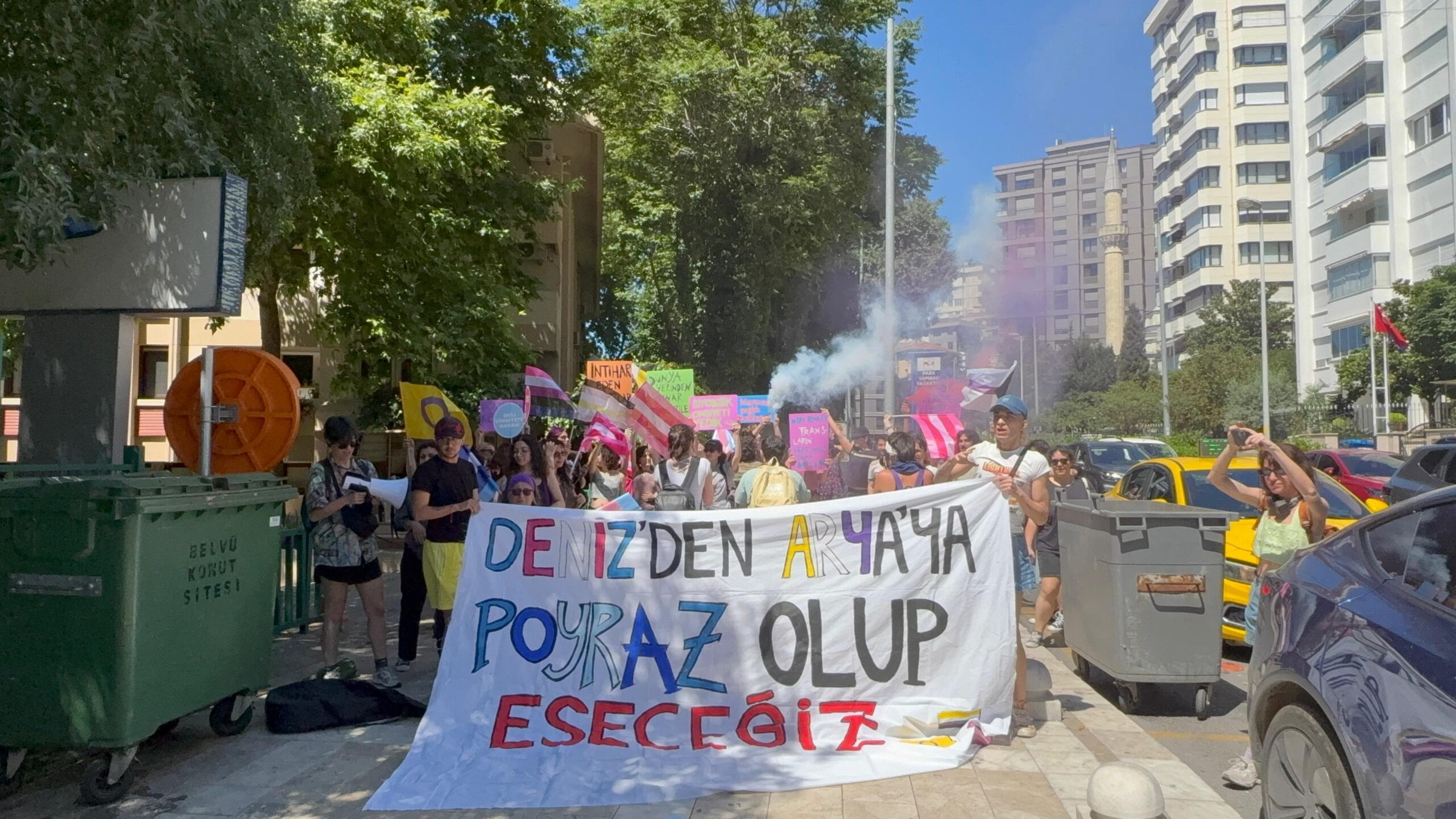
Despite the bans imposed by the Istanbul Governorship the previous day, trans rights advocates gathered and marched with a banner reading “We will be like the Poyraz [North] wind blowing from Deniz to Arya”, commemorating their murdered trans friends. Throughout the march, participants chanted the slogan “The transphobic state will surely fall”.
Following the march, the dispersing crowd was subjected to identity checks by law enforcement. At least ten people, including our editor Doğa Tekneci and journalist Yusuf Çelik, who were covering the event, were detained.
Eylem sona erdikten sonra alandan ayrılan LGBTİ+’lar, kafelerde otururken, araçlarında ve taksilerde seyahat ederken polis tarafından tek tek gözaltına alındı. pic.twitter.com/oogMqB0xIh
Meanwhile, the Kadıköy District Governor’s Office issued a statement announcing that all meetings, marches, press conferences, sit-ins, setting up stands, erecting tents, distributing leaflets, protests, and similar actions/events are prohibited in all open areas within the Kadıköy district between 00:01 and 23:59 on Sunday, June 21st, in relation to the events announced on social media under the title “Pride Takvimi Yayında” [Pride Calendar on Air].
The District Governor’s Office based its justification for the ban on Article 17 of Law No. 2911 on Meetings and Demonstrations and Article 32/ç of Law No. 5442 on Provincial Administration. The statement argued that, based on social media posts, the event is “contrary to general morality,”“could cause public outrage,”“could offend national, conscientious, and humanitarian values,” and “could threaten social peace.”
The district governor’s office also claimed that “verbal and physical provocations” could occur between those organizing the events and citizens.
Statement from DİSK Basın-İş
Press division of the Confederation of Progressive Unions of Turkey, DİSK Basın-İş, stated that the detention of journalists Doğa Tekneci and Yusuf Çelik is a form of pressure directed at the public’s right to information and the visibility of LGBTI+’s, and demanded their immediate release.
🏳️⚧️ 12. İstanbul Trans Onur Yürüyüşü kapsamında en az 10 hak savunucusuyla birlikte gazeteciler Yusuf Çelik ve Doğa Tekneci de gözaltına alındı.
Barışçıl bir şekilde gerçekleştirilen bir yürüyüşü takip eden gazetecilerin gözaltına alınması kabul edilemez. Basın ve ifade… pic.twitter.com/9Mffs4WJni
Independent journalist Yusuf Çelik and freelance journalist İbrahim Türk spoke about what LGBTI+ journalists experience while doing their jobs in the field and beyond: “Even if I’m subjected to phobic attacks, I won’t give up reporting.”
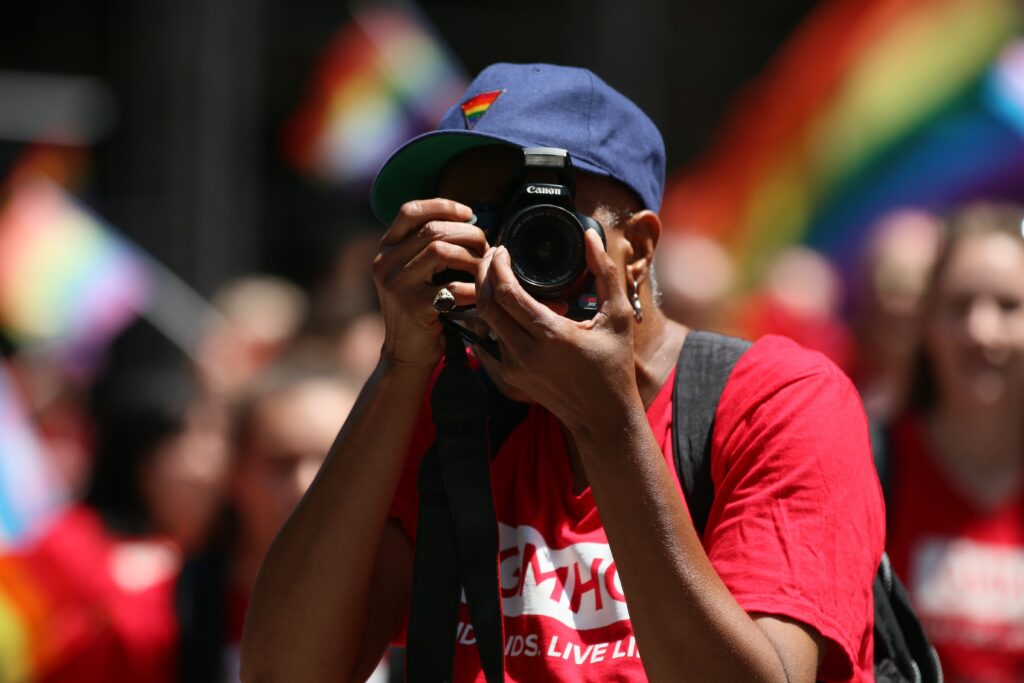
Fotoğraf: pexel.com
Pride Month is a time when LGBTI+ experiences of violence and discrimination tied to their identities become more visible. Among those who make visible not only Pride-related issues but social events of all kinds throughout the year are LGBTI+ journalists themselves.
While journalists in Turkey already face economic insecurity, police violence, censorship and unemployment, LGBTI+ journalists confront an additional layer of discrimination based on sexual orientation and gender identity. A concrete example of this came last February, when Yıldız Tar, editor-in-chief of Kaos GL—Turkey’s oldest and largest LGBTI+ news platform—and a prominent LGBTI+ rights advocate, was detained. In the field, LGBTI+ journalists often become targets for police while reporting, sometimes become “invisible” in job applications and are forced to conceal their identities for safety reasons.
Independent journalist Yusuf Çelik and freelance journalist İbrahim Türk spoke to Niha+ about the discrimination they face in the field and what they expect from professional organizations.
Çelik: “LGBTI+ journalists face ‘compounded discrimination’”
Journalist Yusuf Çelik said that while all journalists already face economic and professional difficulties, queer journalists experience “compounded discrimination” in the field. Çelik said they have faced discriminatory attitudes from police, older male colleagues, and news sources, describing many moments in which they felt rendered invisible.
Independent journalist Yusuf Çelik
Noting that police violence is a shared problem for all journalists, Çelik said the consequences can be more severe for LGBTI+ journalists. “If there’s going to be violence, if there’s going to be an intervention, it’s us, LGBTI+ and women journalists, who are targeted first” they said.
Recalling the “Gezi” commemoration held in Taksim on May 31, 2026, Çelik said a police officer directly singled them out. “There were many journalists there, but the police grabbed my arm and tried to remove me. My colleagues intervened, asking, ‘Why are you touching a journalist?’” they said.
Çelik also said that during their detention in Dersim on July 25, 2025, they faced pressure specifically because of their queer identity, recalling that police made remarks implying they should stop doing this kind of reporting. “There was essentially a push to recruit me as an informant—comments like, ‘Why don’t you just stay out of this? Why don’t you stop doing these kinds of stories?’” they said.
Referring to a detention they experienced on May 1, 2026, Çelik said:
“There was no real justification—the protest had already dispersed—but I was told, ‘Turn off your camera, we’re taking you in,’ and detained. I can’t explain this through journalism alone, because I face things my colleagues don’t, and I think this is deeply tied to my queer identity. On top of that, when we’re detained and can’t work in the field, we go home that day having earned nothing, which puts us under economic strain too. We face a whole series of violations and difficulties like this.”
“There are unspoken ‘buts’”
Çelik have also struggled to find work because of their identity, noting that they have been unemployed for about six to seven months:
“During my job search, even though I spoke with some institutions and journalists, the process went nowhere because of unspoken ‘buts.’ They like my journalism, they know and appreciate the work I do in the field. But I need work, and during the hiring process everyone takes a step back. There are unspoken ‘buts’ there. ‘But you’re a queer journalist,’ ‘but you’re an activist,’ ‘but you can’t separate journalism from being queer’… Even when these things aren’t said out loud, I can feel those ‘buts.’ There’s no other explanation for why someone who is normally out in the field, following the news, and voluntarily sharing their work with institutions would remain unemployed for this long.”
“Even if I face phobia, I won’t give up reporting”
Çelik said that while they haven’t faced direct censorship in covering LGBTI+ news, they have often been kept away from certain assignments. They said they haven’t been assigned to out-of-town stories or coverage of workers’ strikes, with the reasoning usually framed around concerns that “something might happen to them”:
“I’m told, ‘If you go, you’ll face phobic attacks, it’ll be hard for you.’ But the person saying that is, in that moment, actually subjecting me to phobia themselves. Even though I carry an activist identity, when I go out into the field, I go out as Yusuf the journalist. Being LGBTI+ comes after that. This isn’t the first time I’ve been out in the field, and it won’t be the last. I might face hostility from a crowd—that’s understandable, because women journalists experience this too. They don’t give up reporting. Neither will I.”
Çelik also noted that women and LGBTI+ journalists are often not assigned stories like economic news, and said they end up being treated as if they’re not capable—which is part of why they continue working as an independent journalist.
According to Çelik, the discrimination starts the moment they leave the house:
“Everything—how I dress, how I walk, how I talk—gets assigned a gender. Sometimes I’m ‘the LGBTI+ journalist,’ sometimes slurs get used. Some police officers single me out, asking things like ‘isn’t that the gay journalist?’” Çelik also said they regularly face online harassment campaigns, and that in particular, following certain stories, they have been targeted with HIV-related smears. “We have to fight this on the street, at home, and on social media, all at once.”
“We don’t have strong structures to organize through”
Çelik said there are serious gaps in solidarity networks among LGBTI+ journalists. While some of these issues have been discussed at meetings held in Ankara, they said this has not translated into lasting organization.
Assessing the work of professional associations and unions, Çelik said independent and freelance journalists in particular face serious barriers to accessing union rights:
“I’m currently unemployed, and since I don’t have social security registration, I can’t directly join a union. I can’t organize. Independent and freelance journalists can’t access union rights, and they can’t even get through the union’s door. The first thing we need to do is strengthen LGBTI+ journalists in the field. Strengthen journalists in the field.”
Çelik said unions could offer workshops and protective equipment support tailored to LGBTI+ journalists, adding: “LGBTI+ people are a reality now. We’re more visible than yesterday, and we’ll be even more visible tomorrow. At this point, institutions and unions need to transform themselves too.”
“We have to tell our own stories”
Addressing young LGBTI+ people entering journalism, Çelik encouraged them to stay in the field as much as possible and keep producing stories.
“If there’s an LGBTI+ story, let a queer journalist cover it first—because they understand the issue best,” Çelik said, adding that the discrimination young journalists will face shouldn’t push them away from the profession.
Çelik concluded:
“My journalism has been questioned, and it still is. You have to fight that. You do more work. The more work you do, the more those who try to erase you will be forced to back down. Just as we as LGBTI+ journalists carry our struggle into every part of life, we have to carry it into our profession too. The phobia may never end—but neither will the struggle.”
Türk: “In some stories, I have to hide my identity”
Freelance journalist İbrahim Türk, based in Ankara, said they began their journalism career in 2021 as a photojournalist and now work for various national and international media organizations.
Freelance journalist İbrahim Türk
Türk said they take a somewhat distanced view of the constant pairing of journalism with sexual identity: “I’m a journalist and I’m queer. Journalism is a job, being queer is an identity. The fact that these two are constantly mentioned together feels a bit strange to me.”
Türk said one of the biggest challenges they face in the field is having to hide their queer identity during certain assignments for their own protection. They said they feel especially uneasy at events organized by Islamist and radical right-wing groups, and that they use different methods to ensure their safety while reporting in such settings.
“When talking to people, you sometimes have to say you work for Anadolu Ajansı so you don’t get beaten up—because some of our friends have been beaten. You have to make sure you’re not wearing anything in rainbow colors. You try to approach people as neutrally as possible so you can get unbiased responses.”
Türk said this isn’t always a disadvantage, however—in left-wing and democratic circles, their queer identity can actually make communication easier. “In left-wing circles, sometimes all doors open. People communicate more freely, and trust can build faster.”
“I met every requirement, but I wasn’t hired”
While Türk said they have never directly been told “don’t cover this story” or “don’t do this job,” they believe their identity may have been a factor in some job applications and at some organizations where they’ve worked. They said they haven’t faced such problems at the organizations they currently work with.
Türk said that during a period of unemployment, they applied to several media outlets but never heard back. “I met every requirement, but I wasn’t accepted,” they said.
“I was attacked by the police”
Türk said they have also experienced physical violence in the field, recalling one incident during the protests against the 11th Judicial Package.
Describing what happened during the protests, Türk said: “I was choked by police officers. A trans woman saved me—if she hadn’t intervened, it could have ended much worse.”
Türk said the police generally recognize them, yet they were still subjected to violence: “There was no chance they didn’t know who I was. And they attacked me anyway.”
“First, we need to learn to protect each other”
Türk said they find the work professional associations and unions have done for LGBTI+ journalists insufficient. While they said they’re aware of some union-led initiatives, they argued that there still isn’t enough contact with journalists actually working in the field.
Türk said that to address the problems LGBTI+ journalists face, solidarity networks need to be strengthened—and that this starts with journalists supporting one another:
“We need to support more queer journalists, there need to be more queer journalists. We don’t support each other. What we actually need to do first is look out for ourselves. We need to learn to protect each other first. If we did that, we wouldn’t even need any organization—or we’d be in a position to tell organizations what they need to do. But right now, both the organizations and the journalists themselves are preoccupied with how to get more funding, how to grow, so nobody really cares.”
“Journalism is journalism”
Türk said they feel journalism is increasingly being defined by an excessive number of labels:
“Journalism is journalism. Labels like ‘opposition journalism’ or ‘queer journalism’ don’t really sit right with me. Of course our identities shape how we see the world. But we can’t explain everything we do solely through that lens. First and foremost, I’m a journalist. Yes, at some point my identity affects what I write or which stories I look at. But not in every story I do.”
After the AKP declared 2025 the “Year of the Family,” provisions directly targeting LGBTI+ people emerged in the draft 10th and 11th Judicial Packages expected to be submitted to Turkey’s Parliament (TBMM) in 2025. Numerous media organizations and professional associations issued a statement in 2025 regarding the 11th Judicial Package, which sought to criminalize reporting on LGBTI+ issues. The statement read as follows:
Journalists reporting LGBTQ+ issues risk criminalisation: Withdraw the proposed law!
The draft of the 11th Judicial Package was shared with the members of the press last week and is expected to be submitted to Parliament in the coming days. Under the heading “Obscene acts,” the draft introduces a so-called “Turkish-style ban on homosexual propaganda.” It stipulates prison sentences of up to three years for any behaviour or attitude that is “contrary to one’s biological sex and public morality,” as well as for praising, promoting, or encouraging such behaviour. In its current form, the proposal is even broader and more vague than Russia’s 2013 “gay propaganda ban,” posing a grave threat to freedom of expression and press freedom in Turkey.
If enacted, this regulation would restrict LGBTQ+ people of their right to access and share information central to their lives.. Journalists reporting on LGBTQ+ issues such as human rights violations, sexual health, Pride marches etc. risk criminal prosecution on the grounds of “promotion.”
Since 2025 was declared the “Year of the Family,” numerous violations have occurred targeting LGBTQ+ journalism in Turkey. In February, Yıldız Tar — Editor-in-Chief of KAOS GL, the country’s largest and oldest LGBTQ+ news platform, and a prominent LGBTQ+ rights advocate — was arrested.
In June, the KAOS GL news website and its social media accounts were blocked for allegedly “publicly inciting to commit crimes.” That same month, journalists covering the LGBTQ+ Pride March in Istanbul’s Beşiktaş district were detained and later prosecuted.
T24 correspondent Can Öztürk was questioned by prosecutors after publishing a story about sexual harassment allegations against an academic who claimed to offer “conversion therapy” to LGBTQ+ children. The Radio and Television Supreme Council (RTÜK) also fined streaming platforms such as Netflix for hosting LGBTQ+ content.
Following all these violations, the inclusion of the proposed provision in the 11th Judicial Package would escalate rights violations even further and criminalize the already difficult task of reporting on LGBTQ+ issues. Moreover, vague terms such as “contrary to one’s biological sex” or “contrary to public morality” would allow arbitrary interference with the press and civil society.
This proposal would not only target LGBTQ+ individuals but also place journalists reporting on LGBTQ+ issues and related rights violations under threat of criminal punishment.
For all these reasons, as the undersigned press and freedom of expression organizations, we urgently call for the immediate removal of this provision from the 11th Judicial Package.
Signed by:
Media and Law Studies Association (MLSA)
Dicle Fırat Journalism Association
European Centre for Press and Media Freedom (ECPMF)
The “What Happened to Arya?” Initiative, established in memory of Arya, a transgender student who took her own life at the TOBB ETÜ dormitory, states that trans suicides are a consequence of systemic issues: “We repeat that the perpetrators of transgender deaths are the state, the family system, and a society in which the state’s transphobia is dominant.“
The “What Happened to Arya?” Initiative, founded by trans and LGBTQ+ activists, provided Niha+ with a statement regarding the death of Arya, a trans student who took her own life while living in a dormitory at TOBB ETÜ University.
Arya, a student at TOBB Economics and Technology University (TOBB ETÜ), took her own life on April 13, 2026, at the student dormitory where she was staying. Her friends and LGBTQ+ organizations had demanded an investigation into the incident, stating that Arya, a trans student, had been subjected to bullying and discrimination, and had brought her death to the attention of parliament.
Seren, a member of the initiative, states that trans suicides are not individual cases but a direct result of the state’s transphobic policies. Stating that they do not want another trans person to be driven to suicide and killed, nor for the state to cover it up, Seren explained that they established the “What Happened to Arya Initiative” in Arya’s name, bringing together all trans comrades who were not among them:
“We, as queer people and women, are filled with the need and desire to organize and fight against the cover-up of every single trans suicide or murder. Arya’s murder by being driven to suicide was another breaking point for us, just as it is every time we lose a trans friend.”
“The dorm management is one of the perpetrators”
According to Seren, a member of the initiative, Arya was subjected to severe pressure and harassment during her time at the dorm. Seren said, “Immediately after Arya’s suicide, and before the prosecutor’s office took action, TOBB ETÜ rummaged through and hastily gathered the belongings in the dorm room where Arya lived and sent them to her family. Naturally, this raises many questions in our minds. The answer these questions point to is the same: TOBB ETÜ dorm management is one of the perpetrators.”
Seren, citing information from Arya’s relatives, stated that photos were taken of Arya when she dressed in a way that made her feel at home, and that pressure was exerted using these images. She said that dorm director Semiha Akın repeatedly called Arya’s family, saying, “Take her out of here, she’s acting strangely.”
Seren also noted that Arya’s suggestion to add an LGBTIQ+ slogan to a campus protest against femicide was met with backlash: “Arya was targeted; she faced threats and insults from students. Shortly thereafter, she was cornered and beaten by a group of students on campus. Of course, those responsible have faced no consequences and are still continuing their education at the school.”
“Trans suicides are the consequence”
Seren, who defines trans suicides not as individual acts but as the product of systemic violence, states, “We repeat that the perpetrators of trans deaths are the state, the family system, and a society in which the state’s transphobia reigns supreme. From the moment they are born, trans people are isolated in this country: first, they cannot find a place within their families; then, landlords refuse to house them; then, workplaces; then the streets, and we see a reality emerging before us that seeks our eradication,” she said.
According to Seren, the inadequacy of the 4,000 TL KYK scholarship and loan amount, the increasingly difficult access to hormones, and dormitory administrations that enforce the binary gender system—and threaten and harass trans people when they step outside of it—are among the primary conditions driving trans people to death. For this reason, noting that there are many causes of trans suicides, Seren said the following:
“Trans people’s right to access hormones is becoming increasingly inaccessible every day due to the state’s transphobic and hateful policies. Consequently, when investigating the causes of trans suicides, we encounter dozens of reasons, and we are being made to believe that our lives are not considered lives, and that our suicides are isolated incidents.”
“Our struggle must become a matter of public”
Seren noted that they have not yet initiated any legal action, stating that their priority is to share Arya’s experiences and the suicide process she was driven into with the public:
“Our priority is to share Arya’s story, her life, her identity, her experiences, and the path that led her to suicide, with the public. By weaving this narrative step by step, we aim to have all democratic sectors take ownership of this struggle and walk this path with us. Without being confined by the limits of the prevailing legal system—though we will certainly utilize it—we want to hold those responsible for Arya’s death accountable and ensure true justice is served.”
Seren concluded her remarks by stating that they can only achieve their demands regarding trans suicides through struggle:
“We must emphasize that there is no other way but to fight together by sharing our experiences—in short, our struggles—with society, and that what trans and queer people experience is the concern of every segment of society. Our struggle must become a societal one; our struggles must be shared.”
Trans suicides are four times higher than cis suicides
According to an interview given by mental health expert Prof. Dr. Şahika Yüksel to Tuğçe Yılmaz of bianet, among 141 adult transgender individuals who had never sought help from a healthcare institution or had sought help but received no support, the rate of those who had attempted suicide before the age of 21 was recorded at 76%.
Additionally, according to the ILGA-Europe 2026 Rainbow Map, Turkey ranks 47th out of 49 countries in terms of LGBTQ+ rights.
The statement published by the “What Happened to Arya?” Initiative on its social media accounts under the headline “Who Is Semiha Akın, Manager of TOBB ETÜ Dormitories?” reads as follows:
“Semiha Akın, who has served as the General Director of TOBB ETÜ Dormitories since at least 2013, has been the subject of continuous complaints and exposés shared by students residing in the dormitory since the year she assumed her position; however, none of these complaints or exposures have been taken into consideration.
As the ‘What Happened to Arya’ Initiative, we have previously stated that Arya’s murder, in which she was driven to suicide, is not an isolated incident, and there is not a single perpetrator behind the incident. However, we assert that dormitory director Semiha Akın bears responsibility for Arya’s murder by driving her to suicide, and we demand that an effective investigation be conducted to immediately remove Semiha Akın from her position and bring her to trial for the numerous crimes she has committed.
Semiha Akın has used the state’s gender-biased and LGBTIQ+ phobic policies as a shield to exert control over female and queer students, subjecting them to violence and harassment, she has repeatedly stated that she does not address students who file complaints regarding dormitory conditions, and by acting in violation of dormitory regulations, such as searching students’ rooms in their absence, she has presumed the right to violate their privacy.
So, how was Semiha Akın able to do all of this? How is it possible that she could say about a female student, “I even know the color of her thong,” demanded that a student fold her clothes after throwing them on the floor; entered a student’s room while they were naked and harassed them; made remarks targeting a female student’s sexuality after finding birth control pills in her room; and shared the situation with the student’s family?
Dorm director Semiha Akın was able to do all of this because she is aware that nothing will happen to her, and that the state’s “Year of the Family” policies already support the practices she is implementing. She has the state itself backing her.
In Arya’s specific case, Semiha Akın’s actions have taken on a much more severe dimension due to Arya’s trans identity.
When Arya did not dress according to “social norms,” Semiha Akın secretly took photos of her and shared them with her family, who were forcing Arya into “conversion therapy”—a crime against humanity. By telling the family, “Take this from here,” regarding Arya’s identity and body, she clearly committed a hate crime.
So, what has come of all this? The complaints and public exposures by the female and queer students were ignored and forcibly deleted; our classmate Arya was driven to suicide and murdered, while nothing happened to Semiha Akın.
Even after Arya was driven to suicide and murdered, the dormitory administration entered Arya’s room without the prosecutor’s permission and rummaged through her belongings.
This situation raises several questions at once:
1-How is Semiha Akın able to continue serving as dormitory director when she has harassed and threatened so many students to date?
2-Why has no legal investigation been conducted to date regarding Semiha Akın, who bears concrete responsibility for Arya’s suicide?
3-What else has Semiha Akın done to students residing in the dormitory—things even we are unaware of—that has led to the removal of numerous reports about her?
Until an effective investigation into Arya’s death is conducted, until Semiha Akın and all those responsible for Arya’s death are held accountable, and until they are tried by true justice, we will continue to escalate our struggle and keep asking, “What Happened to Arya?”
*The views of the TOBB ETÜ administration and the dorm director in question could not be obtained.
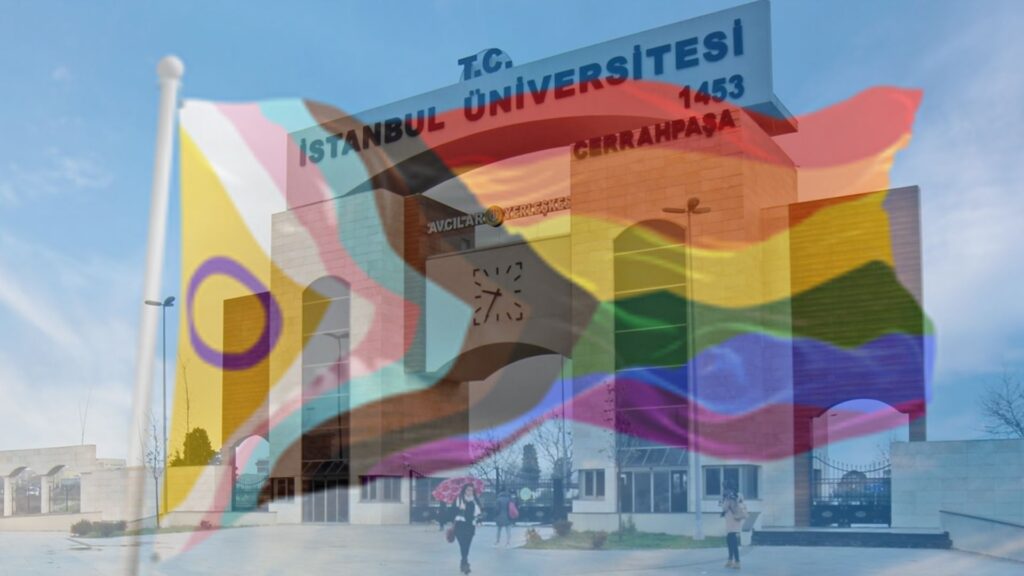
Arin, an Istanbul University student and trans activist facing a disciplinary inquiry, stated, “They cannot usurp the right of LGBTI+ individuals to education.” Lawyers commenting on the matter drew attention to the irregularities and the structural dimensions of these investigations.
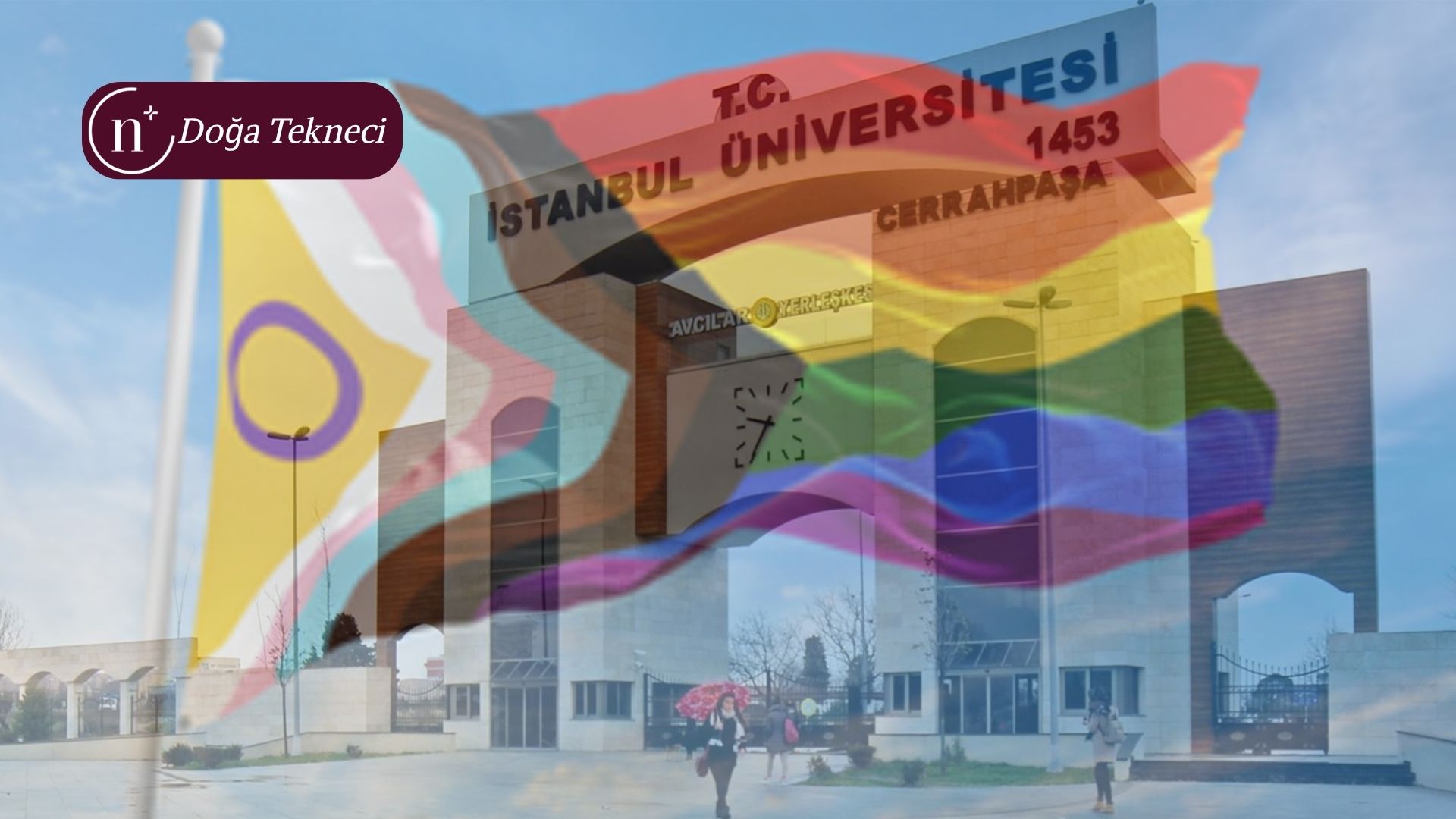
Since February 2026, disciplinary investigations have been launched against 13 students at Istanbul University-Cerrahpaşa. Within just two months, a trans activist student was targeted with an investigation based on allegations of “spreading propaganda for a terrorist organization.” Notably, the justification for this allegation was cited under a regulatory article pertaining to “attempting to cheat in exams.”
Arin, a trans activist and student at Istanbul University, described the process of facing a disciplinary inquiry based on “terror propaganda” allegations. Highlighting legal irregularities and contradictions in the proceedings, Arin characterized the experience as an attempt to distance LGBTI+ individuals from universities.
Pointing out that there are two separate disciplinary investigations against them, Arin stated that no specific reasons were provided in the notices:
“The first was initiated based on correspondence from the Istanbul Chief Public Prosecutor’s Office and the Istanbul Police Department. No reason was stated. It did not specify on what grounds they were conducting a disciplinary investigation. Since no specific act was alleged, this directly impacted the right to a defense. In total, 13 people faced investigations; two of those 13 were trans women.”
“Cheating” regulation used as basis for “terror propaganda” allegation
Arin highlighted a striking contradiction in the second investigation file served to them. Despite facing accusations of “spreading propaganda for a terrorist organization” following reports from the Prosecutor’s Office and the Police Department, Arin noted:
“The investigation paper cited ‘terrorist organization propaganda,’ yet the disciplinary article cited as the legal basis was ‘attempting to cheat in exams.’ Neither I nor my lawyers could understand the connection between terror propaganda and cheating. There is no court verdict and no concrete evidence.”
Reporting that police intervened during a planned press statement in front of the campus on the day of the hearing, Arin pointed out the discrepancy between school management and law enforcement:
“While the school administration claims to have opened the investigation based on police reports, the Counter-Terrorism units at the gate claimed they never sent any documents to the school. They are experiencing a major internal contradiction.”
“The LGBTI+ flag is not a crime”
Stating that the allegations are being linked to past participation in Pride Marches and Gezi Park commemorations, Arin argued that the questions asked during the interrogation were ideological rather than legal:
“The reason I was detained during the Gezi commemoration was for carrying an LGBTI+ flag. Now they are trying to associate this flag with terrorism. The rainbow flag is a globally recognized symbol; it is not a crime.”
“They cannot usurp our right to education”
Arin stated that a policy of “domination” is being established against LGBTI+ students as part of “Year of the Family” policies. She noted that being singled out among hundreds of organized youth is related to their gender identity:
“My friends and I were asked questions like ‘Are you LGBT?’, ‘Do you have regrets?’, or ‘Did you attend the March 8th events?'” Arin stated that this is a result of trustees attempting to remove LGBTI+ people from public spaces and campuses. “LGBTI+ people will remain in the squares and on campuses. They cannot usurp our right to education” Arin added.
Warning of the risk of suspension due to “hate policies,” Arin emphasized their commitment to a legal battle: “I believe that since there is no concrete evidence, no penalty should be given. If a penalty is issued, we will take the matter to the Administrative Court and higher courts.”
Lawyer Furkan Yurt: “Vague authorities granted to administration”
Furkan Yurt, legal coordinator for SPOD, emphasized that the administration is abusing its disciplinary authority. Yurt stated that Article 54 of the Higher Education Law (No. 2547) allows for vague interpretations:
“Vague phrases such as ‘attitudes not befitting the dignity of the institution’ grant administrators unlimited room for arbitrariness. Conducting an investigation for ‘terror propaganda’ through an article regulating exam cheating is the clearest example of how the administration can adopt a wholesale and discriminatory approach, disregarding even basic legal grounds.”
According to Yurt, while sexual orientation and gender identity are not crimes, they are being criminalized indirectly:
“A rainbow flag, a rights-based expression, or a peaceful protest can be thrown into this ‘catch-all crime’ category without any concrete link. Additionally, ‘obscenity’ and ‘terrorist propaganda’ are the most frequently used tools. Social media posts and participation in peaceful protests are presented as criminal elements through these articles.”
“Nonconcrete accusationsis a violation of rights“
Yurt noted that the most fundamental violation is forcing an individual to defend themselves without knowing exactly what they are accused of. He argued that the university administration’s insistence on treating acts, which judicial authorities have found not to constitute crimes, as disciplinary offenses is a “usurpation of function and an abuse of authority.”
“A systematic attack on the democratic identity of universities”
Yurt evaluated the increase in investigations against LGBTI+ individuals as a systematic attack:
“This process is a result of the political administration’s vision of a homogenous society and the narrowing of academic freedom. These investigations often aim to intimidate students and target their right to education rather than staying within legal bounds.”
Lawyer Serhat Alan: “Freedom of expression treated as a disciplinary offense”
Lawyer Serhat Alan from the Istanbul Bar Association categorizes student investigations into two types: administrative disciplinary inquiries conducted by universities and criminal investigations handled by the police and prosecutors.
According to Alan, activities falling under freedom of expression; such as hanging posters, distributing leaflets, or joining protests, are entering disciplinary files alongside police charges like “Opposition to Law No. 2911” or “Inciting the public to hatred and hostility.”
“Institutionalized anti-LGBTI+ hate politics”
Linking the increase in investigations to a “regime of attacks” against LGBTI+ individuals, Alan stated:
“The aim of this increase is clear. The state is acting within a regime of attacks against LGBTI+ people. Following the ban on Pride events since 2015 and the withdrawal from the Istanbul Convention, we are seeing an institutionalized anti-LGBTI+ hate policy, further highlighted by the declaration of the ‘Year of the Family.’ The state uses investigations to prevent solidarity, make LGBTI+ visibility disappear, and block their organizations.”
Alan also pointed out that these pressures aim to isolate young LGBTI+ individuals and break the momentum of youth movements that have grown since March 19, 2025.
“Legislation lacks a gender lens”
Alan argued that the discrimination faced by LGBTI+ students is tied to legislation that ignores gender perspectives:
“YÖK (Council of Higher Education) legislation and internal school regulations tend to subject LGBTI+ individuals to discrimination because all regulations are drafted without a gender lens. This manifests in the refusal to recognize gender identity, the binary arrangement of facilities like toilets and dorms, the absence of effective sexual harassment prevention units, and issues with changing names on diplomas.”
Press statement was done against inquiries on April 27
A press statement was held on April 27 at Istanbul University for the students facing investigations. The statement, organized by the Istanbul University Student Assembly, is as follows:
TO THE PRESS AND THE PUBLIC
The Rectorate of Istanbul University-Cerrahpaşa (IÜC) is intensifying its policies of pressure against students every passing day.
In February 2026, disciplinary investigations were launched against 13 students, citing their participation in peaceful protests and subsequent detentions. The basis for these investigations was a police report whose content was withheld from the students. This situation clearly violates the “right to know the charges,” which is the most fundamental element of the right to a defense.
Investigations, arrests, and pressure cannot intimidate us.
The question “Are you full of regret?” directed at some students during this process demonstrates that disciplinary mechanisms have been transformed into tools for coercion and forced confession.
We will not remain silent, we are not afraid, we will not obey.
Less than two months after these processes, the appointed IÜC rectorate has now launched a disciplinary investigation against an LGBTI+ activist on allegations of “spreading terrorist organization propaganda.” Furthermore, there is neither an indictment nor an active court case regarding these claims.
Additionally, this investigation is based on Article 54/5 of the YÖK Disiplin Regulation (a provision regarding the act of attempting to cheat). The blatant contradiction between the alleged act and the legal basis proves that this process is being conducted arbitrarily and lacks any legal foundation.
Despite requests for additional time to prepare a defense, these requests were rejected on the grounds of a police notification stating that “proceedings must be completed within 30 days,” effectively eliminating the right to a defense.
We state clearly: Following students at campus exits, profiling them, and threatening them is a clear method of harassment and intimidation. These practices target the safety of students and place campus life under duress.
The consequences of this climate of pressure are fresh in our memories. İlayda Zorlu was taken from life following a process of pressure and manipulation conducted through the cooperation of the family, state, and police. This loss demonstrates once again the severe consequences of the policies of pressure carried out both on and off campus.
YÖK, police, media—this blockade will be broken!
Therefore, we state clearly: Let those who follow and threaten students on campuses know that this is harassment. We do not accept it.
Long live our organized struggle.
The right to assembly, demonstration, and making press statements, guaranteed under the Constitution and the European Convention on Human Rights, cannot be made subject to permission. The precedents of the ECHR and the Council of State clearly reveal that disproportionate interventions against peaceful actions are unlawful.
These processes are not merely individual; they represent a systematic crackdown on freedom of expression, the right to organize, and LGBTI+ existence on campuses.
Let the appointees who attempt to drive LGBTI+ individuals out of campuses under the guise of the “Family Year” know that LGBTI+ people have not given up on the streets or the campuses for years, and they never will.
As students of Istanbul University-Cerrahpaşa, we believe that universities must be independent, democratic areas for scientific production; we believe this, and we will continue to do our part to ensure it.
We address those who try to pressure us with unlawful investigations and policies of intimidation from here:
YÖK, trustees, media—this blockade will be broken! Universities will be liberated with us!
We stand by all our friends facing investigations and we will not take a step back from our struggle.
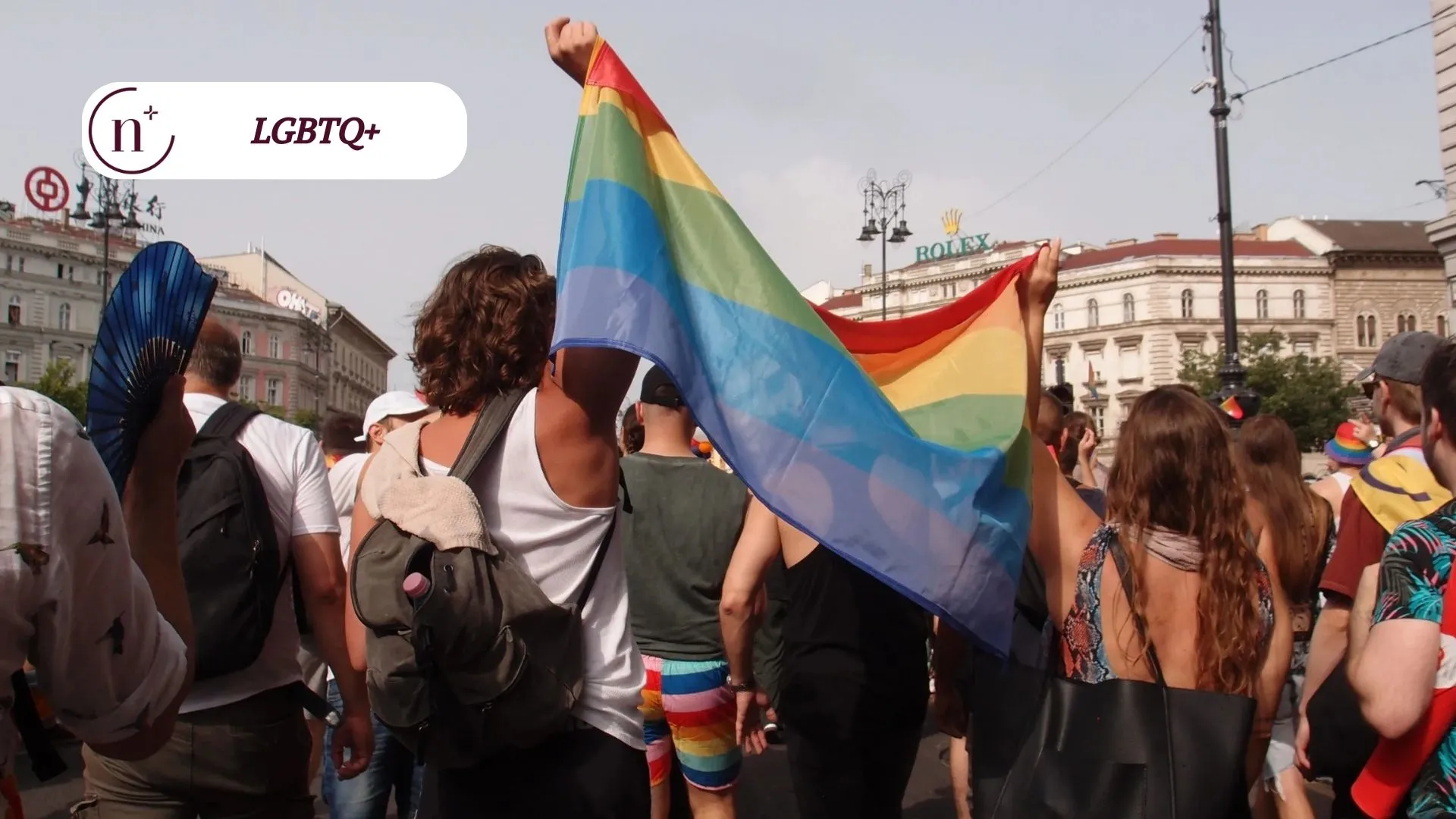
With the end of Viktor Orbán’s conservative rule, a new era began in Hungary, but the silence of Péter Magyar and the Tisza Party, who won a majority in the elections, on LGBTQ+ rights raised questions. Johanna Majercsik, spokesperson for Budapest Pride, stated: “The most urgent issue is the restoration of the right to assembly.”
Source: Budapest Pride
In the Hungarian general elections on April 12, Victor Orbán’s far-right Fidesz (Hungarian Civic Alliance) party, which had been in power for 16 years, lost its grip on power. Péter Magyar and his Tisza (Respect and Freedom Party) party, which was initially close to Orbán but later split from Fidesz and adopted a center-right stance, achieved a victory.
According to the results from the election, with almost all the ballots counted, Tisza won 138 seats in the 199-member parliament. Having surpassed 133 seats indicates that Tisza has achieved a majority sufficient to amend the constitution.
Viktor Orbán, who served as Prime Minister of Hungary for 16 years until his electoral defeat in April 2026, became widely recognized for implementing a series of laws and policies targeting the LGBTQ+ community.
Orbán made an amendment on 2012 saying constitution recognizes only two sexes. In 2020, this was tightened to effectively ban adoption by same-sex couples. The Child Protection Act (Act LXXIX), which passed on June 2021 under the guise of protecting children, implicitly conflates LGBTQ+ individuals with child abusers. This legislation prohibits the “depiction or promotion” of homosexuality or gender reassignment to minors under 18 in education, media, and advertising. The law restricts TV programs showing LGBTQ+ content and books containing LGBTQ+ themes. Furthermore, in March 2025, Orbán government passed legislation that effectively banned LGBTQ+ Pride marches, allowing for the use of facial recognition technology to identify attendees
Budapest Pride: “The most urgent issue is the restoration of the right to assembly”
Spokesperson of Budapeşt Pride, Johanna Majercsik, evaluated the demands of Budapest Pride after the Hungary elections. Majercsik describe the collapse of Viktor Orbán’s 16-year rule as a path opened for Hungary to return to the rule of law. “A fair and just democracy cannot exist without human rights, including LGBTQ rights,” she said.
Majercsik mentioned that with a two-thirds majority, all anti-LGBTQ laws passed by the Orbán government can be repealed.
“The most urgent issue” said Majercsik, “is the restoration of the right of assembly. This is particularly urgent because we are holding the Budapest Pride March on June 27. But beyond that, the previous government passed numerous anti-queer laws that were enshrined in the Fundamental Law. With a two-third majority, however, these can also be repealed.”
“We know nothing about Magyar’s stance on legal gender and name changes”
Majercsik stated that the program of the TISZA Party that Péter Magyar was elected from makes no mention of the LGBTQ community:
“In his public speeches, he is rather vague when he says that everyone is free to love whomever they want, as long as they don’t break the law (as he stated at the international press conference on April 13). Alas, it is rather impossible to conclude from this whether he intends to use legislation to allow same-sex couples to marry and adopt, and we know nothing about his stance on legal gender and name changes.”
She stated that the LGBTQ+ community in Hungary feels fear, relief, distrust, hope at once at the moment. She lists the reasons why the community experience all these feelings at once as follows:
“The TISZA Party’s program makes no mention of the LGBTQ community, Péter Magyar is vague on this issue, and when Viktor Orbán intended to ban Pride marches last year, Magyar, our future prime minister, remained silent, he didn’t speak up for the LGBTQ people.”
People have zero toleration
Majercsik explaining more than 300,000 people took part in last year’s Pride march in Budapest, further said this can be considered an all-time record since they had estimated 35,000 participants in previous marches.She emphasized that this amount of people showed that people have no toleration to any disregard for fundamental rights.
“In 2025, the people sent a clear message to those in power that they would not tolerate the erosion of their fundamental rights, and they declared that the right to assembly belongs to everyone. Last year’s Pride march played a crucial role in the ousting of the Orbán regime: it was one of the key events where people gathered in huge numbers to express that they had had enough and wanted change.”
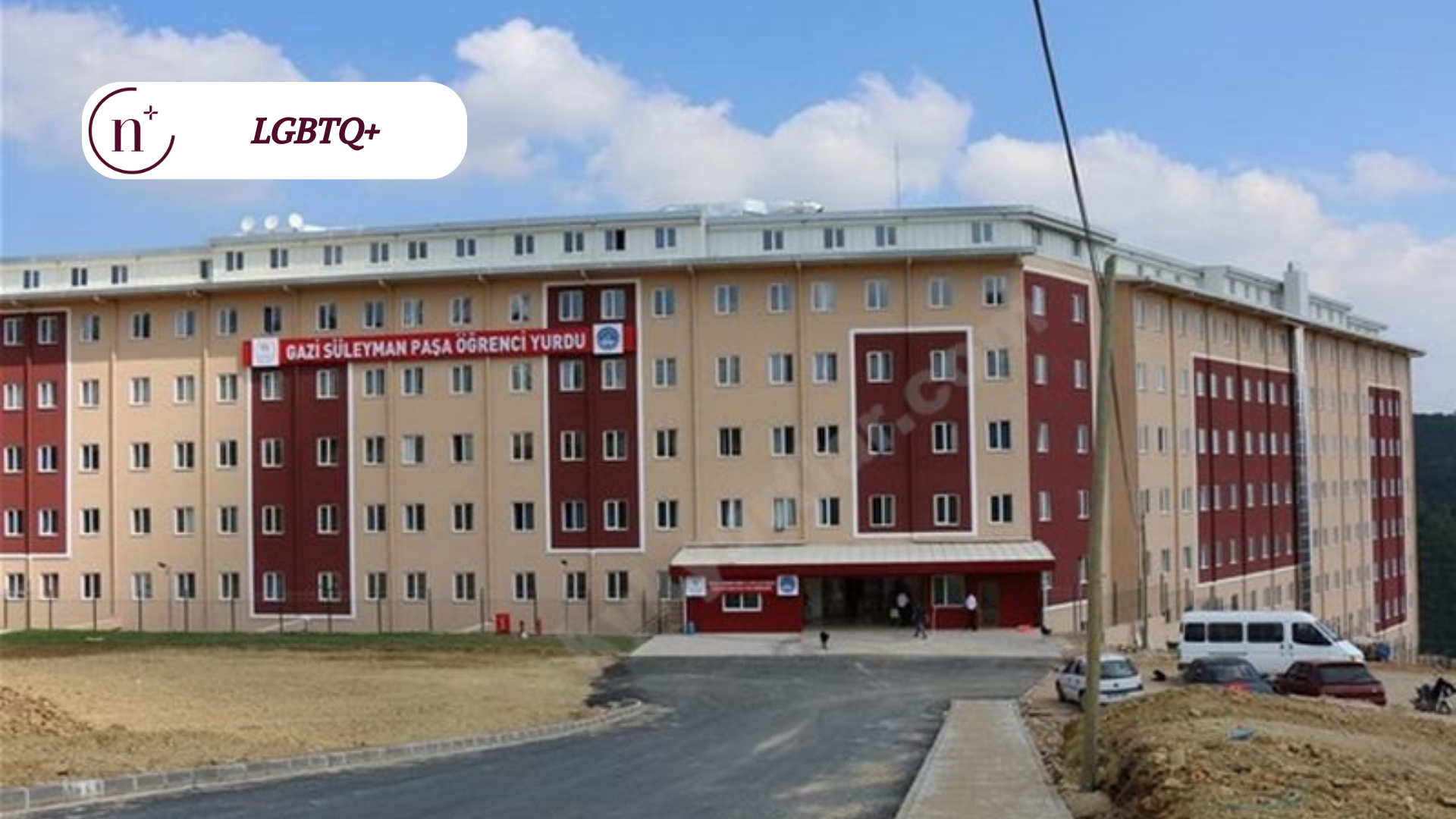
K. A. Ö., a student at Kocaeli University, said that they were threatened with eviction from their dormitory by the administration because of their trans identity. Lawyer Akpınar emphasized that these actions clearly are a human rights violation.Yılmaz from LGBTQ+ Comission ofHuman Rights Association said no one can be expelled from a dorm for who they are.
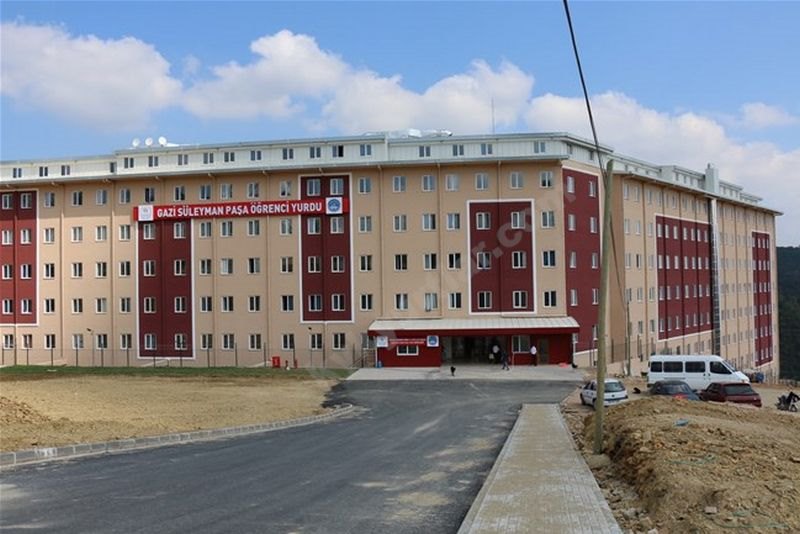
A student at Kocaeli University, identified as K. A. Ö., stated that they were targeted by the administration of the Gazi Süleyman Paşa KYK Male Student Dormitory where they reside, due to their transgender identity.
K. A. Ö. said that the dormitory administration had repeatedly called them in for meetings over this issue and threatened them with expulsion if they did not comply with the warnings. They also explained that their family had been contacted and warned by the administration, which increased the pressure on them:
“I have been staying at the Gazi Süleyman Paşa Male Student Dormitory since September 14, 2025. The way I express my gender identity has, for some time, become an excuse used by the administration to avoid dealing with real issues. I was first warned about this on January 29, 2026. The director personally told me that ‘dressing like a woman’ was against the dormitory rules. I was told that if I wanted to behave this way, I would not be able to stay in the dormitory and would need to rent a separate house. I told the administration that I am in a gender transition process at the hospital and that if they had objections, they should discuss the matter with my psychiatrists.”
“I was not told which rule I violated”
Speaking about their meetings with the dormitory administration, K. A. Ö. said that they examined the KYK regulations and presented them to the officials. They emphasized that they read the disciplinary provisions one by one to the deputy directors, yet were never informed which rule they had violated:
“I presented the regulation to them and asked which rules I had violated. I read aloud the articles that define acts requiring disciplinary action under Article 22 (Warning), Article 23 (Reprimand), and Article 24 (Expulsion from the dormitory). They tried to explain gender norms to me and how a man should apply ‘acceptable’ makeup. I was not given any written notification.”
“My family was informed without my consent”
K. A. Ö. stated that after a health issue resulting from an accident, the dormitory administration contacted their family. Saying they do not know exactly what was told to their family, but emphasized that information about their private life was shared without their consent:
“Although I am an adult, the administration of the Gazi Süleyman Paşa Male Student Dormitory disclosed my private life and medical process to my father without my consent. At a time when the government places such strong emphasis on ‘protecting the family structure,’ this unlawful action by the administration suddenly destroyed my good relationship with my father and put me in conflict with my family. This situation is the clearest evidence that the so-called ‘family’ discourse is not about real protection, but merely an ideological propaganda tool designed to discipline individuals deemed deviant through family pressure.”
K. A. Ö. stressed that the sharing of their medical interventions and private life violates both the undertaking they signed and laws on the protection of personal data.
Lawyer Akpınar: “These actions constitute rights violations”
Ekin Su Akpınar, the lawyer of K. A. Ö., stated that the incidents involve multiple rights violations and are unlawful.
Reminding that Article 10 of the Constitution guarantees equality before the law regardless of language, race, gender, or similar reasons, Akpınar also noted that under Article 17, any pressure, threat, or coercive practices targeting an individual’s personal integrity are unlawful:
“Intervening in a student’s clothing and threatening their right to housing on this basis creates serious legal issues and rights violations in terms of proportionality and legality.”
Akpınar further stated that contacting the student’s family and sharing personal information without consent constitutes a violation of the right to privacy under Article 20 of the Constitution:
“According to the regulations on disciplinary penalties and procedures, for a disciplinary action to be taken against a student, the alleged act must first be clearly defined, and the student must be granted the right to defense. This process is conducted directly with the student, and the administration’s counterpart is the student. Even if there is a claim that parents were contacted because the individual is a student, it must not be forgotten that these students are legally adults.”
“This is arbitrary interference”
Akpınar emphasized that imposing sanctions based on clothing style or gender identity is not provided for in the relevant disciplinary regulations and is incompatible with the Constitution and international conventions, describing such interventions as arbitrary.
She also stated according to the section on notification of decisions, disciplinary board decisions must be communicated to the student in writing, and that the regulation should fundamentally aim to protect the student’s right to housing:
“Issues such as students’ lifestyles, identities, and clothing are not matters the dormitory administration can intervene in. Contacting the family and exceeding the limits of authority constitutes entirely arbitrary actions and involves rights violations.”
“Trans students are the first to be excluded.”
Cüneyt Yılmaz, a member of the Human Rights Association (İHD) LGBTQ+ Commission, stated that the threat to expel the trans student from the dormitory is not merely an individual incident, it is the result of a structural problem. Highlighting that everyone has the right to housing and education, Yılmaz said that trans students are often the first to be excluded and deemed undesirable.
“Trans students face problems everywhere, whether they are in a process of transition or not, and are subjected to similar discriminatory attitudes in all areas they are present. This is absolutely a violation of rights. It is clear where dormitory administrations derive this boldness from. Even during parliamentary sessions, ruling party parliamentarian have used discriminatory and hateful rhetoric against LGBTQ+ people,” he said. Yılmaz underlined that dormitories, like all public services, must operate without discrimination based on gender or sexual orientation.
Discrimination is a crime
“Just as you cannot exclude a student for being Kurdish or expel them for being Alevi, you cannot do so because they are trans. This is a clear violation of rights and constitutes a crime. Being subjected to discrimination due to an inherent aspect of your existence is inhumane treatment. Discrimination is a crime. Just as institutions are obligated to meet the needs of students with disabilities, they are also required not to create obstacles for trans individuals in transition and to ensure they can stay in the environment of their choice.”
Yılmaz also noted that this atmosphere is not limited to individual institutions, adding: “The rhetoric of institutions such as the government, the Directorate of Religious Affairs, and RTÜK fuels this discrimination. However, responsibility does not lie solely with the government; opposition parties, especially the The Republican People’s Party (CHP), also fail to take an adequate stance on this issue.”
When the queer film selection, which the organizers had announced would be included in this year’s program, will be once again excluded from this year. Filmmakers and cultural and arts workers renewed their call for a boycott.
The program for the 45th Istanbul Film Festival organized by the Istanbul Foundation for Culture and Arts (İKSV), was announced.
In addition to three competitive sections—the Golden Tulip Competition, New Perspectives, and the Short Film Competition—the festival will feature six sections consisting of different thematic selections.
The “Neredesin Aşkım?” (“Where Are You, Love?”) section, dedicated to queer films, was not included in this year’s program either, despite statements made by the İKSV on social media following the censorship debates in 2025.
Filmmakers and cultural and artistic workers, who characterized this decision as “censorship,” expressed their outrage toward the İKSV and the festival management. The Istanbul Pride Week Committee has once again called for a boycott of the Istanbul Film Festival this year.
What happenned last year?
The decision to exclude the “Where Are You, Love?” section -which has been part of the festival since 2014 and showcases queer films- from the last year’s festival, had led to criticism from the LGBTQ+ community (such as, Pembe Hayat KuirFest) and certain artists, leading to calls for a boycott of the festival. Following the boycott calls, the festival stated in an Instagram post last year that it planned to include “Where Are You, Love?” in the program again the following year; which
Many artists point out that this decision is a clear act of censorship and is linked to the ruling government’s policies of oppression.
Comments on social media also highlighted that the festival’s decision was part of the Erdoğan government’s policies targeting the LGTBQ+ community under its “Year of the Family” campaign in Turkey.
The 12th Istanbul Trans Pride Week called on many organizations and institutions during Newroz: “We are part of the memory, resistance, and rebellion of these lands.”
Photo: KaosGL
The 12th Istanbul Trans Pride Week announced that, like every year, they will be present at the Newroz celebrations in Istanbul with trans and LGBTQ+ flags.
Trans Pride Week called on all organizations and groups defending human rights to stand with them against the attacks they have faced at Newroz by unidentified individuals and the police. The call reads as follows:
“Our open call to feminists, workers, revolutionaries, anarchists, activists, defenders of the right to live, institutions, associations, and organizations: Let’s carry trans and LGBTQ+ flags together at Newroz!
Every year, in the Newroz area where we gather together in resistance against the state and its denial policies, we are targeted because of our flags. We are subjected to violence under various male gangs—nurtured by patriarchy and convinced they are the sole subjects of the space. Despite this male violence, which seeks to block our very existence by forming gangs, we will continue to be present in the square and organize.
In previous Newroz celebrations, we faced physical, psychological, and verbal violence as our flags and our very existence were targeted. The same group of men did not even hesitate to attack babies. Just as we stand against the state’s policies of denial and assimilation, we will continue to fight against such acts of violence, intimidation, and gang-like tactics in the Newroz square where hundreds of thousands gather in the name of peace, freedom, and equality. We are lubun, we are trans, we are Kurdish. We exist in the memory, resistance, and rebellion of these lands. Newroz belongs to us too.
We call on our fellow activists to stand in solidarity with us against those who follow the state’s hate policies targeting trans and queer people.
On the streets, at protests, and on Newroz; we call on everyone to wave the lubunya flag with us, and we invite all our friends and organizations to take pride in flying trans and rainbow flags in the streets. This Newroz, we ask you to wave the lubunya flag alongside your own flags in your parades. Our struggle is shared.