
With the end of Viktor Orbán’s conservative rule, a new era began in Hungary, but the silence of Péter Magyar and the Tisza Party, who won a majority in the elections, on LGBTQ+ rights raised questions. Johanna Majercsik, spokesperson for Budapest Pride, stated: “The most urgent issue is the restoration of the right to assembly.”
In the Hungarian general elections on April 12, Victor Orbán’s far-right Fidesz (Hungarian Civic Alliance) party, which had been in power for 16 years, lost its grip on power. Péter Magyar and his Tisza (Respect and Freedom Party) party, which was initially close to Orbán but later split from Fidesz and adopted a center-right stance, achieved a victory.
According to the results from the election, with almost all the ballots counted, Tisza won 138 seats in the 199-member parliament. Having surpassed 133 seats indicates that Tisza has achieved a majority sufficient to amend the constitution.
Viktor Orbán, who served as Prime Minister of Hungary for 16 years until his electoral defeat in April 2026, became widely recognized for implementing a series of laws and policies targeting the LGBTQ+ community.
Orbán made an amendment on 2012 saying constitution recognizes only two sexes. In 2020, this was tightened to effectively ban adoption by same-sex couples. The Child Protection Act (Act LXXIX), which passed on June 2021 under the guise of protecting children, implicitly conflates LGBTQ+ individuals with child abusers. This legislation prohibits the “depiction or promotion” of homosexuality or gender reassignment to minors under 18 in education, media, and advertising. The law restricts TV programs showing LGBTQ+ content and books containing LGBTQ+ themes. Furthermore, in March 2025, Orbán government passed legislation that effectively banned LGBTQ+ Pride marches, allowing for the use of facial recognition technology to identify attendees
Budapest Pride: “The most urgent issue is the restoration of the right to assembly”
Spokesperson of Budapeşt Pride, Johanna Majercsik, evaluated the demands of Budapest Pride after the Hungary elections. Majercsik describe the collapse of Viktor Orbán’s 16-year rule as a path opened for Hungary to return to the rule of law. “A fair and just democracy cannot exist without human rights, including LGBTQ rights,” she said.
Majercsik mentioned that with a two-thirds majority, all anti-LGBTQ laws passed by the Orbán government can be repealed.
“The most urgent issue” said Majercsik, “is the restoration of the right of assembly. This is particularly urgent because we are holding the Budapest Pride March on June 27. But beyond that, the previous government passed numerous anti-queer laws that were enshrined in the Fundamental Law. With a two-third majority, however, these can also be repealed.”
“We know nothing about Magyar’s stance on legal gender and name changes”
Majercsik stated that the program of the TISZA Party that Péter Magyar was elected from makes no mention of the LGBTQ community:
“In his public speeches, he is rather vague when he says that everyone is free to love whomever they want, as long as they don’t break the law (as he stated at the international press conference on April 13). Alas, it is rather impossible to conclude from this whether he intends to use legislation to allow same-sex couples to marry and adopt, and we know nothing about his stance on legal gender and name changes.”
She stated that the LGBTQ+ community in Hungary feels fear, relief, distrust, hope at once at the moment. She lists the reasons why the community experience all these feelings at once as follows:
“The TISZA Party’s program makes no mention of the LGBTQ community, Péter Magyar is vague on this issue, and when Viktor Orbán intended to ban Pride marches last year, Magyar, our future prime minister, remained silent, he didn’t speak up for the LGBTQ people.”
People have zero toleration
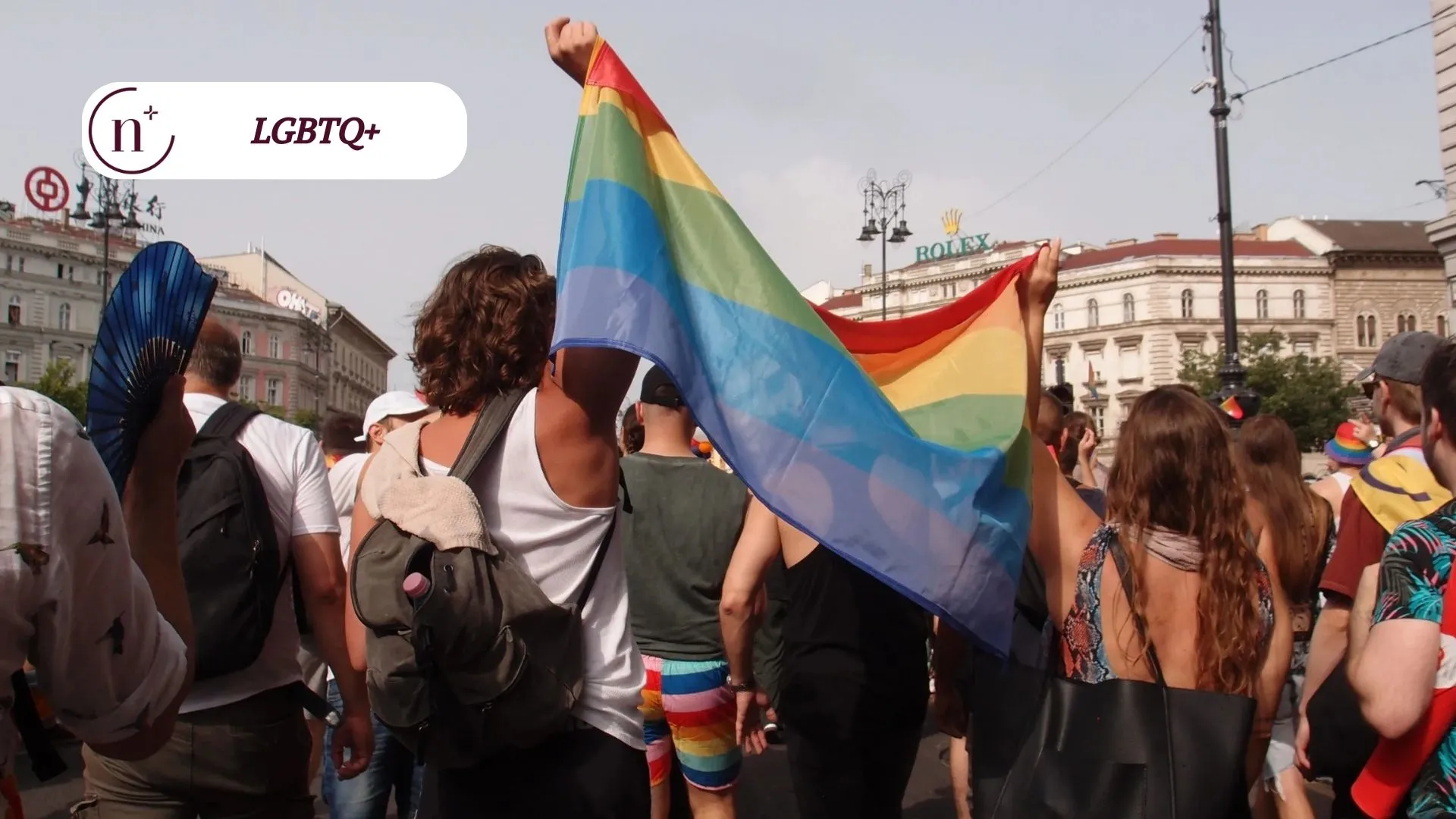
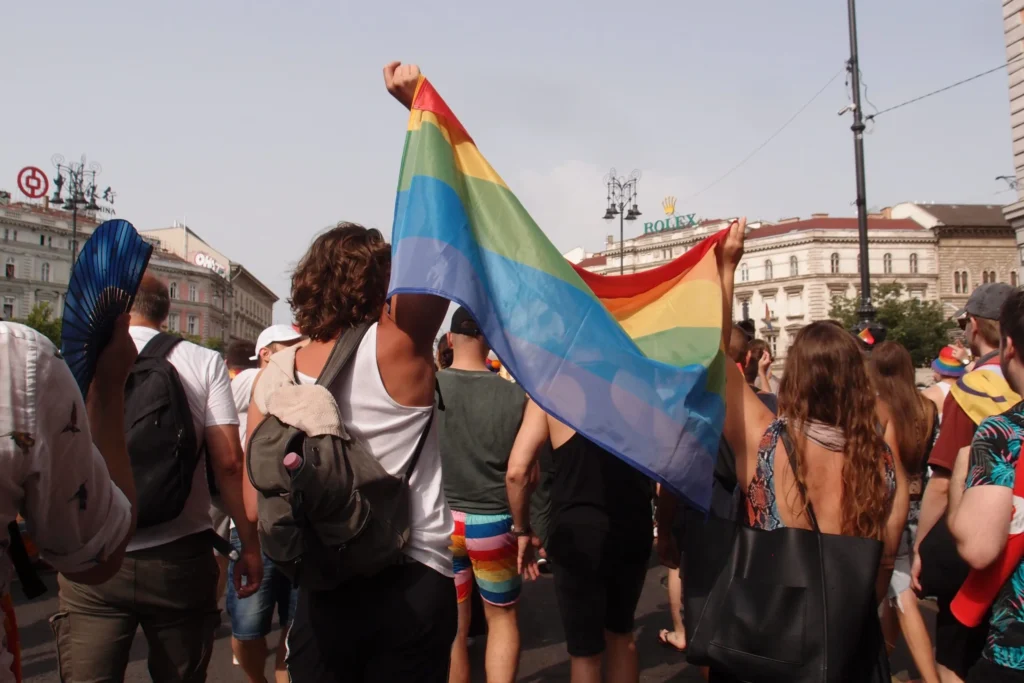
Majercsik explaining more than 300,000 people took part in last year’s Pride march in Budapest, further said this can be considered an all-time record since they had estimated 35,000 participants in previous marches.She emphasized that this amount of people showed that people have no toleration to any disregard for fundamental rights.
“In 2025, the people sent a clear message to those in power that they would not tolerate the erosion of their fundamental rights, and they declared that the right to assembly belongs to everyone. Last year’s Pride march played a crucial role in the ousting of the Orbán regime: it was one of the key events where people gathered in huge numbers to express that they had had enough and wanted change.”
Source: Green European Journal, Wikipedia