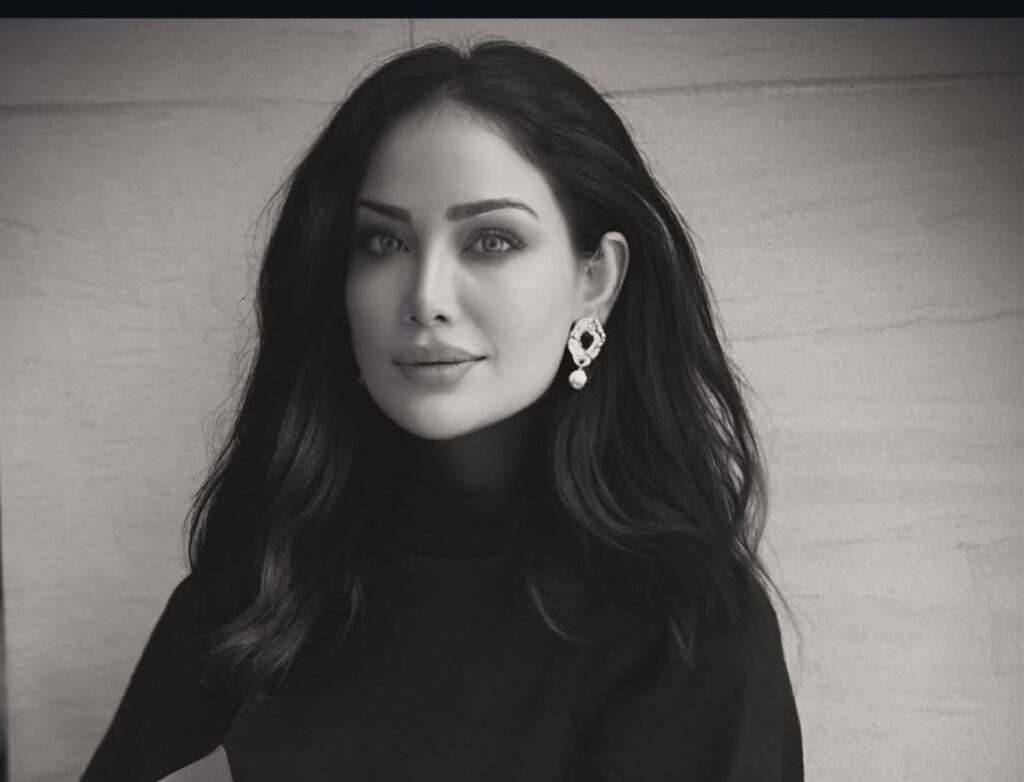
Afghan women’s rights defender Laleh Osmany said the chanting of “Woman, Life, Freedom” during the protests in Herat reflects “a deep, transnational solidarity among women rooted in a shared cultural sphere, as well as their high awareness of their fundamental rights.”
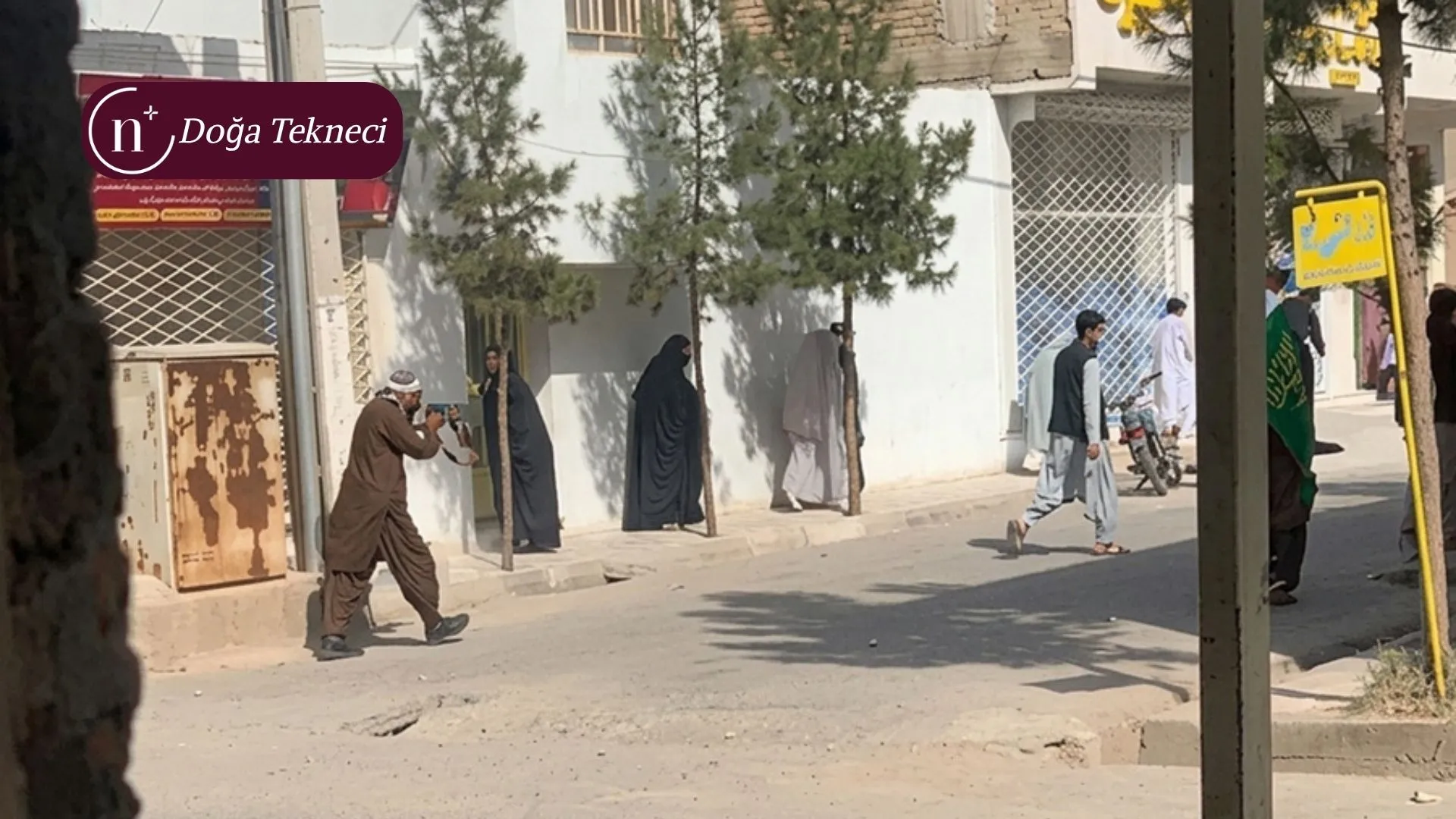
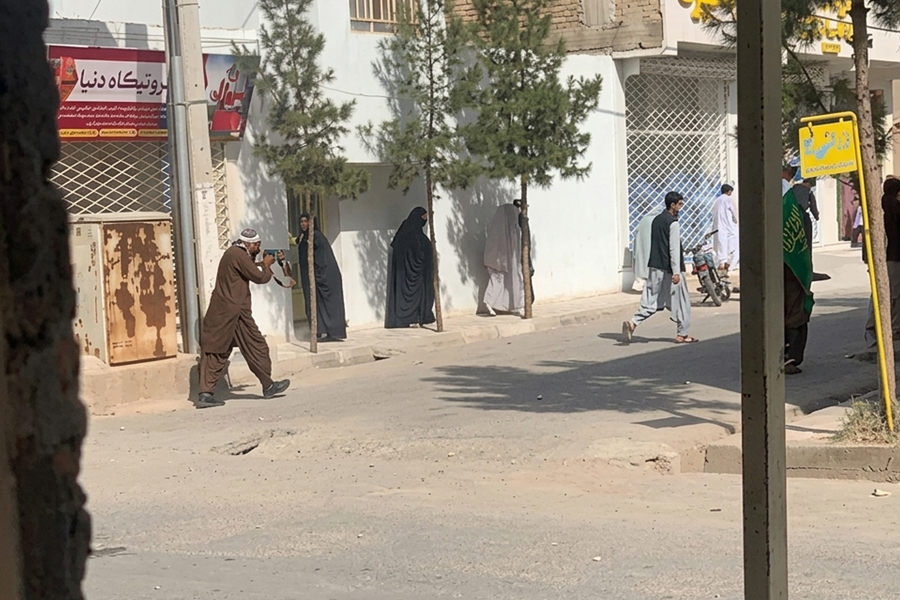
Taliban crackdown on protest in Herat on June 9th, 2026. Photo: 8am Media
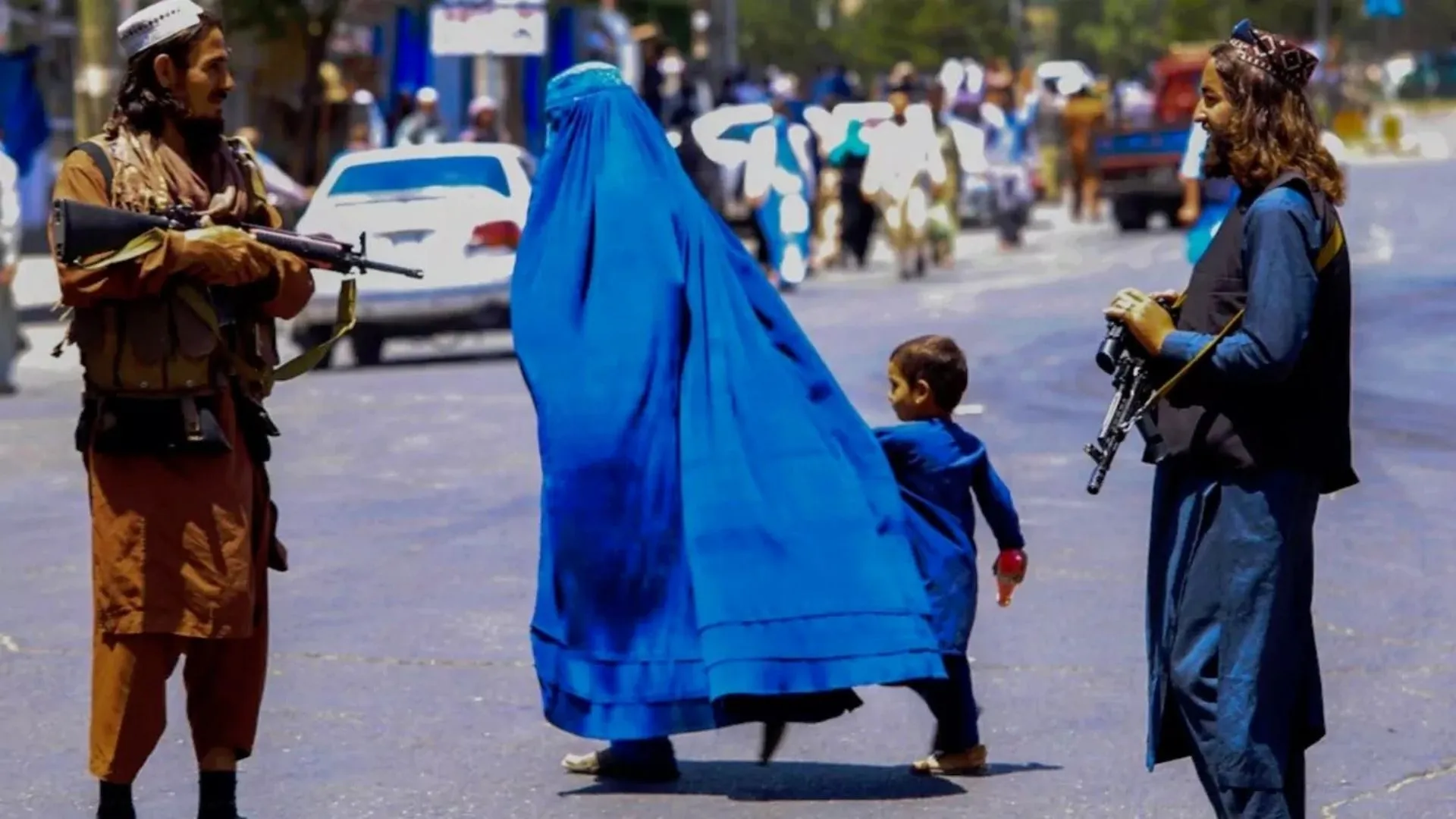
In Afghanistan, some residents from the Jibrail area of Herat Province held a protest rally on June 8th. The protests have raised over the ongoing arrests and harsh treatment of women by the Taliban’s Morality Police starting on June 6th. According to local resources, Taliban began to forcefully make women to wear Chadari or burqa and warning that those who do not wear will be imprisoned.
On June 11th, in a second wave of protests, the people of Herat gathered in front of the governor’s office to protest the acts of detention and violence against women, chanting “Death to the Dictator,” “Women, Life, Freedom,” and “Education, Work, Freedom.” Since June 8th, Taliban police had been trying to disperse the crowds by opening fire on the gathered people for days.
Murtaza, a 16-year-old Afghan youth, was wounded by two bullets to his leg during the Taliban police’s crackdown on the protests in Herat and passed away on June 16th. It was reported that at least 20 people were injured as a result of the Taliban police opening fire on the protesters.
Najibullah Ali, the Taliban’s police commander for security affairs in Herat, has announced on June 18th that so far more than 19 women – this number escalated to 30 according to local sources – have been detained by the Taliban’s forces for promoting virtue and preventing vice for what this group calls “failure to observe hijab.” He adds that the detention of women by the forces for promoting virtue and preventing vice in this province will continue.
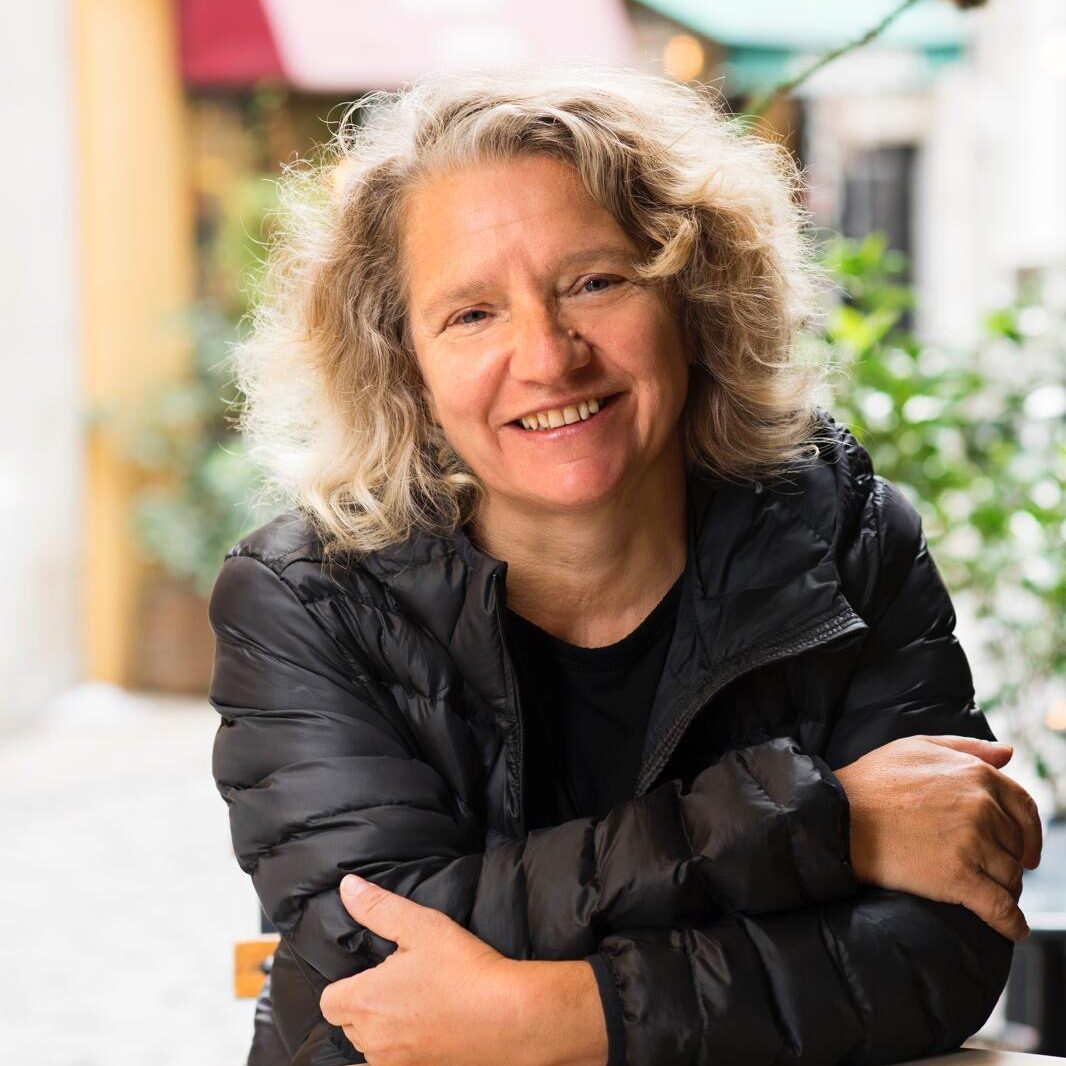
Afghan women’s rights defender Laleh Osmany spoke about the wave of women-led protests in Herat and the systematic repression women face under Taliban rule.
Laleh Osmany
“A strategy to erase women from public life”
According to Osmany, violence, terror, arbitrary detention, and public humiliation of women — carried out under the pretext of “inappropriate hijab” or leaving home without a male guardian, or mahram — have become “a structural, daily policy enforced by the Taliban’s Ministry for the Propagation of Virtue and Prevention of Vice and their intelligence agencies.” She noted that Taliban vice units, known as muhtasib, have set up numerous checkpoints across cities specifically to police women’s attire.
“In many cases, young women and girls are arrested without a male guardian present, brutally beaten with cables and whips, and released only after their families are forced to pay heavy ransoms or sign coercive pledges,” Osmany said. She described these practices as part of a calculated, larger campaign:
“These actions are a deliberate part of a broader strategy aimed at the complete eradication of women from the public sphere.”
“Woman, Life, Freedom” echoes through Herat
Osmany said the chanting of “Woman, Life, Freedom” during the Herat protests reflects “a deep, transnational solidarity among women rooted in a shared cultural sphere, as well as their high awareness of their fundamental rights.” She said the city’s history as a center of progressive civil movements: “Herat has historically been a cultural hub and a breeding ground for progressive civil movements in Afghanistan.”
Despite live gunfire, violence, and the threat of imprisonment, Osmany stated the protests demonstrated that women’s will to resist remains alive:
“These protests proved that despite brutal suppression, direct live fire, violence, and imprisonment, the will of women to resist remains alive. The protests in Herat sent a clear message to the world: the roots of Afghan women’s quest for freedom cannot be dried up by decrees of gender segregation and Taliban intimidation, and they are prepared to pay the highest price for their human dignity.”
Underground networks of resistance
Asked whether organized resistance persists despite the risks, Osmany confirmed that Afghan women have built extensive underground and overt networks, structured around three main pillars.
The first, she said, is citizen documentation: “Upon their release, detained women use pseudonyms to expose their experiences of torture and the Taliban’s inhumane treatment across social media and international news outlets.”
The second involves safe houses and underground schools: “Establishing secret home-based schools for girls deprived of education, alongside creating psychological and financial support circles for women who have lost their breadwinners.”
The third pillar, she said, is sustained civil mobilization: “Grassroots groups continuously issue statements and hold protests in closed indoor locations, raising their voices to UN human rights bodies to actively prevent the Taliban from gaining international legitimacy.”
Call from women’s organizations
Numerous calls to action continue to circulate on social media, organized by citizens of Afghanistan abroad, with protests planned in Berlin and many other places.
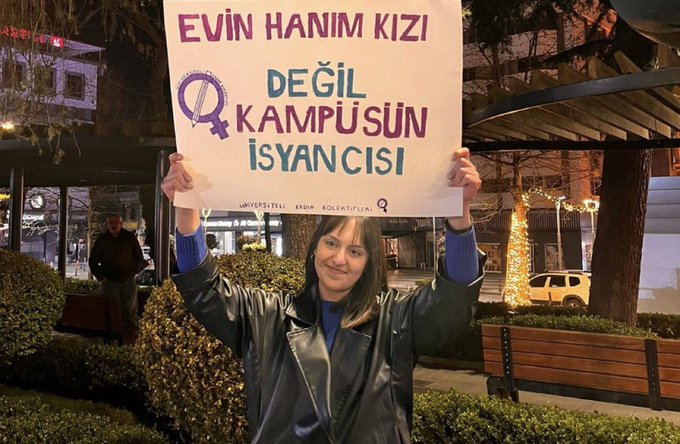
Members of the Justice-Seeking Women’s Movement, by launching a protest campaign and using the global distress symbol, have expressed concern over the increasing restrictions on women in Herat and urged the international community not to remain silent in the face of this situation on June 18th.
Members of this movement, through a campaign with the slogan “Afghan Women Are in Danger, Join This Campaign”, by darkening the map of Afghanistan on their faces and using the global distress symbol, have called for the international community’s immediate attention to the situation of women in the country.
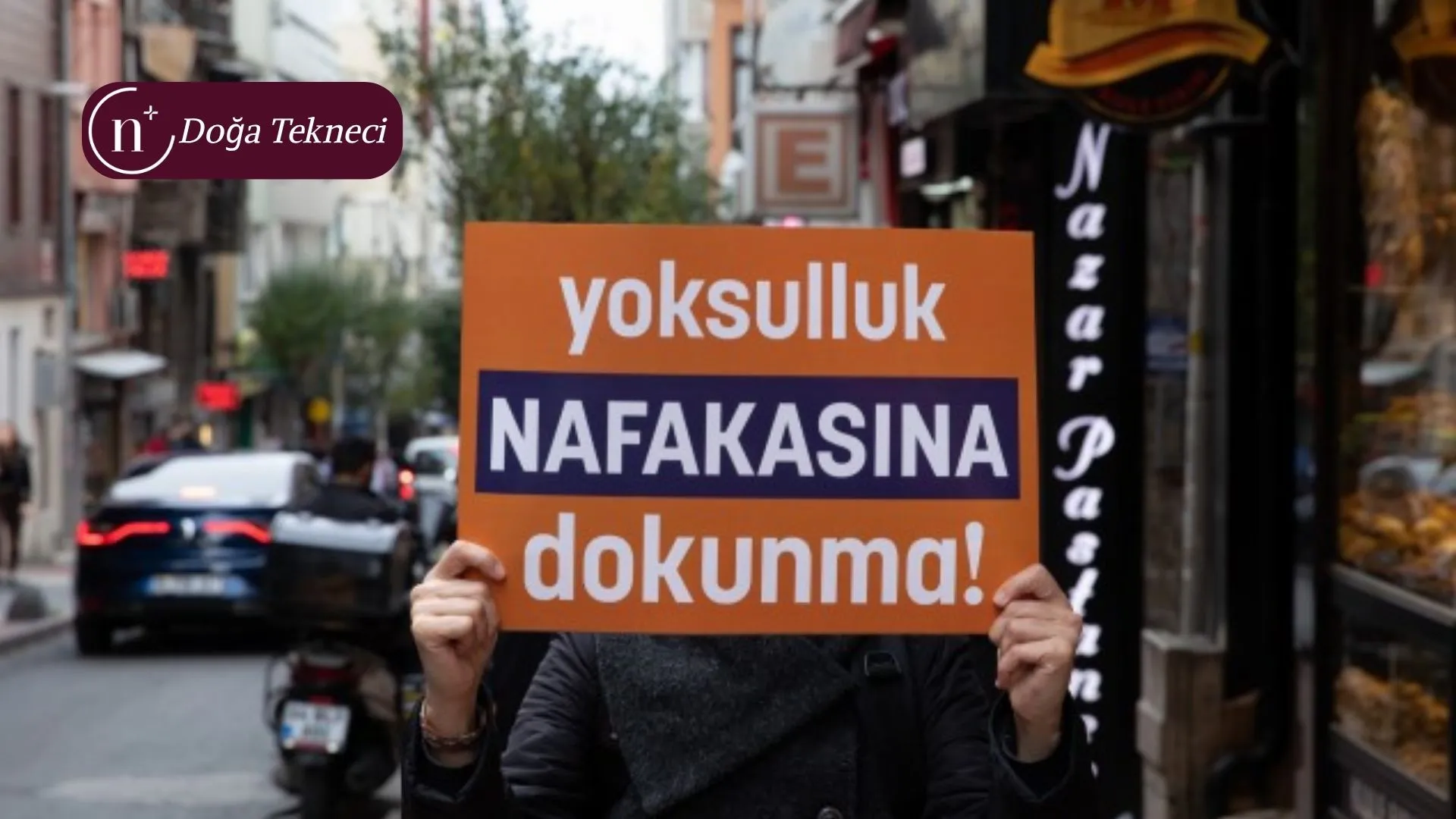
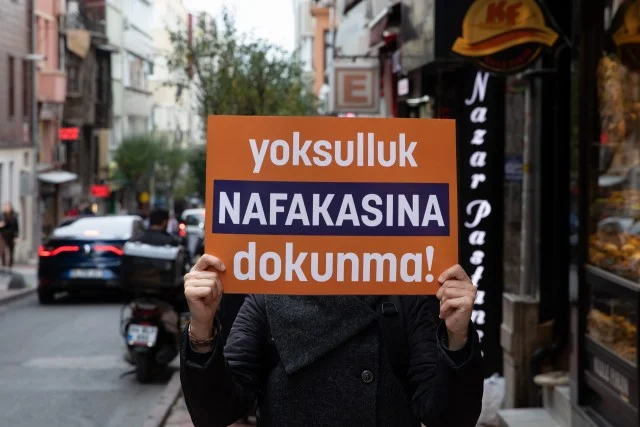
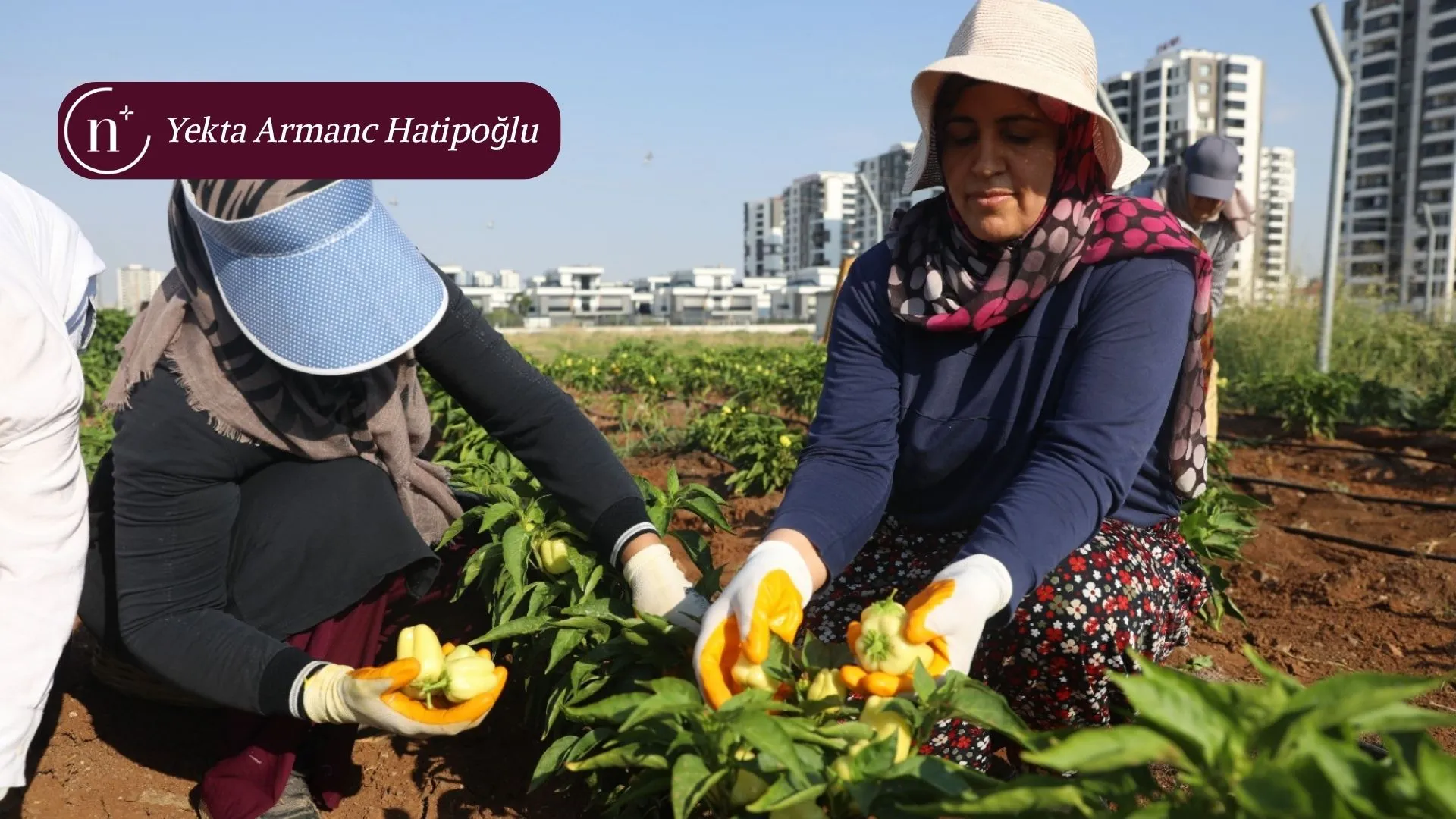
Hacer Foggo, founder of the Deep Poverty Network (Derin Yoksulluk Ağı), who responded to the Constitutional Court’s annulment of the provision allowing a divorced spouse to claim poverty alimony “indefinitely” on grounds of unconstitutionality, reminded the public that single mothers living in deep poverty are already working in irregular and uninsured jobs.
Photo: Serra Akcan / csgorselarsiv.org
The Constitutional Court (CC) in Turkey annulled the provision in Article 175 of the Civil Code allowing a divorced spouse to claim poverty alimony “indefinitely,” ruling it unconstitutional. The CC General Assembly decided to grant the Grand National Assembly of Turkey nine months to enact the necessary legislation.
The Antalya 12th Family Court had applied to the Constitutional Court in 2025 seeking the annulment of the phrase “indefinitely” in the provision on poverty alimony under Article 175 of Turkish Civil Code No. 4721. The high court issued this ruling upon the application of the local court.
Following the annulment ruling, it was reported in the press that the draft on the AKP’s table plans to take the duration of marriage as the basis. Accordingly, those married for 3 years would receive alimony for 5 years, those married for 5 years for 7 years, and those married for 10 years for 12 years.
Hacer Foggo, founder of the Deep Poverty Network (DPN), who shared her assessment with Niha+, underlined the hunger, debt, school dropout, and housing risks that emerge in households when alimony is cut or not paid.
Hacer Foggo: “Alimony is insufficient but vital support”
Photo: Hacer Foggo
Foggo emphasized how vital alimony is for women and stated that the public perception created, that “women receive alimony in high amounts” does not correspond to the reality in the field:
“A significant portion of the single mothers living in deep poverty whom we support in the field, particularly those working in daily precarious jobs, either receive very low amounts of alimony or cannot regularly collect the alimony that has been ruled. The 2024 Poverty Alimony Monitoring Report of the Women’s Solidarity Foundation also shows that, among the files examined, the average poverty alimony was 1,179.40 TL. It is impossible for this amount to suffice for a woman living alone. What we see in the field is this: alimony is not a welfare tool for women — it is a support that is most often vital yet insufficient for rent, bills, food, children’s school meals, transportation, medicine, fuel, and a safe life. Women living in deep poverty are already trying to survive through daily, irregular, and precarious work.”
The 2019 “Poverty Alimony Research” report of the Women’s Solidarity Foundation had recorded that only 20.7 percent of alimony rulings were paid by those obligated to pay, while 50.7 percent were never paid at all.
The foundation’s 2024 “Poverty Alimony Research” report stated that while the proportion of men with no income was 7 percent, the proportion of women with no income was 47 percent. Accordingly, while 80 percent of men work at or above the minimum wage, this figure stands at only 46 percent for women.
“The structural inequalities women face are being ignored”
Responding to the argument that making alimony time-limited is justified with the claim “Women should work too” which has been asserted in public debate, Foggo stated that this argument ignores the structural inequalities women face. Foggo said that single mothers living in deep poverty are already working, such as going to do daily cleaning, doing piecework, working in irregular and uninsured jobs, and underlined that these are not jobs that provide regular income, social security, or a dignified life.
Reminding that one of the biggest obstacles to women’s participation in the workforce is the burden of care, Foggo said: “If there are no free and accessible nurseries, if a woman cannot find a safe place to leave her child, it becomes practically impossible for her to work with a fixed income. Many women shoulder child care, school follow-up, hospital processes, housework, and the responsibility of livelihood entirely on their own. Ignoring these conditions means not knowing the conditions of deep poverty.”
“It becomes harder for women to escape violence”
According to Foggo, when alimony ends, a woman who has not yet established her economic independence faces even deeper poverty. Saying “For a woman who cannot find a free nursery to leave her child and cannot access regular and secure employment, the cutting of alimony means being unable to cover basic living expenses,” Foggo explained that this would place women in a more precarious and unhealthy situation:
“This situation may force women to accept lower-waged, uninsured, long-hour and unhealthy jobs. For some women, it may also increase the pressure to return to a home where they experience violence or to endure a violent relationship. Because the decision to divorce is not only a legal one, it is also an economic one. If a woman cannot find answers to the questions ‘where will I stay with my child, how will I pay the rent, how will I feed my child,’ it also becomes harder for her to escape violence.”
“Alimony also affects the child’s life”
Foggo, who stated that alimony directly affects not only the conditions of women but also those of children, argued that a decrease in a mother’s income produces consequences in every area, from a child’s nutrition to education, from access to health to housing.
Foggo emphasized that the removal of alimony security is one of the factors that could increase child labor, school dropout, malnutrition, and the risks of child marriage, and gave the following example: “In the field, we see that children drop out of school because their bus fare cannot be covered, that school meals cannot be prepared, that children are forced to look after younger siblings at home or work to bring income to the household.”
She said that such a decision should be addressed not only under the heading of alimony but together with women’s poverty, child poverty, care labor, and the right to escape violence:
“In our view, its effects in the field must be urgently monitored. At the same time, free and accessible nurseries must be expanded, regular social support must be provided to single mothers, secure employment opportunities must be increased, and effective public mechanisms must be operated in cases where alimony cannot be collected. Limiting alimony rights with a time limit without establishing social policies that will reduce women’s poverty is unacceptable. From our perspective, touching the right to alimony means touching the right to life of women and children living in deep poverty.”
DPN: “For single mothers, alimony is vital”
The Deep Poverty Network’s statement on the annulment of indefinite alimony is as follows:
Touching the Right to Alimony Means Touching Women’s and Children’s Right to Life
The Constitutional Court’s annulment of the phrase “indefinitely” concerning poverty alimony under Article 175 of the Turkish Civil Code is not merely a technical legal debate. This ruling cannot be evaluated independently of the living conditions of women in Turkey, particularly single mothers living in deep poverty, working in daily and precarious jobs.
Poverty alimony is not an unconditional, unlimited, and automatic privilege as it is presented to the public. It is subject to conditions such as not being at serious fault, falling into poverty due to divorce, and the continuation of need. When the need disappears, alimony can already be revoked. Despite this, presenting the right to alimony as a “lifelong burden” renders invisible the unpaid care labor women undertake within marriage, the impoverishment following divorce, and the economic conditions of escaping male violence. The Women’s Solidarity Foundation’s 2024 Poverty Alimony Monitoring Report shows that alimony amounts are not as high as publicly claimed, that the average poverty alimony in the files examined was 1,179.40 TL, and that a significant portion of ruled alimony cannot be collected. What we at the Deep Poverty Network see in the field is this: for single mothers, alimony is not a welfare tool, it is most often a vital threshold for rent, bills, food, school meals, transportation, wood, coal, medicine, and a “safe” life.
Single mothers living in deep poverty are on the one hand, shouldering the care of their children entirely on their own, while on the other hand trying to provide for the household through daily, irregular, low-wage, and precarious work. Single-parent households have no secure job, no regular income, and no free childcare support to safely leave their children. For this reason, limiting alimony with a time frame will, particularly for single mothers, produce the following consequences:
It will deepen the poverty of women and children. For a mother working in daily jobs, income is something that must be found anew each day; if there is no work that day, there is hunger, if the child is sick and there is no medicine. Limiting alimony will deepen poverty. “Some days I don’t eat myself so my children can eat more. But how well can they be nourished on pasta? Some days there’s nothing at all, we all have to go hungry.”
It will make escaping violence harder. One of the biggest obstacles to women making the decision to divorce is economic insecurity. A woman who wants to leave a home where she experiences violence will be forced to think about where she will stay with her child, how she will pay the rent, how she will feed her child — and will continue to “endure” the violence. “Due to the problems with my ex-husband, my life is still in danger. I can’t leave the house out of fear that he will kill me or harm my children. My son quit school and is doing daily work.”
It will leave the burden of care entirely on women’s shoulders. Child care, school follow-up, hospitals, housework, and livelihood are left simultaneously to the single mother’s responsibility. While free and accessible nurseries are not widespread, while flexible and secure employment is not provided, limiting the right to alimony will confine women to the home. “Every day I work daily jobs too, I can’t even spend proper time with my children out of exhaustion. My eldest son left school, he’s looking after his younger siblings at home.”
It will strip children of their right to education, nutrition, and health. The alimony debate concerns not only the living conditions of women but of children too. The impoverishment of a single mother may mean a child dropping out of school, being malnourished, and being unable to access health services. “I couldn’t give my high school freshman son his bus fare, I had to pull him out of school.”
It will worsen the housing crisis. In single-parent households, rent, bills, and basic household expenses are among the most acute dimensions of poverty. Limiting the right to alimony will push women and their children into unsafe, unhealthy living conditions. “I can’t make ends meet — should I pack the child a meal every day, or pay my rent?”
It will allow economic violence to persist after divorce. Non-payment, delay of alimony, and forcing women to renounce alimony are forms of economic violence. It will make it easier for men who exercise economic violence to escape responsibility. Women will be forced to accept lower-waged, uninsured, long-hour, and unhealthy jobs. “No matter how much I work it’s not enough. The employer always delays it. I can’t raise my voice. I have to live counting every penny… Believe me, I can’t even afford pads.”
Without developing social policies to reduce women’s poverty, without expanding free nurseries, without providing secure employment, without implementing equal pay for equal work, and without bringing care labor into life, limiting the right to alimony is unacceptable. The fact that in practice it is mostly women who benefit from this right stems from gender inequality. Poverty alimony is not a privilege granted to women — it is a social protection mechanism for the party that falls into poverty after divorce, and it is insufficient.
No regulation that ignores women’s poverty is just. No policy that leaves the burden of childcare on the shoulders of single mothers is compatible with the principle of the social state. No decision that weakens the economic security of women who want to escape violence can be considered independently of the right to life.
Touching the right to alimony means touching the lives of women and children living in deep poverty. We do not accept any regulation that will condemn women to poverty, violence, confinement to the home, and relationships of dependency.
Evaluating the relationship between suspicious female deaths, impunity, and security policies, Eralp stated, “When a death remains suspicious, the issue should not only be finding the perpetrator, but also exposing the networks that make it possible to cover it up.”
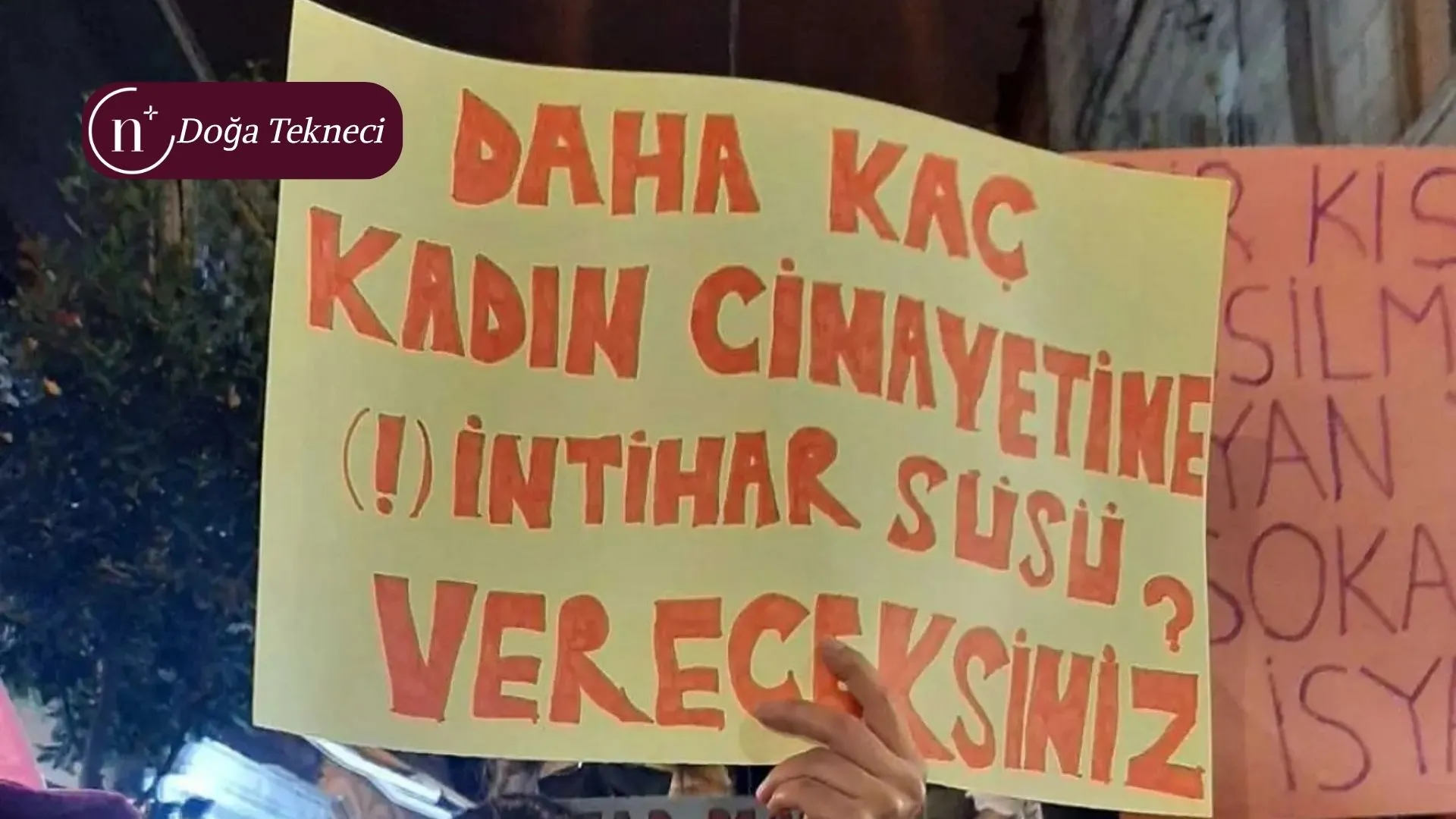
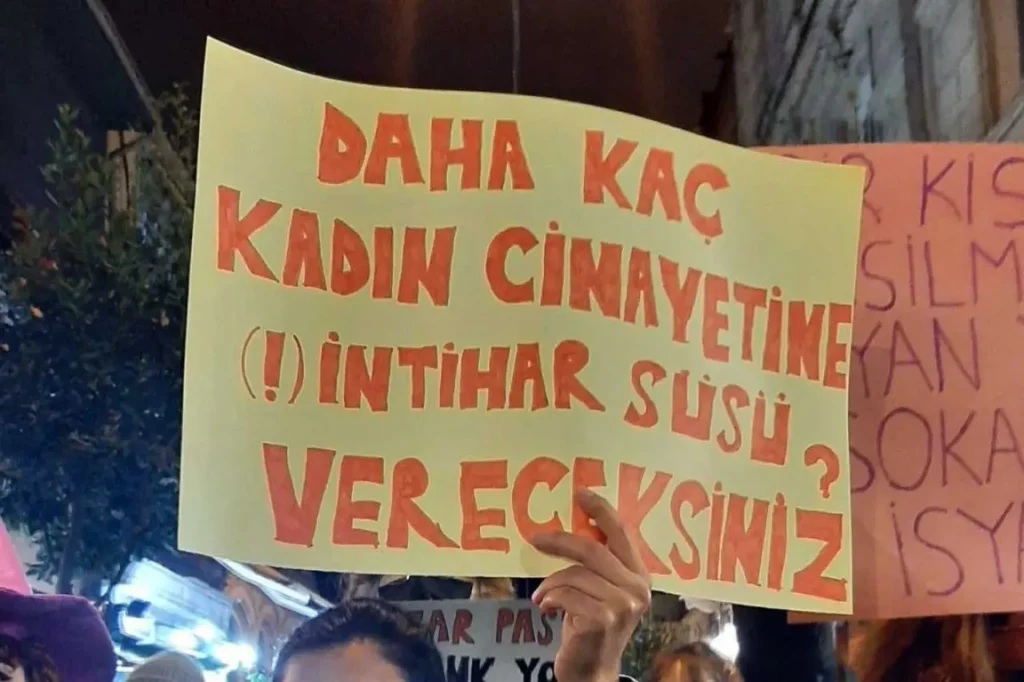
Photo: Ekmek ve Gül, placard saying “How many more femicides are you going to disguise as (!) suicides?”
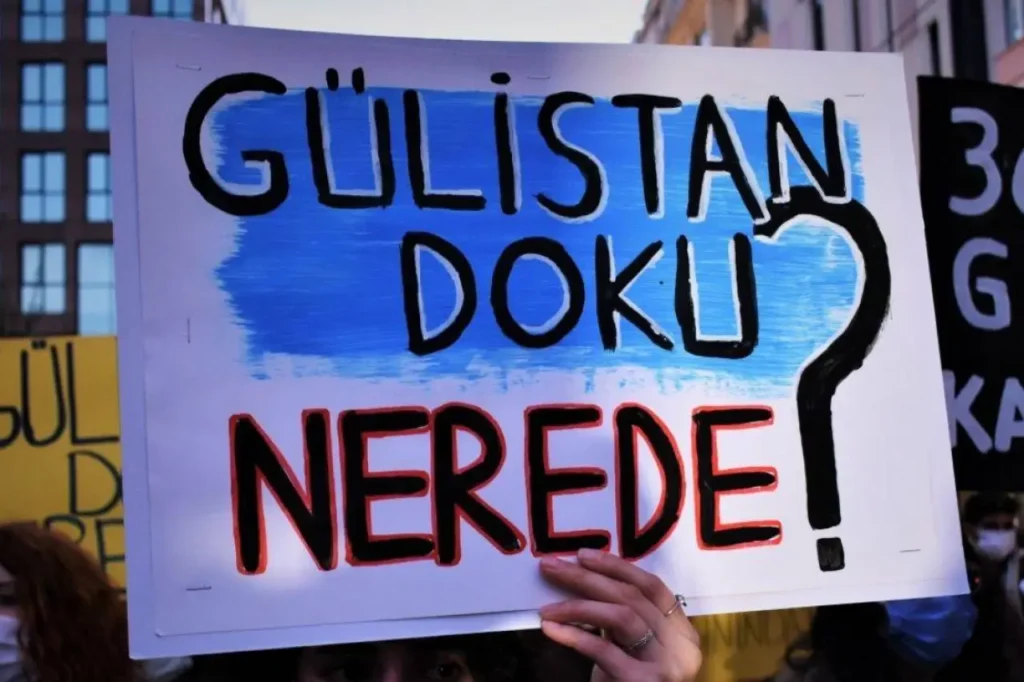
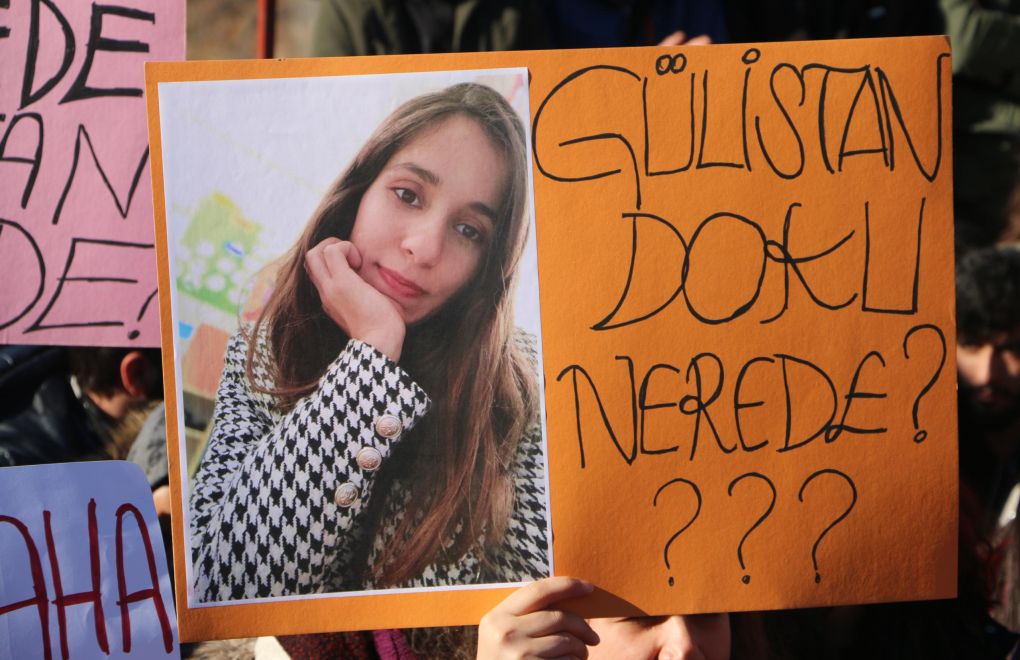
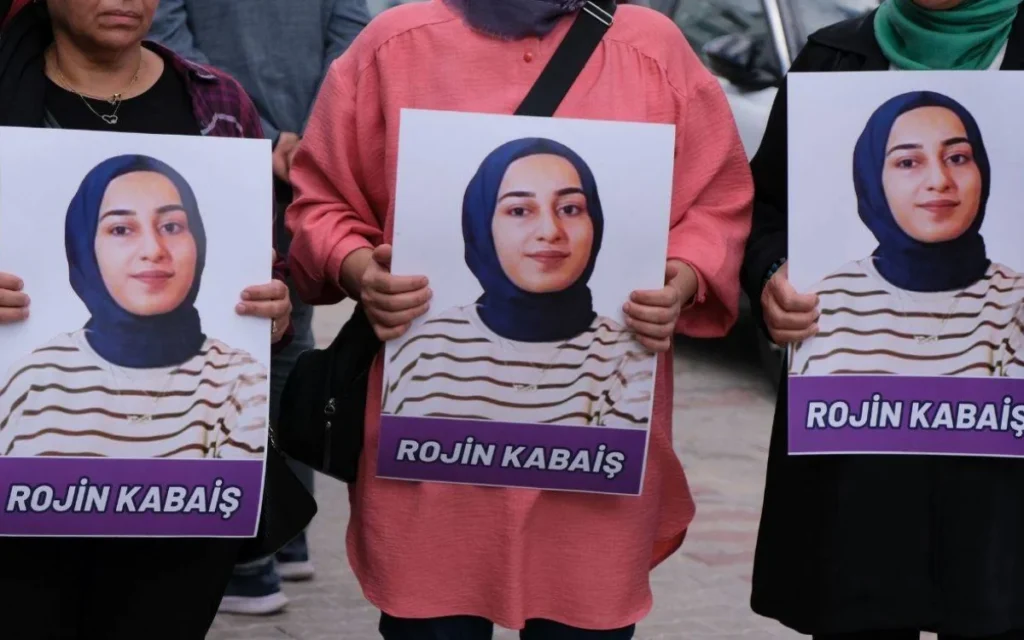
According to data shared by the We Will Stop Femicide Platform, while 294 women were killed by male violence in 2025, 297 women were found dead under suspicious circumstances. Today, many cases of violence defined as “suspicious deaths,” such as those of Rojin Kabaiş, Gülistan Doku, and Nadira Kadirova, are criticized by feminist and women’s movements for the lack of fair trials.
Eralp: Crimes left unpunished are consigned to uncertainty under the guise of ‘suspicious death’
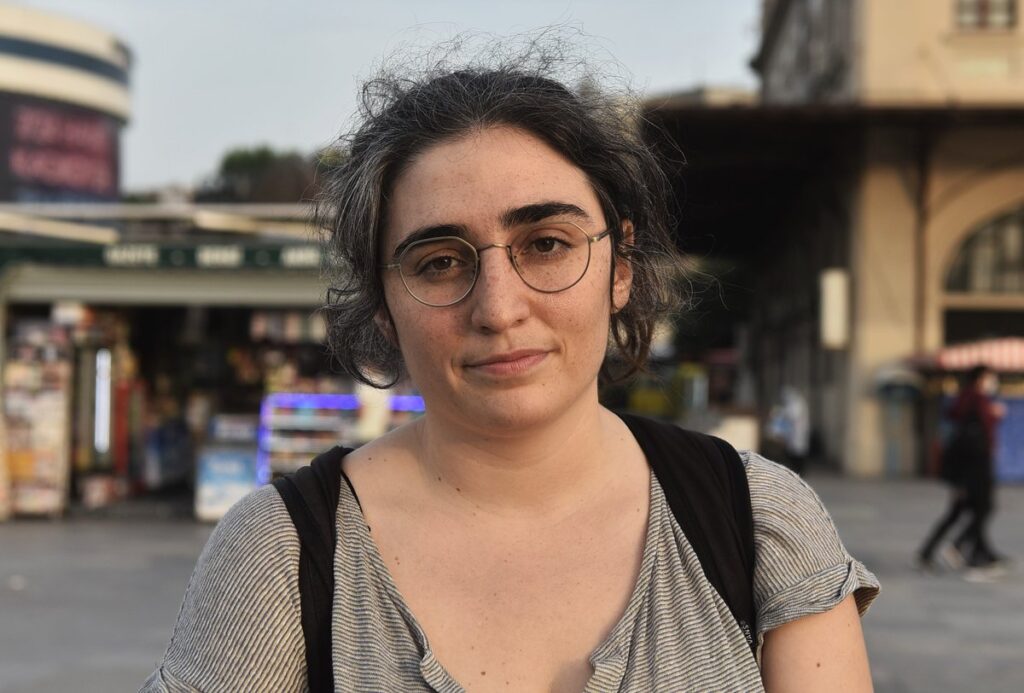
Making an evaluation regarding suspicious female deaths and the judiciary’s policies of impunity, Feride Eralp, a member of Women Are Strong Together, stated that the announced data only covers cases reflected in the press. “These mean at least this many women were killed. When we also take into account the femicides and suspicious female deaths that are not reflected in the press, we can actually talk about much higher numbers,” she said.
Referring to the period when femicide statistics were announced more realistically, Eralp argued that the data disclosed in the past made the prevalence of male violence visible, which is why it is not shared today, saying, “A reality about how widespread violence against women is had been exposed.”
Stating that suspicious female deaths are not a new phenomenon, Eralp recalled the female suicides reported in Batman and Diyarbakır, especially in the 1990s and 2000s. Expressing that female deaths resulting from systematic male violence were brought to the agenda as suicides, she said, “Today, something similar is operating under the concept of ‘suspicious death’.”
“The crimes of those who feel the freedom to commit crimes by leaning their backs on powerful people—crimes involving various power relations within the state and gang formation—which remain unpunished and whose perpetrators are often not revealed, are consigned to uncertainty under the guise of ‘suspicious death’.”
Stating that the women’s movement has frequently brought this issue to the agenda in recent years by linking it with war policies, Eralp said that this situation is also a practice of making women disappear:
“This geography is accustomed to the result of disappearances in custody and the failure to prosecute perpetrators despite them being known by everyone, a state violence that intensified especially in the 90s but existed after the 80 coup. This has a previously experienced practice and form. Therefore, I can say that the women’s movement has significantly brought to the agenda how this has merged with systematic male violence and transformed into a practice of disappearance against women, especially after the end of the peace process in 2015 and the restart of the conflict process.”
“In theory, sentence increases; in practice, impunity”
Establishing a direct link between suspicious female deaths and policies of impunity, Eralp emphasized that the women’s movement has not followed a line of only demanding heavy sentences for years. Stating that sentence increases often create more impunity, she said the following:
“The last increase in sentences for sexual crimes was in 2015. At that time, as the Istanbul Feminist Collective, we said: ‘In theory, sentence increases; in practice, impunity.’ As sentences become heavier, the likelihood of judges giving those sentences gradually decreases. Especially in areas where evidence is difficult to obtain, such as sexual crimes, and in areas where the woman’s statement is essential, when you increase the sentence, they generally give up on sentencing altogether.”
Stating that changes in the execution system also create a perception in society that ‘they’ll get out anyway,’ Eralp noted that this makes it harder to prevent male violence:
“It constantly brings some aggravations for these types of crimes against women. But what happens in practice? In practice, the execution system is organized in such a way that none of these heavy sentences are executed in that manner. Either a pandemic amnesty comes or another reduction in execution follows. A perception has formed in everyone’s mind that someone who enters prison stays for a year or two, gets out, and moves to an open prison anyway. When this perception is formed, it becomes much harder to prevent male violence.”
“It is not the woman who says ‘the state protects me’ but the male perpetrator”
Emphasizing that women often make repeated requests for help before the murder, Eralp said that the failure to effectively implement restraining orders and complaints paves the way for murders:
“Women go to the state repeatedly, but crimes such as threats, insults, detention, and simple injury are almost never punished. From there, the path leading to murder is opened. While women and children should think ‘the state protects me from violence,’ on the contrary, male perpetrators think ‘no matter what I do to a woman, the state will protect me’.”
Stating that the sexist approach continues in judicial processes, Eralp expressed that even men who have no ties to anyone within the state can receive unjust provocation reductions and good conduct reductions simply due to selective judicial policies.
In the context of this approach in the judiciary, Eralp said that women’s lifestyles, sexual orientations, or clothing can still be made a subject of judgment in courtrooms. “We saw this practice in the Ayşe Tokyaz case. The killer Cemil Koç was trying to defend himself by trying to put the life of the woman he murdered on trial. This is just one example,” said Eralp, noting that women are exposed to this perspective by all men, from the rich to the poor. She added that these practices of impunity normalize violence against women, children, and LGBTI+ individuals.
“Women have now realized that violence is not normal”
According to Eralp, one of the most important gains of the feminist movement has been the social acceptance of male violence as a political issue. “In a country where at the end of the 1980s a judge could easily say, ‘you should never leave a woman’s belly without a foal or her back without a stick,’ it is much more difficult to utter this sentence today. Today, the perception among women that such a sentence cannot be uttered has become very strong,” she said.
Eralp explained that a transformation has taken place regarding the awareness of violence against women:
“Male violence against women is very common in Turkey. But we do not deserve this. In other words, him inflicting violence on me is not because something is wrong, lacking, or bad about me. That is the man’s problem. It stems from that man seeing himself as having the right to establish power over women and thinking he has the right to fortify this through violence the moment it is shaken. In fact, there is a change with the fact that gender inequality is now more widely known as a phenomenon. This change does not mean we face less violence, are killed less, or encounter less sexism. But we are not staying silent about them.”
Stating that women’s organizations have been fighting for years to prevent suspicious female deaths from being forgotten, Eralp said that the names of murdered women are specifically commemorated in protests. “Saying ‘suspicious death’ and closing the file is also an attempt at erasure. If we forget those names, they will have succeeded,” she stated.
“Musa Orhan received a sentence but did not go to prison. We continued to pursue this as well. We continued to keep it on the agenda constantly. For Gülistan Doku and Rojin Kabaiş, friends from the ÖGK (Student Youth Organizations) established justice commissions and brought this issue to the agenda in different cities. Different women’s organizations have been continuing to follow and pursue such cases in different cities for years and years. They continue to hold protests on this subject in the streets.”
“Not only the perpetrators, but also the crime networks must be exposed”
Stating that to prevent suspicious female deaths, not only the perpetrators but also the mechanisms that cover up the crimes must be exposed, Eralp drew attention to the networks of relations especially within the security bureaucracy and the judiciary:
“When a death remains suspicious, the issue should not only be finding the perpetrator, but also exposing the networks that make it possible to cover it up.”
Eralp said, “Today, there is talk of establishing a department for unsolved crimes and research. But we see that this is being established once again as a tool for a kind of political reckoning.” She emphasized that bringing some files back to the agenda is not enough on its own:
“The issue here is not just exposing the first stage. In the case of Gülistan Doku, as long as all the mechanisms that have allowed this to be covered up for 6 years are not touched, this system reproduces itself.”
“Security policies do not protect women”
Eralp said that the securitist policies defended on the grounds of women’s safety do not protect women in practice. Recalling the 700 hours of camera footage that went unexamined for years in the Gülistan Doku file, Eralp argued that the state’s security mechanisms are not for women’s safety, but to protect the interests of the state’s power centers.
Stating that the security system is often used for the purpose of suppressing protests and monitoring society, Eralp expressed that the sacralization of the security bureaucracy makes invisible the mechanisms that facilitate the covering up of femicides:
“This security network does not protect the interests of women and girls. When a woman went missing, it served no purpose for 6 years. In fact, on the contrary, it deleted the record. It saw the murdered woman. It ends up using its power directly to commit a crime.”
“The state must do its duty”
Eralp said, “If we pay taxes to this state, if we are citizens of this state, we must not give up demanding that the state do its duty.” Stating that women’s organizations continue to monitor cases for this reason, Eralp said that being present in courts means forcing state institutions to take responsibility:
“By being present in the courtrooms, we are saying this: You are obliged to conduct a trial that will ensure real justice, not one based on male-dominated prejudices.”
Expressing that the women’s movement makes it visible when police officers do not fulfill their duties, Eralp said that the slogan “Where was the police while women were dying?” came to the fore for this reason.
“Trustees in Kurdish provinces blocked the path of social transformation”
Recalling that local governments and women’s organizations developed important experiences in the past, especially in Kurdish provinces, Eralp said that trustee policies served a function that blocked this social transformation. Stating that women’s centers, shelters, and local solidarity networks played an important role in reducing female suicides and murders in Batman and Diyarbakır, Eralp noted that municipalism in Kurdish provinces radically transformed this situation; and that they did this not through a security mechanism, but through policies that erode gender inequality and by increasing the options for women to move away from violence.
Emphasizing that this is lived as social memory and experience, Eralp concluded her words by saying, “The ability of municipalities to produce policies for male violence in their own localities more autonomously without the fear of trustees, and therefore to take steps that strengthen gender equality, will certainly be able to reduce such deaths again, as it has reduced them before.”
26 femicides, 23 suspicious deaths in April 2026
According to data from the We Will Stop Femicide Platform, in just the first four months of 2026, at least 102 women were murdered, and the deaths of 99 women were recorded as “suspicious.”
According to data for April alone, 26 women were murdered, and 23 women were found dead under suspicious circumstances. Furthermore, 38% of the women were killed by the men they were married to. 69% of the women were killed in their homes.
Prominent events in the last 1 month
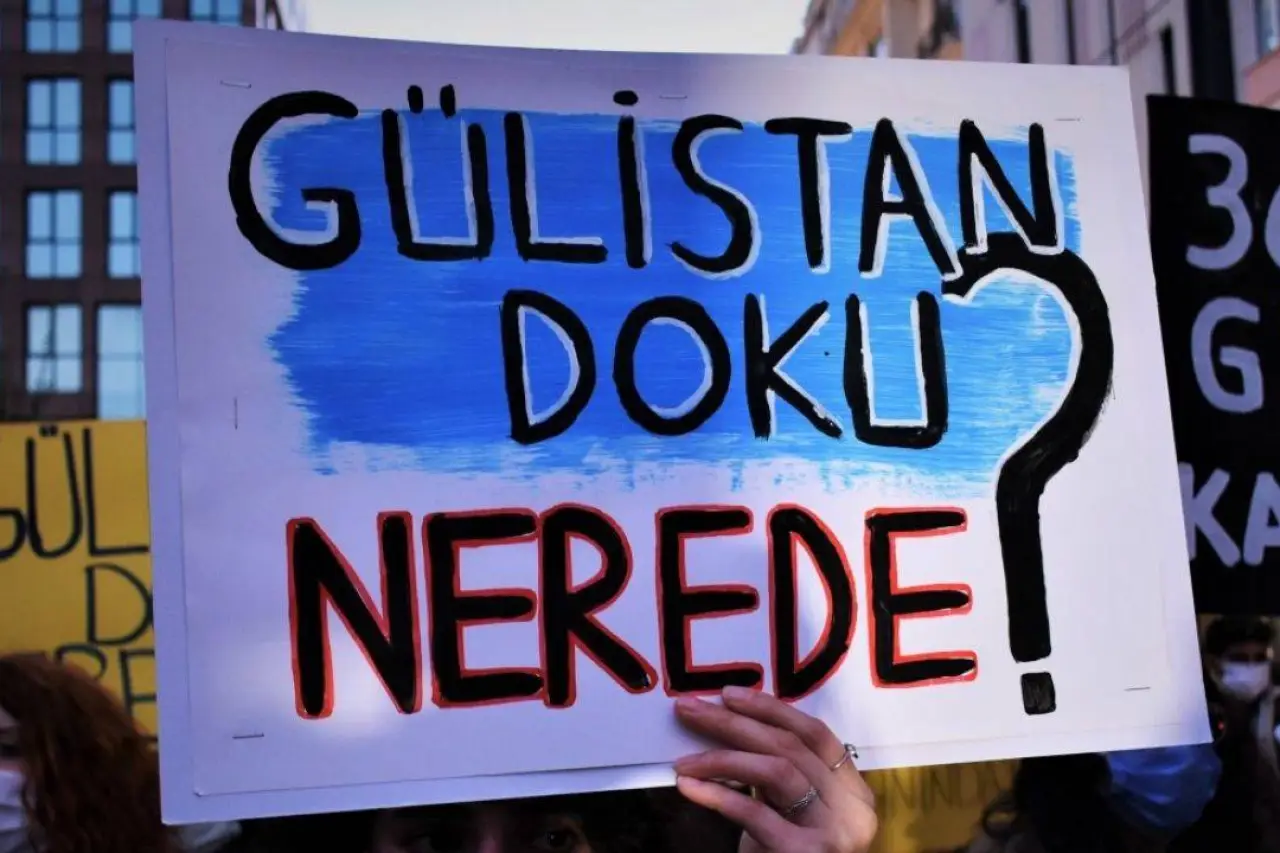
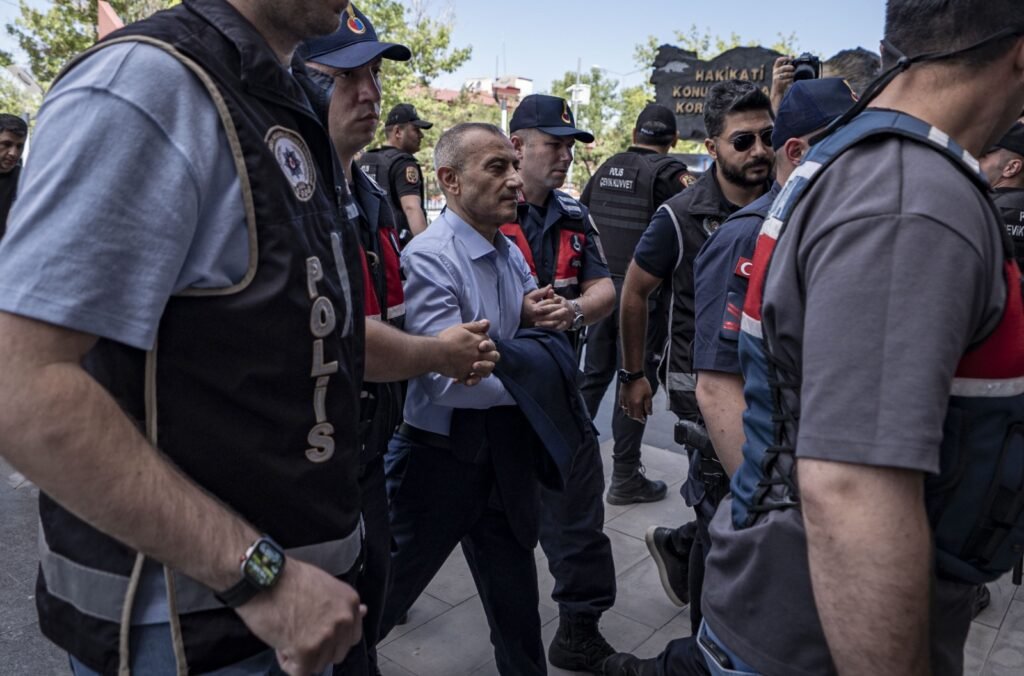
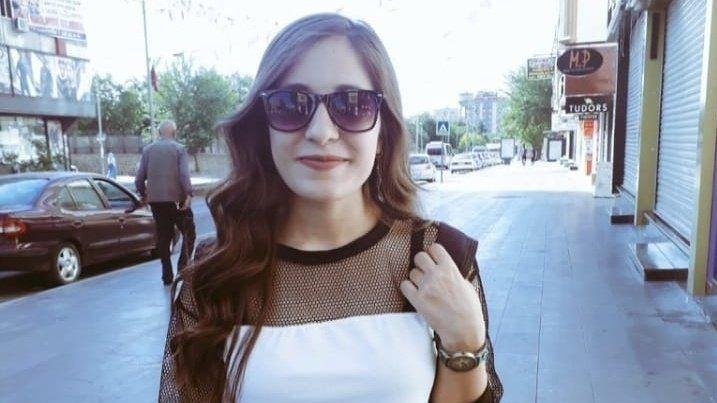
It was determined that Mustafa Türkay Sonel, the son of the governor of the period Tuncay Sonel, killed Gülistan Doku, who disappeared in Dersim on January 5, 2020, with a pistol. Sonel was arrested for the crime of “intentional killing” after being taken into custody. A total of 12 people were arrested as part of the investigation.
Within the scope of the investigation, 700 hours of camera footage were taken under examination 6 years later.
Photo: “Where is Gulistan Doku?”
It was announced that İlayda Zorlu was found dead on April 17 as a result of a shot from her father’s service pistol. Student and youth organizations organized protests in many cities to shed light on İlayda’s death.
Photo of İlayda Zorlu, placard saying “Not the lady of the house, but the rebel of the campus”
On May 7, the decision “not to grant permission for investigation” regarding the management of the KYK dormitory concerning the death of Rojin Kabaiş was overturned by the Erzurum Regional Administrative Court upon the appeal made by the Van Bar Association.
On April 8, it was reflected in the press that a man who entered the Ali İhsan Aldoğan Girls’ Dormitory inside the ITU Ayazağa Campus was caught topless in the laundry room by female students.
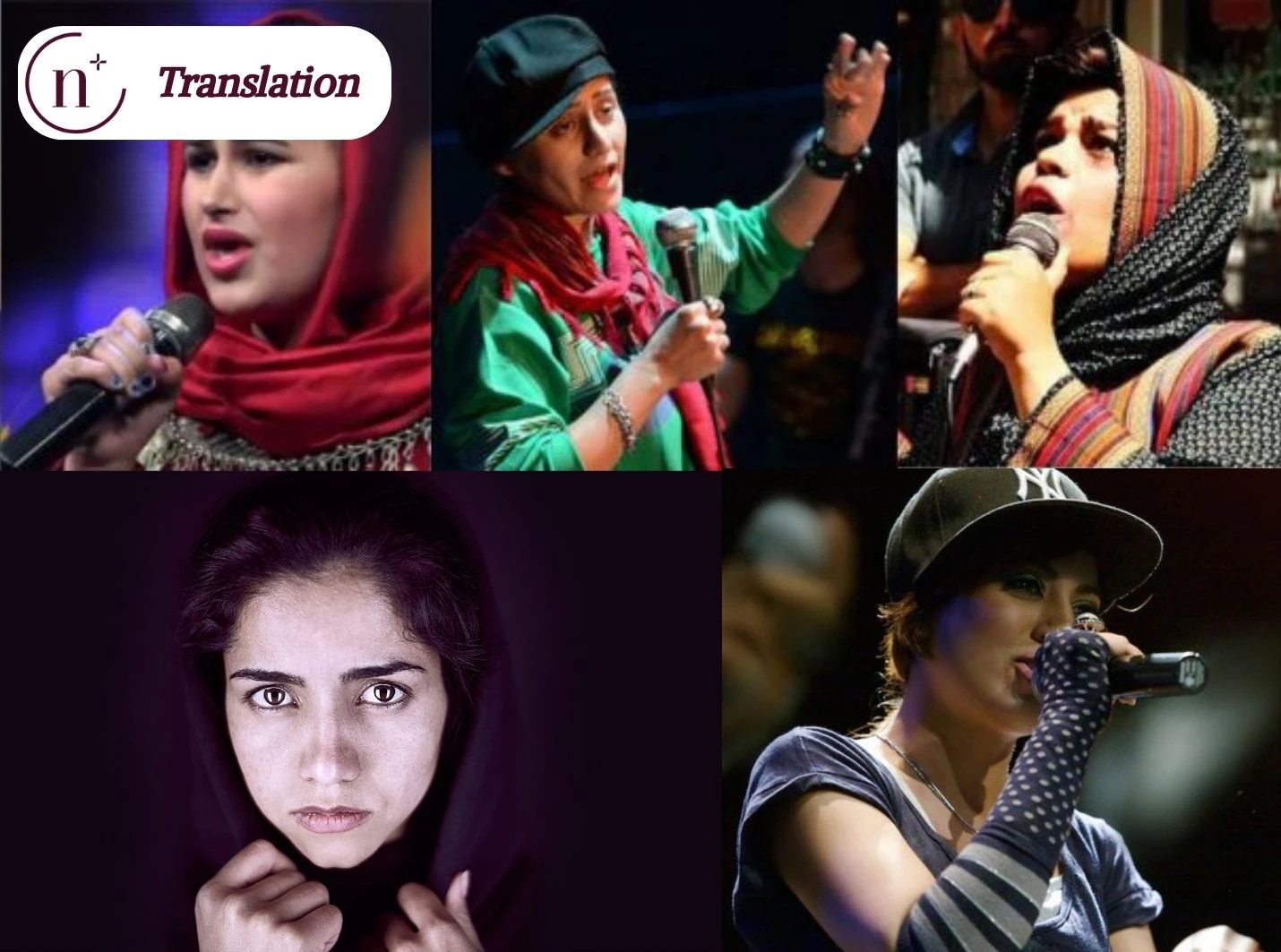
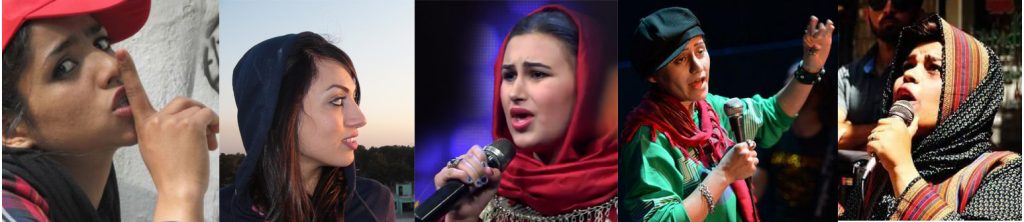
We have translated a report by AWNA (Afghanistan Women’s News Agency) featuring five Afghan female rappers who are raising their voices against misogynistic policies in Afghanistan.
Five female rappers in Afghanistan. Respectively: Sonita Alizadeh, Paradise Sorouri, Ziba Hamidi, Sosan Firoz, and Elina Afghan. Photo: AWNA
The policies of the Taliban administration in Afghanistan restrict women’s right to education, legitimize violence against women, and directly impact their lives through mandatory dress codes and limitations on freedom of movement. Women’s voices are being suppressed not only in physical spaces but also in cultural and artistic production.
Amid this climate of repression, in an Afghan society where male dominance prevails and women are subjected to various forms of violence and pressure, these young women are breaking the silence by raising their voices and expressing their protests through rap music. Most of the people believes that rap music is exclusively for men due to its harsh tone and the movements involved, and they do not consider this style appropriate for young women.
Nevertheless, young women like Sonita Alizadeh, Ziba Hamidi, Elina Afghan, Sosan Firoz, and Paradise Sorouri are successfully using this musical style to voice the unspoken words in defense of women’s rights.
Sonita Alizadeh
Sonita Alizadeh was born in 1996 in the city of Herat, Afghanistan. She spent several years as a refugee in Iran’s Alborz Province. She began composing music, playing the guitar, and singing in 2011 (1391 in the Islamic calendar). In 2014, she stood out among 166 rap artists to win a $1,000 prize. After winning this award, with the support of a charity and a scholarship she received, she was able to continue her education in the Utah, USA.
The themes of the rap songs she performs include Afghanistan, politics, discrimination against Afghan refugees in Iran, and the challenges faced by Afghan women, young girls, and children within Afghanistan’s traditional societal structure.
Ziba Hamidi
Ziba Hamidi was born in 1997 in Karachi, Pakistan. She spent over a decade as a refugee in Iran, where she completed her education. During her time in Iran, she took nearly six months of music training.
Ziba uses rap music to express the pain and sorrow experienced by her people.
Elina Afghan
Elina, who goes by the surname “Afghan,” was born in Mazar-i-Sharif. The 21-year-old artist is a graduate of the Faculty of Law and Political Science at Kabul University. Elina, who has been making rap music for over four years, views the genre as a tool for protest. The artist, who has a total of 15 songs, has performed numerous street shows to voice her concerns and became the first Afghan girl to participate in an art festival held in India in 2016.
The main themes she addresses in her rap songs include: violence against women, orphaned children, street children, street vendors, women’s rights, advocacy, and women’s quest for justice.
Violence against women, orphaned children, street children, and street vendors, as well as women’s rights, advocacy, and human rights activism, are among the topics she addresses in her rap songs. Elina has gained fame for her songs “Woman,” “I’m Not a Prostitute,” “Love,” and “Afghan Girl.”
Soosan Firooz
Soosan Firooz is known as Afghanistan’s first female rap artist. She is a controversial and influential figure who challenges social norms and the traditional roles of Afghan women.
Firooz was born in Afghanistan. Her family fled the country in 1990 and lived in a refugee camp in Iran for seven years during the Afghan Civil War. She then spent three years as a refugee in Pakistan with her family. After the collapse of the Taliban regime, her family returned to Afghanistan and settled in Kandahar in 2003, where her father found work. Soosan initially worked as a carpet weaver alongside her siblings. In 2011, she began her acting career with small local roles, then moved to Kabul and, with her father Abdülgaffar Firooz’s permission, started pursuing rap music.
Firooz, who caught the attention of Afghan musician Farid Rastagar, performs rap songs in the Dari language. Her first single, “Our Neighbors” (Hemsayegan-e Ma), released in 2012, addresses the harsh conditions faced by Afghan refugees; the song was composed by Rastagar based on verses by the poet Sohrab Sirat. Another of her songs, “Nakıs-ül Akl” (The Foolish One), refers to a phrase used in Afghanistan to belittle women.
Firooz lives with her family north of Kabul. She has repeatedly faced acid attacks, kidnappings, and even death threats. Her mother, who works on humanitarian aid projects in southern Afghanistan, has also been threatened with death. Her father, who works for the electricity department, accompanies her to studios and on TV shows, serving as both her manager and her bodyguard.
Paradise Sorouri
Paradise Sorouri is a 24-year-old Afghan singer born in Isfahan, Iran. At the age of 17, she moved to Herat, her father’s hometown, and later relocated to Tajikistan with her husband, Diverse. As the first female Afghan rapper, she released a rap song titled “Feryad-e Zen” (The Woman’s Cry). Through this song she voices the suffering, oppression, and struggles of Afghan women; her work has generated significant buzz on social media, particularly on YouTube and Facebook.
Another of her artistic works is “Nalestan” (Land of Lament), which addresses violence against women in Afghanistan.
The lines in the intro of Paradise’s song, which have drawn the attention of many people, especially women’s rights organizations and activists, are as follows:
“My voice is always filled with pain; it’s not the Arctic, but the air is so cold. I wanted to run, but they shot my waist; I wanted to think, but they shot my head. In the name of Islam, they burned my face; for revenge, they cut off my nose. They poured acid on my hands and body; they sold me, because I am just a woman…”
These striking words serve as a summary of Paradise’s struggle and the severe human rights violations faced by women in Afghanistan.