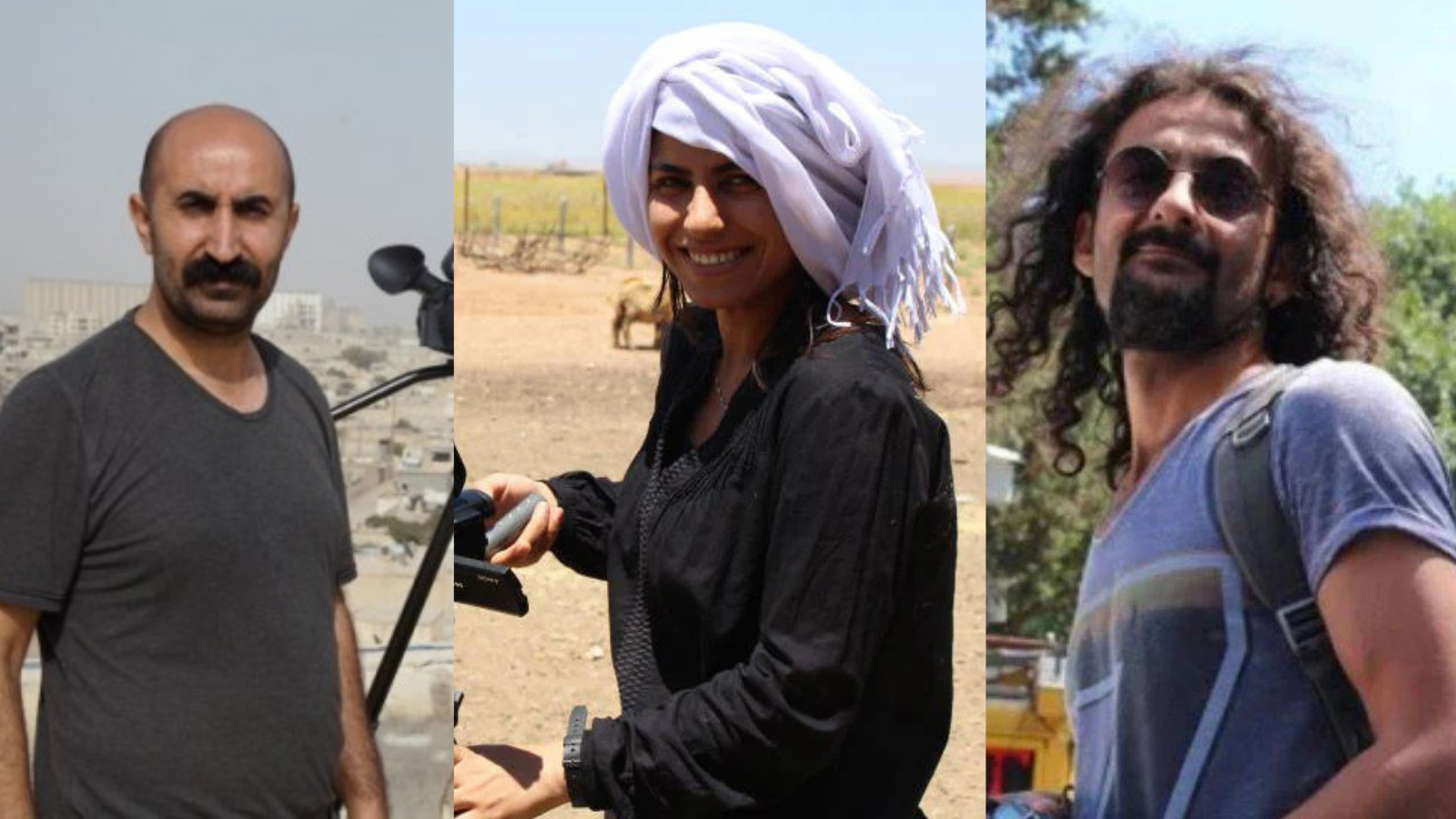
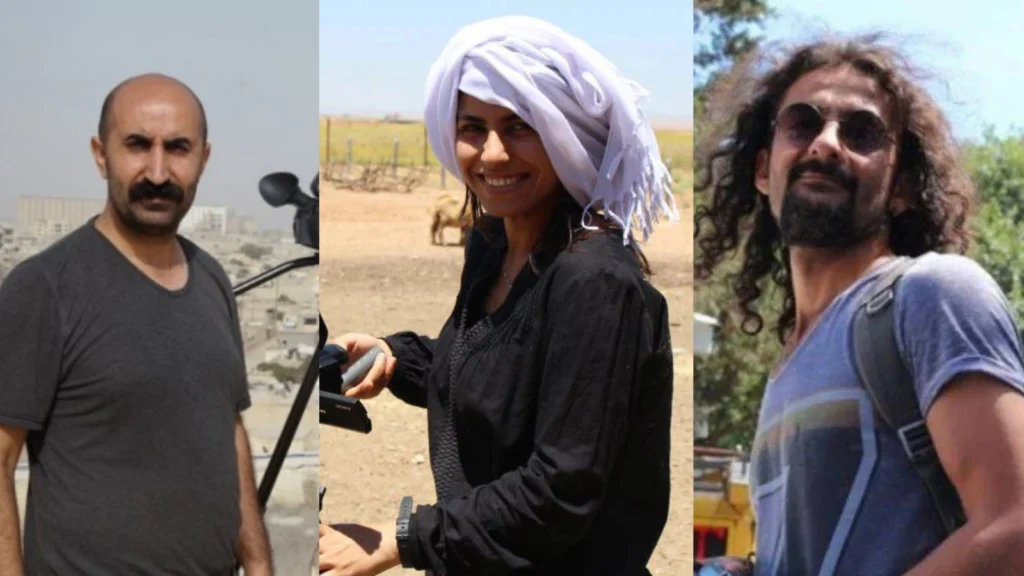
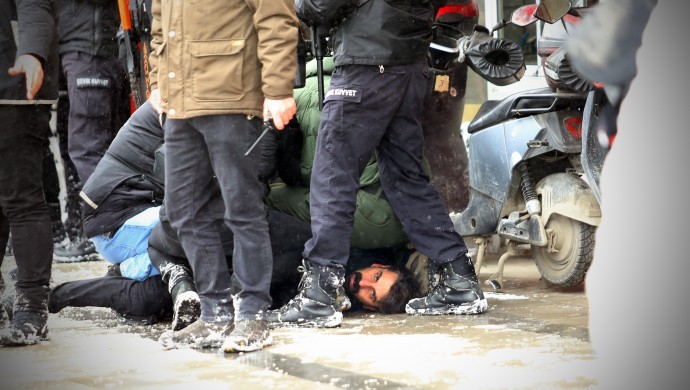
The Mezopotamya Women Journalists Association (MKG) and the Dicle Fırat Journalists Association (DFG) released a statement on April 6, the “Day of Killed Journalists,” saying:“It is our duty to expand the struggle for truth of the murdered journalists, to honor their memory, and to continue the line of a free press.”
MKG and DFG issued a joint statement marking April 6 “Day of Killed Journalists.”
Their collective statement reads as follows:
April 6 is a day of commemoration for journalists in Turkey who were killed because of their journalistic activities. The date was chosen because journalist and writer Hasan Fehmi Bey was assassinated on April 6, 1909, on the Galata Bridge, making him one of the first losses of this job.
The Turkish Journalists Association (TGC) designated April 6 as the “Day of Martyred Journalists” in 1997; in 2005, the name was changed to the “Day of Killed Journalists.” April 6 commemorates journalists who were killed for pursuing the truth. Targeted for exposing facts, being the voice of the people, and revealing darkness, these journalists continue to live on in the memory of the struggle for a free press.
Once again, through the memory of killed journalists, we emphasize: with every journalist whose pen was meant to be broken, the truth itself was intended to be silenced. However, pressures, threats, massacres, and policies of impunity have not been able to stop the tradition of a free press. In these lands, those who pursue the truth have always paid a price—but they have never abandoned the truth. Today, we commemorate all murdered journalists with respect and gratitude. The legacy they left behind, their resistance, and their struggle for truth continue to illuminate our path.
The pens of murdered journalists have not fallen silent, and will not. It is our responsibility to grow their struggle for truth, to uphold their memory, and to continue the line of a free press.
Mezopotamya Women Journalists Association – the Dicle Fırat Journalists Association
The DFG had also published a monthly report on April 2, regarding violations of rights against journalists in March. The report included the following data:
5 journalists were detained
2 journalists were arrested
1 journalist was subjected to ill-treatment
2 journalists were threatened
1 journalist was targeted
Investigations were launched against 3 journalists
Lawsuits were filed against 5 journalists
3 journalists were sentenced
Cases of 24 journalists are ongoing
5 news coverages were blocked
Access bans were imposed 6 times
53 social media accounts and 75 pieces of content were blocked in digital media
Representatives of PJAK and PDKI denied Trump’s statements that the Kurds received weapons sent by the US.
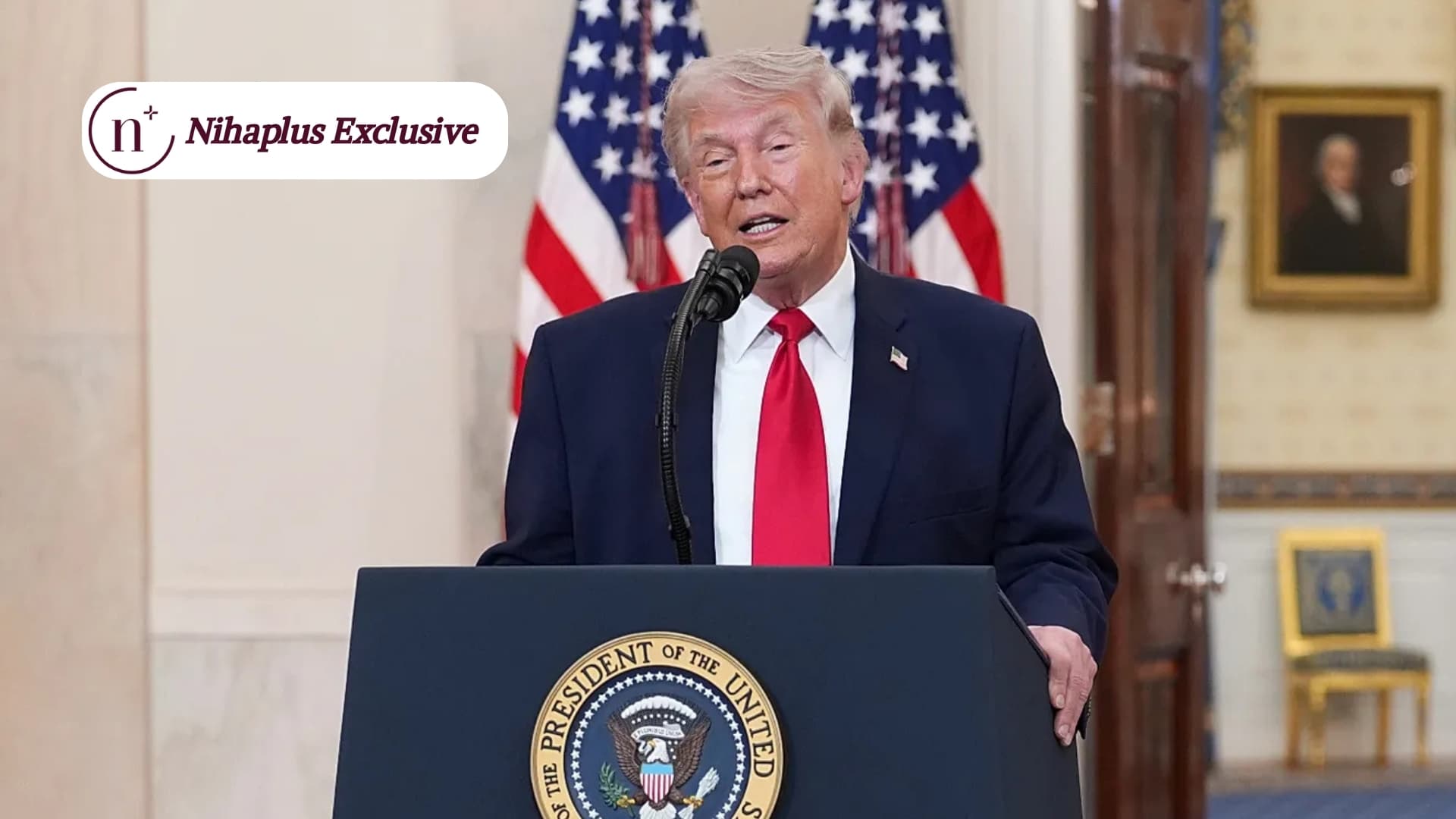
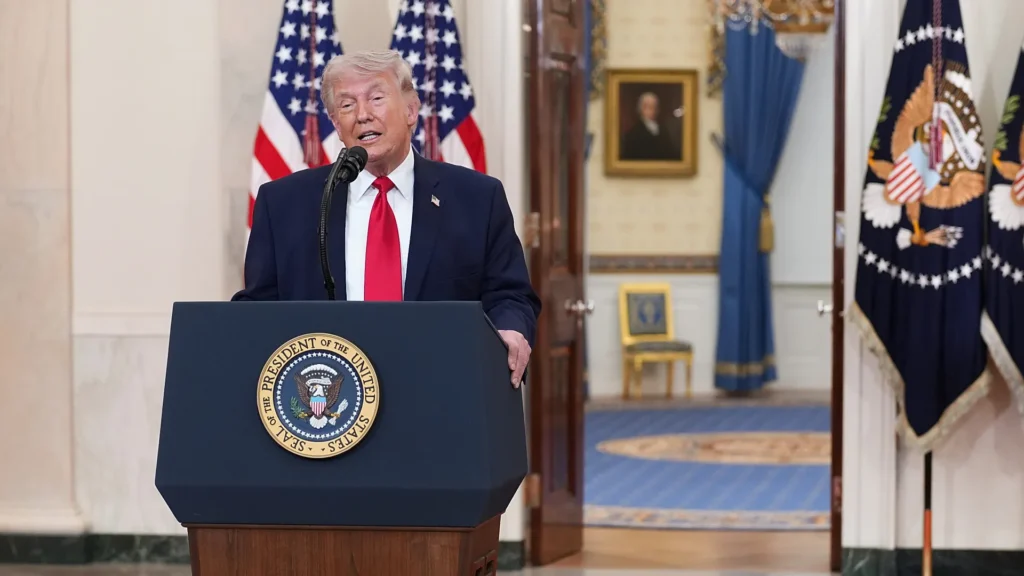
According to a news report broadcast on Fox News on April 5, 2026, US President Donald Trump said, “We sent weapons through the Kurds after the Iran protests. I think the Kurds took the weapons themselves.”
As Niha+, we asked Zegrus Enderyarî, a member of the PJAK Foreign Affairs Committee, whether Trump’s April 5 statement was accurate. Enderyarî stated that they had no information whatsoever regarding the truth or falsity of this matter. He further noted that there is no relationship of this kind between PJAK and the US.
When asked whether the Coalition of Political Forces of Iranian Kurdistan (CPFIK) had such communication with the US, Zegrus Enderyari similarly replied, “There is no such thing for the coalition either.“
PDKI also denied
Meanwhile, Hejar Berenji, the US Representative of the Democratic Party of Iranian Kurdistan (PDKI), also said in a statement on his social media account, “The information currently reported by Fox News does not accurately reflect the situation.“
The information currently being reported by Fox News does not accurately reflect the situation. The coalition of Kurdish parties in Iranian Kurdistan will be issuing an official statement shortly to provide clarification.
Berenji also announced that the Coalition of Kurdish parties will issue an official statement shortly to clarify the situation.
Trump had previously made a statementas well
A few days after the attacks on Iran began on February 28, Trump said on March 5 regarding the discussions about the Kurds’ involvement in the war, “If the Kurds want to launch an attack on Iran, let them do it. It would be great if they wanted to do so.“
On March 8, in response to a question about the possibility of the Kurds establishing a new autonomous region in Iran and whether they would join the war, Trump replied, “We are very friendly with the Kurds, but we do not want to make the war any more complicated than it already is. I decided that I don’t want the Kurds going in there.“
The objection against the arrest of Esra Işık has been rejected by the Muğla 2nd Civil Court of First Instance.
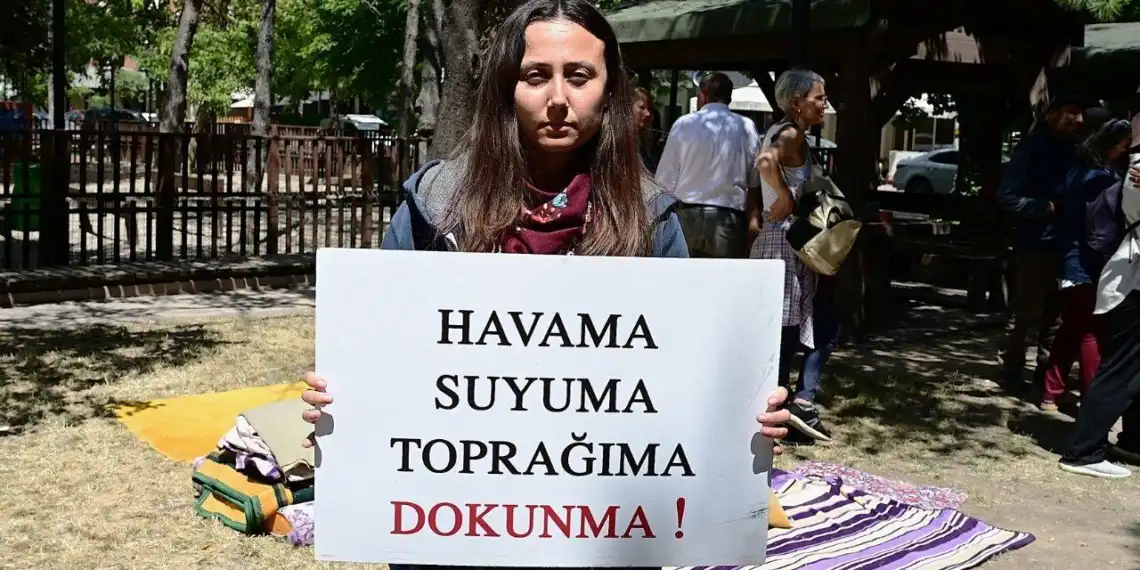
Esra Işık was detained and later arrested while protesting during an expert inspection related to a lawsuit against the urgent expropriation of agricultural land around Akbelen Forest in Milas, Muğla. The objection to her arrest has been rejected by the Muğla 2nd Civil Court of First Instance.
She is one of the leading figures in the Akbelen protests. An urgent expropriation decision decision had been issued for 679 parcels of agricultural land surrounding Akbelen Forest in Milas, Muğla which will result in villagers losing their olive groves and homes. Local residents say this action is meant to expand coal mining operations run by YK Energy, a company owned by İçtaş and Limak, and they have taken the case to court.
Court-appointed panel of experts began on-site inspections in the area on March 30 under gendarmerie supervision. Following tensions that arose during the inspection, while villagers reacting the inspection experts on March 31, Esra Işık was detained that night and arrested the same day.
According to the Human Rights Association (İHD) report, at least 930 people were detained for participating in protests or for social media posts related to the issue. At least 123 people were arrested, including 1 journalist and 32 children.
Adnan Bilen /MA
The Human Rights Association (İHD) prepared a report on violations of rights that occurred during protests in Turkey against the attacks that began on January 6, 2026, when the Syrian interim government in Syria targeted Kurdish-populated neighborhoods in Aleppo, and which later spread across Rojava.
The report, prepared by the İHD Documentation Center using information reflected in the press and other open sources, as well as observation reports from İHD branches, covers violations identified between January 6, 2026 and February 12, 2026.
According to the report, at least 930 people were detained for participating in protests or for social media posts related to the issue. At least 123 people were arrested, including 1 journalist and 32 children.
Some of the violations identified in the report are as follows:
Interventions in 22 provinces
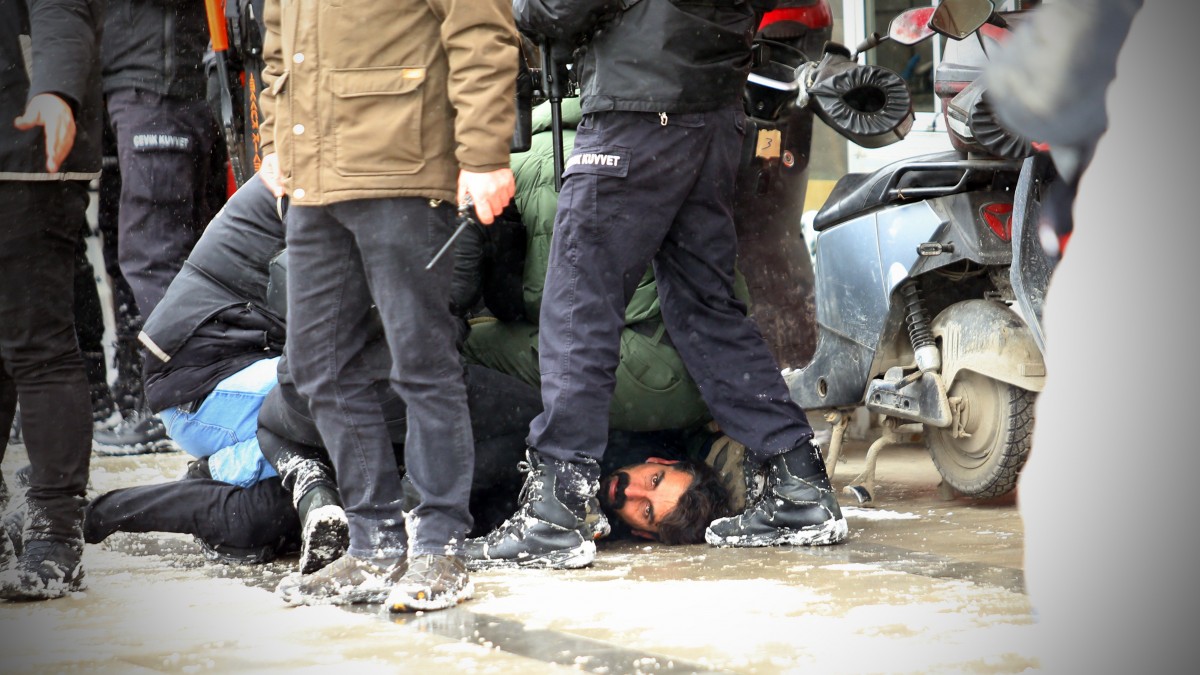
In response to protests and reactions against attacks on Kurds in Syria, law enforcement intervened in more than 70 peaceful demonstrations in at least 22 provinces. Many people, including co-mayors, human rights defenders, trade union and professional organization leaders, journalists, and children, were detained.
During the interventions, chemical agents such as tear gas, as well as plastic bullets and water cannons were used. It was documented that law enforcement used physical violence against many individuals and that detainees were handcuffed behind their backs.
Governorships in three provinces (Urfa, Mardin, and Diyarbakır) imposed bans on all types of demonstrations and events for varying periods.
In Mersin, one refugee died after a civilian opened random fire to threaten protesters. At least 5 people, including 4 journalists, were injured by law enforcement in various ways.
At least 930 people were detained for participating in protests or for related social media posts. At least 123 people were arrested, including 1 journalist and 32 children.
Many individuals were subjected to torture and ill-treatment both during interventions against protests and throughout detention and imprisonment processes.
Journalists were obstructed
At least 8 journalists were detained while covering the protests. Journalist Nedim Oruç was arrested.
Access was blocked to more than 40 social media accounts and websites belonging to news outlets, including Mezopotamya Agency, Jinnews, ETHA, Yeni Yaşam, and Ajansa Welat. Hundreds of social media accounts were also restricted.
In response to reports that HTS and affiliated armed groups cut the braids of women they executed in Syria, 4 people (2 of them children) were detained for sharing videos of themselves braiding hair on social media; one child was arrested. A nurse was suspended from duty for sharing similar content. For the same reason, the Professional Football Disciplinary Board (PFDK) imposed various administrative penalties on the Amedspor club, its president, and player Çekdar Orhan.
At least 46 people who were foreign nationals were deported.
Infographic
Mass Detentions and Interventions: Toll Across 22 Provinces
22City
Interventions happened
70+Protest
Blocked
930+Detention
Participating protest / SM Sharing
123Arrested
At least (32 of them children)
Intervention and Methods
Law enforcements used tear gas, plastic bullets and water in protests.
Detainees were handcuffed from the back and subjected to physical violence.
The governorships of Urfa, Mardin and Diyarbakır, banned all kinds of actions and activities.
Co-mayors, human rights defenders, trade unionists and children were also among those detained.
Missing Persons and Violations
One refugee lost his life as a result of random gunfire by a civilian in Mersin.
At least 5 people, including 4 journalists, were injured by law enforcements.
Torture and ill-treatment were reported both during protests and in detention/prison processes.
Freedom of the Press and Expression
At least 8 journalists were detained; Nedim Oruç was suspended.
More than 40 news websites and social media accounts (MA, Jinnews, Yeni Yaşam etc.) were blocked.
Access to hundreds of individual social media accounts was banned.
Special Penalties and the Hair Braiding Case
• Due to the video of hair braiding 4 people, including 2 children, were detained, and one child was arrested.
• Sharing the same braiding content caused a nurse being suspended from duty.
• The PFDK (Turkish Football Federation Disciplinary Committee) fined Amedspor club, its president, and one of its players.
• At least 46 citizens from another country were deported.
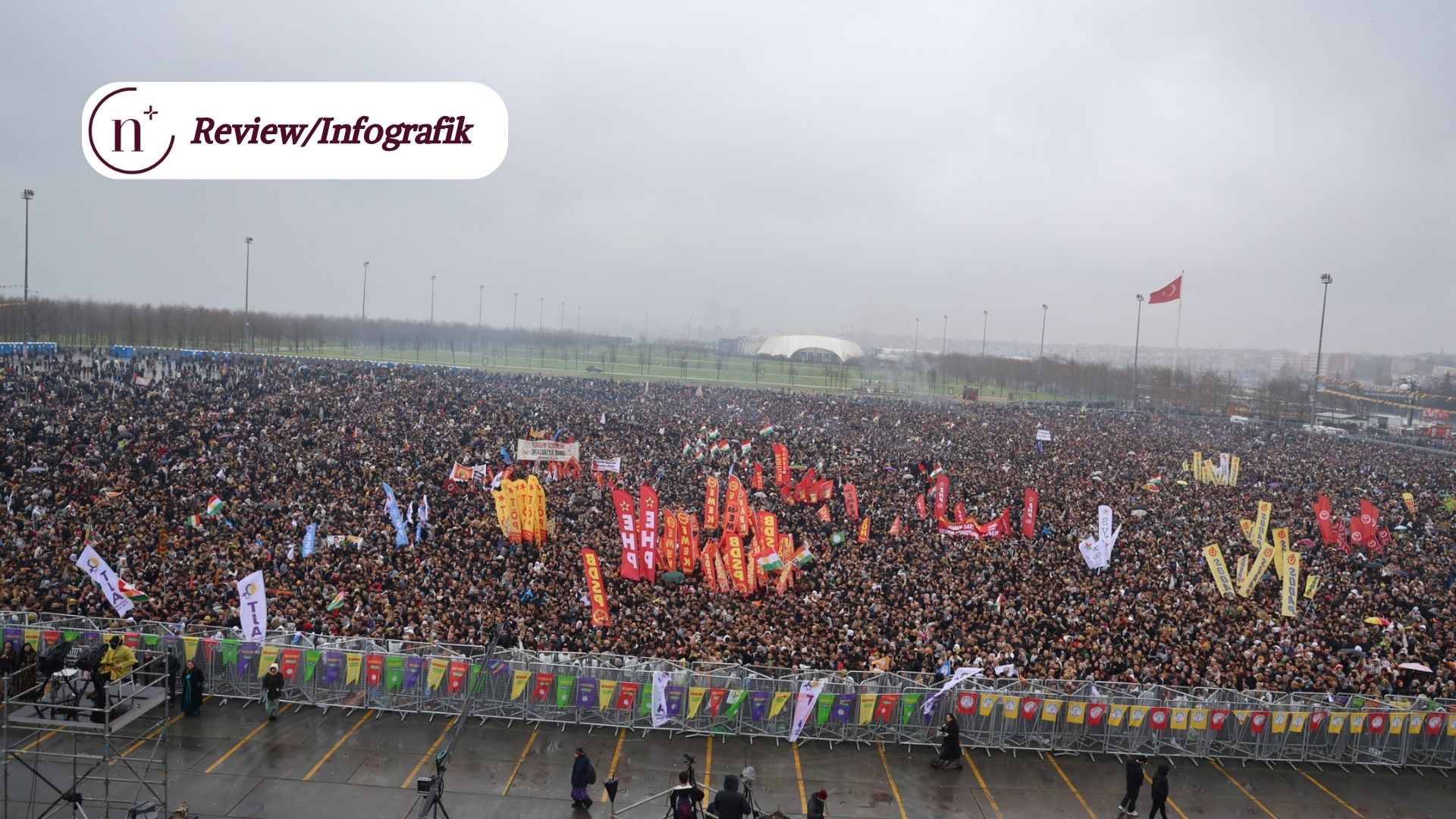
İstanbul Newroz celebrations 2026 / Photo: Ömer Demir, Ajansa Welat
It has been nearly a year and a half since MHP Chairman Devlet Bahçeli made his statement referring to Abdullah Öcalan, calling for him to “come to the TBMM and speak at the DEM Party group meeting, and declare that terrorism has ended and the organization has been disbanded, provided his isolation is lifted.” Since that day, although many issues have been discussed in this process—which the government calls a “Terror-Free Turkey,” but which is generally referred to by some as the “Second Solution Process,” by others as the “Peace Process,” and by some simply as the “Process”—so far, only the Kurdish side has taken steps. Aside from the state and ruling wing establishing a “process” commission with the participation of all parties with parliamentary groups except one, and this commission preparing a report following a long-term working schedule, there have not yet been any concrete developments regarding the legal regulations stated to be necessary for the continuation of the process.
Many developments have taken place under the heading of the “process” from October 1, 2024, to March 31, 2026. Below, we present the comprehensive chronological information we have prepared on the subject.
Signals of the New Period
October 1, 2024Bahçeli shakes hands with DEM Party members in the Parliament.
A remarkable contact that took place on October 1, 2024, at the opening of the new legislative year of the TBMM, was interpreted as a harbinger of a “new political climate” in public opinion. Bahçeli went to the DEM Party rows and shook hands with Co-Chair Tuncer Bakırhan and other deputies. This gesture created wide repercussions both in the Parliament hall and in public opinion. When journalists asked about the meaning of this handshake, Bahçeli said, “We are entering a new era. While we want peace in the world, we must also establish peace in our own country.”
On the same day, in his speech at the General Assembly of the Parliament, President Erdoğan also used the expressions: “It must now be accepted as a fact. Today, against Israeli aggression, both at home and abroad, grounds for reconciliation must be brought to the fore rather than fields of conflict.”
October 22, 2024Bahçeli’s call to Öcalan at the group meeting.
Following these statements, on October 22, 2024, at his party’s group meeting, Bahçeli directly addressed Öcalan and made the following call: “If the isolation is lifted, let him come and speak at the DEM Party group meeting in the TBMM, and let him shout that terrorism has completely ended and the organization has been disbanded. If he shows this determination and resolve, the way for the legal regulation regarding the use of the right of hope will be opened wide… Here is the challenge, we are ready for it.”
October 24, 2024Ömer Öcalan shares message from İmralı.
On October 24, 2024, DEM Party Urfa MP Ömer Öcalan announced that they had met with Abdullah Öcalan in İmralı the previous day and shared Öcalan’s message: “The isolation continues. If the conditions are formed, I have the theoretical and practical power to pull this process from the ground of conflict and violence to the legal and political ground.”
A Process Under the Shadow of Trusteeships and Bans!
October 30, 2024Ahmet Özer’s arrest and trustee appointment.
However, these signs towards a solution and peace in the Kurdish issue were overshadowed by ongoing trustee appointments and ban decisions. The practices of the Ministry of Interior once again raised the question: “Is a solution really wanted in the Kurdish issue?”
Ahmet Özer, who was elected Mayor of Esenyurt within the scope of the “urban consensus” made between the CHP and the DEM Party in the local elections, was arrested on October 30, 2024, on charges of “membership in the PKK/KCK armed terrorist organization.” The next day, Istanbul Deputy Governor Can Aksoy was appointed as trustee in his place.
November 2024Trustees appointed to DEM Party municipalities.
Subsequently, in November 2024, trustees were appointed one after another to the DEM Party municipalities of Mardin, Batman, Urfa Halfeti, Dersim, and Van Bahçesaray, on the grounds of “terrorism” sentences against the co-mayors.
November 21, 2024New ban on lawyer visits to Öcalan.
On top of all this, on November 21, 2024, the lawyers of the Asrın Law Office, who had requested a meeting with Öcalan, learned that a new six-month ban on lawyer visits to their client Öcalan had been imposed on November 6.
November 26, 2024Bahçeli repeats his call.
On November 26, Bahçeli said at his party’s TBMM Group Meeting: “We stand exactly behind what we have said since our group meeting on October 22, 2024. We expect face-to-face contact between İmralı and the DEM Group without delay, and we repeat our call with determination.”
DEM Party Delegation in İmralı
December 28, 2024DEM Party MPs visit İmralı.
After a long period, on December 28, 2024, DEM Party MPs Sırrı Süreyya Önder and Pervin Buldan met with Öcalan in İmralı. The next day, the delegation shared Öcalan’s message with the public: “Strengthening Turkish-Kurdish brotherhood again is a historic responsibility.”
December 30, 2024KCK’s statement on the solution will.
Then, on December 30, 2024, KCK Executive Council Co-Chair Besê Hozat, in her statement to Medya Haber, said: “We stand behind the solution will shown by our Leadership. The Turkish state, the AKP-MHP government, the government and the opposition as a whole, the state itself must show a real solution will.”
January 2025İmralı Delegation holds meetings in parliament.
Throughout January 2025, the İmralı Delegation held meetings with the parties with groups in the TBMM: MHP, AKP, CHP, Future Party, DEVA Party, Felicity Party, and New Welfare Party. After these meetings, the delegation met with Öcalan for the second time on January 22, 2025.
February 13, 2025KCK announces letter from Öcalan.
On February 13, 2025, KCK Executive Council Co-Chair Cemil Bayık stated that they had received a letter from Öcalan and said, “We are carrying out a work to pull the Kurdish issue from the ground of war to the ground of democratization.” However, two days after this statement, on February 15, on the anniversary of Öcalan’s capture in Turkey, the Ministry of Interior appointed a trustee to Van Metropolitan Municipality.
February 18, 2025Operations and arrests against HDK.
While these developments were taking place, on February 18, 2025, operations were carried out against the Peoples’ Democratic Congress (HDK). A total of 52 people, including political party executives, unionists, artists, and journalists, were detained; 30 of them were arrested on February 21. HDK Co-Spokesperson Meral Danış Beştaş criticized these operations by calling them “a conspiracy against peace.”
Öcalan’s “Call for Peace and Democratic Society”
February 27, 2025Öcalan’s “Call for Peace and Democratic Society”.
The DEM Party delegation met with Öcalan in İmralı on February 27, 2025. After the meeting, the delegation shared Öcalan’s message with the public in Istanbul.
In the message titled “Call for Peace and Democratic Society,” Öcalan used the following expressions: “In this climate formed by Mr. Devlet Bahçeli’s call, Mr. President’s demonstrated will, and the positive approaches of other political parties to the known call, I am making a call to lay down arms and I take on the historic responsibility of this call. Like every contemporary society and party whose existence has not been forcibly terminated, convene your congress and decide for integration with the state and society; all groups should lay down their arms and the PKK should dissolve itself.”
March 1, 2025PKK announces a ceasefire.
Following Öcalan’s call, the PKK announced a ceasefire on March 1. In its statement, the PKK said: “To open the way for the implementation of the Call for Peace and Democratic Society, we declare a ceasefire effective from today. Beyond that, matters such as laying down arms can only be realized with the practical leadership of Leader Apo. We are ready to hold the party congress in the way Leader Apo wants. However, for this to happen, a secure environment must be formed and Leader Apo’s personal guidance and execution are required for the success of the congress.”
March 21, 2025Newroz celebrations with millions of participants.
Afterwards, Kurds celebrated Newroz 2025 on March 21 with the participation of millions of people in four parts of Kurdistan and many cities around the world. The intensity of participation in Newroz was interpreted by the Kurdish press as support for Öcalan’s call.
Imamoğlu’s Arrest, Sırrı Süreyya’s “Suspicious” Death
March 19, 2025Ekrem İmamoğlu detained and arrested.
After Newroz, the agenda was shaken by the arrest of Istanbul Metropolitan Municipality President Ekrem İmamoğlu. İmamoğlu, who was detained on March 19, 2025, within the scope of investigations initiated on charges of “terrorism” and “corruption” regarding the “urban consensus,” was arrested on March 23, 2025. The Kurdish movement evaluated İmamoğlu’s arrest as a “provocative intervention” in the process.
April 15, 2025Sırrı Süreyya Önder hospitalized and passes away.
Shortly after, DEM Party Istanbul MP and İmralı delegation member Sırrı Süreyya Önder was taken to the hospital on April 15 due to a heart condition he suffered in Istanbul. Önder fought for life in intensive care for 18 days but could not be saved and passed away on May 3, 2025. Thousands of people bid farewell to Önder on his final journey with the slogan “Our word to Sırrı will be peace.”
May 8, 2025DEM Party statement on assassination suspicion.
Five days after the funeral, the DEM Party made a statement: “On April 2, the parking attendant noticed a sound coming from the tires while using Sırrı Süreyya Önder’s vehicle and took the vehicle to the service. In the examination, a sharp metal device made of iron that could puncture the left rear tire was found placed there.” After this information was shared, the question “Was an assassination carried out against Sırrı Süreyya?” began to be discussed in public opinion.
The PKK Dissolved Itself, Weapons Were Burned
May 12, 2025PKK decides to dissolve itself and lay down arms.
During the days when Önder’s mourning was observed, on May 12, 2025, the PKK announced that it had dissolved itself and laid down its arms. In its statement, the PKK said: “Our congress was held safely despite the difficult conditions in which conflicts continued, aerial and ground attacks continued, and the siege on our areas and the KDP embargo continued… The PKK has completed its historic mission. The 12th Congress of the PKK has decided to dissolve the organizational structure of the PKK and end the armed struggle method, thus ending the activities carried out under the name of the PKK.” Following this decision, many discussions for and against began in different circles, and the question “What steps will the state take?” settled on the agenda of society. In the statement from the KCK, it was announced that many forces that did not want the PKK to lay down arms wanted to meet with the KCK.
July 9, 2025Öcalan’s first video call since 1999.
Öcalan made a new call on July 9, 2025. This time, however, his call was a video call. This was Öcalan’s first video appearance since 1999. In the video, Öcalan said, “I continue to defend the Call for Peace and Democratic Society dated February 27, 2025,” and stated, “As a general aspect of the process, the voluntary laying down of arms and the comprehensive commission work to be established by law in the TBMM are important.”
July 11, 2025Peace and Democratic Society Group burns their weapons.
Based on Öcalan’s words in this video message — “Without falling into the sterility of ‘you first, me first,’ attention and sensitivity must be shown in taking steps” — the KCK took the first step. Under the leadership of KCK Executive Council Co-Chair Besê Hozat, the “Peace and Democratic Society Group,” consisting of 30 guerrillas, 15 of whom were women, burned their weapons on July 11, 2025, in a ceremony attended by many journalists and representatives of civil society organizations.
August 5, 2025First meeting of the parliamentary commission.
Following this ceremony, a 51-member commission chaired by TBMM Speaker Numan Kurtulmuş, which included political parties with groups in the Parliament (except the İYİ Party), held its first meeting on August 5 regarding the solution process. The name of the commission was determined as the “National Solidarity, Brotherhood and Democracy Commission.”
Developments from August 2025 to the Present
August 10, 2025Bahçeli’s statement on TV100.
On August 10, speaking to TV100, Bahçeli stated that the process would be completed by the end of the year and that the PKK’s burning of weapons carried a strong message, saying, “Weapons can be dug up again if buried; burning them means ‘we will never lay our hands on weapons again.’”
August 19, 2025White Toros incident in front of the TBMM.
On August 19, a white Toros car was set on fire in front of the TBMM before the fourth meeting of the “National Solidarity, Brotherhood and Democracy Commission.”
August 28, 2025DEM Party İmralı Delegation meets with Öcalan.
On August 28, the DEM Party İmralı Delegation met with Öcalan. In the statement, it was stated that Öcalan said in the meeting, “Democratic society, peace, and integration are the three key concepts of this process, and a result can be reached on this basis,” and that he emphasized “the need for a new stage in which steps are taken urgently in all dimensions.”
September 25, 2025DEM Party statement on the legal phase.
On September 25, in its statement, the DEM Party said that the commission in the Parliament was about to complete the listening phase and stated, “With the opening of the Parliament, the first phase, which we can describe as the political and social phase, will give way to the second phase, which we describe as the legal phase.” The DEM Party announced that in the second phase of the process, the commission would focus on legislative work and that they had prepared proposals on issues such as the Transitional Period Law, Enforcement Law, changes in the TMK, TCK, and CMK, trustee regulations, democratization of local governments, combating discrimination, and education in the mother tongue.
October 1, 2025President Erdoğan’s message of thanks.
On October 1, at the Opening Meeting of the 4th Legislative Year of the 28th Term of the TBMM, President Erdoğan thanked Devlet Bahçeli and the DEM Party for conducting the process.
October 7, 2025Bahçeli proposes a delegation to meet Öcalan.
At the MHP Parliamentary Group Meeting on October 7, Bahçeli suggested that a delegation of commission members meet face-to-face with Öcalan and asked Öcalan to make a call for the SDF to lay down arms.
October 13, 2025Asrın Law Office visits İmralı.
On October 13, lawyers from the Asrın Law Office visited Abdullah Öcalan on İmralı Island. Öcalan said, “The principle of hope is a step that the state must take. It needs to remove this burden. This is an issue that affects thousands of people.”
October 26, 2025KÖH announces withdrawal to Media Defense Areas.
On October 26, at a press conference organized in Kandil under the name of the Kurdistan Freedom Movement (KÖH) Administration because the PKK had dissolved itself, it was announced that all guerrilla forces posing a conflict risk within Turkey’s borders were being withdrawn to the “Media Defense Areas.” On November 17, it was announced that the armed forces had also withdrawn from the Zap area in northern Iraq. The KÖH Administration stated that it believed “this new step would serve peace and democratization in Turkey.”
November 18, 2025Bahçeli announces his intent to go to İmralı.
On November 18, Bahçeli announced in his MHP group speech that if no one met with Öcalan, he would go to İmralı with three of his friends.
November 21, 2025CHP objects as the commission votes “Yes”.
On November 21, the CHP announced that it was against the commission’s meeting with Öcalan. On the same day, the commission’s eighteenth meeting was held. In the closed session of the meeting, the proposal to meet with Öcalan was accepted with the “Yes” votes of the AK Party, MHP, DEM Party, TİP, and EMEP.
November 24, 2025Committee visits İmralı.
On November 24, a committee formed by the AK Party, MHP, and DEM Party from the “National Solidarity, Brotherhood and Democracy Commission” went to İmralı and met with Öcalan.
August 2, 2025First clashes between SDF and Syrian transitional government forces.
Meanwhile, from August 2025 onwards, many developments with a high probability of affecting the process in Turkey took place in Syria and Rojava. The first clashes between armed forces affiliated with the Syrian transitional government and the Syrian Democratic Forces (SDF), whose backbone is formed by Kurds, occurred on August 2, 2025, near Deyr Hafir and El-Kefse. The clashes intensified in September around Aleppo and its surroundings.
December 26, 2025Clashes begin in Şêx Meqsûd and Eşrefiye.
On December 26, clashes began between armed forces affiliated with the Syrian transitional government and Kurdish security forces in the Şêx Meqsûd and Eşrefiye neighborhoods. The parties had signed an agreement on April 1, 2025, foreseeing that only Kurdish security forces would remain in the Kurdish neighborhoods and that the SDF would withdraw from the areas it controlled in Aleppo. However, afterwards, the Damascus side accused the SDF of not complying with the agreement and deployed Syrian army tanks near the neighborhoods.
December 27, 2025SOHR reports Syrian government closing additional roads.
On December 27, the Syrian Observatory for Human Rights (SOHR) reported that the Syrian government had closed the additional roads leading to Şêx Meqsûd and Eşrefiye and was preventing civilians from accessing these areas.
January 4, 2026SDF and Damascus administration meeting.
On January 4, 2026, a Kurdish delegation headed by SDF General Commander Mazlum Abdi met with officials of the temporary administration in Damascus. US-led international anti-ISIS coalition commander Kevin Lambert also attended the meeting. After the meeting, it was announced that the issue of SDF integration had been discussed and that meetings would continue until a conclusion was reached.
Early January 2026Simultaneous meetings in Paris.
During the days when meetings with the SDF were held in Damascus, important meetings were also taking place in Paris. The meetings were represented by Syrian Foreign Minister Esad Şabani and Intelligence Chief Hussein Salameh for Syria, and by a delegation headed by Israel’s Washington Ambassador Yechiel Leiter for Israel. On behalf of the US, US Syria Special Envoy Tom Barrack and Trump’s advisors Steve Witkoff and Jared Kushner attended the meetings. Turkey’s Foreign Minister Hakan Fidan’s presence in Paris at the same time drew attention. After the meetings, it was announced that agreements had been reached between Israel and Syria on some issues.
A few days laterSDF statement on the sabotaged Damascus meeting.
A few days later, SDF General Command member Sipan Hemo announced that the January 4 Damascus meeting had been sabotaged. Hemo said: “It was a very positive meeting. Because both sides had accepted the articles. Even the international powers wanted this development to be announced to the public. While we were talking about these, a state official whose name I will not mention entered. Seeing that the meeting was going positively, he took the intelligence officer and the Defense Minister with him and left. When they returned, they said, ‘We will not make any statement at this stage. Let’s leave it to the 7th or 8th.’ It was clear that a game was developing. But whether it was Şêx Meqsûd or another place was not yet clear. There was a smell of a game.”
Beginning of January 2026Reuters reports on the Israel-Syria deal.
According to Reuters, a series of high-level closed-door meetings were held in Damascus, Paris, and Iraq at the beginning of January. In the Paris meeting, Syrian officials asked the Israeli side to cut its support for the SDF. It was stated that the Syrian government also brought up the idea of a limited operation in some areas controlled by the SDF and that it did not encounter any reservations. In return, it was claimed that Israel had made the Damascus administration accept a series of demands, especially the demilitarization of southern Syria. Neither Syria nor the US confirmed or denied Reuters’ report.
January 7, 2026Kurdish security points declared military targets.
On January 7, 2026, the Syrian transitional government declared all Kurdish security points in the Şêx Meqsûd and Eşrefiye neighborhoods as “military targets,” and attacks on the neighborhoods increased. A major humanitarian crisis was experienced due to war crimes committed by armed persons affiliated with the Syrian Arab Army. The images of the lifeless body of Kurdish women’s security officer Deniz Çiya being thrown from a building with “Allahu Akbar” slogans created outrage among Kurds and drew strong reactions from human rights organizations.
January 8 – 11, 2026Syrian Army takes control of Aleppo province.
Following the intense clashes, the Syrian Army entered the Eşrefiye Neighborhood on January 8, 2026, and the Şêx Meqsûd Neighborhood on January 11, 2026, declaring that control in Aleppo province was in the hands of the Syrian army.
January 9, 2026EU delegation visits Damascus.
On January 9, 2026, EU Council President António Costa and EU Commission President Ursula von der Leyen went to Damascus and met with Ahmed Şara. Von der Leyen announced a 620 million euro support package for Syria. While attacks on Kurdish neighborhoods continued, the EU’s visit to Damascus drew criticism in public opinion.
January 17, 2026DEM Party delegation meets with Öcalan.
On January 17, 2026, the DEM Party delegation met with Öcalan in İmralı. Öcalan, stating that he was extremely concerned due to the clashes, evaluated this situation as an attempt to undermine the Peace and Democratic Society Process.
January 17, 2026Syrian government declares a closed military zone.
On the same day, the Syrian government declared the area west of the Euphrates, including Raqqa under SDF control, a “closed military zone” and launched an attack on some areas of Tabqa. With the SDF’s announcement that it would withdraw to the east of the Euphrates, the Damascus administration announced that its forces had begun entering the city.
January 17, 2026Meeting in Erbil.
On January 17, Mazlum Abdi, Autonomous Administration Foreign Relations Co-Chair İlham Ahmed, Tom Barrack, and KDP Chairman Mesud Barzani met in Erbil. In the statement made by the Kurdistan Regional Government Presidency after the meeting, it was stated that “Both sides agreed that the only way to solve the problems peacefully and to ensure peaceful coexistence among the components of the new Syria is dialogue.”
January 18, 2026Syrian army enters Tabqa and Raqqa.
On January 18, the Syrian army took Tabqa, the Tabqa Dam, and the Tabqa Air Base. It also seized the entire eastern countryside of Deir ez-Zor with all its towns and villages, as well as the oil and natural gas fields in the region. On the same day at noon, Arab tribal forces took control of Raqqa, and the Syrian army entered the city a few hours later.
January 18, 2026Ceasefire and integration agreement.
On January 18, the SDF and the Syrian transitional government agreed on a ceasefire. According to the ceasefire agreement, the Syrian transitional government would take over the military and administrative control of Deir ez-Zor and Raqqa provinces. In addition, the SDF would hand over control of all oil and natural gas fields in northeastern Syria and international border crossings to the Syrian transitional government, and civilian institutions in Hasakah province would be integrated into the Syrian state.
January 19, 2026Rojava Delegation leaves the Damascus meeting.
On January 19, the Rojava Delegation headed by Mazlum Abdi met in Damascus with the Damascus Administration headed by Ahmed Şara and the US Syria Special Envoy Tom Barrack. The Rojava Delegation stated that they did not accept the new articles attempted to be added to the ceasefire agreement announced the previous day and the style attempted to be imposed as a fait accompli, and left the meeting.
January 20, 2026Global solidarity actions for Rojava.
In his statement after the inconclusive meeting, Mazlum Abdi emphasized that protecting Kurdish regions against attacks by Damascus forces was a “red line.” With the Rojava administration’s decision to resist, Kurds took to the streets on January 20 in cities across the four parts of Kurdistan and Europe, and around the world. Solidarity actions with Rojava continued uninterrupted until February, with demands for Kurdish unity marking the actions.
January 22, 2026Braid video circulates and sparks global protests.
Meanwhile, on January 22, a highly controversial video circulated on social media. In the video, Ramî El Deheş, who was in HTS, ISIS, and Turkey-backed paramilitary structures, said he had cut the braid of a deceased YPJ female fighter in Raqqa and “gifted it.” The video was met with anger and reaction in many parts of the world. Women launched a braid protest worldwide. Some women participating in the protest in Turkey were detained and arrested.
January 30, 2026Comprehensive integration agreement announced.
On January 30, a statement was published regarding the meeting that Mazlum Abdi and İlham Ahmed held with transitional government officials in Damascus. The statement announced that a comprehensive agreement had been reached including gradual military and administrative integration between the Syrian transitional government and the SDF, the establishment of a military division consisting of three brigades affiliated with the SDF, the formation of a separate brigade within a division affiliated with Aleppo province for Kobani forces, the deployment of Interior Ministry forces in Hasakah and Qamishli, the integration of local institutions into the state, guarantees of civil and educational rights for Kurdish society, and the return of displaced persons.
February 16, 2026Öcalan’s evaluation of the process.
On February 16, the DEM Party İmralı Delegation met with Öcalan. In the statement made by Öcalan through the delegation, he said: “The process we have left behind has proven our ability and power of negotiation to ensure the transition from a politics of violence and separation to democratic politics and integration in essence. The TBMM Commission report must be compatible with the basic social realities. In the future progress of the process, this quality of the commission report will be extremely important. A politics that approaches with the logic of ‘eliminating terrorism’ does not express a solution, but a lack of solution.”
February 17, 2026Commission’s 60-page report is released.
On February 17, in the 60-page report prepared by the “National Solidarity, Brotherhood and Democracy Commission,” topics such as the dissolution of the PKK and the process of laying down arms, and social integration were included. It was stated that legal regulations were tied to the condition of “the actual finalization of the PKK’s laying down of arms and its detection by the executive organ.”
February 28, 2026US and Israel launch air strikes on Iran.
On February 28, 2026, the US and Israel launched large-scale air strikes on Iran. In the strikes, many high-level Iranian officials, including Iran’s religious leader Ayatollah Ali Khamenei, were killed. In response, Iran’s missile attacks on US bases in the region and Israeli territory turned the war into a regional and multidimensional crisis.
February 22, 2026Formation of the Iranian Kurdistan Political Forces Alliance.
On February 22, Kurdish parties in Iran united under the name “Rojhilat Political Forces Alliance” (Iranian Kurdistan Political Forces Alliance) and formed a common front against the Iranian regime. The coalition, which included structures such as PJAK, KDP-İ, PAK, Komala, and Xebat, increased the number of parties to 6 with the participation of the Iranian Kurdistan Revolutionary Workers’ Community on March 4. Meanwhile, while claims that the US and Israel were seeking a possible alliance with the Kurds were confirmed by US sources, the Kurdish political movement’s distant and cautious statements so far drew attention.
March 4, 2026DEM Party delegation’s meeting in Ankara.
On March 4, the DEM Party delegation held a meeting in Ankara with Interior Minister Mustafa Çiftçi and Justice Minister Akın Gürlek on legal regulations.
March 11, 2026Passing of Salih Müslim.
On March 11, PYD Co-Presidency Council member Salih Müslim passed away in a hospital in Hewler where he had been receiving treatment for some time due to kidney failure. A funeral ceremony with the participation of thousands of people was held for Müslim in Qamishli.
March 21, 2026Newroz celebrations and Erdoğan’s reaction.
On March 21, Kurds celebrated Newroz with the participation of millions in many cities around the world. Öcalan’s message was read at the celebrations. In his message, Öcalan emphasized that religious, sectarian, and cultural wars had continued in the Middle East for a thousand years, and stated that “the divisions created by policies of suppression, denial, and enmity in the region today provide an excuse for imperialist interventions.” Öcalan said, “On the occasion of Newroz, it is in our hands to turn this year into a real year of freedom for all the peoples of the Middle East and to make the tradition of friendship and solidarity among peoples dominant.”
On the other hand, before and after the Newroz celebrations, a total of 170 people were detained in 15 cities on charges of “making propaganda for an organization” and “violating the Law on Meetings and Demonstrations,” and 12 of those detained in Istanbul were arrested. President Erdoğan defended the detentions and arrests by calling them “provocations trying to undermine the process.” Erdoğan described the opening of posters of Abdullah Öcalan at the celebrations and the carrying of yellow, red, and green colors in the areas as “playing with the sensitive nerves of the nation.”
March 27, 2026Öcalan evaluates the Iran crisis.
On March 27, the DEM Party İmralı Delegation met with Öcalan. Öcalan said: “This great problem we are trying to solve should not be approached narrowly. Because there are deep hegemonic plans over the Middle East. While positive developments have been experienced to some extent along with the painful situation in Syria, now the Iran war is on the agenda. Three lines have emerged in the Iran war: The first is the US-Israel line. The second is the line aimed at protecting the status quo led by Britain and some international and regional powers. The third is the line of democracy and common life that we have developed with the Peace and Democratic Society Process we defend. The developments in Iran have once again revealed the justification and importance of the process being carried out in Turkey.”
March 28, 2026AKP’s preparation for a legal commission.
On March 28, it was announced that a commission consisting of lawyers would be established under the chairmanship of AKP Group Deputy Chairman Abdulhamit Gül. AKP officials stated: “A temporary code law is targeted to be brought to the Parliament’s agenda in June or July; it will not be a general amnesty or omnibus law.”
Issuing a statement for April 2nd, World Autism Awareness Day, the DEM Party stated that this day is a day of protest against the mentality that marginalizes and renders invisible those who are different.
Today is April 2nd, World Autism Awareness Day. In 2007, the United Nations General Assembly declared April 2nd as World Autism Awareness Day to raise global awareness regarding individuals with autism spectrum disorder.
The Peoples’ Equality and Democracy Party (DEM Party) Commission for Persons with Disabilities released a written and video statement concerning the challenges and demands of autistic people.
Please click the video above or [here] to watch the video statement.
The written statement by Hatice Betül Çelebi, Co-Spokesperson of the DEM Party Commission for Persons with Disabilities, is as follows:
From education to health, and from urban life to social policies, autistic individuals and all persons with disabilities are forced to exist within an inaccessible, fragmented, and exclusionary system. While the right to education remains only on paper and inclusivity exists in rhetoric, segregation continues in practice. Inadequate teacher employment, overcrowded classrooms, curricula that ignore individual differences, and a market-oriented service approach deepen the existing inequalities.
The mindset that defines autism as a “disorder” is itself one of the most visible forms of discrimination. This language reproduces a perspective that views non-normative traits as problems rather than differences, reducing human existence to a single type. Yet, autism is not a deficiency; it is a natural part of human neurodiversity. The problem is not autistic people or autistic behavior; it is the social, political, and institutional structures that exclude, suppress, and attempt to “normalize” them.
The required approach is the implementation of public policies based on the autonomy, uniqueness, and social participation of autistic individuals. Within this framework, universal design principles must be adopted in every field—from education systems to urban planning—and physical, digital, sensory, and communicative accessibility must be addressed as a whole.
The right to speak, decide, and formulate policies on behalf of autistic people belongs directly to them and their families. Any policy that disregards this will is destined to be incomplete, biased, incorrect, and discriminatory. Real transformation will only be possible through democratic processes where the subjects themselves have the voice and decision-making power.
For us, April 2nd is a day of protest against the mindset that marginalizes and renders the ‘different’ invisible. We advocate for communal life instead of segregated institutions, inclusivity instead of exclusion, and justice instead of mercy.
It should not be forgotten that inaccessible cities, crises, poverty, and environments of violence disproportionately affect autistic individuals and persons with disabilities. Therefore, all policies—including disaster and crisis management—must be reconstructed through a perspective that embraces neurodiversity.
Social transformation is possible not merely through physical adjustments, but through a fundamental shift in mindset. We must replace prejudices, stereotypes, and monolithic norms with acceptance, understanding, and plurality. Every individual has the right to self-expression, and communication is not limited to spoken words alone. For autistic individuals, augmentative and alternative communication (AAC) methods are fundamental elements of equal citizenship.
Today, our call is clear: We demand rights, not charity; justice, not mercy; and acceptance, not conformity. Our differences are not a threat, but rather the wealth of humanity. The liberation of autistic people is an inseparable part of the struggle for a democratic, egalitarian, and peaceful society
Hatice Betül Çelebi Co-Spokesperson of the Commission for Persons with Disabilities 2 April 2026
Mehmet Ekim Çam, who was included on the Human Rights Association’s list of seriously ill prisoners, has been released from the prison.
74-year-old seriously ill prisoner Mehmet Ekim Çam has been released from the Batman Type T Closed Prison where he was being held. It was learned that Çam had been referred to the Council of Forensic Medicine (ATK) three days ago.
Mehmet Emin Çam was arrested on December 12, 2012, while serving as the Siirt Co-Chair of the Peace and Democracy Party (BDP). He was released after 10 months, but was re-arrested in 2022.
In an urgent call published on March 26, the Human Rights Association (İHD) reported that Çam had been taken to Batman Training and Research Hospital on March 25, 2026. According to the information shared by İHD, Çam has a tumor on the right side of his brain, suffers from kidney disease, and has advanced heart disease. İHD also stated that Çam had suffered two heart attacks in prison, undergone two kidney surgeries, has paralysis in his left arm and left leg, and has blockages in his five veins. Despite all these conditions, the Council of Forensic Medicine issued a report on December 3, 2025 stating that he was “OK to remain in prison,” and his requests for postponing his sentence were rejected on March 10.
İHD emphasized that this situation constitutes a violation of Article 2 (right to life) and Article 3 (prohibition of torture and inhuman or degrading treatment) of the European Convention on Human Rights.
Number of ill prisoners in 2025
According to the İHD 2025 Report on Ill Prisoners, there are at least 1,412 ill prisoners in prisons across Turkey, including 161 women and 1,251 men. The report states that 335 prisoners are in serious condition.
Among them, 230 are unable to sustain their lives independently and 105 require assistance. Additionally, 188 prisoners need continuous medical monitoring due to their illnesses.
The report also highlights that ill prisoners are not taken to infirmaries in a timely manner, face months-long delays in referrals to tertiary healthcare services, and are forced to live under inadequate conditions in terms of nutrition, heating, and hygiene.
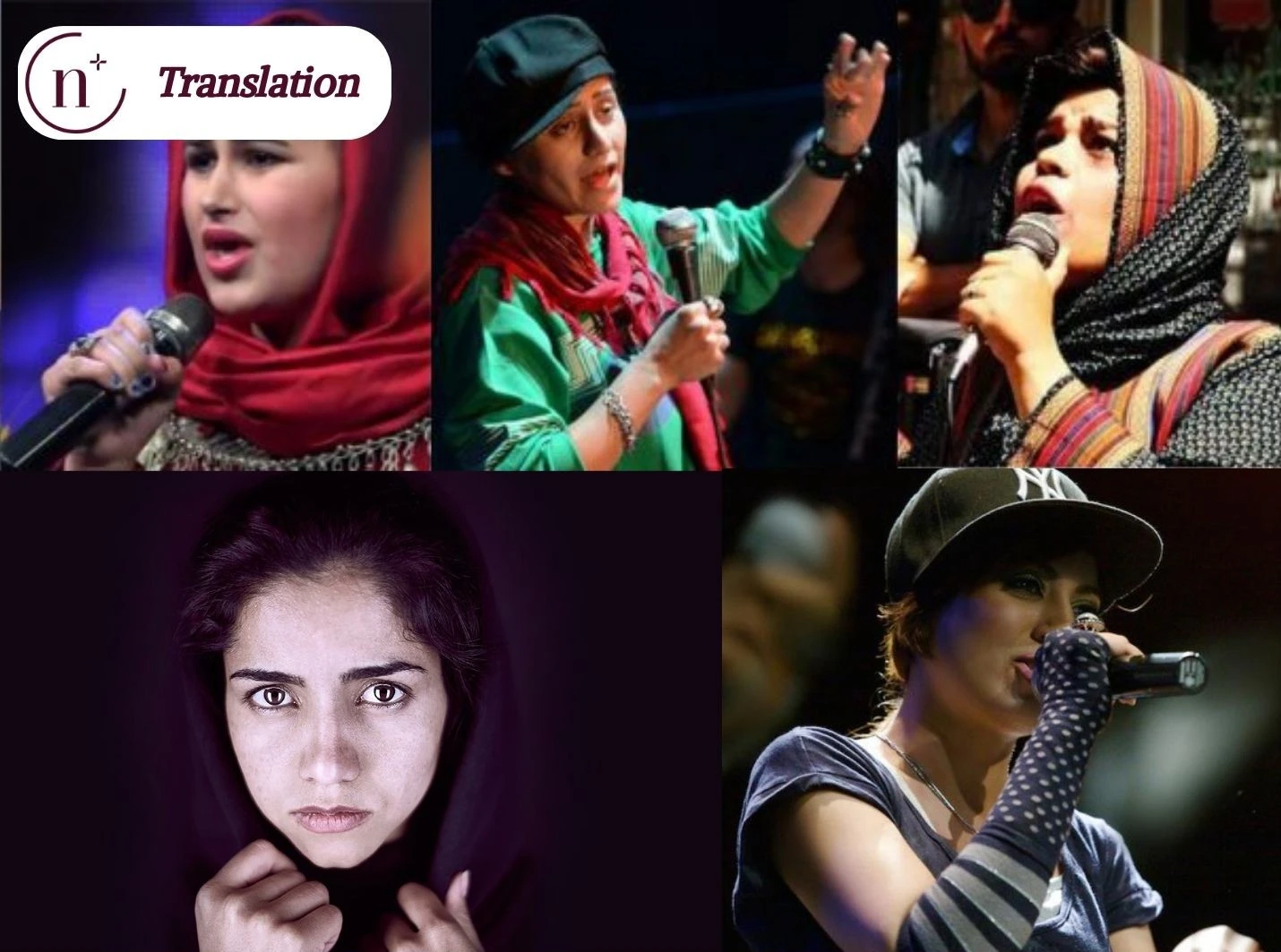
We have translated a report by AWNA (Afghanistan Women’s News Agency) featuring five Afghan female rappers who are raising their voices against misogynistic policies in Afghanistan.
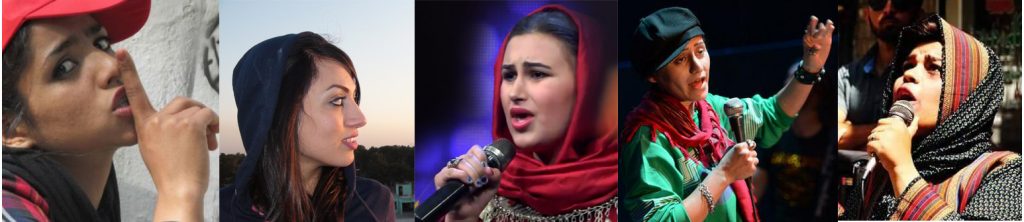
Five female rappers in Afghanistan. Respectively: Sonita Alizadeh, Paradise Sorouri, Ziba Hamidi, Sosan Firoz, and Elina Afghan. Photo: AWNA
The policies of the Taliban administration in Afghanistan restrict women’s right to education, legitimize violence against women, and directly impact their lives through mandatory dress codes and limitations on freedom of movement. Women’s voices are being suppressed not only in physical spaces but also in cultural and artistic production.
Amid this climate of repression, in an Afghan society where male dominance prevails and women are subjected to various forms of violence and pressure, these young women are breaking the silence by raising their voices and expressing their protests through rap music. Most of the people believes that rap music is exclusively for men due to its harsh tone and the movements involved, and they do not consider this style appropriate for young women.
Nevertheless, young women like Sonita Alizadeh, Ziba Hamidi, Elina Afghan, Sosan Firoz, and Paradise Sorouri are successfully using this musical style to voice the unspoken words in defense of women’s rights.
Sonita Alizadeh
Sonita Alizadeh was born in 1996 in the city of Herat, Afghanistan. She spent several years as a refugee in Iran’s Alborz Province. She began composing music, playing the guitar, and singing in 2011 (1391 in the Islamic calendar). In 2014, she stood out among 166 rap artists to win a $1,000 prize. After winning this award, with the support of a charity and a scholarship she received, she was able to continue her education in the Utah, USA.
The themes of the rap songs she performs include Afghanistan, politics, discrimination against Afghan refugees in Iran, and the challenges faced by Afghan women, young girls, and children within Afghanistan’s traditional societal structure.
Ziba Hamidi
Ziba Hamidi was born in 1997 in Karachi, Pakistan. She spent over a decade as a refugee in Iran, where she completed her education. During her time in Iran, she took nearly six months of music training.
Ziba uses rap music to express the pain and sorrow experienced by her people.
Elina Afghan
Elina, who goes by the surname “Afghan,” was born in Mazar-i-Sharif. The 21-year-old artist is a graduate of the Faculty of Law and Political Science at Kabul University. Elina, who has been making rap music for over four years, views the genre as a tool for protest. The artist, who has a total of 15 songs, has performed numerous street shows to voice her concerns and became the first Afghan girl to participate in an art festival held in India in 2016.
The main themes she addresses in her rap songs include: violence against women, orphaned children, street children, street vendors, women’s rights, advocacy, and women’s quest for justice.
Violence against women, orphaned children, street children, and street vendors, as well as women’s rights, advocacy, and human rights activism, are among the topics she addresses in her rap songs. Elina has gained fame for her songs “Woman,” “I’m Not a Prostitute,” “Love,” and “Afghan Girl.”
Soosan Firooz
Soosan Firooz is known as Afghanistan’s first female rap artist. She is a controversial and influential figure who challenges social norms and the traditional roles of Afghan women.
Firooz was born in Afghanistan. Her family fled the country in 1990 and lived in a refugee camp in Iran for seven years during the Afghan Civil War. She then spent three years as a refugee in Pakistan with her family. After the collapse of the Taliban regime, her family returned to Afghanistan and settled in Kandahar in 2003, where her father found work. Soosan initially worked as a carpet weaver alongside her siblings. In 2011, she began her acting career with small local roles, then moved to Kabul and, with her father Abdülgaffar Firooz’s permission, started pursuing rap music.
Firooz, who caught the attention of Afghan musician Farid Rastagar, performs rap songs in the Dari language. Her first single, “Our Neighbors” (Hemsayegan-e Ma), released in 2012, addresses the harsh conditions faced by Afghan refugees; the song was composed by Rastagar based on verses by the poet Sohrab Sirat. Another of her songs, “Nakıs-ül Akl” (The Foolish One), refers to a phrase used in Afghanistan to belittle women.
Firooz lives with her family north of Kabul. She has repeatedly faced acid attacks, kidnappings, and even death threats. Her mother, who works on humanitarian aid projects in southern Afghanistan, has also been threatened with death. Her father, who works for the electricity department, accompanies her to studios and on TV shows, serving as both her manager and her bodyguard.
Paradise Sorouri
Paradise Sorouri is a 24-year-old Afghan singer born in Isfahan, Iran. At the age of 17, she moved to Herat, her father’s hometown, and later relocated to Tajikistan with her husband, Diverse. As the first female Afghan rapper, she released a rap song titled “Feryad-e Zen” (The Woman’s Cry). Through this song she voices the suffering, oppression, and struggles of Afghan women; her work has generated significant buzz on social media, particularly on YouTube and Facebook.
Another of her artistic works is “Nalestan” (Land of Lament), which addresses violence against women in Afghanistan.
The lines in the intro of Paradise’s song, which have drawn the attention of many people, especially women’s rights organizations and activists, are as follows:
“My voice is always filled with pain; it’s not the Arctic, but the air is so cold. I wanted to run, but they shot my waist; I wanted to think, but they shot my head. In the name of Islam, they burned my face; for revenge, they cut off my nose. They poured acid on my hands and body; they sold me, because I am just a woman…”
These striking words serve as a summary of Paradise’s struggle and the severe human rights violations faced by women in Afghanistan.
TÜM-BEL-SEN report reveals that since the 2024 local elections, the administration of 85 municipalities has been changed through trustee appointments, dismissals, and political interventions.
The Union of Municipal and Local Government Workers in Turkey (TÜM-BEL SEN) released a report on the second anniversary of the March 31, 2024 local elections. The report focuses on political pressure against municipalities run by opposition parties.
According to the report, since the 2024 elections, government interventions in local administrations have become against labor and democracy. It states that local democracy in Turkey has effectively been suspended due to practices; such as appointing government trustees, removing elected officials, judicial actions and financial restrictions.
“Public will has been ignored”
The report highlights that a large portion of votes for opposition parties has been ignored. It tells that 44.4% of the votes for the CHP (Republican People’s Party, main opposition party in Turkey) and 27.7% for the DEM Party (Peoples’ Equality and Democracy Party) were effectively taken away.
Report also argues that these practices violate the constitution, especially the basic democratic right to vote and be elected of people. After Hakkari, similar interventions continued in many (most of them are Kurdish-majority) municipalities, including Esenyurt, Batman, Mardin, Halfeti, Dersim, Ovacık, Siirt, Van, Kağızman, and Şişli.
The report states that these trustee appointments have damaged local politics, which is a key space for a peaceful and democratic solution to the Kurdish issue. Since the 2024 elections, public will has been ignored not only through trustee appointments but also through suspensions, political pressure to switch parties, and changes in municipal councils.
85 administration has been changed
According to the report, the administration of 85 municipalities has been changed since the elections, making millions of votes ineffective. It says that about 8.8 million votes (20.55% of all votes) have been disregarded.
The report also recalls that the election certificate of Van Metropolitan Municipality’s elected mayor, Abdullah Zeydan, was first mayor to be unlawfully attempted to be taken away. In total, elected mayors or co-mayors in 30 municipalities -including major cities like Istanbul, Van, Mardin, Adana, and Antalya- were removed from office. In 55 municipalities, political control changed through different methods, such as altering municipal council arithmetics.
The report notes that municipalities in Turkey depend heavily on the central government for funding. Due to limited resources, cities -where 94% of the population lives- receive only 12% of total public spending.
Finally, it states that since the elections, 1,342 public workers have been dismissed due to canceled contracts and around 3,200 workers have directly lost income.
K. A. Ö., a student at Kocaeli University, said that they were threatened with eviction from their dormitory by the administration because of their trans identity. Lawyer Akpınar emphasized that these actions clearly are a human rights violation.Yılmaz from LGBTQ+ Comission ofHuman Rights Association said no one can be expelled from a dorm for who they are.
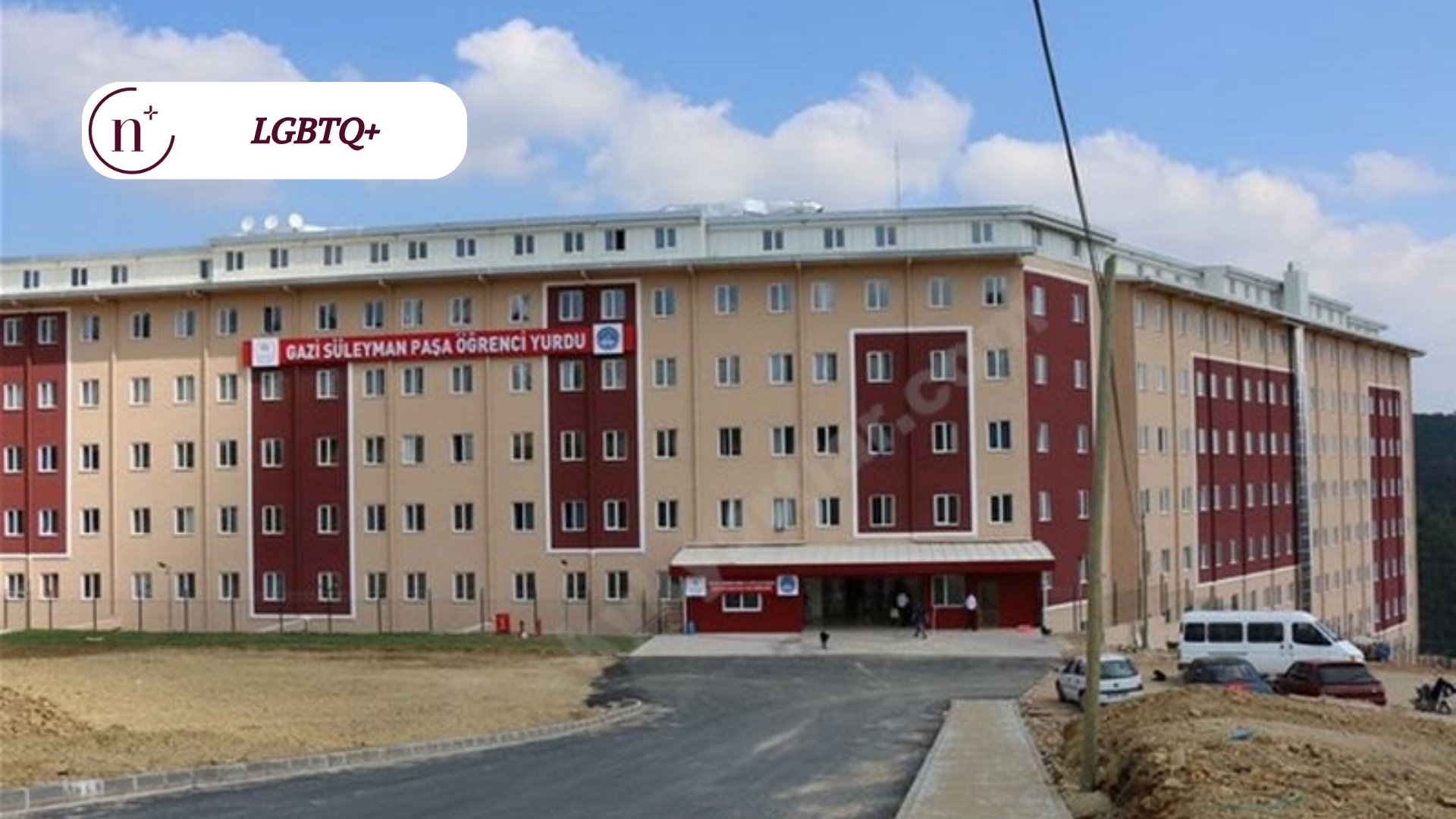
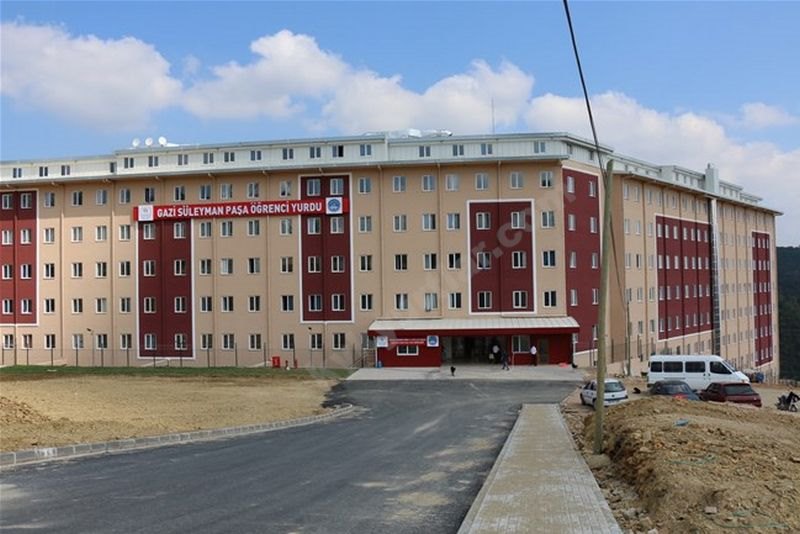
A student at Kocaeli University, identified as K. A. Ö., stated that they were targeted by the administration of the Gazi Süleyman Paşa KYK Male Student Dormitory where they reside, due to their transgender identity.
K. A. Ö. said that the dormitory administration had repeatedly called them in for meetings over this issue and threatened them with expulsion if they did not comply with the warnings. They also explained that their family had been contacted and warned by the administration, which increased the pressure on them:
“I have been staying at the Gazi Süleyman Paşa Male Student Dormitory since September 14, 2025. The way I express my gender identity has, for some time, become an excuse used by the administration to avoid dealing with real issues. I was first warned about this on January 29, 2026. The director personally told me that ‘dressing like a woman’ was against the dormitory rules. I was told that if I wanted to behave this way, I would not be able to stay in the dormitory and would need to rent a separate house. I told the administration that I am in a gender transition process at the hospital and that if they had objections, they should discuss the matter with my psychiatrists.”
“I was not told which rule I violated”
Speaking about their meetings with the dormitory administration, K. A. Ö. said that they examined the KYK regulations and presented them to the officials. They emphasized that they read the disciplinary provisions one by one to the deputy directors, yet were never informed which rule they had violated:
“I presented the regulation to them and asked which rules I had violated. I read aloud the articles that define acts requiring disciplinary action under Article 22 (Warning), Article 23 (Reprimand), and Article 24 (Expulsion from the dormitory). They tried to explain gender norms to me and how a man should apply ‘acceptable’ makeup. I was not given any written notification.”
“My family was informed without my consent”
K. A. Ö. stated that after a health issue resulting from an accident, the dormitory administration contacted their family. Saying they do not know exactly what was told to their family, but emphasized that information about their private life was shared without their consent:
“Although I am an adult, the administration of the Gazi Süleyman Paşa Male Student Dormitory disclosed my private life and medical process to my father without my consent. At a time when the government places such strong emphasis on ‘protecting the family structure,’ this unlawful action by the administration suddenly destroyed my good relationship with my father and put me in conflict with my family. This situation is the clearest evidence that the so-called ‘family’ discourse is not about real protection, but merely an ideological propaganda tool designed to discipline individuals deemed deviant through family pressure.”
K. A. Ö. stressed that the sharing of their medical interventions and private life violates both the undertaking they signed and laws on the protection of personal data.
Lawyer Akpınar: “These actions constitute rights violations”
Ekin Su Akpınar, the lawyer of K. A. Ö., stated that the incidents involve multiple rights violations and are unlawful.
Reminding that Article 10 of the Constitution guarantees equality before the law regardless of language, race, gender, or similar reasons, Akpınar also noted that under Article 17, any pressure, threat, or coercive practices targeting an individual’s personal integrity are unlawful:
“Intervening in a student’s clothing and threatening their right to housing on this basis creates serious legal issues and rights violations in terms of proportionality and legality.”
Akpınar further stated that contacting the student’s family and sharing personal information without consent constitutes a violation of the right to privacy under Article 20 of the Constitution:
“According to the regulations on disciplinary penalties and procedures, for a disciplinary action to be taken against a student, the alleged act must first be clearly defined, and the student must be granted the right to defense. This process is conducted directly with the student, and the administration’s counterpart is the student. Even if there is a claim that parents were contacted because the individual is a student, it must not be forgotten that these students are legally adults.”
“This is arbitrary interference”
Akpınar emphasized that imposing sanctions based on clothing style or gender identity is not provided for in the relevant disciplinary regulations and is incompatible with the Constitution and international conventions, describing such interventions as arbitrary.
She also stated according to the section on notification of decisions, disciplinary board decisions must be communicated to the student in writing, and that the regulation should fundamentally aim to protect the student’s right to housing:
“Issues such as students’ lifestyles, identities, and clothing are not matters the dormitory administration can intervene in. Contacting the family and exceeding the limits of authority constitutes entirely arbitrary actions and involves rights violations.”
“Trans students are the first to be excluded.”
Cüneyt Yılmaz, a member of the Human Rights Association (İHD) LGBTQ+ Commission, stated that the threat to expel the trans student from the dormitory is not merely an individual incident, it is the result of a structural problem. Highlighting that everyone has the right to housing and education, Yılmaz said that trans students are often the first to be excluded and deemed undesirable.
“Trans students face problems everywhere, whether they are in a process of transition or not, and are subjected to similar discriminatory attitudes in all areas they are present. This is absolutely a violation of rights. It is clear where dormitory administrations derive this boldness from. Even during parliamentary sessions, ruling party parliamentarian have used discriminatory and hateful rhetoric against LGBTQ+ people,” he said. Yılmaz underlined that dormitories, like all public services, must operate without discrimination based on gender or sexual orientation.
Discrimination is a crime
“Just as you cannot exclude a student for being Kurdish or expel them for being Alevi, you cannot do so because they are trans. This is a clear violation of rights and constitutes a crime. Being subjected to discrimination due to an inherent aspect of your existence is inhumane treatment. Discrimination is a crime. Just as institutions are obligated to meet the needs of students with disabilities, they are also required not to create obstacles for trans individuals in transition and to ensure they can stay in the environment of their choice.”
Yılmaz also noted that this atmosphere is not limited to individual institutions, adding: “The rhetoric of institutions such as the government, the Directorate of Religious Affairs, and RTÜK fuels this discrimination. However, responsibility does not lie solely with the government; opposition parties, especially the The Republican People’s Party (CHP), also fail to take an adequate stance on this issue.”