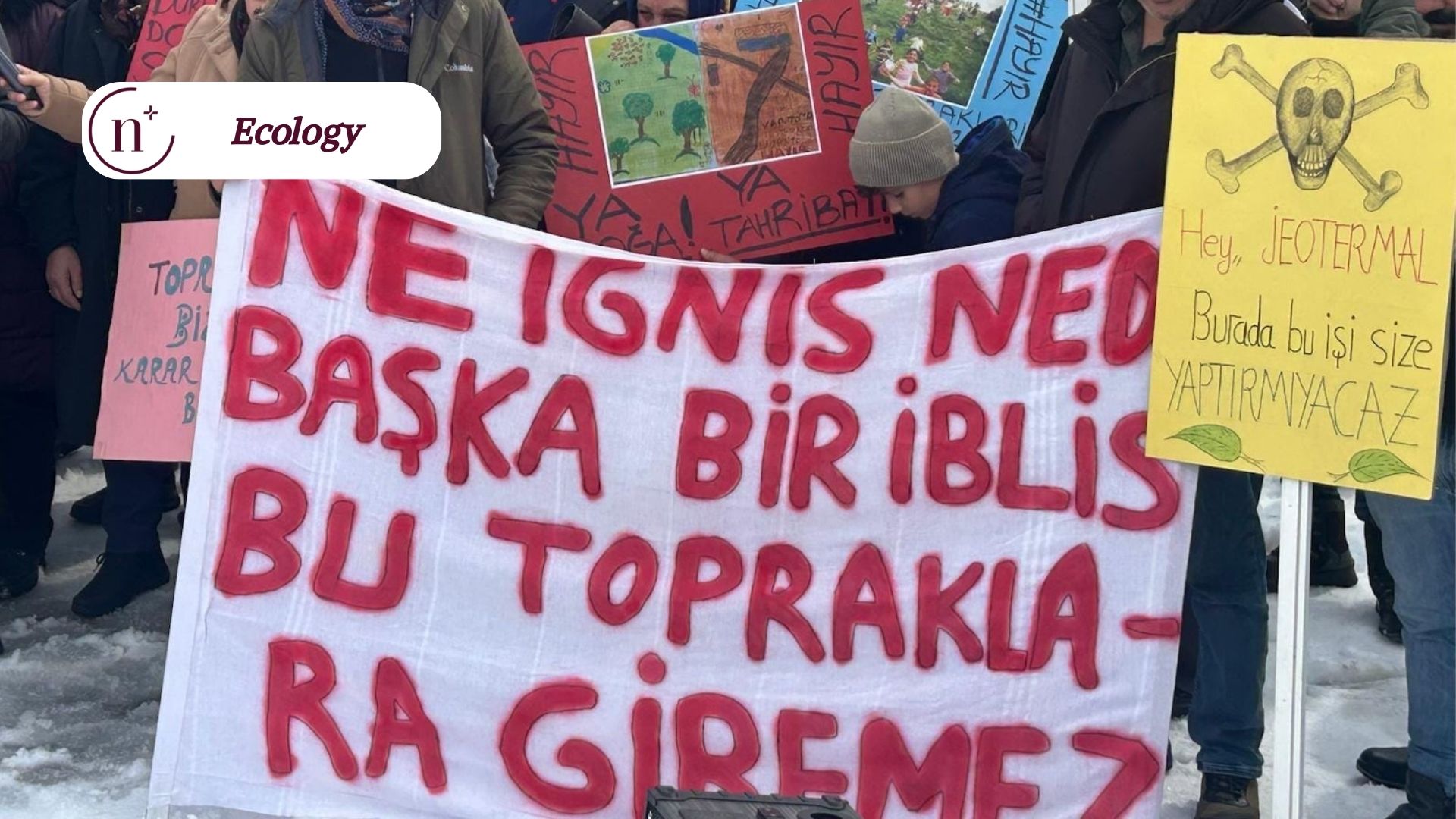
The GPP project is also surrounding Karlıova: The earthquake risk is very high

Speaking about the planned geothermal power plant (GPP) project in the Varto and Karlıova region, Kasım Demiralp, a member of the Kanîrêş Ecology Platform, said: “Our goal is to provide the public with accurate information and raise awareness.”
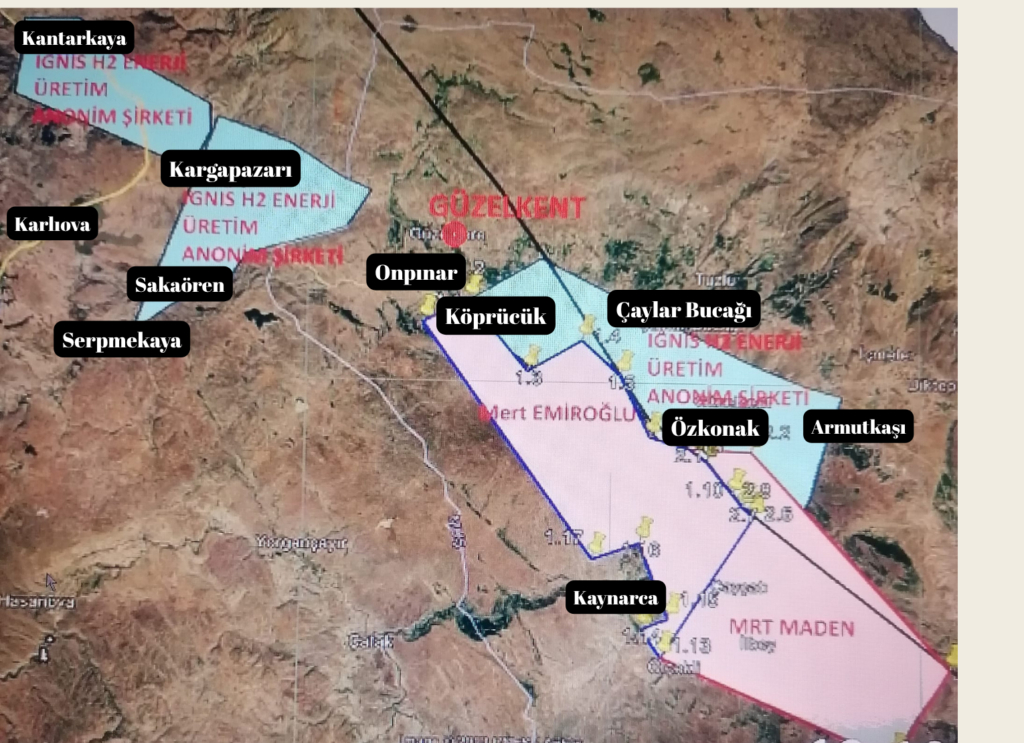
The area where the Ignis company plans to operate in Varto and Karlıova is shown.

The people of Varto and Karlıova are protesting the approval of the geothermal power plant (GPP) project that Ignis plans to implement in Varto (Gimgim) and Karlıova (Kanîrêş), as the project crosses the Varto-Karlıova fault line and is expected to have negative ecological impacts.

The Karlıova Ecology Platform has been established to oppose the Geothermal Power Plant (GPP) project planned for six villages in the Karlıova district of Bingöl. The platform continues its activities with the aim of fighting against the destruction of nature in the region and GPP projects.

Speaking to Niha+ about the GPP project, which also covers the Karlıova region, Kasım Demiralp, a member of the Kanîrêş Ecology Platform, shared his views.

Demiralp stated that the purpose of establishing the Kanîrêş Ecology Platform is to protect nature and habitats in the region, as well as to bring together the people and villagers of Karlıova to provide them with accurate information and raise their awareness:

“We also aim to develop a culture of collective struggle and decision-making against those who threaten our lives. Taking the necessary legal steps, initiating legal proceedings with lawyers experienced in protecting ecology and wildlife habitats, and simultaneously working to develop the people’s unity and solidarity; our priority is to oppose activities carried out for investment purposes in our natural habitats.”

“We are building on the experiences of the resistance in Licik”

Referring to the planned exploitation of the streams and nature in the village of Kaynarpınar (Licik) in Karlıova last year, Demiralp spoke about the platform’s plans for the near future regarding the Ignis company’s geothermal power plant project:

“We are drawing on the experiences of our friends in the village of Kaynarpınar, Karlıova, who have shown their opposition to this destructive mindset through both legal means and their struggle to build a life where we can all live together. In this regard, we plan to properly inform the villagers through meetings and announcements, create broad public awareness, and secure everyone’s support on this issue.”

Demiralp, noting that no efforts had previously been made in Karlıova to protect the environment and natural habitats—and consequently, the local community lacked a foundation of awareness and organization—said it was important to inform people about what was to come.

The risk of earthquakes in the region is high

Explaining that the most critical aspect of the project is the physical and psychological devastation caused by an earthquake and its aftermath, Demiralp discussed the fault line beneath Karlıova:

“One of the active faults that geologists in Turkey have always emphasized is the Yedisu fault line, known as the North Anatolian Fault (KAF). Karlıova is located at the intersection of the North Anatolian Fault and the East Anatolian Fault (DAF). Drilling geothermal wells on and around active faults, and the extraction and subsequent reinjection of hot water from underground—where the water is pressurized and returned to the ground—carries the risk of triggering an earthquake. All the villages of Yedisu, Karlıova, and Varto face not only an ecological disaster but also the destruction caused by the significant risk of earthquakes. Despite all these scientific facts, this company continues to carry out operations that threaten the lives and livelihoods of the people living here. We will defend our nature, our forests, our springs, our streams, and our lives to the very end and continue our struggle in this direction.”

“We will protect our villages and our mountains”

Demiralp stated that they would fight against this project and thanked everyone who supports their resistance:

“As the people of this region, we have always been here, and we will continue to be here with our nature, our forests, our springs, our streams, our pastures, and our animals. We will always protect and guard our villages, our plains, and our mountains. As we carry out our struggle, we extend our gratitude to the valuable members of the press who voice our concerns, to all the non-governmental organizations that support us, and to the public.”

“Protecting our land is protecting our honor!”

In response to the environmental destruction caused by Ignis H2 Energy Inc., which extends from Varto to Yedisu, the people of Varto and Karlıova have announced that they will unite their efforts.

The recently established Varto Ecology Platform and Karlıova Ecology Platform have prepared a joint urgent appeal to political authorities and the general public against ecological destruction. The urgent appeal reads as follows:

URGENT MESSAGE TO THE PEOPLE OF BİNGÖL AND MUŞ, THEIR REPRESENTATIVES, AND THE ENTIRE PUBLIC

This ancient landscape extending from Karlıova in Bingöl to Varto in Muş and along the Yedisu line is today the target of dirty deals and profit-driven projects being prepared behind closed doors. The licenses that have been obtained and the false reports being prepared are not only handing over our land but also sacrificing our people’s right to live, their future and their natural environment to capital. We are fully aware of the game being played!

These “energy” and “mining” projects being carried out in Karlıova and Varto are operations aimed at displacing the local population and depopulating our pastures. The unity of our people—who have lived side by side as brothers and sisters on this land for centuries, despite their different origins—is the greatest force capable of disrupting these profit-driven games.

Our Call to Our Representatives and Provincial Party Chairs:

Shout out against this plunder from the parliamentary podium! Stop this unlawful process through motions submitted to the Ministries of Agriculture and Energy. The women, youth, and all civil society organizations of Bingöl and Muş: this is not a party issue, but a matter of life and death.

We Will Not Let Them Profit!

Every signature that sacrifices our nature to capital steals from our children’s future. This line of resistance built from Karlıova to Varto will stand as an unshakable fortress against profit, plunder, and the massacre of nature. Protecting our land is protecting our honor!

The project is a death sentence for the local people

Ömer Faruk Hülakü, a member of parliament from Bingöl representing the Peoples’ Party for Equality and Democracy (DEM Party), stated during a press conference held in parliament on March 27 that GPP projects must be halted.

Hülakü noted that the fact that the GPP projects are to be built at a point where the North Anatolian Fault Line and the East Anatolian Fault Line converge makes them a death sentence for the people of Karlıova and Varto:

“Bingöl is the center of seismic activity. Permission is being granted to drill 1,000–2,000 meters deep at the exact point where the North Anatolian Fault and the East Anatolian Fault converge—in the region with Turkey’s most fragile fault lines. How can you present such a project proposal to the public?”
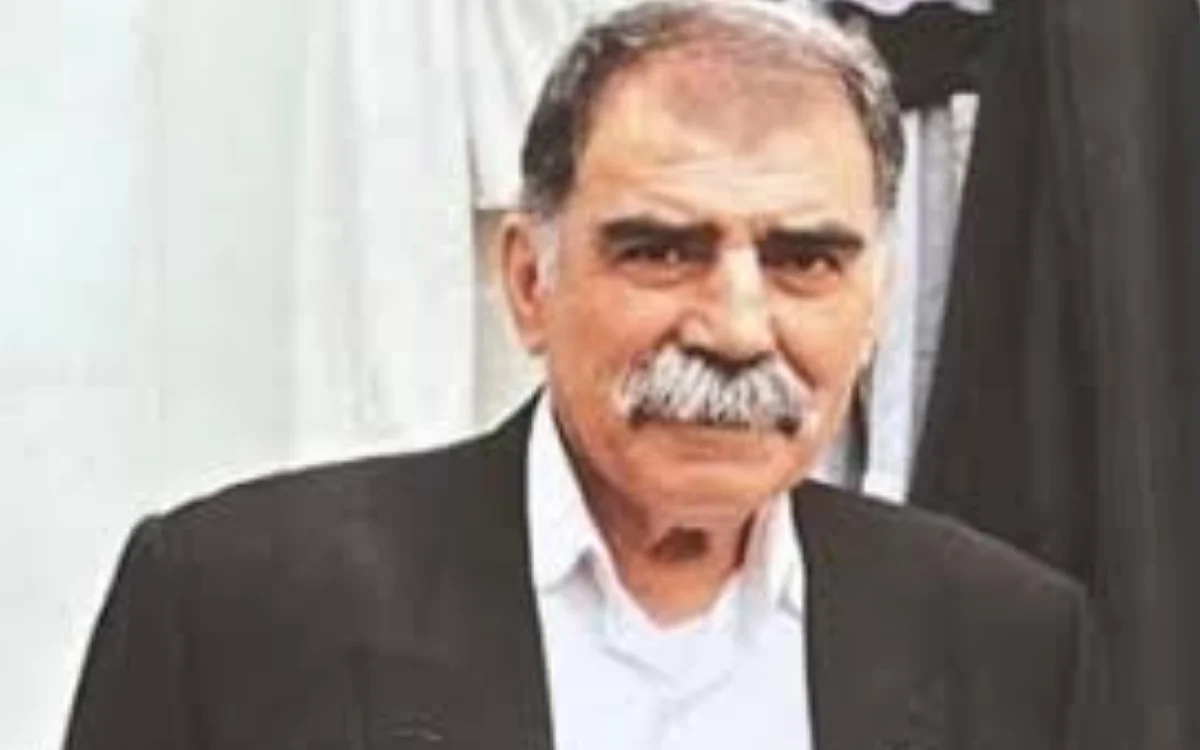
Ill prisoner Taşar has passed away: “The ATK is not objective”

Mehmet Edip Taşar, an ill prisoner whose release had been repeatedly postponed, passed away on March 24. Yıldız, a member of the ÖHD Prison Commission, stated: “Ill prisoners are being left to die.”

Mehmet Edip Taşar, a ill prisoner held at Marmara No. 5 L-Type Closed Prison since December 27, 2022, passed away on March 24 at the hospital where he was receiving treatment.

According to a report by bianet, the Istanbul Bar Association’s Human Rights Center held a press conference in Istanbul’s Beyoğlu district regarding the condition of the ailing prisoner Mehmet Edip Taşar.

Rabia Gündoğmuş, a member of the Istanbul Bar Association’s Human Rights Center, who read the press statement, emphasized that Taşar had dropped to 40 kilograms and that his ability to see, walk, and speak had diminished.

According to a report by İlke TV, on February 26, the Istanbul Branch of the Lawyers’ Association for Freedom (ÖHD) stated that Taşar had been subjected to verbal and physical attacks by doctors during his transfer to the Forensic Medicine Institution (ATK).

The number of ill prisoners in 2025

According to the IHD’s 2025 Report on Ill Prisoners, there are at least 1,412 ill prisoners in Turkish prisons, including 161 women and 1,251 men. According to the report, 335 prisoners are in serious health condition.

Of these, 230 are unable to care for themselves, and 105 require assistance. Additionally, 188 prisoners require constant monitoring due to their illnesses.

The report noted that ill prisoners were not taken to the infirmary in a timely manner, were kept waiting for months for referrals to tertiary healthcare services, and were living in conditions of inadequate nutrition, heating, and hygiene.

In a statement following Taşar’s death, ÖHD noted that despite numerous legal appeals, the ATK had not issued a “cannot remain in prison” report, nor had it granted a stay of execution, despite his health condition.

Destina Yıldız as a member of the ÖHD Istanbul Branch Prison Commission, spoke to Niha+.

Yıldız stated that due to the ATK’s lack of objectiveness and independence, there were inconsistencies in many cases -particularly those involving ill prisoners- regarding the deaths of Mehmet Edip Taşar and all other ill prisoners.

Yıldız, explaining the process of how ATK reports are prepared, continued:

“Specifically regarding ill prisoners, Article 16, Paragraph 3 of Law No. 5275 requires the execution of a sentence may be postponed for individuals for whom a decision has been made based on a report, prepared by the Forensic Medicine Institution or by the medical boards of fully equipped hospitals designated by the Ministry of Justice and approved by the Forensic Medicine Institution, stating that ‘the illness poses a definite threat to life.’ Accordingly, to postpone the execution of a ill prisoner, one must first apply to the prosecutor’s office to arrange for the prisoner’s transfer to a hospital, then obtain a report from the relevant medical board, and either submit this report to the Forensic Medicine Institution for approval or directly transfer the ill prisoner to the Forensic Medicine Institution. Following the examination, the report must be prepared here and approved by the Forensic Medicine Institution, or after the report prepared by the Forensic Medicine Institution, the relevant chief prosecutor’s office must determine that the prisoner “does not pose a threat to public safety.”

“Forensic Medicine Institution reports are not actually being implemented“

Yıldız noted that, considering the circumstances of ill prisoners, reports from the ATK are not actually being implemented.

“Even in cases where the Forensic Medicine Institution issues a report stating that the prisoner ‘cannot remain in prison,’ the prisoner’s release is not carried out by the prosecutor’s offices or the courts. Ill prisoners are sentenced to death due to conflicting reports between the prosecutor’s office, the hospital, and the Forensic Medicine Institution.”

Yıldız explained that the European Court of Human Rights (ECHR) has stated that the continued detention of individuals suffering from a terminal illness or whose health condition is no longer compatible with prison conditions is considered a violation of the prohibition against torture under Article 3.

“Under international and national regulations and judicial decisions, the state is responsible for the health and lives of prisoners in prisons. It is obligated to remove obstacles to prisoners’ rights to treatment and health, and to ensure their access to these rights.”

Ill prisoners are left to death

“Yet today in Turkey, ill prisoners are either not released at all or are not released until they are on the brink of death. Those ill prisoners who are released at this stage lose their lives shortly afterward due to delayed diagnoses and treatments. Ill prisoners are being condemned to death. Mehmet Edip Taşar, a ill prisoner who lost his life, is one such case. The fact that he was not released despite a report from the Forensic Medicine Institute stating he ‘cannot remain in prison,’ and was instead condemned to death, is the clearest indication of the state’s approach toward political prisoners and ill prisoners.”

Criticism of censorship at the Istanbul Film Festival

When the queer film selection, which the organizers had announced would be included in this year’s program, will be once again excluded from this year. Filmmakers and cultural and arts workers renewed their call for a boycott.

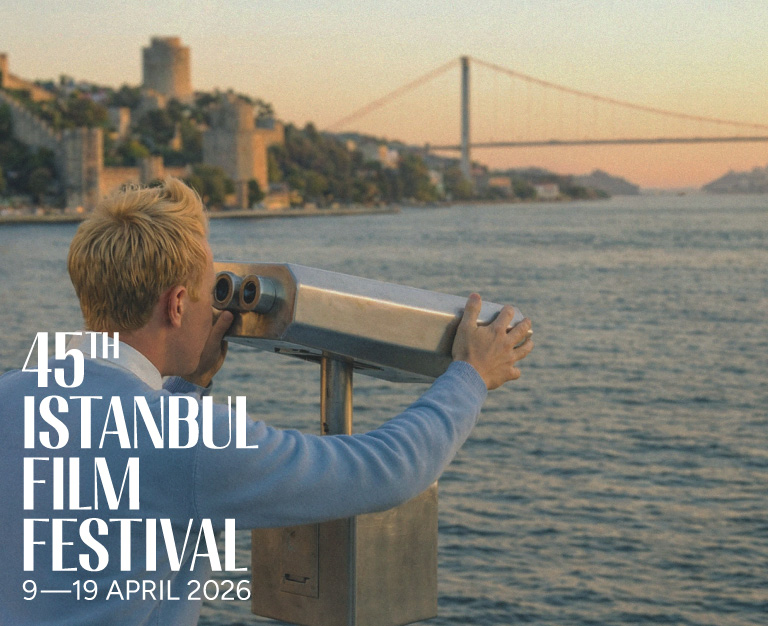
The program for the 45th Istanbul Film Festival organized by the Istanbul Foundation for Culture and Arts (İKSV), was announced.

In addition to three competitive sections—the Golden Tulip Competition, New Perspectives, and the Short Film Competition—the festival will feature six sections consisting of different thematic selections.

The “Neredesin Aşkım?” (“Where Are You, Love?”) section, dedicated to queer films, was not included in this year’s program either, despite statements made by the İKSV on social media following the censorship debates in 2025.

Filmmakers and cultural and artistic workers, who characterized this decision as “censorship,” expressed their outrage toward the İKSV and the festival management. The Istanbul Pride Week Committee has once again called for a boycott of the Istanbul Film Festival this year.

What happenned last year?

The decision to exclude the “Where Are You, Love?” section -which has been part of the festival since 2014 and showcases queer films- from the last year’s festival, had led to criticism from the LGBTQ+ community (such as, Pembe Hayat KuirFest) and certain artists, leading to calls for a boycott of the festival. Following the boycott calls, the festival stated in an Instagram post last year that it planned to include “Where Are You, Love?” in the program again the following year; which

Many artists point out that this decision is a clear act of censorship and is linked to the ruling government’s policies of oppression.

Comments on social media also highlighted that the festival’s decision was part of the Erdoğan government’s policies targeting the LGTBQ+ community under its “Year of the Family” campaign in Turkey.

A 3,000-year-old mosaic says “Haters gonna hate”

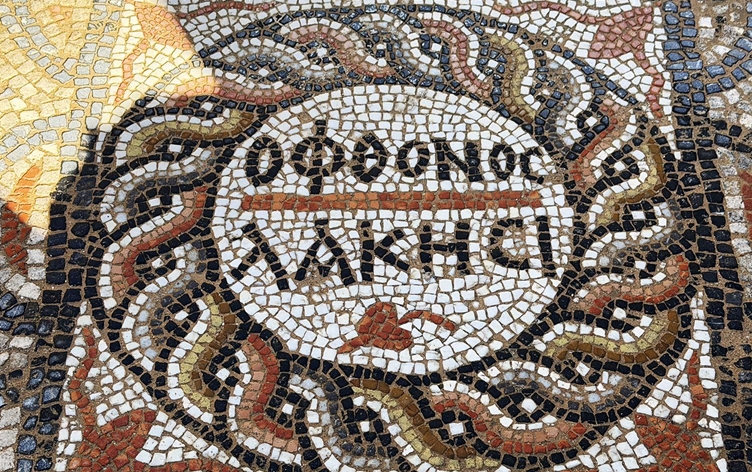
Archeological excavations at the ancient city of Syedra in Antalya uncover a mosaic figure, with the inscription “Haters gonna hate”.

During archaeological excavations at the ancient city of Syedra in the Alanya district of Antalya, Turkey; a mosaic estimated approximately 15 square meters -believed to have been created between the 4th and 6th centuries A.D. and with the inscription “let the jealous burst”, roughly equivalent to “haters gonna hate”- had been discovered.

Excavations are being carried out under the Culture and Tourism Ministry’s Heritage for the Future Project, led by Associate Professor Ertuğ Ergürer.

Excavation Director Assoc. Prof. Dr. Ertuğ Ergürer told an Anadolu Agency (AA) journalist that they had made an important discovery during excavation work being carried out in one of the city’s largest residential structures, which dates back approximately 3,000 years.

The ancient city of Syedra, whose history dates back to the 9th century B.C., is located in the Alanya district of Antalya Province, Turkey, and is known to have been home to numerous empires.

Turkish phrase “Let the jealous burst” is on the mosaic

Noting that what makes the approximately 15-square-meter mosaic unique is the presence of two writings on it, “In the central part of the mosaic, there is an expression meaning something like ‘use it well.’ In the entrance door section of the room, there is a second inscription within a circular border. This inscription also has a somewhat metaphorical meaning. The first word in the inscription means ‘jealousy’ or ‘the jealous one,’ while the second word means ‘cracking’ or ‘bursting.’ It corresponds to the expression ‘may the jealous one burst,’ which we still use (in Turkish) today. Coming across such an expression in the entrance section of a structure built approximately 1,500 years ago was a huge surprise for us.” said Ergürer.

Ergürer explained the AA, that the northern section of the triple building has entrances to the second and third floors, “The structure, which has numerous rooms and a central courtyard in the middle, was in use from the 2nd to the 7th century A.D. During this period, the owners changed, new spaces were added, additional floors were built, and some sections were closed off. In later periods, the entrance area and the upper part of this mosaic-covered section were enclosed. The fact that the mosaic was covered has ensured that it has survived to the present day in such good condition,” he said.

Ergürer noted that they believe the construction to be one of Syedra’s significant residential structures and that excavation and restoration work will continue at certain points of the structure.

The archaeologists aim to uncover new evidence regarding daily life during the late Roman Empire and the early Byzantine period.

The voice of Palestinian resistance passed away

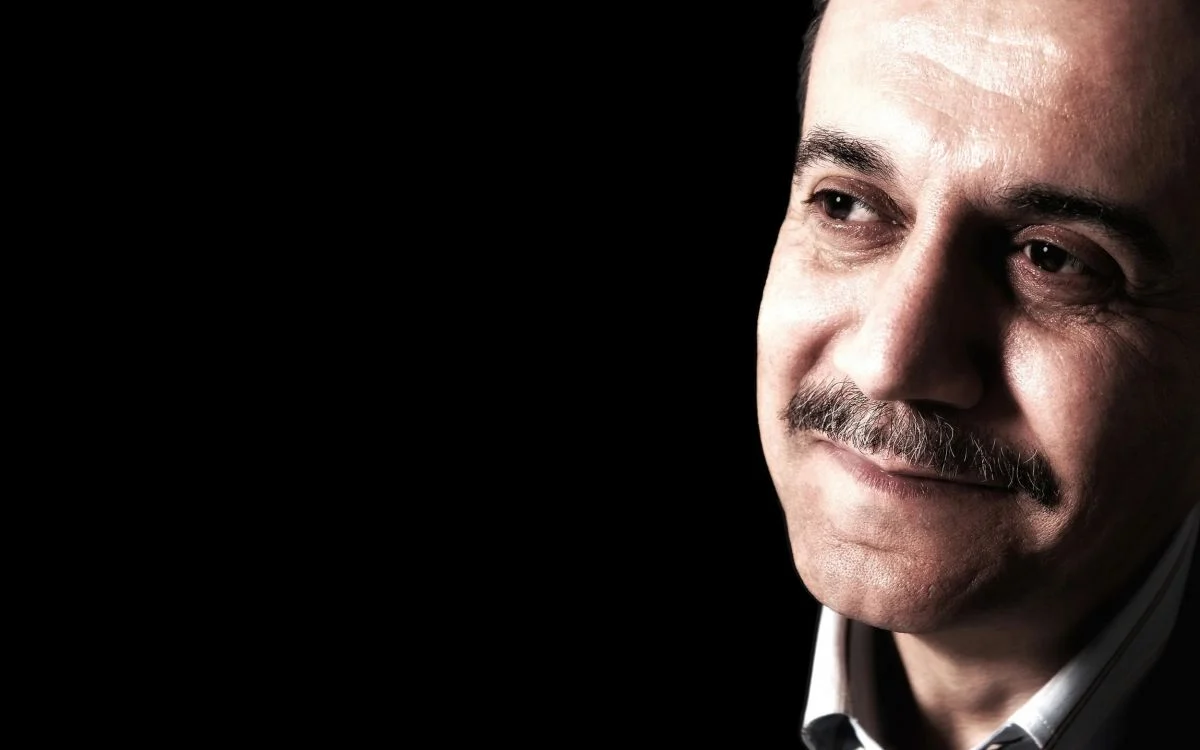
Ahmad Kaabour, the Lebanese artist whose music left an impressure on political and cultural memory amid the shadow of the Lebanese Civil War, has passed away.

Ahmad Kaabour, the Lebanese musician, composer, and actor who set the “Ounadikom” (I call to you) of Palestinian poet Tawfiq Ziad to music, passed away as his family announced on Thursday.

Kaabour, whose father was “Mahmoud Al Rashidi”, one of the first violin players in Lebanon, was born in Beirut in 1955. In the atmosphere of during the outbreak of Lebanese Civil War in 1975, in a city like Beirut that was constantly under attack, he composed and sang his first song “Ounadikom”, poem of the Palestinian poet Tawfiq Ziad.

In 1978, he enrolled in the Theater Department at the Institute of Fine Arts at the University of Lebanon and graduated with a degree in theater.

Kaabour established people’s committees to support his fellow citizens during the Civil War. In this atmosphere of resistance that he gifted the world with his most enduring legacy, “Ounadikom”. While songs like “They Called Me a Refugee”, “Pulse of the West Bank”, and “O Lovers of the Land, Come Forth” gave voice to the resistance of victims of war and displacement.

Throughout his career, Kaabour produced works dedicated to Palestine and the Palestinian cause.

Musical and theatral performances

Starting from 1975, Ahmad Kaabour revived hundreds of concerts and theatres in cultural, educational, and social committees. He is also known by his works of children’s theatre, such as “Lebanese Puppet Theater”. Kaabour also stood out in his acting career, portraying Wadih Haddad, one of the leaders of the Popular Front for the Liberation of Palestine (PFLP), in the film “Carlos”.

According to the information on his website, he performed musical shows in many Lebanese and international festivals, including the Beiteddine Festival, Anjar, Beirut. He also took performances on programs like Future TV.

He also performed concerts lately, titled “Peace to the Children of Gaza” at Beirut Arab University in 2023 and “Gaza’s Sounds of Resistance” at the Al Balad Theater in 2025.

His works; included the themes of resistance, Palestinian tragedy, forced displacement, war, exile, identity, and loss, still carry the mourning and resistance across generations.

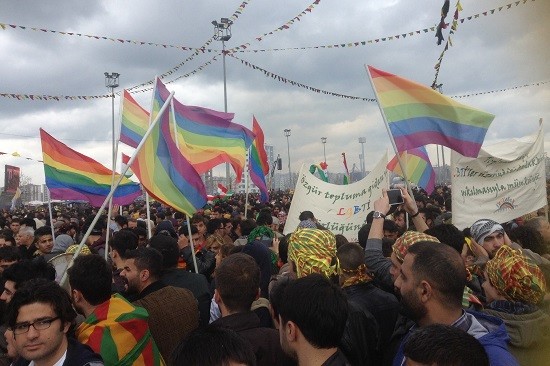
Trans Pride Week: Newroz is all of ours!

The 12th Istanbul Trans Pride Week called on many organizations and institutions during Newroz: “We are part of the memory, resistance, and rebellion of these lands.”

Photo: KaosGL

The 12th Istanbul Trans Pride Week announced that, like every year, they will be present at the Newroz celebrations in Istanbul with trans and LGBTQ+ flags.

Trans Pride Week called on all organizations and groups defending human rights to stand with them against the attacks they have faced at Newroz by unidentified individuals and the police. The call reads as follows:

“Our open call to feminists, workers, revolutionaries, anarchists, activists, defenders of the right to live, institutions, associations, and organizations: Let’s carry trans and LGBTQ+ flags together at Newroz!

Every year, in the Newroz area where we gather together in resistance against the state and its denial policies, we are targeted because of our flags. We are subjected to violence under various male gangs—nurtured by patriarchy and convinced they are the sole subjects of the space. Despite this male violence, which seeks to block our very existence by forming gangs, we will continue to be present in the square and organize.

In previous Newroz celebrations, we faced physical, psychological, and verbal violence as our flags and our very existence were targeted. The same group of men did not even hesitate to attack babies. Just as we stand against the state’s policies of denial and assimilation, we will continue to fight against such acts of violence, intimidation, and gang-like tactics in the Newroz square where hundreds of thousands gather in the name of peace, freedom, and equality. We are lubun, we are trans, we are Kurdish. We exist in the memory, resistance, and rebellion of these lands. Newroz belongs to us too.

We call on our fellow activists to stand in solidarity with us against those who follow the state’s hate policies targeting trans and queer people.

On the streets, at protests, and on Newroz; we call on everyone to wave the lubunya flag with us, and we invite all our friends and organizations to take pride in flying trans and rainbow flags in the streets. This Newroz, we ask you to wave the lubunya flag alongside your own flags in your parades. Our struggle is shared.

Newroz pîroz be!

Bê trans û lubunya jiyan nabe!

Newroz is mine, yours, and all of ours!”

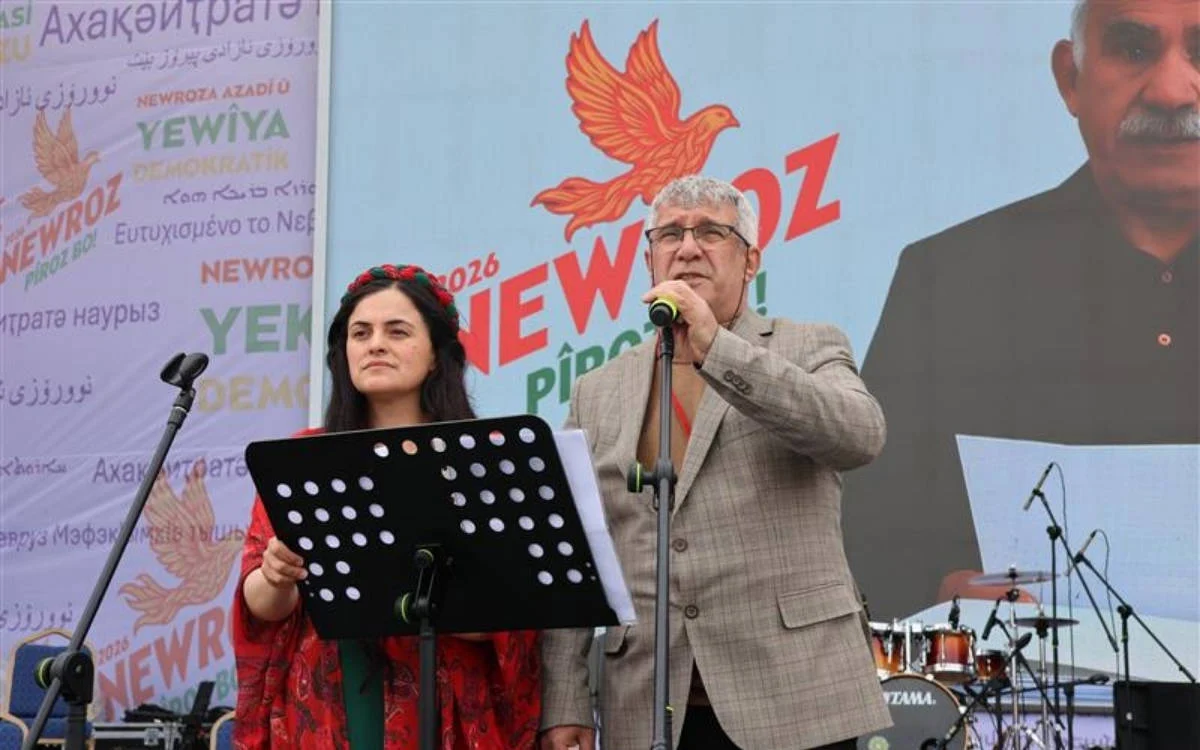
Öcalan’s message read out at Diyarbakır Newroz

Öcalan stated, “The process we initiated on 27 February 2025 aims to revive the foundations of unity in keeping with the spirit of Newroz.”

Mezopotamya Ajansı

Abdullah Öcalan, whose message was read out at the Amed Newroz celebrations, said: “It is in our hands to transform this year into a year of true freedom for all the peoples of the Middle East,” Öcalan also called on people not to “allow the Middle East to be transformed into a battlefield by hegemonic powers”.

Öcalan’s message reads as follows:

“The Newroz epic has been celebrated for thousands of years by the peoples of the Middle East as a festival of resurrection, resistance, and spring. Newroz has revived the spirit of resistance and inspired the resurgence of our peoples.

The symbols and figures of Newroz reflect the spirit of this region. Dehaq is a symbol of a state-based system. The snakes on his shoulders, which devour the brains of two young men every day, embody the brutality of the Assyrian state, while Kawa the Blacksmith is the embodiment of resistance against oppression.

The religious, sectarian, and cultural wars that have been waged in the Middle East for a thousand years are the greatest blow to the culture of coexistence among its peoples. As each identity and each belief attempts to exist by retreating into its own shell and demonizing the others, the rift between our peoples grows deeper. Our shared values and culture are being disregarded, and our differences are being turned into a cause for war.

Today’s insistence on continuing outdated policies in the region has brought disaster. The divisions created by policies of repression, denial, and hostility – particularly in the Middle East – are being used as pretexts for imperial interventions.

While in Europe, three centuries of religious and sectarian wars were resolved with the 1648 Treaty of Westphalia, in the Middle East, the continuation of these conflicts has caused profound tragedies for our peoples. But we can enable cultures and beliefs to coexist once again. It is within our power to transform the war and chaos that is being created in the Middle East into a spring of freedom for the people. We can reverse the tragedies that are being inflicted upon us and create an environment of freedom.

Today, the hidden pages of history are being revealed, and the possibility of peace between peoples and of democratic nation-building is increasing. As Sunni and Shia state traditions and nationalist traditions are overcome, free coexistence between peoples becomes a reality.

Today marks a new chapter. The path has been opened for the peoples of this region to live together freely.

The process we initiated on 27 February 2025 aims to revive the foundations of unity in keeping with the spirit of Newroz.

For this to happen, we need to believe that cultures and beliefs can coexist, that we can transcend narrow nationalist ideologies and unite on the basis of democratic integration, and that we can exist together. As in our history, we must realize that, today, we can overcome all forms of war, poverty, and barbarism.

The 2026 Newroz is the updating of this history in all its splendour. History is unfolding in present, providing an opportunity to reach a consciousness based on true cultural identity.

The meaning and power of Newroz are coming to the fore as a defining force of the present moment. This year’s Newroz celebrations, and those of the years to come, are of historical significance.

The 2026 Newroz is being reborn via its own roots. It is becoming present and taking a major step toward democratic integration: it is becoming Newroz itself.

As in history, Newroz is experiencing a resurgence, asserting its influence in the heart of the Middle East. It is once again playing its role throughout the region as a symbol of democratic integration. This coming into being is already happening and will continue to unfold.

Up until now, Newroz has been celebrated with symbolic values. Today, Newroz represents not a dream or a utopia, but a real, developing communal life. Newroz is the day when we realize ourselves, both mentally and physically.

On Newroz, let us cleanse ourselves of the inadequate relationships and meanings that constantly plague us, and let us embrace life through real relationships, a profound depth of meaning, a new ethics of freedom, and a new aesthetic of understanding.

Let us put the philosophy of “Jin, Jîyan, Azadî” into practice in all our relationships, and achieve a free life. Let us understand that Newroz is no longer simply a moment of hopes, dreams, or theories, but a moment of realization. Let us respond to this moment of realization with a full understanding and a profound depth of meaning.

On the occasion of Newroz, it is in our hands to transform this year into a year of true freedom for all the peoples of the Middle East, and to establish the tradition of friendship and solidarity among peoples. This can be achieved by ending ethnic and religious-sectarian divisions and fratricidal conflicts, and by ensuring the unity of all cultures and religious beliefs on the basis of freedom and brotherhood.

In response to the massive social and ecological collapse created by capitalist modernity, we have developed the solution of democratic modernity, based on democratic politics, ecological principles, and women’s liberation, all rooted in the spirit of freedom of Newroz.

Let us not allow the Middle East – a birthplace of different cultures – to be transformed into a battlefield by hegemonic powers. Today, as in the past, we can overcome, together, the obstacles that prevent this great culture from freely expressing itself and integrating on the basis of its true identity. There is no obstacle we cannot overcome if we leave behind the diseases of nationalism and sectarianism and embrace instead the millennia-old culture of solidarity among our peoples.

With such a spirit of unity, it is possible to bring about a democratic politics. If we want to crown the millennia-long struggle of the oppressed, the place to do so is not in the capitalist environment of the East or the West, but in the truly free environment of the Middle East. In these lands, we can update democratic integration through a genuine coming together and on the foundation of a new humanity, brotherhood, solidarity, and friendship.

I extend my best wishes to our people for the Eid al-Fitr, and hope that it will be an occasion for peace and brotherhood.

The 2026 Newroz is being celebrated, for the first time, by our peoples with the spirit of an ongoing process of democratic integration, as well as peace and brotherhood. I wholeheartedly embrace this spirit and the will it contains. I hope that Newroz, which this year has become truly worthy of being celebrated as a “New Day”, will pave the way for a glorious march in the years to come. I wish peace to all our peoples. I greet you all with love.

Abdullah ÖCALAN

Imralı Prison

Privacy overview

Niha+ respects your digital footprint within the framework of independent journalism principles and reader privacy. While browsing our site, cookies are used to provide you with an uninterrupted reading experience and to secure the technical infrastructure of our platform. You can manage your cookie preferences as you wish by using the menu on the left. For detailed information on how your personal data is processed, please review our Privacy Agreement and KVKK Clarification Text.