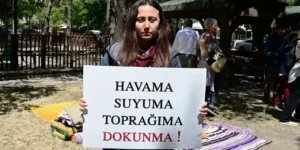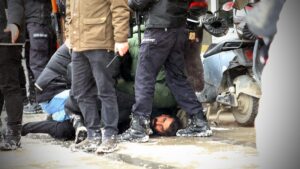
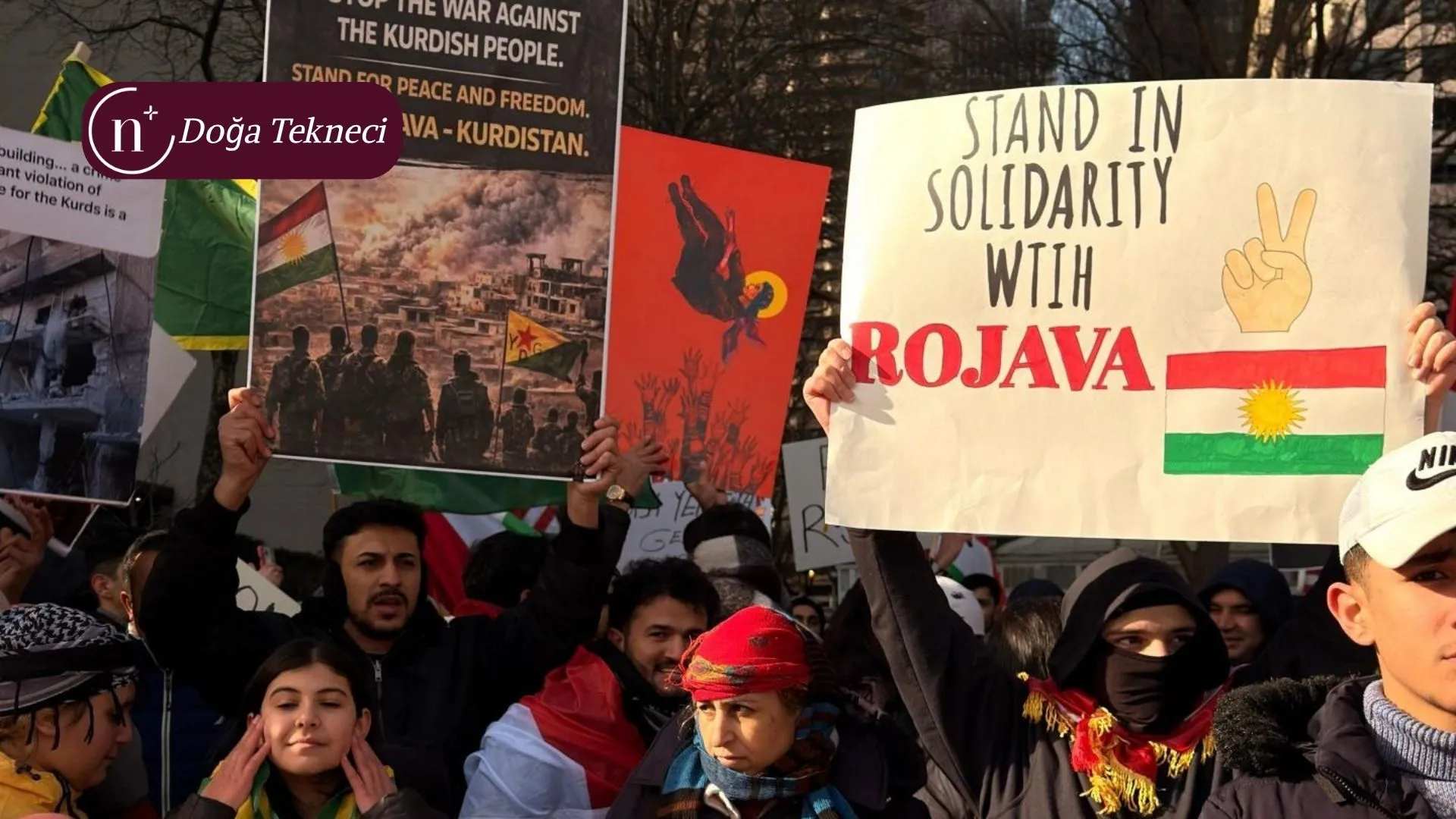
Civan Akbulut, Chair of the Information Center on Anti-Kurdish Racism (IAKR), who stated that racism against Kurds is not officially recognized in Europe, noted that what is not named remains invisible and unpunished. Akbulut, noting that Kurdish asylum seekers face high rejection rates from European countries, said, “ The closer the political rapprochement with Ankara, the harder it becomes to have a Kurdish history of persecution recognised at all.”
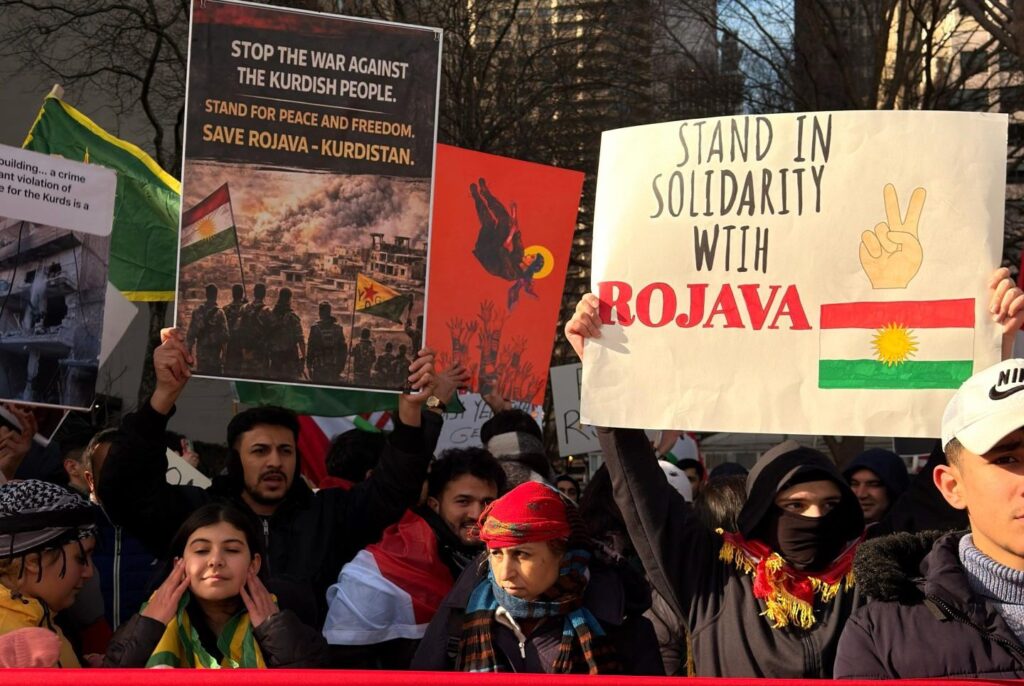
Across Europe, “anti-Kurdish racism” remains one of the least acknowledged yet most pervasive forms of systemic discrimination. While general far-right sentiment and anti-immigrant hostility continue to rise, Kurds living in Europe face a double burden: a broader xenophobic climate as well as transnational persecution influenced by geopolitics and right-wing extremism.
In countries like Germany—home to the largest Kurdish diaspora in Europe, estimated at over one million people—this manifests in daily life, public institutions and on the streets. Incidents range from physical violence by ultranationalist groups to institutional neglect. In recent years, violent clashes and attacks targeting Kurdish community centers, cultural events, and individuals in cities such as Essen, Stuttgart, and Cologne have highlighted the growing threat posed by Turkish far-right networks, most notably the Grey Wolves (Bozkurtlar).
The Grey Wolves movement (Ülkü Ocakları) is decidedly anti-Semitic and anti-democratic and is combatively directed against Kurds, Armenians, Alevis, Ponto-Greek as well as other minorities and opposition members with a connection to Turkey.
Despite these growing dangers, attacks on Kurds are frequently filed simply as “foreign political disputes” or generic “politically motivated crime,” masking the specific anti-Kurdish nature of the violence. Furthermore, the persistent criminalization of Kurdish political expression in Germany is often enforced to maintain diplomatic alignments with Turkey. This criminalization may also cause tragic ends, for example, as the data shown in the press and public opinion, dozens of Kurdish refugees have ended their lives in Germany since 2023.
According to data from the “2024 Report on Anti-Kurdish Racism” presented to the Federal Parliament by the Information Center on Anti-Kurdish Racism (IAKR), which operates in Berlin, the capital of Germany, 217 documented cases of anti-Kurdish racism were recorded in 2024 alone. The report states that 37.8% of the incidents—including political acts, physical attacks, and discrimination (82 cases)—were linked to the symbols and rhetoric of far-right Turkish nationalist groups such as the “Ülkü Ocakları” (Grey Wolves).
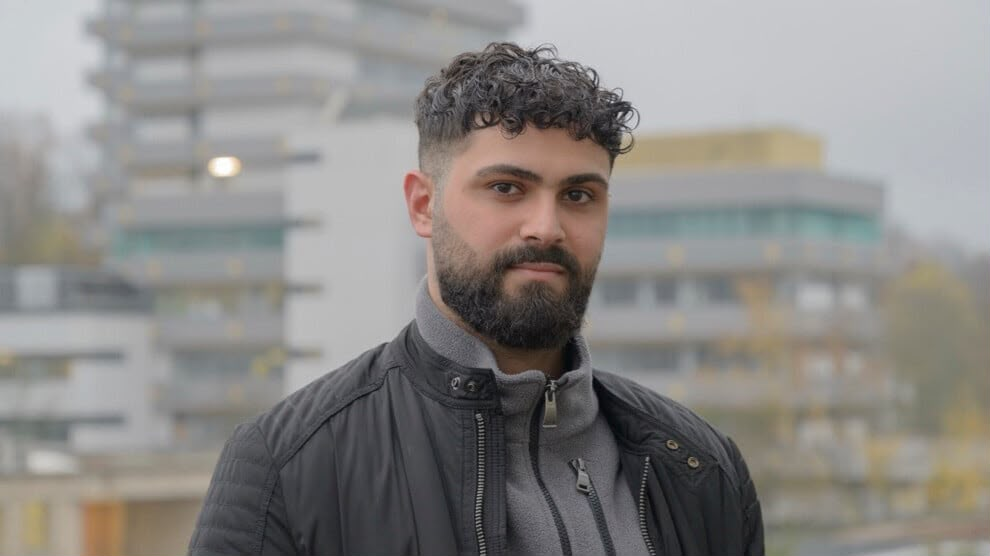
To understand the mechanics of this phenomenon, lawyer and politician and chair of IAKR Civan Akbulut, who pointed out anti-Kurdish racism is a constitutional problem that functions across legal, political, and daily lives in Europe.
“Anti-Kurdish racism reaches everyday life”
According to Akbulut, anti-Kurdish racism begins with the fundamental denial of Kurdish identity, creating a baseline where verbal abuse, threats, and physical attacks become normalized.
Hightlighting that online platforms like TikTok and X have dropped the threshold for open hostility – by becoming almost part of the “normal tone” – which routinely spills over into schools, public offices, and workplaces, Akbulut also stresses that Kurds face a unique layer of risk.
Akbulut says that what is at stake are fundamental rights: Physical integrity in the face of attacks, and protection from discrimination.
“Anyone who visibly identifies as Kurdish has to reckon, in Europe, with none of this being guaranteed to them. Racism as a whole is a growing problem in Europe, one that has increased markedly in recent years. Anti-Kurdish racism is part of this development and intensifies along with it.”
“About 18,000 are attributed to Grey Wolves”
Akbulut points out that this domestic hostility is further interlocked by both European foreign policy, alongside immigration policy, which often overlooks the activities of ultranationalist groups out of geopolitical calculations toward Ankara, effectively allowing transnational racism to operate unpunished within European borders:
“The Grey Wolves are among the largest far-right movements in Germany and Europe; they are extremely capable of mobilising and prone to violence. In Germany alone, roughly 18,000 people are attributed to them, and for this movement Kurds are the central enemy. Added to this is a European politics that, out of geopolitical calculation towards Ankara, looks the other way. When the criminalisation and blanket suspicion propagated by the Turkish government seep, in part unquestioned, into European media, this shifts the public perception of Kurds. Anti-Kurdish racism operates transnationally, but its manifestation is a German and European problem. It takes place here, is permitted and applied by domestic politics, and largely goes unpunished.”
Anti-Kurdish Racism in Germany
IAKR Special Report No. 1 (January 2026) • Key Findings
Key Findings of the Report
According to the Syrian Observatory for Human Rights, residential neighborhoods and hospitals were deliberately targeted during the offensive.
Even the Syrian state news agency SANA acknowledged that at least 155,000 civilians were forced to flee their homes.
The report documents that videos showing the abuse of Kurdish female fighters triggered widespread international solidarity campaigns.
Attacks on detention facilities reportedly enabled ISIS detainees to escape, creating significant international security concerns.
According to the report, military developments in Syria contributed to an increase in anti-Kurdish hate speech and digital attacks in Germany.
January 2026 Timeline
10 January
Following the collapse of negotiations between the Syrian transitional government and Kurdish forces, military operations intensified.11 January
Sheikh Maqsoud and Ashrafiyah were captured. According to the report, 43 people were killed, including 25 civilians.Following Days
Videos documenting torture, executions, and abuse circulated widely on social media, prompting international condemnation.13 January
The offensive expanded into DAANES-controlled areas. Following the attack on Al-Shaddadi Prison, approximately 1,500 ISIS members were reported to have escaped.“Kurds learned to never rely on the state”
Akbulut defined the underlying problem in addressing this discrimination is the lack of official recognition:
“The category is missing, the awareness is missing. Kurdish society is under considerable pressure and is itself subjected to criminalisation, while Turkish right-wing extremists can run their associations and events largely undisturbed, which act as a catalyst against Kurds. This imbalance extends into the authorities themselves. Kurds have historically learned that they could never rely on the state, and this mistrust continues in Europe when complaints come to nothing or threats are not taken seriously.”
Akbulut drew attention to “one of the most powerful, and therefore most dangerous” one is that anti-Kurdish racism expresses itself is criminalisation, because it provides the justification for oppression and violence. “When Kurdish activism is sweepingly placed in the vicinity of ‘terror,’ a climate emerges in which every form of Kurdish self-organisation falls under blanket suspicion. Once someone has been marked as a security risk, almost anything can be legitimised against them” he continued.
Akbulut stated that in Europe, this criminalisation shows in raids on associations, in bans on flags and symbols, and in the fact that talks and events are cancelled on alleged security grounds or venues are withdrawn at short notice. He stressed the outward effect of this is those who constantly have to explain that they are not a security risk never even get to speak about the discrimination they face.
“Criminalisation reverses the roles: those affected are turned into suspects. That is a major problem” he said.
“Asylum assessments are not neutral”
Akbulut explains that Kurdish asylum seekers face exceptionally high rejection rates because European authorities routinely classify Turkey as a “safe country of origin” and falsely claim that Kurds face no group-based repression there. Akbulut, saying “They are granted protection considerably less often than other applicants”, highlighted this is not coincidental but structural:
“In the decisions, the finding recurs again and again that Kurds face no repression in Turkey on account of being Kurdish. This is simply false and contradicts reality, but it provides the basis for rejecting protection claims. These assessments are not neutral. The closer the political rapprochement with Ankara, the more favourable the official evaluation of the situation in Turkey turns out to be, and the harder it becomes to have a Kurdish history of persecution recognised at all. This does not only concern Kurds from Turkey. Kurds from Syria, Iraq and Iran also have a considerably harder time. And above all of this lies the general development. In the face of the shift to the right, agitation and an ever harsher policy of sealing off borders, refugees across Europe find it harder overall to obtain protection. Kurds stand at a point where all of these constrictions converge.”
“Anti-Kurdish racism interplay with sexism”
The impact of this discrimination is particularly severe for Kurdish women, who experience what Akbulut identifies as a textbook example of intersectional oppression. According to Akbulut, the hostility directed at Kurdish identity intersects with structural sexism, creating compounded dynamics of devaluation:
“Anti-Kurdish racism can therefore occur simultaneously and in interplay with sexism, ableism, queerphobia or classism. What is decisive is that these are not merely different experiences of oppression sitting side by side, but that they influence and reinforce one another. With Kurdish women this becomes very concrete: the racist enemy image of Kurds carries over into a devaluation of Kurdish women that is at once racist and sexist. Several logics of devaluation interlock here, and precisely for this reason the intersectional perspective is so important for our work.”
Because anti-Kurdish racism relies on the same core mechanisms as other forms of group-focused enmity—such as institutional neglect and criminalization—Akbulut emphasizes that cooperation is structurally necessary, as he further stated “Racism does not occur in isolation. Anyone fighting racism almost always encounters the same mechanisms that affect other groups too: devaluation, criminalisation, the looking-away of institutions.”
He also drew attention to the Kurdish self-organisation being a long history, since Kurds have learned to help themselves when the state does not, and this is precisely a pattern that many marginalised groups know.
“Consistent anti-racism is needed”
To dismantle these systemic barriers, Akbulut outlines three essential political and legal actions:
“First, anti-Kurdish racism must be recognised as a distinct form of racism. Without a category of its own, authorities, schools and courts cannot even record the relevant incidents, and what is not named remains invisible and unpunished.
Second, what is needed is consistent anti-racism instead of looking away. Racist actors must no longer be allowed to operate unchecked, and the Grey Wolves must be treated as what they are: a far-right movement. This cannot be separated from the larger picture. Anti-Kurdish racism grows in a climate in which racism as a whole is being normalised and the shift to the right is gaining momentum across Europe.
Third, and this is decisive, politics must stop adopting anti-Kurdish narratives itself. When criminalisation and blanket suspicion seep into European administrative practice and media language, racism is not being fought but administered and perpetuated.”