A trans student is under threat of expulsion from dormitory

K. A. Ö., a student at Kocaeli University, said that they were threatened with eviction from their dormitory by the administration because of their trans identity. Lawyer Akpınar emphasized that these actions clearly are a human rights violation. Yılmaz from LGBTQ+ Comission of Human Rights Association said no one can be expelled from a dorm for who they are.
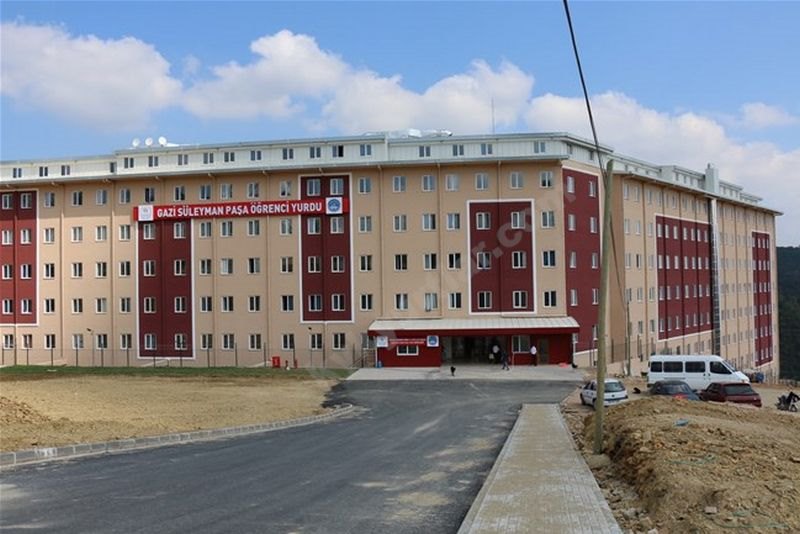
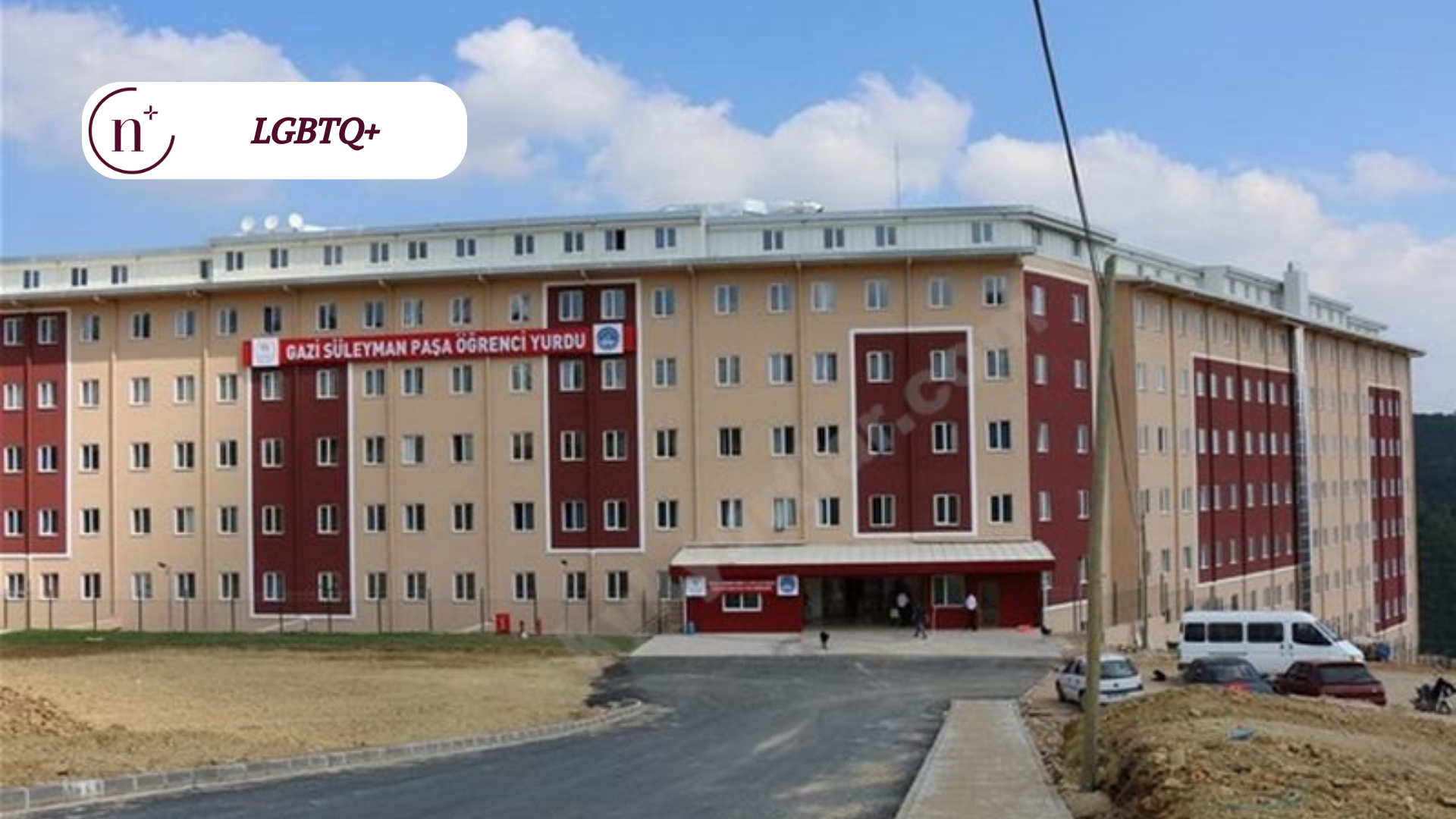
A student at Kocaeli University, identified as K. A. Ö., stated that they were targeted by the administration of the Gazi Süleyman Paşa KYK Male Student Dormitory where they reside, due to their transgender identity.

K. A. Ö. said that the dormitory administration had repeatedly called them in for meetings over this issue and threatened them with expulsion if they did not comply with the warnings. They also explained that their family had been contacted and warned by the administration, which increased the pressure on them:

“I have been staying at the Gazi Süleyman Paşa Male Student Dormitory since September 14, 2025. The way I express my gender identity has, for some time, become an excuse used by the administration to avoid dealing with real issues. I was first warned about this on January 29, 2026. The director personally told me that ‘dressing like a woman’ was against the dormitory rules. I was told that if I wanted to behave this way, I would not be able to stay in the dormitory and would need to rent a separate house. I told the administration that I am in a gender transition process at the hospital and that if they had objections, they should discuss the matter with my psychiatrists.”

“I was not told which rule I violated”

Speaking about their meetings with the dormitory administration, K. A. Ö. said that they examined the KYK regulations and presented them to the officials. They emphasized that they read the disciplinary provisions one by one to the deputy directors, yet were never informed which rule they had violated:

“I presented the regulation to them and asked which rules I had violated. I read aloud the articles that define acts requiring disciplinary action under Article 22 (Warning), Article 23 (Reprimand), and Article 24 (Expulsion from the dormitory). They tried to explain gender norms to me and how a man should apply ‘acceptable’ makeup. I was not given any written notification.”

“My family was informed without my consent”

K. A. Ö. stated that after a health issue resulting from an accident, the dormitory administration contacted their family. Saying they do not know exactly what was told to their family, but emphasized that information about their private life was shared without their consent:

“Although I am an adult, the administration of the Gazi Süleyman Paşa Male Student Dormitory disclosed my private life and medical process to my father without my consent. At a time when the government places such strong emphasis on ‘protecting the family structure,’ this unlawful action by the administration suddenly destroyed my good relationship with my father and put me in conflict with my family. This situation is the clearest evidence that the so-called ‘family’ discourse is not about real protection, but merely an ideological propaganda tool designed to discipline individuals deemed deviant through family pressure.”

K. A. Ö. stressed that the sharing of their medical interventions and private life violates both the undertaking they signed and laws on the protection of personal data.

Lawyer Akpınar: “These actions constitute rights violations”

Ekin Su Akpınar, the lawyer of K. A. Ö., stated that the incidents involve multiple rights violations and are unlawful.

Reminding that Article 10 of the Constitution guarantees equality before the law regardless of language, race, gender, or similar reasons, Akpınar also noted that under Article 17, any pressure, threat, or coercive practices targeting an individual’s personal integrity are unlawful:

“Intervening in a student’s clothing and threatening their right to housing on this basis creates serious legal issues and rights violations in terms of proportionality and legality.”

Akpınar further stated that contacting the student’s family and sharing personal information without consent constitutes a violation of the right to privacy under Article 20 of the Constitution:

“According to the regulations on disciplinary penalties and procedures, for a disciplinary action to be taken against a student, the alleged act must first be clearly defined, and the student must be granted the right to defense. This process is conducted directly with the student, and the administration’s counterpart is the student. Even if there is a claim that parents were contacted because the individual is a student, it must not be forgotten that these students are legally adults.”

“This is arbitrary interference”

Akpınar emphasized that imposing sanctions based on clothing style or gender identity is not provided for in the relevant disciplinary regulations and is incompatible with the Constitution and international conventions, describing such interventions as arbitrary.

She also stated according to the section on notification of decisions, disciplinary board decisions must be communicated to the student in writing, and that the regulation should fundamentally aim to protect the student’s right to housing:

“Issues such as students’ lifestyles, identities, and clothing are not matters the dormitory administration can intervene in. Contacting the family and exceeding the limits of authority constitutes entirely arbitrary actions and involves rights violations.”

“Trans students are the first to be excluded.”

Cüneyt Yılmaz, a member of the Human Rights Association (İHD) LGBTQ+ Commission, stated that the threat to expel the trans student from the dormitory is not merely an individual incident, it is the result of a structural problem. Highlighting that everyone has the right to housing and education, Yılmaz said that trans students are often the first to be excluded and deemed undesirable.

“Trans students face problems everywhere, whether they are in a process of transition or not, and are subjected to similar discriminatory attitudes in all areas they are present. This is absolutely a violation of rights. It is clear where dormitory administrations derive this boldness from. Even during parliamentary sessions, ruling party parliamentarian have used discriminatory and hateful rhetoric against LGBTQ+ people,” he said. Yılmaz underlined that dormitories, like all public services, must operate without discrimination based on gender or sexual orientation.

Discrimination is a crime

“Just as you cannot exclude a student for being Kurdish or expel them for being Alevi, you cannot do so because they are trans. This is a clear violation of rights and constitutes a crime. Being subjected to discrimination due to an inherent aspect of your existence is inhumane treatment. Discrimination is a crime. Just as institutions are obligated to meet the needs of students with disabilities, they are also required not to create obstacles for trans individuals in transition and to ensure they can stay in the environment of their choice.”

Yılmaz also noted that this atmosphere is not limited to individual institutions, adding: “The rhetoric of institutions such as the government, the Directorate of Religious Affairs, and RTÜK fuels this discrimination. However, responsibility does not lie solely with the government; opposition parties, especially the The Republican People’s Party (CHP), also fail to take an adequate stance on this issue.”
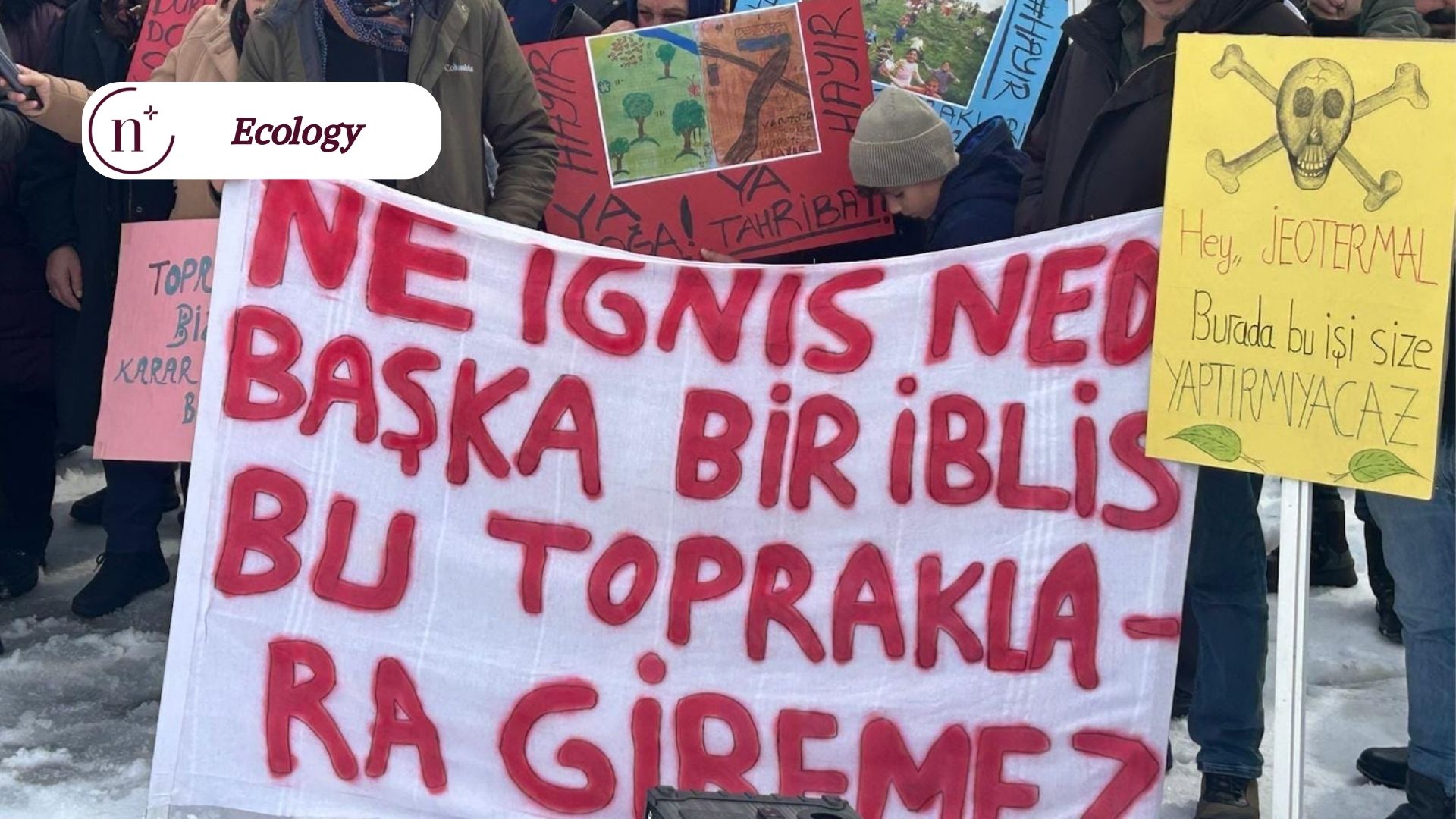
The GPP project is also surrounding Karlıova: The earthquake risk is very high

Speaking about the planned geothermal power plant (GPP) project in the Varto and Karlıova region, Kasım Demiralp, a member of the Kanîrêş Ecology Platform, said: “Our goal is to provide the public with accurate information and raise awareness.”

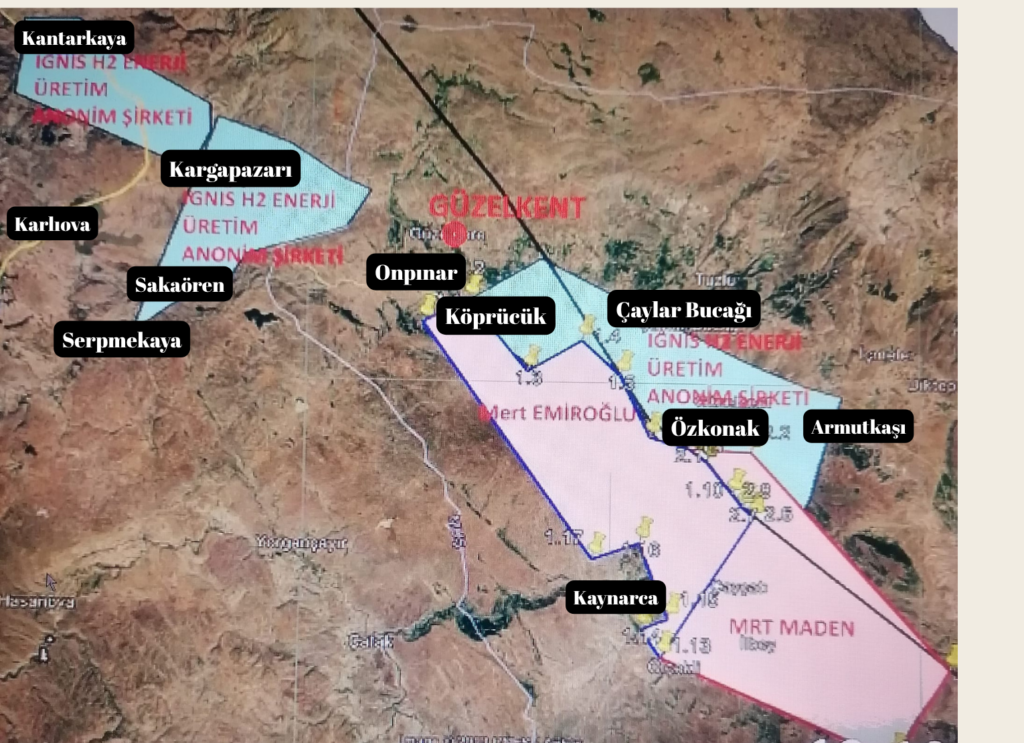
The area where the Ignis company plans to operate in Varto and Karlıova is shown.

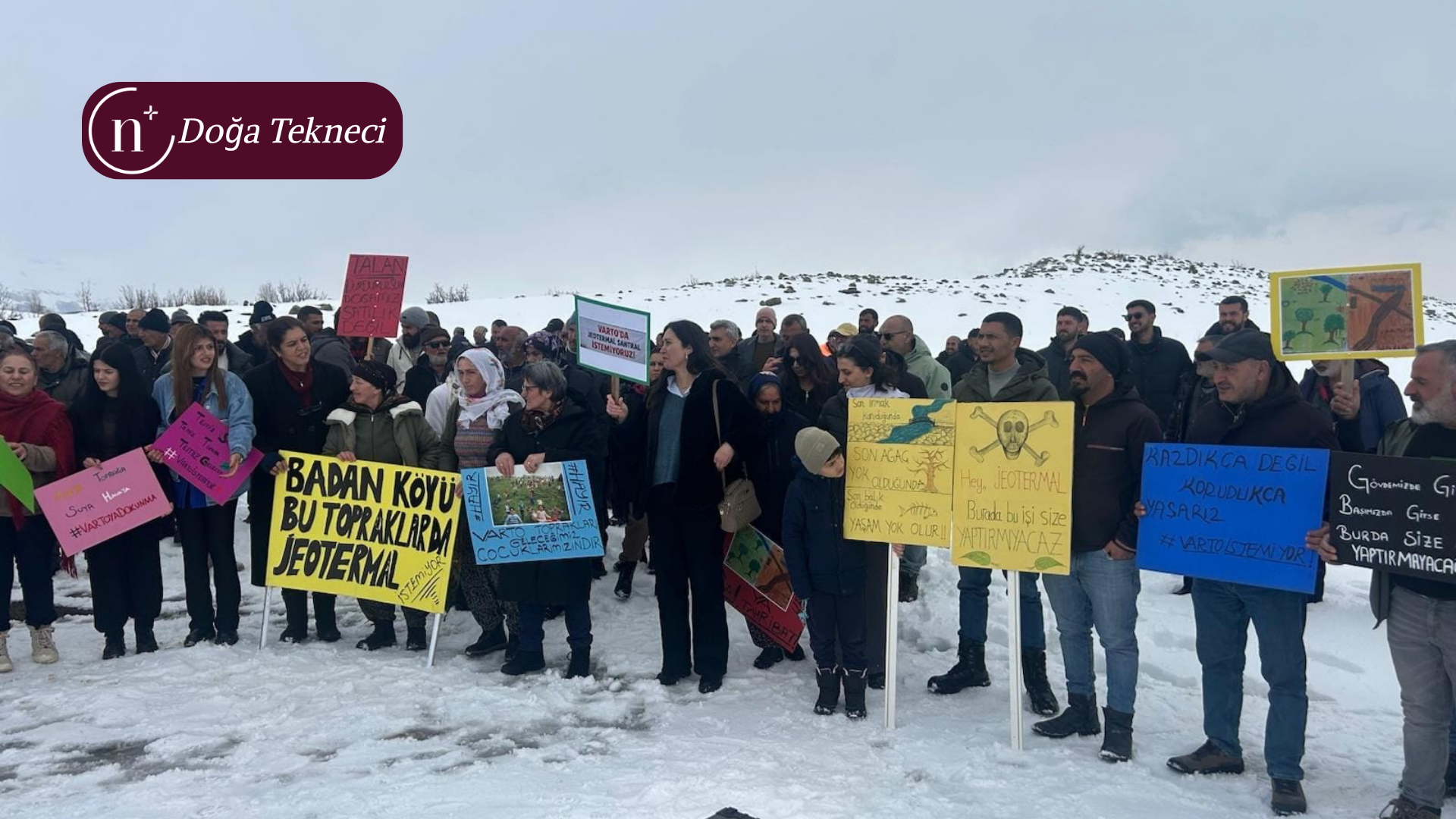
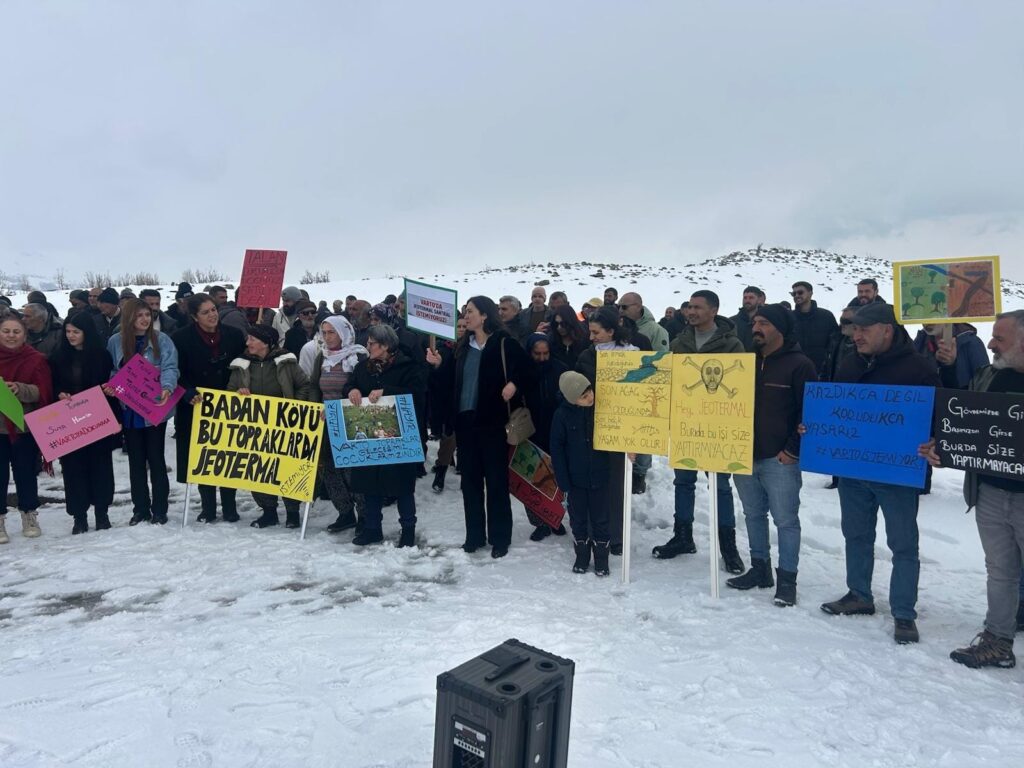
The people of Varto and Karlıova are protesting the approval of the geothermal power plant (GPP) project that Ignis plans to implement in Varto (Gimgim) and Karlıova (Kanîrêş), as the project crosses the Varto-Karlıova fault line and is expected to have negative ecological impacts.

The Karlıova Ecology Platform has been established to oppose the Geothermal Power Plant (GPP) project planned for six villages in the Karlıova district of Bingöl. The platform continues its activities with the aim of fighting against the destruction of nature in the region and GPP projects.

Speaking to Niha+ about the GPP project, which also covers the Karlıova region, Kasım Demiralp, a member of the Kanîrêş Ecology Platform, shared his views.

Demiralp stated that the purpose of establishing the Kanîrêş Ecology Platform is to protect nature and habitats in the region, as well as to bring together the people and villagers of Karlıova to provide them with accurate information and raise their awareness:

“We also aim to develop a culture of collective struggle and decision-making against those who threaten our lives. Taking the necessary legal steps, initiating legal proceedings with lawyers experienced in protecting ecology and wildlife habitats, and simultaneously working to develop the people’s unity and solidarity; our priority is to oppose activities carried out for investment purposes in our natural habitats.”

“We are building on the experiences of the resistance in Licik”

Referring to the planned exploitation of the streams and nature in the village of Kaynarpınar (Licik) in Karlıova last year, Demiralp spoke about the platform’s plans for the near future regarding the Ignis company’s geothermal power plant project:

“We are drawing on the experiences of our friends in the village of Kaynarpınar, Karlıova, who have shown their opposition to this destructive mindset through both legal means and their struggle to build a life where we can all live together. In this regard, we plan to properly inform the villagers through meetings and announcements, create broad public awareness, and secure everyone’s support on this issue.”

Demiralp, noting that no efforts had previously been made in Karlıova to protect the environment and natural habitats—and consequently, the local community lacked a foundation of awareness and organization—said it was important to inform people about what was to come.

The risk of earthquakes in the region is high

Explaining that the most critical aspect of the project is the physical and psychological devastation caused by an earthquake and its aftermath, Demiralp discussed the fault line beneath Karlıova:

“One of the active faults that geologists in Turkey have always emphasized is the Yedisu fault line, known as the North Anatolian Fault (KAF). Karlıova is located at the intersection of the North Anatolian Fault and the East Anatolian Fault (DAF). Drilling geothermal wells on and around active faults, and the extraction and subsequent reinjection of hot water from underground—where the water is pressurized and returned to the ground—carries the risk of triggering an earthquake. All the villages of Yedisu, Karlıova, and Varto face not only an ecological disaster but also the destruction caused by the significant risk of earthquakes. Despite all these scientific facts, this company continues to carry out operations that threaten the lives and livelihoods of the people living here. We will defend our nature, our forests, our springs, our streams, and our lives to the very end and continue our struggle in this direction.”

“We will protect our villages and our mountains”

Demiralp stated that they would fight against this project and thanked everyone who supports their resistance:

“As the people of this region, we have always been here, and we will continue to be here with our nature, our forests, our springs, our streams, our pastures, and our animals. We will always protect and guard our villages, our plains, and our mountains. As we carry out our struggle, we extend our gratitude to the valuable members of the press who voice our concerns, to all the non-governmental organizations that support us, and to the public.”

“Protecting our land is protecting our honor!”

In response to the environmental destruction caused by Ignis H2 Energy Inc., which extends from Varto to Yedisu, the people of Varto and Karlıova have announced that they will unite their efforts.

The recently established Varto Ecology Platform and Karlıova Ecology Platform have prepared a joint urgent appeal to political authorities and the general public against ecological destruction. The urgent appeal reads as follows:

URGENT MESSAGE TO THE PEOPLE OF BİNGÖL AND MUŞ, THEIR REPRESENTATIVES, AND THE ENTIRE PUBLIC

This ancient landscape extending from Karlıova in Bingöl to Varto in Muş and along the Yedisu line is today the target of dirty deals and profit-driven projects being prepared behind closed doors. The licenses that have been obtained and the false reports being prepared are not only handing over our land but also sacrificing our people’s right to live, their future and their natural environment to capital. We are fully aware of the game being played!

These “energy” and “mining” projects being carried out in Karlıova and Varto are operations aimed at displacing the local population and depopulating our pastures. The unity of our people—who have lived side by side as brothers and sisters on this land for centuries, despite their different origins—is the greatest force capable of disrupting these profit-driven games.

Our Call to Our Representatives and Provincial Party Chairs:

Shout out against this plunder from the parliamentary podium! Stop this unlawful process through motions submitted to the Ministries of Agriculture and Energy. The women, youth, and all civil society organizations of Bingöl and Muş: this is not a party issue, but a matter of life and death.

We Will Not Let Them Profit!

Every signature that sacrifices our nature to capital steals from our children’s future. This line of resistance built from Karlıova to Varto will stand as an unshakable fortress against profit, plunder, and the massacre of nature. Protecting our land is protecting our honor!

The project is a death sentence for the local people

Ömer Faruk Hülakü, a member of parliament from Bingöl representing the Peoples’ Party for Equality and Democracy (DEM Party), stated during a press conference held in parliament on March 27 that GPP projects must be halted.

Hülakü noted that the fact that the GPP projects are to be built at a point where the North Anatolian Fault Line and the East Anatolian Fault Line converge makes them a death sentence for the people of Karlıova and Varto:

“Bingöl is the center of seismic activity. Permission is being granted to drill 1,000–2,000 meters deep at the exact point where the North Anatolian Fault and the East Anatolian Fault converge—in the region with Turkey’s most fragile fault lines. How can you present such a project proposal to the public?”

Opposition to the Varto’s GPP: “These lands are entrusted to us by Hızır”

Local residents are protesting the geothermal power plant (GPP) project, which is set to be implemented in an area covering 16 villages and is planned to begin within the boundaries of the village of Xwarik (Çallıdere) in Varto.

In recent weeks, the Provincial Pasture Commission of the Muş Governor’s Office approved a “drilling project as part of a geothermal resource exploration project” to be carried out by IGNIS H2 Energy Production Inc., which directly affects 16 Kurdish-Alevi villages in Varto (Gimgim). The villagers submitted a petition of objection to the relevant governor’s offices regarding this project. The petitions were rejected by the governor’s offices.

Although geothermal energy is a renewable and sustainable energy source, studies have shown that it causes significant ecological damage due to its environmental impacts. Power plants, which are mostly built in areas with villages and agricultural lands, leave the village communities facing the threat of forced displacement. In many provinces, local residents claim that geothermal power plants (GPP), as well as mines and other energy projects, are causing harm to agricultural and livestock activities, water sources, and living areas.

Local residents are voicing opposition to the GPP project, which will be implemented in an area covering 16 villages and will begin within the boundaries of the village of Xwarik (Çallıdere) in Varto.

Alev Yılmaz from the Varto Ecology Platform and Erdoğan Ödük, co-spokesperson for the Mesopotamia Ecology Movement, spoke to Niha+.

Alev Yılmaz from the Varto Ecology Platform stated that the geothermal power plant project threatens the villages, water sources, animals, and places of worship in the region, declaring, “We will not let Varto be taken over.”

IGNIS H2 Energy Production Inc.

IGNIS H2 Energy Production Inc., an American company that opened a branch in Yedisu, Bingöl in 2023 and operates in the Karlıova (Kanîreş) – Varto region; has obtained search licenses in the villages of Kızılağaç (Aynik), Kaynarpınar (Licik), Kantarkaya (Şorik), Ilıpınar (Çêrmûk), and Kargapazar (Qerxabazar), which are part of Karlıova in Bingöl.

The company states it aims to reach 1 GW of renewable energy capacity by 2030, and plans to conduct operations in the Varto-Karlıova region, where the North Anatolian Fault (KAF) and the East Anatolian Fault (DAF) intersect. Currently, the company aims to begin drilling 10 wells in Varto and Güzelkent, and the work it will carry out within an area of 453,494.83 square meters will cover approximately one-third of Varto.

“Who is this Ignis?”

Yılmaz, who has spoken against the projects of a company called Ignis seeking to operate in Varto, stated that they do not believe the company’s claims of “development”:

“Varto has been handed over to profit-seekers. There’s this company called IGNIS—we can barely even bring ourselves to say its name. What is Ignis? Who are they? Where do they come from? Why are they coming? Is IGNIS just saying, ‘I have nothing better to do, so I’ll go develop this distant, poor town of Varto’? Do you think something like that is possible?”

Yılmaz, noting that nothing the people do not want can be in the public interest, explained how the process began by pointing out that no details regarding the project had been shared with the public:

“IGNIS coming here isn’t new but we’re only hearing about it now. That’s the problem here. No one in the village knows anything about it. It’s a very high-handed situation on our land. These are our living spaces, our livelihoods, but the governor and the district governor are making the decisions. Even the current village head hasn’t been told anything to the people. They’ve spoken with the municipality. It’s claimed that very different things were told to the municipality.”

Yılmaz claimed that company representatives had held meetings with local representatives regarding the project, but the actual plans were being kept secret from the public.

“There is someone working for Ignis. They are meeting with the local bureaucrats, the governor, the district governor and the municipality. There is absolutely no mention of a geothermal power plant. They don’t say ‘We’re going to open up your 16 villages, settlements, and center of faith for profit.’ They say there’s hot water, and we’ll identify it. We’ll build thermal hotels, thermal pools and greenhouses. They say the villagers’ heating needs will be met here.”

“It’s impossible for this hot water to heat us.”

Yılmaz said that the company had made various promises to convince the local people but that they did not believe them:

“We won’t die if we don’t eat tomatoes all winter. They say they’ll heat our homes, but definitely we don’t want that either. We’ll heat ourselves with dung. Besides, we get 2.5 to 3 meters of snow here. There’s no way the hot water they’ll send through those pipes can keep us warm.”

They’ve already destroyed Goşkar Baba

Noting that the planned GPP project isn’t just about building a plant, Alev Yılmaz drew attention to the destruction that has already taken place:

“First, they came to us with the hydroelectric power plant. They plundered Goşkar Baba. They shattered the Goşkar villages and our mountains. They trapped our waters. Now they say they’ll build a geothermal power plant. They use fancy words, but we know it won’t be like that. We’re talking about 16 villages and their hamlets. Within these villages we have places of worship, our sacred sites—everything we hold dear. It’s certainly not limited to just 16 villages. We also know they’re after other mines, not just geothermal ones. Right now, who knows how many projects they have in the works that we’re not even aware of. No one is giving us any real information about this.”

Earthquake-prone region

Yılmaz, who reported that drilling is planned to reach a depth of 2500 meters, emphasized that Varto is an earthquake-prone region and that scientists’ warnings must be taken seriously. Yılmaz also reported that given the area’s status as an earthquake zone, a scientist had told them, “Don’t allow something like this.”

“They will destroy endemic species”

Alev Yılmaz, who stated that three drilling wells are planned to be opened in the village Bağdan, noted that this would disrupt the ecological balance in the region:

“When you go 3 km underground, the earth’s soil and mud will come out. There are substances in this mud. These will harm nature. When we ask, ‘What will you do with these?’ they say they’ll award the contract to local authorities. But the local authorities you’re talking about can’t even provide a shovel when we have a funeral. You’ll take them and dump them in Mengel River. There are red-spotted trout, an endemic species, in the Mengel River. You’ll kill them. You’ll disrupt the ecological balance. Here we have lynxes and chukar partridge. They live freely. We don’t touch them. Because all of these are entrusted to us by Hızır.”

In the Alevi faith, Hızır is regarded as an immortal wisdom figure who helps those in distress and those in need, provides relief from suffering, and symbolizes abundance and prosperity. Typically, during the second week of February, a three-day fast (Tuesday–Thursday) is held, rituals are performed, and lokma (kavut) is shared as a prayer for Hızır’s companionship and assistance.

“I want all the women to stand by my side”

Reminding everyone that the Çepanik Plateau, Gundêmîra, Dadina, and İnalı—all part of Varto—have been devastated by mining operations, Yılmaz stated her opposition to the company’s claims that “we will make you rich.”

Yılmaz concluded her remarks by stating that Varto’s ecology and cultural values must be protected:

“I’m afraid of snakes. I want to be afraid of snakes every day. I don’t want the bears to leave here. I want all women to stand by me as I continue this struggle. I want everyone to hear our voices. When they cut down Goşkar Baba, Grêboxa, Şehîdê Qawax, and Şehîdê Ciran, we’ll have nothing left. Let’s not abandon Varto. This is our village, our homes. If we withdraw our hands from Varto, Hızır will leave us too.”

Ödük: Projects will affect a wide geographical area

Erdoğan Ödük, Co-Spokesperson of the Mesopotamia Ecology Movement, stated that the Muş Ecology Platform has been established, noting that it was formed through the merger of organizations active in the region, such as the Varto Ecology Platform and the Goşkar Ecology Association.

Ödük expressed that the planned projects will affect not only Varto but a wide geographical area:

“Ultimately, this issue is not just Varto’s problem; it is a regional problem. There is currently a situation in the region where a geothermal energy field stretching from Varto to Karlıova and Bingöl Yedisu is being handed over. Last year, we also organized a large-scale protest there, in the Peri Valley.”

Eco-genocide policies have been implemented in the Goşkar Valley for a long time

Ödük emphasized that the eco-genocide policies that have been ongoing for a long time in Muş and the Kurdish regions are not only capital-oriented policies.

“For a long time, it has been claimed that eco-genocide has occurred in this region of Kurdistan during the war, yet even now, both domestic and foreign capital continue to commit eco-genocide in various forms across different areas. This is currently the situation in Varto, Muş. The region has already faced severe ecological destruction due to the Alparslan 1 and 2 dam projects in previous phases. Numerous villages were evacuated. Historical archaeological sites were submerged. Following that, there is another hydroelectric power plant (HES) project in the Goşkar Valley, carried out by Çağlar Elektrik in 2002.”

“Ecological destruction is also triggering migration”

Ödük noted that the exploitation in the Goşkar Valley affects not only nature but also social life, and continued:

“The last remaining water in the region is a spring called Ava Spî. Since the people there follow the Alevi faith, this situation is actually triggering migration in the region. These issues are not merely about ecological destruction; they also bring social problems in their wake.”

Companies are trying to break the resistance

“They told the villagers that a permit would be obtained, but they said it might happen or it might not. These are statements intended to break the resistance. However, it is not possible for an American company to come here, conduct no research, hand over 4 million dollars—which is the minimum cost of drilling—and then just open the well and leave.”

Success will be achieved if the area of resistance is expanded

Explaining that this is not merely a local issue, Ödük outlined the regional solidarity efforts they will carry out together with the people. Noting that village meetings and awareness-raising activities are ongoing in Varto, Ödük said they have also held meetings with members of parliament.

Unity of action in Varto

Emphasizing that the people’s role is decisive in the ecological struggle, Ödük highlighted that the plundering policies implemented in Kurdish provinces are based on more cultural and social factors compared to those in the West.

“The forests of the Black Sea are our too. The forests of India are our forests. But the difference is this: The current situation in the West revolves around a capital-centered dynamic. Here, the issue is not just capital. We saw this clearly with the Alpaslan 1-2 dams. We saw it with the dam planned for the Nerbüş River in Cizre. We saw it in the villages displaced as part of the GAP project. We saw it in the massive Ilısu Dam, in the destruction of Hasankeyf, and in the erasure of cultural memory. This situation is not merely a problem for the peoples living in Kurdistan.”,

Ödük stated that international and local environmental organizations must pay greater attention to the ecological destruction in Kurdish regions.

“We’ve managed to raise our voices for both the forests of the Black Sea region and the Kaz Mountains. Our friends are also working there to protest against the pesticides used in the Çukurova region. This nature is our shared living space. Once it’s gone, neither ideological divisions nor ethnic origins nor cultural distinctions will remain. Therefore, ecology organizations in the West must also approach Kurdistan in this way. In other words, when this place is gone, when it is devastated, they too will suffer the consequences.”

Varto Ecology Platform made press statement

Varto Ecology Platform issued a press statement on March 7, and DEM Party parlamenterian Sümeyye Boz Çakı also expressed her support for the platform members.

Ill prisoner Taşar has passed away: “The ATK is not objective”

Mehmet Edip Taşar, an ill prisoner whose release had been repeatedly postponed, passed away on March 24. Yıldız, a member of the ÖHD Prison Commission, stated: “Ill prisoners are being left to die.”

Mehmet Edip Taşar, a ill prisoner held at Marmara No. 5 L-Type Closed Prison since December 27, 2022, passed away on March 24 at the hospital where he was receiving treatment.

According to a report by bianet, the Istanbul Bar Association’s Human Rights Center held a press conference in Istanbul’s Beyoğlu district regarding the condition of the ailing prisoner Mehmet Edip Taşar.

Rabia Gündoğmuş, a member of the Istanbul Bar Association’s Human Rights Center, who read the press statement, emphasized that Taşar had dropped to 40 kilograms and that his ability to see, walk, and speak had diminished.

According to a report by İlke TV, on February 26, the Istanbul Branch of the Lawyers’ Association for Freedom (ÖHD) stated that Taşar had been subjected to verbal and physical attacks by doctors during his transfer to the Forensic Medicine Institution (ATK).

The number of ill prisoners in 2025

According to the IHD’s 2025 Report on Ill Prisoners, there are at least 1,412 ill prisoners in Turkish prisons, including 161 women and 1,251 men. According to the report, 335 prisoners are in serious health condition.

Of these, 230 are unable to care for themselves, and 105 require assistance. Additionally, 188 prisoners require constant monitoring due to their illnesses.

The report noted that ill prisoners were not taken to the infirmary in a timely manner, were kept waiting for months for referrals to tertiary healthcare services, and were living in conditions of inadequate nutrition, heating, and hygiene.

In a statement following Taşar’s death, ÖHD noted that despite numerous legal appeals, the ATK had not issued a “cannot remain in prison” report, nor had it granted a stay of execution, despite his health condition.

Destina Yıldız as a member of the ÖHD Istanbul Branch Prison Commission, spoke to Niha+.

Yıldız stated that due to the ATK’s lack of objectiveness and independence, there were inconsistencies in many cases -particularly those involving ill prisoners- regarding the deaths of Mehmet Edip Taşar and all other ill prisoners.

Yıldız, explaining the process of how ATK reports are prepared, continued:

“Specifically regarding ill prisoners, Article 16, Paragraph 3 of Law No. 5275 requires the execution of a sentence may be postponed for individuals for whom a decision has been made based on a report, prepared by the Forensic Medicine Institution or by the medical boards of fully equipped hospitals designated by the Ministry of Justice and approved by the Forensic Medicine Institution, stating that ‘the illness poses a definite threat to life.’ Accordingly, to postpone the execution of a ill prisoner, one must first apply to the prosecutor’s office to arrange for the prisoner’s transfer to a hospital, then obtain a report from the relevant medical board, and either submit this report to the Forensic Medicine Institution for approval or directly transfer the ill prisoner to the Forensic Medicine Institution. Following the examination, the report must be prepared here and approved by the Forensic Medicine Institution, or after the report prepared by the Forensic Medicine Institution, the relevant chief prosecutor’s office must determine that the prisoner “does not pose a threat to public safety.”

Forensic Medicine Institution reports are not actually being implemented

Yıldız noted that, considering the circumstances of ill prisoners, reports from the ATK are not actually being implemented.

“Even in cases where the Forensic Medicine Institution issues a report stating that the prisoner ‘cannot remain in prison,’ the prisoner’s release is not carried out by the prosecutor’s offices or the courts. Ill prisoners are sentenced to death due to conflicting reports between the prosecutor’s office, the hospital, and the Forensic Medicine Institution.”

Yıldız explained that the European Court of Human Rights (ECHR) has stated that the continued detention of individuals suffering from a terminal illness or whose health condition is no longer compatible with prison conditions is considered a violation of the prohibition against torture under Article 3.

“Under international and national regulations and judicial decisions, the state is responsible for the health and lives of prisoners in prisons. It is obligated to remove obstacles to prisoners’ rights to treatment and health, and to ensure their access to these rights.”

Ill prisoners are left to death

“Yet today in Turkey, ill prisoners are either not released at all or are not released until they are on the brink of death. Those ill prisoners who are released at this stage lose their lives shortly afterward due to delayed diagnoses and treatments. Ill prisoners are being condemned to death. Mehmet Edip Taşar, a ill prisoner who lost his life, is one such case. The fact that he was not released despite a report from the Forensic Medicine Institute stating he ‘cannot remain in prison,’ and was instead condemned to death, is the clearest indication of the state’s approach toward political prisoners and ill prisoners.”

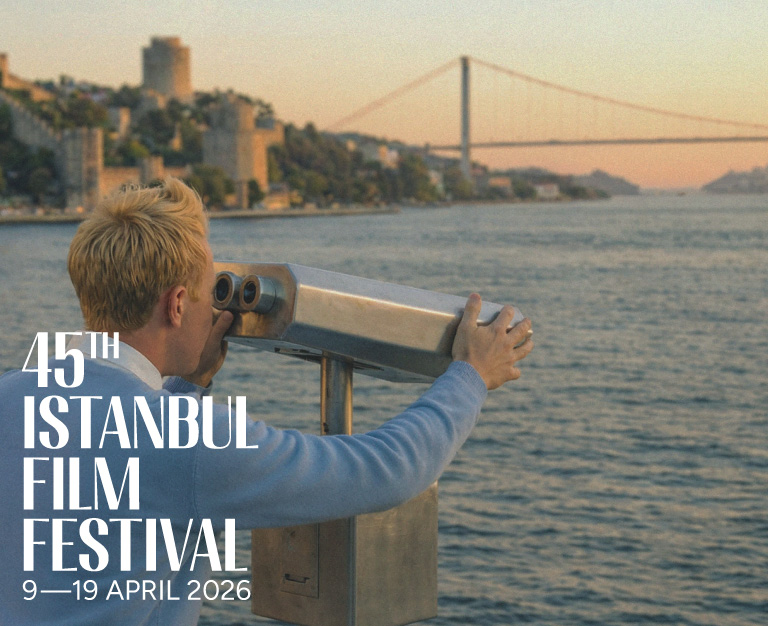
Criticism of censorship at the Istanbul Film Festival

When the queer film selection, which the organizers had announced would be included in this year’s program, will be once again excluded from this year. Filmmakers and cultural and arts workers renewed their call for a boycott.

The program for the 45th Istanbul Film Festival organized by the Istanbul Foundation for Culture and Arts (İKSV), was announced.

In addition to three competitive sections—the Golden Tulip Competition, New Perspectives, and the Short Film Competition—the festival will feature six sections consisting of different thematic selections.

The “Neredesin Aşkım?” (“Where Are You, Love?”) section, dedicated to queer films, was not included in this year’s program either, despite statements made by the İKSV on social media following the censorship debates in 2025.

Filmmakers and cultural and artistic workers, who characterized this decision as “censorship,” expressed their outrage toward the İKSV and the festival management. The Istanbul Pride Week Committee has once again called for a boycott of the Istanbul Film Festival this year.

What happenned last year?

The decision to exclude the “Where Are You, Love?” section -which has been part of the festival since 2014 and showcases queer films- from the last year’s festival, had led to criticism from the LGBTQ+ community (such as, Pembe Hayat KuirFest) and certain artists, leading to calls for a boycott of the festival. Following the boycott calls, the festival stated in an Instagram post last year that it planned to include “Where Are You, Love?” in the program again the following year; which

Many artists point out that this decision is a clear act of censorship and is linked to the ruling government’s policies of oppression.

Comments on social media also highlighted that the festival’s decision was part of the Erdoğan government’s policies targeting the LGTBQ+ community under its “Year of the Family” campaign in Turkey.

A 3,000-year-old mosaic says “Haters gonna hate”

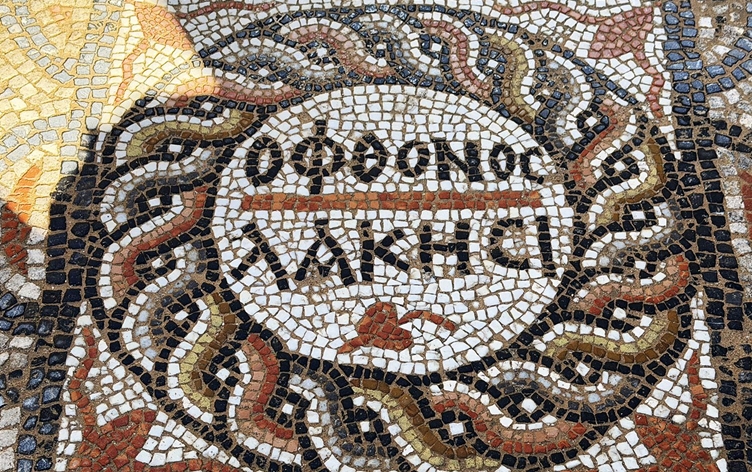
Archeological excavations at the ancient city of Syedra in Antalya uncover a mosaic figure, with the inscription “Haters gonna hate”.

During archaeological excavations at the ancient city of Syedra in the Alanya district of Antalya, Turkey; a mosaic estimated approximately 15 square meters -believed to have been created between the 4th and 6th centuries A.D. and with the inscription “let the jealous burst”, roughly equivalent to “haters gonna hate”- had been discovered.

Excavations are being carried out under the Culture and Tourism Ministry’s Heritage for the Future Project, led by Associate Professor Ertuğ Ergürer.

Excavation Director Assoc. Prof. Dr. Ertuğ Ergürer told an Anadolu Agency (AA) journalist that they had made an important discovery during excavation work being carried out in one of the city’s largest residential structures, which dates back approximately 3,000 years.

The ancient city of Syedra, whose history dates back to the 9th century B.C., is located in the Alanya district of Antalya Province, Turkey, and is known to have been home to numerous empires.

Turkish phrase “Let the jealous burst” is on the mosaic

Noting that what makes the approximately 15-square-meter mosaic unique is the presence of two writings on it, “In the central part of the mosaic, there is an expression meaning something like ‘use it well.’ In the entrance door section of the room, there is a second inscription within a circular border. This inscription also has a somewhat metaphorical meaning. The first word in the inscription means ‘jealousy’ or ‘the jealous one,’ while the second word means ‘cracking’ or ‘bursting.’ It corresponds to the expression ‘may the jealous one burst,’ which we still use (in Turkish) today. Coming across such an expression in the entrance section of a structure built approximately 1,500 years ago was a huge surprise for us.” said Ergürer.

Ergürer explained the AA, that the northern section of the triple building has entrances to the second and third floors, “The structure, which has numerous rooms and a central courtyard in the middle, was in use from the 2nd to the 7th century A.D. During this period, the owners changed, new spaces were added, additional floors were built, and some sections were closed off. In later periods, the entrance area and the upper part of this mosaic-covered section were enclosed. The fact that the mosaic was covered has ensured that it has survived to the present day in such good condition,” he said.

Ergürer noted that they believe the construction to be one of Syedra’s significant residential structures and that excavation and restoration work will continue at certain points of the structure.

The archaeologists aim to uncover new evidence regarding daily life during the late Roman Empire and the early Byzantine period.

What are these “GPPs”?

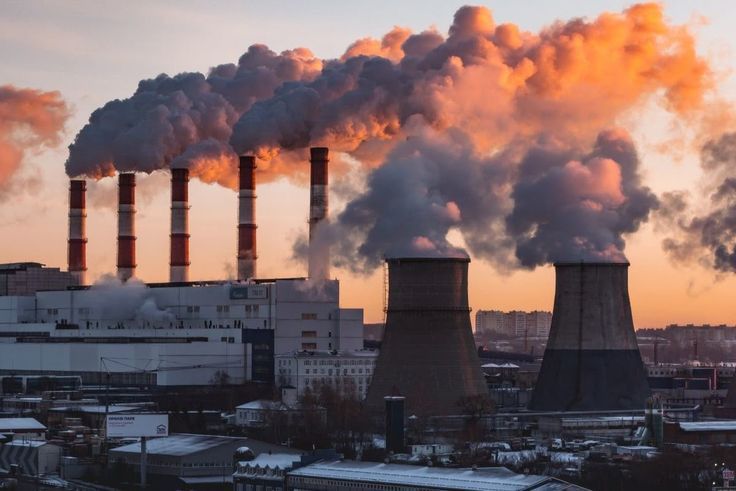
Eventhough geothermal power plants (GPP) are being constructed to provide energy, their ecological impacts are really high.

JES görseli

Photo of GPP.

Geothermal Power Plants (GPP) and Their Ecological Affects

What is Geothermal Energy?

Geothermal energy is the use of hot water and steam found deep within the Earth’s crust, brought to the surface to generate energy.

How is the Energy Produced?

Hot fluid extracted from deep drilling wells spins turbines and generates electricity.

Ecological Risk

Geothermal fluid may include arsenic, boron and various heavy metals. If this fluid mixes with the environment, it can affect water resources and soil. In addition, the heavy metals and gases in the fluid can cause air pollution.

Earthquake Risk: Geothermal fields are often established near active fault lines. Drilling activities and the injection of fluid underground can, in some cases, trigger micro-earthquakes. This phenomenon is referred to in scientific studies as “induced seismicity.”

Substances Found in GPP Fluids

As
Arsenic
Hg
Mercury
B
Boron
CO₂
Carbon dioxite
H₂S
Hydrogen sulphur

Chain of Impact of GPP Projects

Drilling
Deep drilling wells opened for geothermal energy can affect underground geology and water ecosystems by mixing chemicals into water. In addition, the discharge of high-temperature wastewater into rivers can alter mineral concentrations.
Groundwater
When geothermal fluid reaches the surface or when reinjection fails, groundwater may become contaminated.
Agriculture
Changes in water quality and chemical impacts on soil reduce agricultural production. Fig orchards and olive groves in the Aegean region are being damaged.
Livestock
The decline in agricultural production affects feed production. Livestock, a main source of livelihood in Kurdish regions, is therefore a sensitive sector.
Village Life
The weakening of agriculture and livestock affects the rural economy. Gases and heavy metals released into the air increase health problems such as cancer. This situation forces villagers to migrate.
Biodiversity
The expansion of plant areas and the discharge of geothermal fluids lead to the fragmentation of natural habitats. Endemic plant and animal species face the danger of extinction.

Geothermal Power Plants on Fault Lines

Geothermal energy fields mostly form along fracture systems and fault lines in the Earth’s crust. These fractures make it easier for underground hot water to reach the surface. A large portion of geothermal power plant (GPP) projects are concentrated along active fault lines in regions with high earthquake risk.

GPP drilling well GPP drilling well Active fault line Ground surface Earth’s crust

Power plant facilities, pipelines, and generators in high earthquake-risk areas may be damaged or explode. During earthquakes, uncontrolled leakage of geothermal wastewater may occur.

GPP → Soil → Crop yield → Relation of migration

In rural areas, energy projects can affect not only the environment but also the local economy. Considering the forced displacement policies historically experienced in Türkiye—especially in Kurdish regions—economic and social changes can be seen as a result of occupation policies.

GPP Activities
Drilling wells and plant sites spread over large areas.
Soil and Water
Changes in groundwater systems affect agricultural land and food production.
Crop Yield
In Aydın, fig and olive production is at risk. In Kurdish regions, the impact on pasture lands may affect livestock.
Rural migration
Weakening of agriculture and livestock farming can reduce livelihoods and accelerate migration.

How do GPP Projects Progress?

1. Exploration License: Companies apply to provincial governorships or special provincial administrations to obtain a geothermal exploration license.
2. Drilling: Deep wells are opened
3. EIA Progress: An Environmental Impact Assessment (EIA) report is prepared by the Ministry of Environment, Urbanization and Climate Change.
4. Land Permits: Non-agricultural land-use permits are granted by the Ministry of Agriculture and Forestry.
5. Expropriation: In some cases, expropriation may be carried out by presidential decree.
6. Plant Installation: Energy production begins.

Where Are GPPs Concentrated in Turkey?

  • Aegean Reagon: Aydın, Denizli and Manisa host the majority of geothermal power plants in Türkiye.
  • Central Anatolia: Konya and Nevşehir are also among the regions where exploration licenses are granted.
  • Kurdish Provinces: In recent years, geothermal exploration projects have come to the agenda around Muş and Bingöl.

How Large is Kızıldere GPP Area?

The Kızıldere geothermal field in Denizli covers approximately 528 hectares. This corresponds to an area roughly equal to 739 football fields. Across Türkiye, there are about 71 geothermal power plants.

GPP Statistics in Turkey

  • Around 71 geothermal power plant is found across Turkey.
  • 46 of them are located in Aydın.
  • Kızıldere GPP area is approximately 528 hectares.
  • The exploration license area in Tokat covers 36,000 hectares.
Geothermal energy projects are met with opposition from local people in many regions. Due to concerns that agricultural land may be damaged, water resources affected, endemic species driven to extinction, and expropriation processes imposed, local people and ecological organizations are carrying out various forms of resistance and legal struggles. For this reason, the question of whether GPP investments truly serve the public interest continues to be debated in some regions.

Kurds: Present in the headlines, absent in their own voice

A quantitative analysis of international media coverage of Iranian Kurds between February 28 and March 22, 2026, reveals a pattern that speaks less to increased visibility and more to the nature of that visibility: Kurds were covered more — but largely through the voices of others.

Foto: Rudaw

Following the February 28 launch of US-Israeli strikes on Iran, Kurdish political actors entered the international media agenda. The period was further amplified when, on March 5, President Donald Trump told Axios: “If the Kurds want to attack Iran, I think that’s wonderful. I’m totally in favor of it.” That statement turned global attention toward Iranian Kurdish organizations.

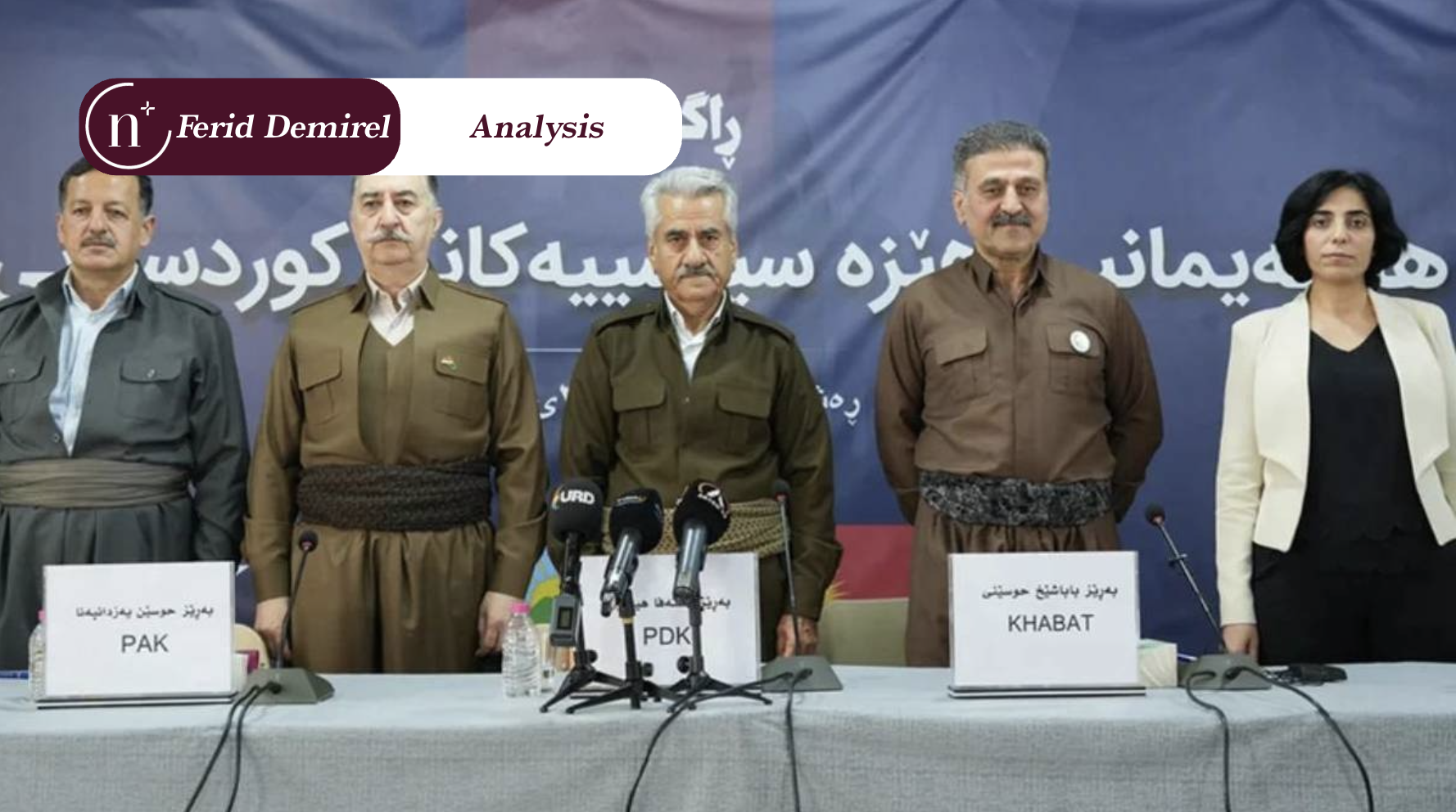
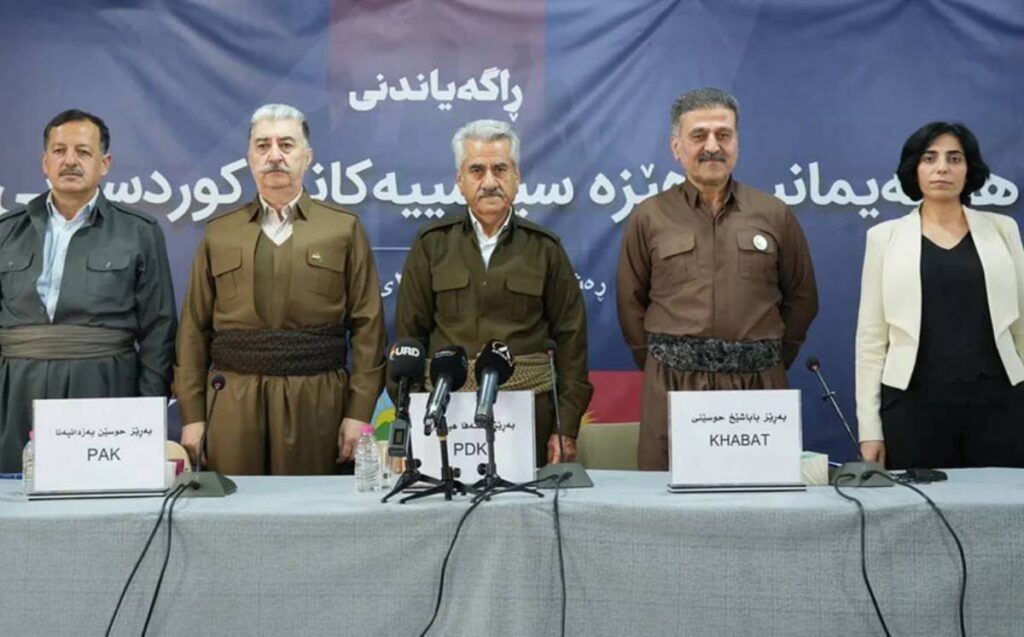
Yet Kurdish groups had already reached an agreement among themselves weeks earlier. The Coalition of Political Forces of Iranian Kurdistan — bringing together PJAK, IKDP, PAK, Komala and Xebat — was formed on February 22, thirteen days before Trump’s remarks. The coalition’s founding drew almost no attention from international mainstream media until Trump spoke. In March, the Komala Party joined, bringing the number of member organizations to six.

Once Trump’s statement focused international attention on the Kurds, coverage surged. Of more than fifty records analyzed, approximately seventy percent were published between March 1 and 8 — the first eight days of the war. Between March 9 and 22, independent Kurdish-focused coverage fell to single digits, with Foreign Policy’s March 17 analysis standing as a near-solitary exception.

The peak came between March 3 and 7. On March 3, CNN was the first to report — citing multiple anonymous sources — that the CIA was working to arm Kurdish forces. That same day, the Wall Street Journal noted that Trump was open to supporting armed militias, with Kurdish forces along the Iran-Iraq border described as holding significant military capacity. Reuters reported, citing three sources, that Iranian Kurdish militias were in discussions with the US about how and where to strike Iranian security forces. On March 5, Bloomberg reported that Israel was working to open the way for Kurdish forces to take positions in northwest Iran, citing a senior Israeli military official. Al Jazeera published a detailed explainer: “Which Kurdish groups is the US rallying to fight Iran?” On March 7, Chatham House published its analysis: “Kurdish groups in Iran face a risky dilemma amid an unclear US endgame.” The Kurdish-focused content published across those five days exceeded the combined total of the two preceding weeks and the two that followed.

Daily news intensity — Iranian Kurds

Feb 28 – Mar 22, 2026 · Estimated distribution based on dataset

Feb 28Mar 8Mar 15Mar 22
High (3+ reports)
Medium (1–2 reports)
Sparse / none

Then, on March 7–8, Trump reversed course. Asked about the possibility of Kurds establishing a new autonomous region in Iran and whether they would join the war, he said: “We’re very friendly with the Kurds, but we don’t want to make the war any more complex than it already is. I’ve decided I don’t want the Kurds going in.”

The conditions Kurdish groups themselves had put forward were central to this outcome. According to Axios, one Kurdish opposition official stated: “We cannot move until the skies above us are clear” — a demand for an arrangement comparable to the no-fly zone that enabled Kurdish autonomy in Iraq after 1991. CNN reported that Kurdish groups also sought political guarantees from the Trump administration before committing to action. Komala Secretary-General Abdullah Mohtadi summarized these conditions to Die Zeit: “We will not send our forces to the slaughterhouse.”

On March 4, Kurdish groups issued a joint denial directly contradicting media reports of a ground offensive. PAK stated: “Claims that our forces have crossed into Rojhilat are baseless. We categorically deny these reports — no such movement took place.” PJAK, PDKI and Komala issued similar statements the same day. The coalition’s first joint communiqué, released on March 2, was not a declaration of military action but a political appeal to Iranian armed forces in Kurdish regions: “Separate yourselves from the remnants of the Islamic Republic.” PDKI President Hijri had stated on March 1: “We will continue our struggle until free and democratic elections are held.” The Kurdistan Regional Government’s Interior Ministry also announced that its territory would not be used as a base for operations against neighboring countries. Trump’s reversal on March 7–8 confirmed that the conditions Kurdish groups had set would not be met.

Independence referendum and Rojava: a comparative frame

Two earlier turning points offer context for understanding Kurdish visibility in international media.

Three periods compared

How Kurds appeared in international media — 2017, January 2026, February–March 2026

Criterion2017 ReferendumJan 2026 RojavaFeb–Mar 2026
Visibility levelHighLowVery high
TriggerKurdish political demandKurdish civilian tragedyInclusion in great-power plans
Dominant frameGreat-power oppositionHumanitarian crisisStrategic instrument
Subject positionPolitical actor (shadowed)VictimObject / instrument
Kurdish voice weightLimitedVery limitedLimited but increased
Civilian dimensionPartly presentRelatively presentAlmost absent
2017Political actor — but in the shadow of international opposition
Jan 2026Humanitarian crisis — but with limited attention
Feb–Mar 2026Strategic instrument — and with great intensity

In 2017, the Kurdistan independence referendum drew extensive international coverage — but structured around the near-unanimous opposition of major powers (the US, Russia, the UK, Turkey, Iran) rather than around Kurdish political demands. An academic study published in the British Journal of Middle Eastern Studies documented that in Egyptian online media, the referendum was framed as “a Zionist plan directed by the US and Israel to redraw the region.” That framing was the dominant pattern across regional Arab media in 2017. By 2026, the dynamic had inverted: Israeli support was no longer presented as a threat but as an operational reality — yet Kurds remained objects of great-power planning rather than subjects of their own story.

In January 2026, the Syrian Transitional Government’s attacks on Kurdish neighborhoods in Aleppo — dozens killed, hospitals struck, tens of thousands displaced — drew comparatively limited international coverage. The gap in intensity and framing between that period and February–March 2026 is stark. What it reveals is a pattern: international media interest is triggered not by violence against Kurds, but by Kurdish inclusion in great-power plans.

The comparative picture across three periods: In 2017, Kurds were covered as political actors — but in the shadow of international opposition. In January 2026, as a humanitarian crisis — but with limited attention. In February–March 2026, as a strategic instrument — and with great intensity. Visibility and subject position took different forms in each period.

Coverage by outlet

US media formed the dominant block. CNN produced at least seven separate Kurdish-focused pieces, five of them concentrated between March 3 and 5. Axios published four reports. Reuters and AP each produced one critical exclusive. US media’s Kurdish coverage intensity outpaced the combined output of all other countries.

Israeli media — Haaretz, Times of Israel, Channel 12, i24NEWS, Ynet — formed the second largest block in both volume and substance, though with a markedly different editorial frame.

Coverage by outlet

Estimated Kurdish-focused report count and dominant editorial frame · Feb 28 – Mar 22, 2026

BlockOutletsEst. reportsDominant frame
USCNN, Axios, Reuters, Bloomberg, WSJ, AP, Fox News, CBS, PBS, WashPost~28Strategic instrument
IsraelHaaretz, Times of Israel, Channel 12, i24NEWS, Ynet~15Allied force
Arab (Eng.)Al Jazeera Eng., Al Arabiya Eng.~6Historical betrayal
EuropeDie Zeit, InsideOver, BBC WS, France 24, Atlantico~5Mixed
Think tanksChatham House, CFR, Atlantic Council, Foreign Policy, FPIF, Soufan~8Analytical
Not reachedFT, Economist, Guardian, Le Monde, NHK, Dawn, SCMP, etc.No access

In European media, BBC Persian’s Jiyar Gol interview with PJAK leadership — conducted inside tunnels near the border — and BBC World Service’s interview with a PAK fighter were the standout pieces. Die Zeit published an interview with Komala Secretary-General Abdullah Mohtadi; the piece’s reach came largely through citations in Chatham House and Al Arabiya. InsideOver conducted the most direct leader interview on the European continent, speaking with PDKI President Hijri on March 8.

Arabic-language media in this analysis was represented only by Al Jazeera English and Al Arabiya English. The Arabic-language services of both outlets, along with Asharq Al-Awsat, Al-Quds Al-Arabi, Al-Araby Al-Jadeed, BBC Arabic, Sky News Arabia, and Gulf media, fell outside the scope of this study.

Who spoke, who was silenced

When all records in the dataset are coded by source type, approximately fifty percent relied on anonymous US or Israeli officials. CNN’s March 3 report cited “multiple people familiar with the plan”; Axios’s March 5 piece cited two separate US-Israeli officials; Reuters’s March 6 exclusive cited three anonymous sources.

Direct interviews with Kurdish leaders totaled nine over 22 days: Abdullah Mohtadi (CNN, IranWire, Die Zeit, Al Arabiya, Atlantico, Newsweek), PJAK Co-Chair Amir Karimi (CNN, Axios, AFP, Al Arabiya), PJAK Co-Chair Peyman Viyan (Channel 12), Khabat Secretary-General Babasheikh Hosseini (Al Jazeera), IKDP official Muhammed Azizi (Fox News), Komala Central Committee member Koosar Fattahi (CBS), PDKI President Mustafa Hijri (InsideOver, CSM). The distribution is telling: Mohtadi received the most direct coverage, while PJAK generated the most reporting — yet PJAK was most often reported through anonymous sources or US officials rather than its own leadership.

Iranian state media’s terminology passed into mainstream international coverage with almost no critical framing: “separatist terrorist forces.” In Al Jazeera’s March 5 report, Press TV’s characterization — “anti-Iran separatist forces” — and the IRGC statement carried by IRNA were presented side by side, directly and without contextual challenge.

Source breakdown: who spoke in the coverage?

Estimated distribution across all records · Feb 28 – Mar 22, 2026

Anonymous US/Israeli official50%
Kurdish leader written statement25%
Direct Kurdish leader interview15%
Iranian state/official sources10%
Thematic focus

Five themes emerge from the dataset.

The US-Israel-Kurdish strategic relationship was the dominant theme, accounting for approximately forty percent of all records. This framing positioned Kurds as objects of the story: coverage focused not on what they were doing, but on what great powers intended to do with them.

Military capacity and ground offensive speculation formed the second major theme — fighter numbers, arms levels, border crossing preparations. The retracted March 4 ground offensive story was this theme’s most concrete and most problematic example.

Historical betrayal and distrust was the third theme, structuring Haaretz’s March 7 analysis, the Chatham House report, the Atlantic Council assessment and France 24’s “pawn” piece.

The predicament of Iraqi Kurds was the fourth theme — the tension between the KRG’s declared neutrality and Iran’s actual strikes.

Kurdish civilian experience and human rights was the most conspicuous absence. Hengaw’s warnings about civilian casualties, strikes in Kurdish cities, women’s organizing — the presence of HPJ received a line or two. HPJ Commander Roken Nereda had not spoken on record to any international outlet before AFP’s March 8 field report.

Disinformation: one story, five outlets

March 4 disinformation chain

The origin, spread and retraction of the “ground offensive launched” story

1

Initial claim

i24NEWS reported — without footage, citing an unnamed CPFIK official — that PJAK fighters were taking positions in the mountains south of Marivan.

i24NEWS · March 4, 2026

2

Rapid amplification

Axios and Fox News ran the same story almost simultaneously. Jerusalem Post also reported similar claims citing an unnamed source.

Axios · Fox News · Jerusalem Post · March 4, 2026

3

Contradictory confirmation

Channel 12 correspondent Barak Ravid first confirmed the report citing a US official, then walked it back the same day: “There are conflicting reports.”

Channel 12 / Barak Ravid · March 4, 2026

4

Joint denial

PAK, PJAK, PDKI and Komala issued a joint denial the same day. KRG official Aziz Ahmed stated: “Not a single Iraqi Kurd has crossed the border.”

PAK · PJAK · PDKI · Komala · KRG · March 4, 2026

5

Retraction

Axios and Fox News removed the stories. The retraction did not reach the speed or scale of the original report.

Axios · Fox News · March 4–5, 2026

Five outlets published or amplified the same unverified claim. Reliance on anonymous sources, the absence of direct verification from Kurdish political actors, and the lack of real-time fact-checking mechanisms were the structural causes of this chain.

March 4 stands as this period’s best-documented media failure. i24NEWS reported — without footage and citing an unnamed CPFIK official — that PJAK fighters were taking positions in the mountains south of Marivan. Axios and Fox News ran the same story almost simultaneously. Channel 12 correspondent Barak Ravid first confirmed it citing a US official, then walked it back the same day: “There are conflicting reports.” All Kurdish parties denied it. Five outlets published or amplified the same unverified claim; the retraction did not reach the speed or scale of the original.

Notes

This study was compiled and organized using data gathered by the Claude AI model.

The analysis focused on English-language content and English-language media outlets. This methodological limitation creates several important gaps.

Non-English-language media fell outside the scope of the study. How outlets such as Le Monde, Libération, Le Figaro, Corriere della Sera, El País, NHK, Dawn, South China Morning Post and The Hindu covered — or did not cover — Kurds during this period was not examined.

Arabic-language media was represented in this study only through Al Jazeera English and Al Arabiya English. The Arabic-language services of both outlets, along with Asharq Al-Awsat, Al-Quds Al-Arabi, Al-Araby Al-Jadeed, BBC Arabic, Sky News Arabia and Gulf media, fell outside the scope of this study.

English-language outlets behind paywalls — the Financial Times, The Economist, and certain Haaretz content — could not be fully accessed. For these outlets, the accurate description is "could not be reached," not "did not publish."

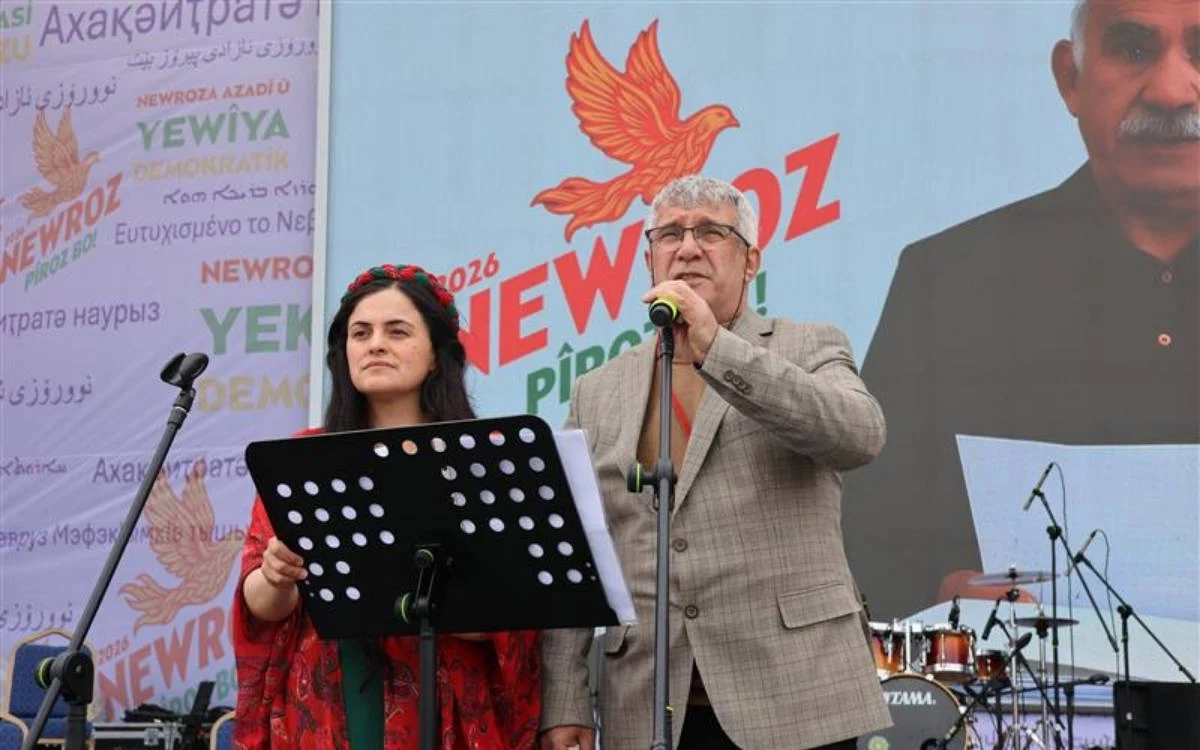
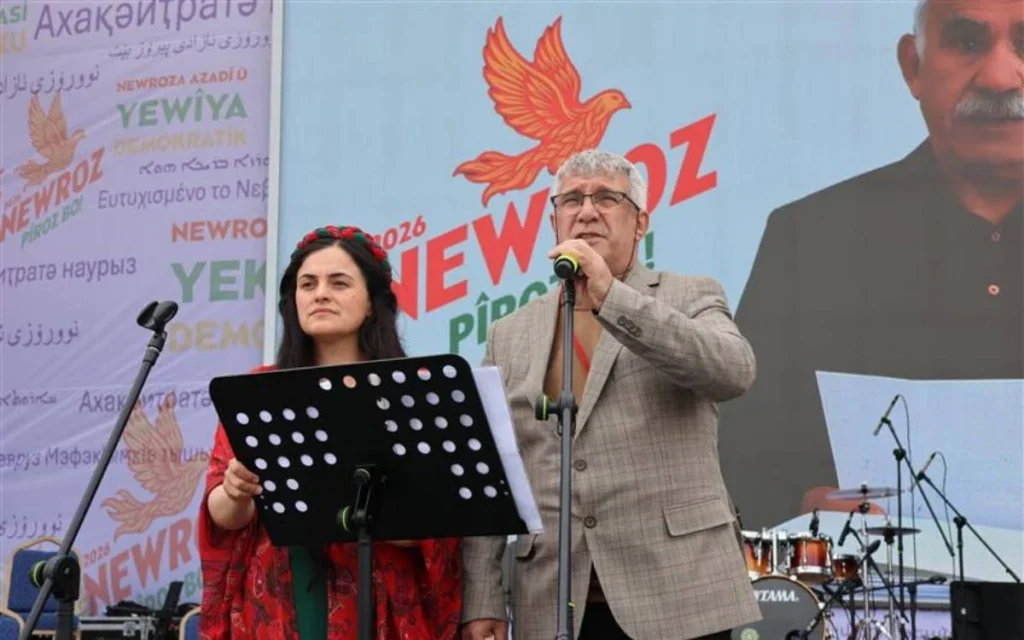
Öcalan’s message read out at Diyarbakır Newroz

Öcalan stated, “The process we initiated on 27 February 2025 aims to revive the foundations of unity in keeping with the spirit of Newroz.”

Mezopotamya Ajansı

Abdullah Öcalan, whose message was read out at the Amed Newroz celebrations, said: “It is in our hands to transform this year into a year of true freedom for all the peoples of the Middle East,” Öcalan also called on people not to “allow the Middle East to be transformed into a battlefield by hegemonic powers”.

Öcalan’s message reads as follows:

“The Newroz epic has been celebrated for thousands of years by the peoples of the Middle East as a festival of resurrection, resistance, and spring. Newroz has revived the spirit of resistance and inspired the resurgence of our peoples.

The symbols and figures of Newroz reflect the spirit of this region. Dehaq is a symbol of a state-based system. The snakes on his shoulders, which devour the brains of two young men every day, embody the brutality of the Assyrian state, while Kawa the Blacksmith is the embodiment of resistance against oppression.

The religious, sectarian, and cultural wars that have been waged in the Middle East for a thousand years are the greatest blow to the culture of coexistence among its peoples. As each identity and each belief attempts to exist by retreating into its own shell and demonizing the others, the rift between our peoples grows deeper. Our shared values and culture are being disregarded, and our differences are being turned into a cause for war.

Today’s insistence on continuing outdated policies in the region has brought disaster. The divisions created by policies of repression, denial, and hostility – particularly in the Middle East – are being used as pretexts for imperial interventions.

While in Europe, three centuries of religious and sectarian wars were resolved with the 1648 Treaty of Westphalia, in the Middle East, the continuation of these conflicts has caused profound tragedies for our peoples. But we can enable cultures and beliefs to coexist once again. It is within our power to transform the war and chaos that is being created in the Middle East into a spring of freedom for the people. We can reverse the tragedies that are being inflicted upon us and create an environment of freedom.

Today, the hidden pages of history are being revealed, and the possibility of peace between peoples and of democratic nation-building is increasing. As Sunni and Shia state traditions and nationalist traditions are overcome, free coexistence between peoples becomes a reality.

Today marks a new chapter. The path has been opened for the peoples of this region to live together freely.

The process we initiated on 27 February 2025 aims to revive the foundations of unity in keeping with the spirit of Newroz.

For this to happen, we need to believe that cultures and beliefs can coexist, that we can transcend narrow nationalist ideologies and unite on the basis of democratic integration, and that we can exist together. As in our history, we must realize that, today, we can overcome all forms of war, poverty, and barbarism.

The 2026 Newroz is the updating of this history in all its splendour. History is unfolding in present, providing an opportunity to reach a consciousness based on true cultural identity.

The meaning and power of Newroz are coming to the fore as a defining force of the present moment. This year’s Newroz celebrations, and those of the years to come, are of historical significance.

The 2026 Newroz is being reborn via its own roots. It is becoming present and taking a major step toward democratic integration: it is becoming Newroz itself.

As in history, Newroz is experiencing a resurgence, asserting its influence in the heart of the Middle East. It is once again playing its role throughout the region as a symbol of democratic integration. This coming into being is already happening and will continue to unfold.

Up until now, Newroz has been celebrated with symbolic values. Today, Newroz represents not a dream or a utopia, but a real, developing communal life. Newroz is the day when we realize ourselves, both mentally and physically.

On Newroz, let us cleanse ourselves of the inadequate relationships and meanings that constantly plague us, and let us embrace life through real relationships, a profound depth of meaning, a new ethics of freedom, and a new aesthetic of understanding.

Let us put the philosophy of “Jin, Jîyan, Azadî” into practice in all our relationships, and achieve a free life. Let us understand that Newroz is no longer simply a moment of hopes, dreams, or theories, but a moment of realization. Let us respond to this moment of realization with a full understanding and a profound depth of meaning.

On the occasion of Newroz, it is in our hands to transform this year into a year of true freedom for all the peoples of the Middle East, and to establish the tradition of friendship and solidarity among peoples. This can be achieved by ending ethnic and religious-sectarian divisions and fratricidal conflicts, and by ensuring the unity of all cultures and religious beliefs on the basis of freedom and brotherhood.

In response to the massive social and ecological collapse created by capitalist modernity, we have developed the solution of democratic modernity, based on democratic politics, ecological principles, and women’s liberation, all rooted in the spirit of freedom of Newroz.

Let us not allow the Middle East – a birthplace of different cultures – to be transformed into a battlefield by hegemonic powers. Today, as in the past, we can overcome, together, the obstacles that prevent this great culture from freely expressing itself and integrating on the basis of its true identity. There is no obstacle we cannot overcome if we leave behind the diseases of nationalism and sectarianism and embrace instead the millennia-old culture of solidarity among our peoples.

With such a spirit of unity, it is possible to bring about a democratic politics. If we want to crown the millennia-long struggle of the oppressed, the place to do so is not in the capitalist environment of the East or the West, but in the truly free environment of the Middle East. In these lands, we can update democratic integration through a genuine coming together and on the foundation of a new humanity, brotherhood, solidarity, and friendship.

I extend my best wishes to our people for the Eid al-Fitr, and hope that it will be an occasion for peace and brotherhood.

The 2026 Newroz is being celebrated, for the first time, by our peoples with the spirit of an ongoing process of democratic integration, as well as peace and brotherhood. I wholeheartedly embrace this spirit and the will it contains. I hope that Newroz, which this year has become truly worthy of being celebrated as a “New Day”, will pave the way for a glorious march in the years to come. I wish peace to all our peoples. I greet you all with love.

Abdullah ÖCALAN

Imralı Prison

Privacy overview

Niha+ respects your digital footprint within the framework of independent journalism principles and reader privacy. While browsing our site, cookies are used to provide you with an uninterrupted reading experience and to secure the technical infrastructure of our platform. You can manage your cookie preferences as you wish by using the menu on the left. For detailed information on how your personal data is processed, please review our Privacy Agreement and KVKK Clarification Text.