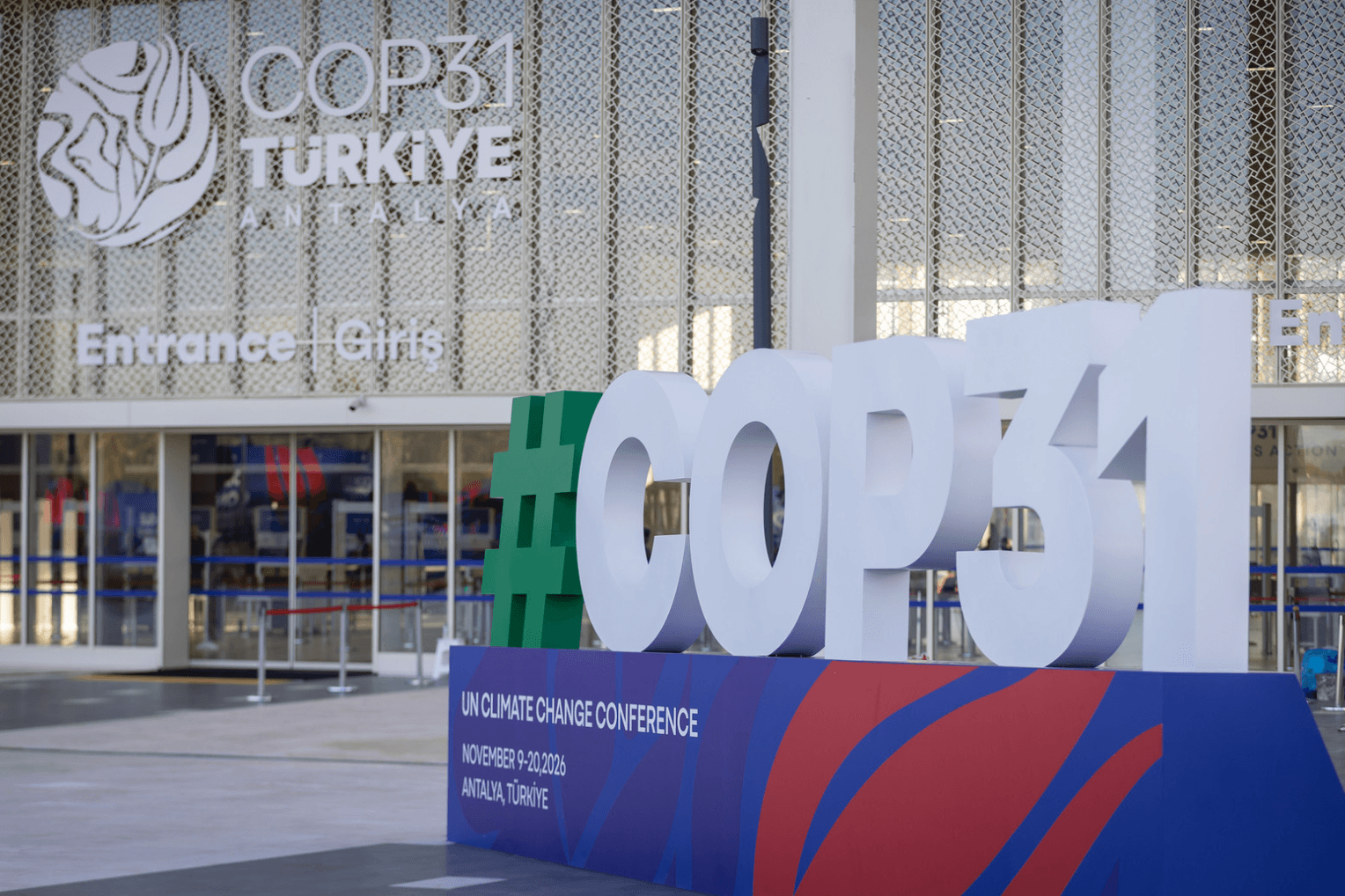
The 31st Conference of the Parties (COP31) to the UN Framework Convention on Climate Change began today in Antalya. While the first day of the summit, which will run until November 20, was dedicated to the themes of food, agriculture, and health, the event has drawn criticism. This follows the inclusion of major conglomerates such as Cengiz, Limak, IC, and Rönesans as “climate supporters” on the official website, as well as the introduction of a “public morality” clause in a declaration that speakers in the COP31 “Green Zone” are being asked to sign.
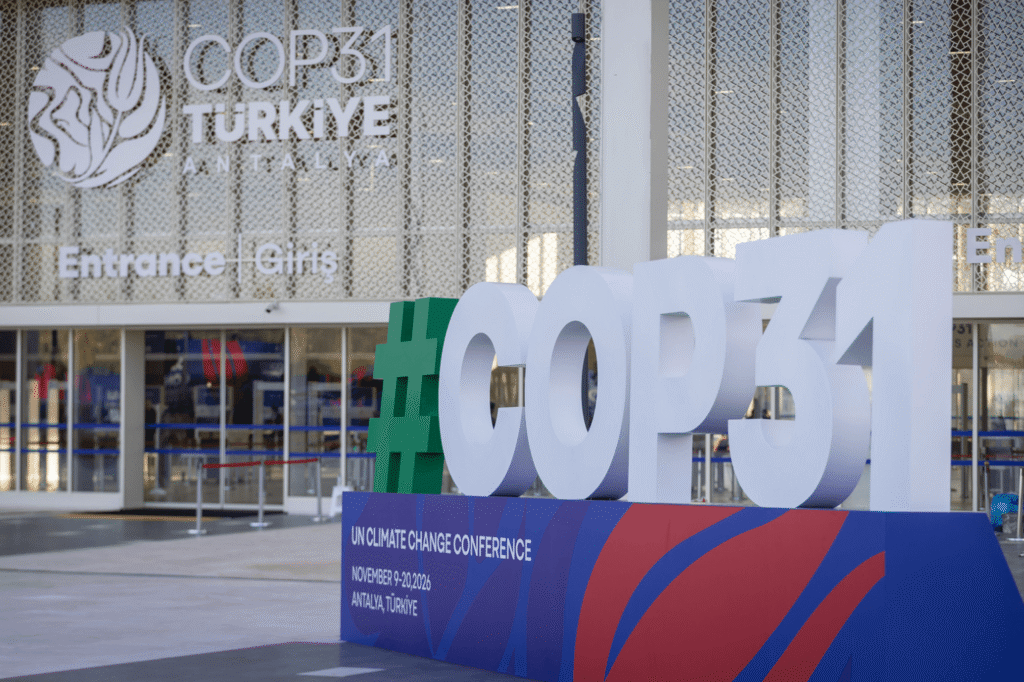
Photo: UNFCCC
The 31st Conference of the Parties (COP31) to the United Nations Framework Convention on Climate Change (UNFCCC) began today in Antalya, with participants from 198 countries. The first day of the conference, which will continue until November 20, was dedicated to food security, agriculture, water efficiency, and the impacts of climate change on public health.
The opening plenary session will take place at 10:00 AM in the Anatolia Plenary Hall at the EXPO venue. During the session, opening remarks were delivered by Murat Kurum, Minister of Environment, Urbanization and Climate Change; Simon Stiell, Executive Secretary of the UNFCCC; and Chris Bowen, COP31 President-designate. In addition to Kurum, Minister of Health Kemal Memişoğlu, Minister of Agriculture and Forestry İbrahim Yumaklı, and Mayor of Ankara Metropolitan Municipality Mansur Yavaş also took the floor.
Countries that are parties to the international agreement, adopted in 1992 under the United Nations Framework Convention on Climate Change (UNFCCC) and aimed at combating climate change, convene annually at summits known as the Conference of the Parties (COP). These nations gather each year within this supreme decision-making body to discuss and determine global climate policies. At the conference, which brings together representatives from nearly 200 countries, the global climate agenda is negotiated, with a primary focus on emissions reduction, adaptation policies, and climate finance.
Day one: Food, agriculture, and health
Throughout the day, various sessions will address the resilience of agriculture and food systems against climate change, the efficient use of water resources, and the impacts of the climate crisis on public health.
At 11:00, at the Australian Pavilion in the Blue Zone, civil society organizations from Turkey and Australia will voice their demand for a phase-out of fossil fuels. In this session—bringing together civil society representatives from Turkey (which will host COP31) and Australia (which is presiding over the negotiations)—the responsibilities of both nations in the process of transitioning away from fossil fuels will be discussed.
Other events throughout the day will cover topics such as a just energy transition, climate finance, the transformation of electricity grids, and the obligations of states under international climate law.
Leaders’ Summit on November 11–12
The Antalya Leaders’ Summit, which will be attended by heads of state and government, is set to take place on November 11–12. Hosted by President Recep Tayyip Erdoğan, the summit is expected to see leaders outline their priorities and commitments regarding the fight against climate change. The messages delivered are anticipated to help shape negotiations on topics such as emissions reduction, climate change adaptation, and the provision of financing to developing countries.
Alternative events: People’s Climate Summit and Climate Justice Forum
The People’s Climate Summit, which will bring together climate justice advocates from across the globe, is set to begin on November 14. The summit will open with a rally as part of a Global Day of Action on the same day, followed by a series of panels and workshops held at the Mimar Sinan Congress Center from November 15 to 18. Additionally, as part of the events organized as an alternative to COP31, a Climate Justice Forum will take place on November 15, hosted by the Antalya Bar Association and attended by numerous rights advocates.
Setback despite months of preparation
According to Evrensel, a total of 630 buses, 71 of which are electric, have been allocated for COP31 participants. These shuttle buses, which transport attendees from locations including the airport, the Belek hotel zone, and the city center to the event venue, operate across 21 different routes. However, yesterday, just one day before the opening of the conference, which has been in preparation for months, disruptions occurred on the COP31 shuttle routes. Participants were notified of these issues via email.
The list includes companies associated with mining and coal projects
The official website for COP31, which began today in Antalya, lists the summit’s sponsors and supporters. The list includes major corporate conglomerates such as Koç, Sabancı, Cengiz, Kalyon, Limak, IC, Rönesans, and Nurol. Environmental organizations have expressed opposition to the presence of these companies, some of which are involved in environmental lawsuits or have investments in fossil fuels, in such a capacity at the summit.
On the official website’s list of sponsors, Cengiz Holding is presented as a “sustainable transformation partner,” Koç Holding as a “global business partner,” and Sabancı Holding as an “electrification partner.” Kalyon Holding is participating in the summit as a “carbon offsetting partner.” Under the category of “climate supporter,” the list includes Limak Holding, IC Holding, Sinpaş, and Rönesans Holding. Yaşar Holding has also announced its role as a climate supporter for COP31. The list further features Garanti BBVA, Türk Telekom, and various state-owned banks as sponsors.
“Public morality” requirement at COP31
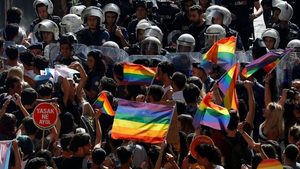
A declaration has been prepared for panelists speaking in the Green Zone at COP31, requiring them to commit to ensuring their presentations and remarks comply with “the law and general moral standards.” It is stipulated that, in the event of a breach of this declaration, the organizer may halt or terminate the presentation, remove the speaker from the session, and report the matter to the COP31 Green Zone management or the relevant authorities.
However, the code of conduct applicable to events under the UNFCCC does not include the term “general moral standards.” Furthermore, while the UNFCCC’s code of conduct explicitly prohibits behavior that disparages individuals based on their sexual orientation or gender identity, these specific grounds for discrimination are not mentioned in the declaration prepared for the Green Zone.