
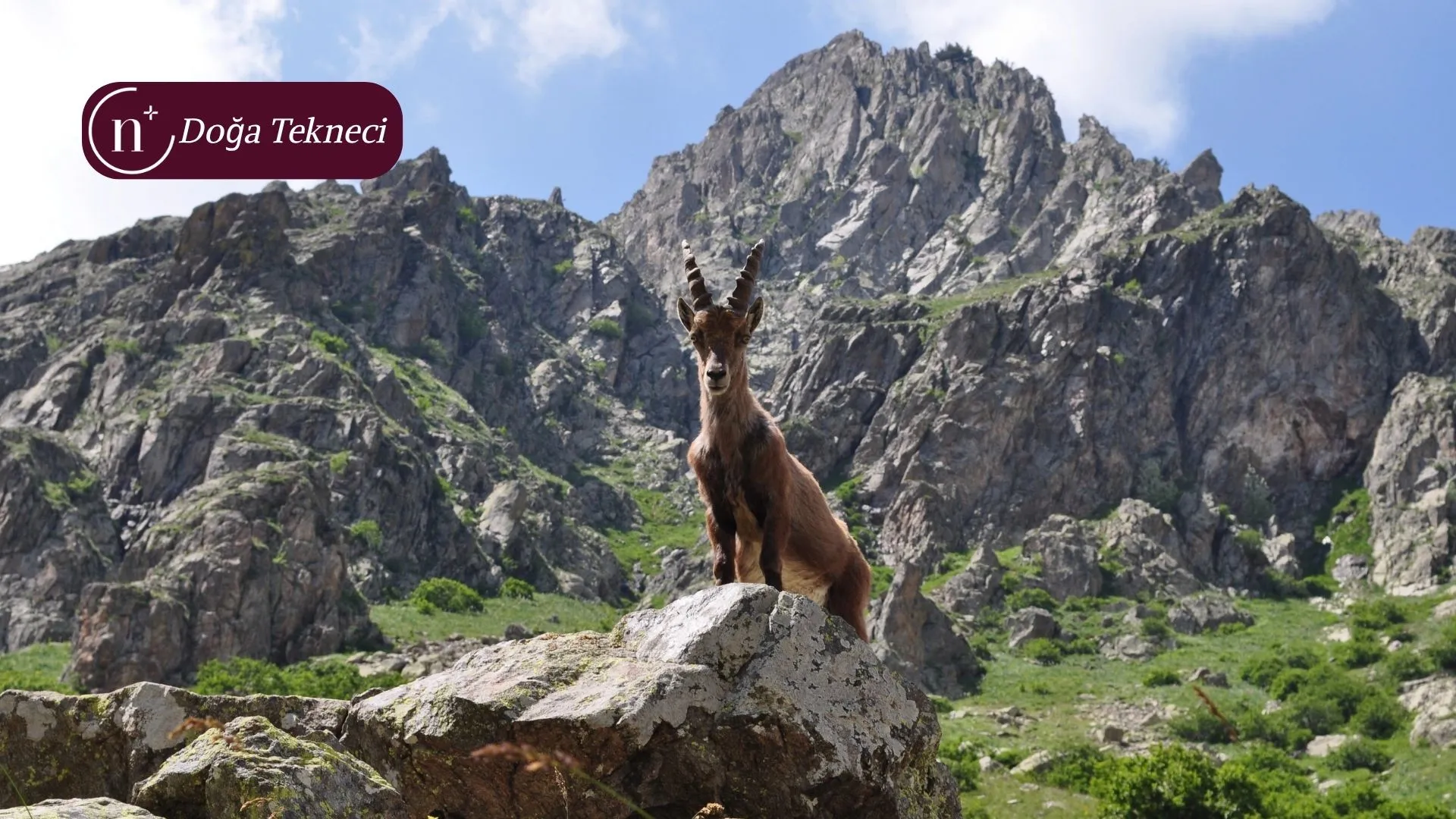
Mountain goat hunting auctions in Van and Hakkâri

Mountain goat hunting sparks backlash: “This isn’t tourism, it’s slaughter”

Hunting quotas for wild mountain goats have gone up for auction in Van and Hakkâri as part of the 2026-2027 hunting tourism season, drawing sharp criticism from ecology groups. “Anyone who comes to this land to kill a living being will be our target,” says Fatih Şahin from the Van Ecology Association.
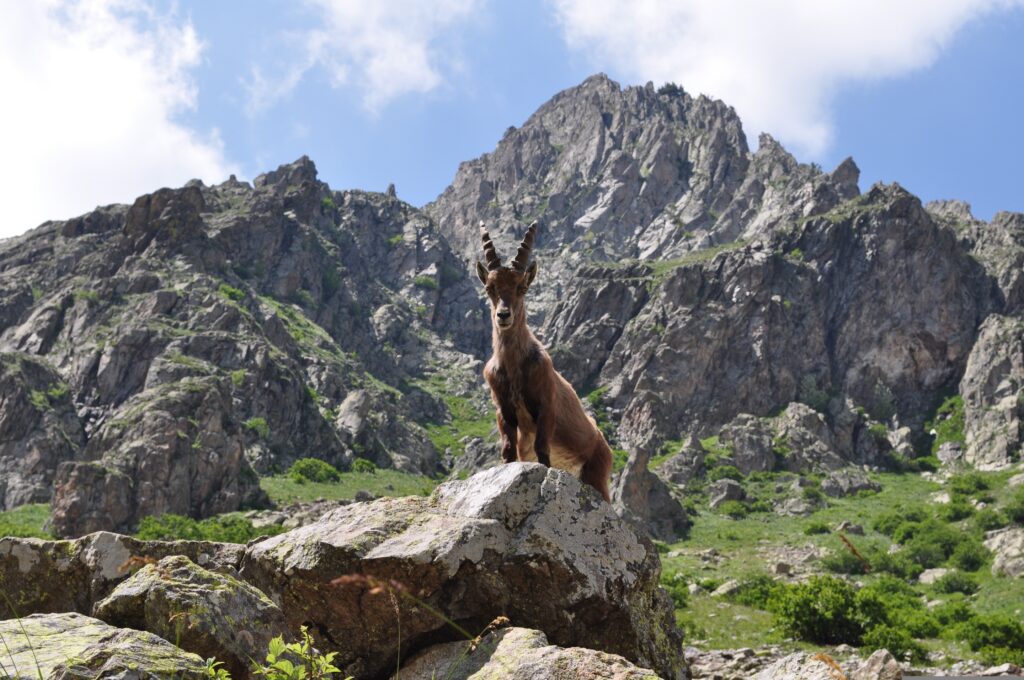

The General Directorate of Nature Conservation and National Parks (DKMP), under the Ministry of Agriculture and Forestry, has put mountain goat hunting quotas up for sale as part of its “Hunting Tourism” program in Van and Hakkâri.

In Hakkâri’s Yüksekova district (Gürkavak General Hunting Ground — 2 quotas) and Şemdinli district (Konur State Hunting Ground — 1 quota), a total of three mountain goat quotas were opened for the 2026-2027 season, each with an estimated price of 1,650,000 Turkish liras and a temporary deposit of 49,500 liras. In Van, a single quota was listed at an estimated 450,000 lira. Alongside Van and Hakkâri, Bitlis and Siirt also opened a combined 13 mountain goat quotas through an open-bid tender process, bringing the total asking price for killing mountain goats across the four provinces to 6,150,000 lira. In July, 11 quotas for mountain goats in Muğla had already gone up for sale.

According to DKMP figures, a total of 4,268 wild (mountain) goats were hunted nationwide between 2000 and 2021 through hunting tourism auctions. Mountain goats are also listed on the International Union for Conservation of Nature’s (IUCN) Red List of Threatened Species, with several subspecies classified as endangered.

Turkey’s Law No. 4915 on Land Hunting imposes fines and prison sentences of two to five years on those who kill protected species but the same law permits legal, licensed hunting under its provisions. Rather than banning hunting outright, it regulates the practice within a framework of rules, seasons, quotas and permits intended to make it “sustainable.”

Only travel agencies holding a “Hunting Tourism Permit” issued by the Ministry of Agriculture and Forestry are eligible to bid in these auctions. Agencies that win quotas then offer them to domestic and foreign hunters. Among the targeted animals, mountain goats aged seven and older are generally prioritized. The “licensed” hunting of protected species like these is driven by hunters’ pursuit of tourism revenue and trophy collection.

“We will stand together with the public”

Fatih Şahin, a member of the Van Ecology Association, said the group would launch both legal action and grassroots resistance against the auctions and hunting tourism practices more broadly. He laid out the group’s plan:

“Once the agencies that won the tenders arrive in the region, our resistance begins. We’ll organize local communities through our neighborhood and village councils and take a stand wherever the hunters go. As ecology activists, we’ll be present at the hunting sites, and we won’t stay silent. Legal action will proceed in parallel.”

“Killing a living being cannot be normalized”

Şahin pointed to the region’s natural beauty, arguing that killing its wildlife has nothing to do with promoting tourism there:

“There’s no way to dress up the killing of a living being as tourism, or to promote a region that way. Killing an animal serves nothing but human ego. We see this plainly as an act of savagery. Anyone who comes to this land to kill a living being will become our target.”

Growing backlash against hunting tourism auctions

Civil society groups and ecology activists have increasingly pushed back against these government-run hunting auctions. Regional administrative courts have occasionally suspended or annulled hunting tenders following lawsuits, though similar auction processes tend to resurface in subsequent hunting seasons.

Online petition campaigns, including on platforms like Change.org, have sprung up to build public pressure against the practice.

Beyond the legal hunting tourism industry, poaching — carried out without regard to season or age restrictions — poses a further serious threat to the populations of many protected species, mountain goats chief among them.
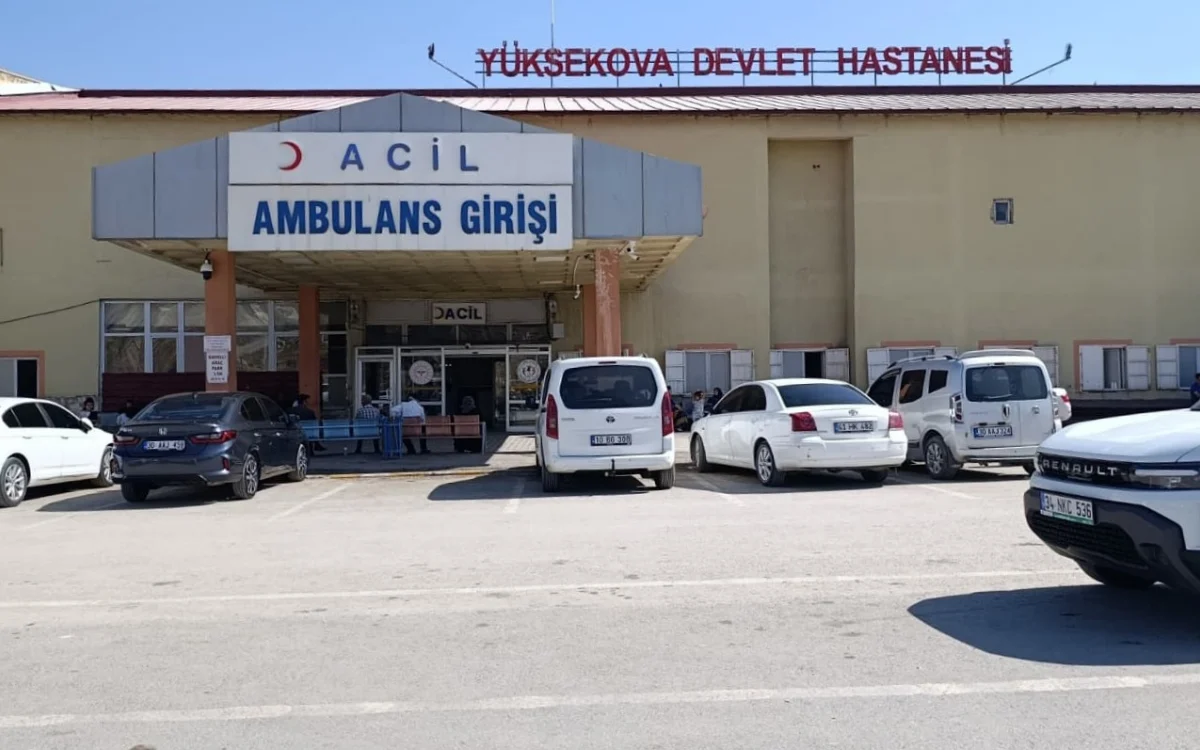
17-year-old E.K. hospitalized after being hit by armored vehicle in Yüksekova

The family of 17-year-old E.K., who was injured when an armored vehicle struck her in the Yüksekova district of Hakkari, said that police had approached people known as “tribal elders” in an effort to get them to withdraw their complaint. Deaths and injuries caused by armored vehicles continue to pose a risk to children in the region.

Photo: Yüksekova Halkın Sesi Journal

E.K., 17, who was injured on July 24 when an armored vehicle struck him in the Güngör neighborhood of Hakkari’s Yüksekova district, is receiving treatment at Yüksekova State Hospital. Examinations found two fractures in E.K.’s right leg, and she is expected to undergo surgery. The course of his condition remains uncertain for now.

While the investigation into the incident continues, the family has not been given any official notification as to whether any judicial or administrative proceedings have been initiated against the police officers who were driving the vehicle.

“When I heard my daughter’s scream, the vehicle had already thrown her to the ground”

In a statement to Mezopotamya News Agency (MA), E.K.’s mother, Vesile Kına, described how, as she was walking with her daughter, the armored vehicle came speeding toward them at an intersection. Kına said that while she was able to step up onto the pavement, her daughter could not get away, describing the moment with the words: “The road was narrow, but even so the vehicle was coming very fast.”

Kına pointed out that armored vehicles are frequently driven at high speed in the neighborhood, and stressed that this was a safety problem concerning not only her own family but the entire neighborhood.

Family: We were asked to withdraw the complaint

Vesile Kına claimed that after the incident, police approached them and asked them to withdraw the complaint. She said that she had been told “we will do everything we can,” but she would not give up her demand for justice. Kına stated that they wanted the camera footage to be examined and the incident to be brought to light in all its aspects:

“Let the camera footage be examined, let the incident be uncovered in all its aspects. I will defend my daughter’s rights and I will not withdraw my complaint.”

E.K.’s father, Lokman Kına, meanwhile, claimed that the police officers who hit his daughter were trying to have the complaint withdrawn through people known as “tribal elders” who are influential in the region. Recalling that his daughter had previously undergone surgery on her arm twice and that her mother has MS, Kına called for an effective investigation into those responsible: “It happened to us today; tomorrow it could happen to another family.”

A situation that has persisted in the region for years

According to the Diyarbakır Bar Association’s report titled “Violations of Children’s Rights Stemming from Armored Vehicles, Mines and Conflict/War Remnants,” covering the 2011-2021 period, 22 children lost their lives and 27 children were injured in accidents caused by armored vehicles over that ten-year span. The report listed Şırnak, Diyarbakır, Hakkari and Mardin as the provinces where armored-vehicle-related injuries were most concentrated. Hakkari, where E.K. was injured, is also on this list.

The annual rights-violations reports of the Human Rights Association (İHD) also show that this situation remains current. Deaths and injuries caused by armored vehicles continue to be recorded as an ongoing risk to children in the region.

Source: Mezopotamya Agency

Privacy overview

Niha+ respects your digital footprint within the framework of independent journalism principles and reader privacy. While browsing our site, cookies are used to provide you with an uninterrupted reading experience and to secure the technical infrastructure of our platform. You can manage your cookie preferences as you wish by using the menu on the left. For detailed information on how your personal data is processed, please review our Privacy Agreement and KVKK Clarification Text.