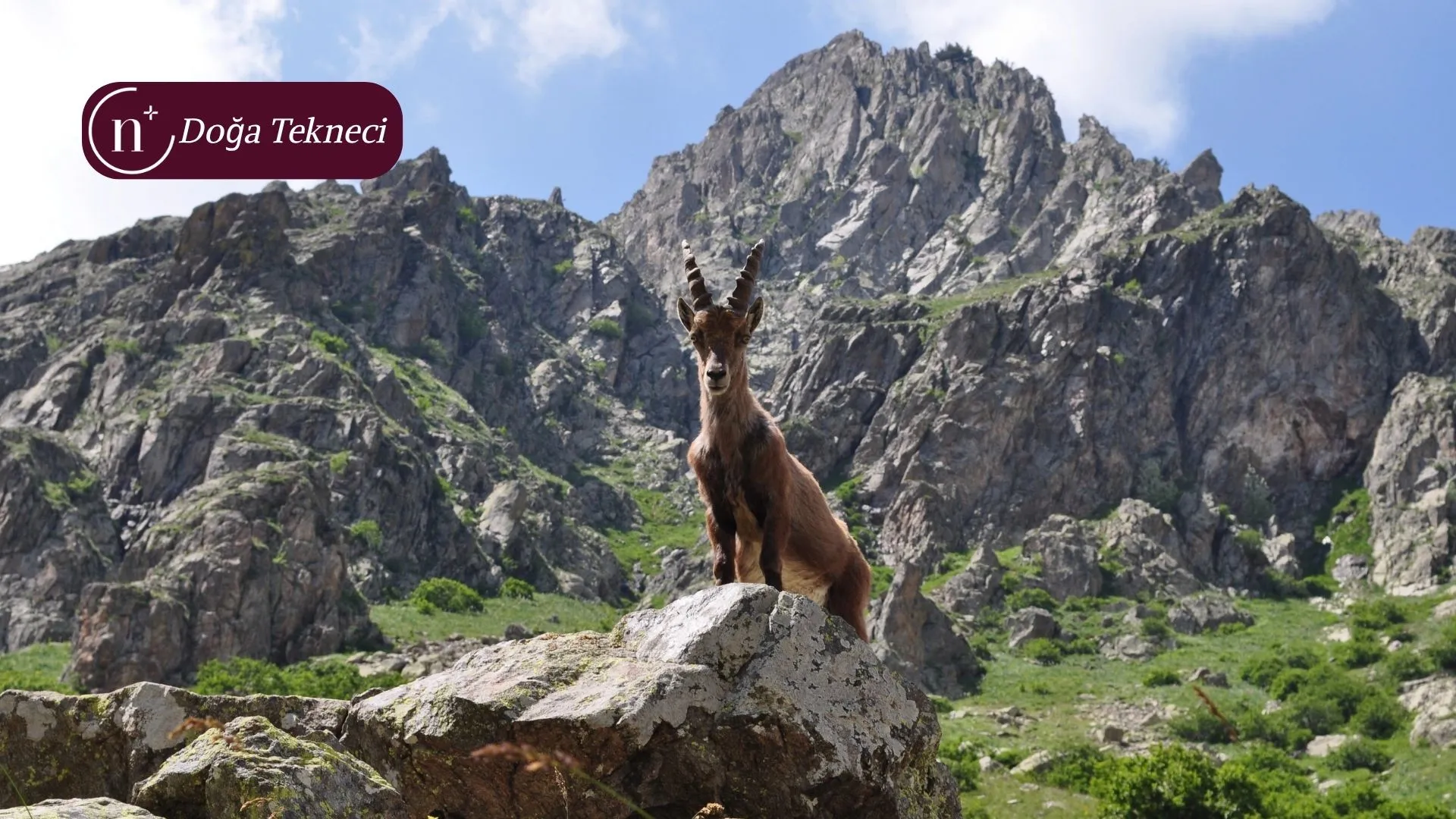
Hunting quotas for wild mountain goats have gone up for auction in Van and Hakkâri as part of the 2026-2027 hunting tourism season, drawing sharp criticism from ecology groups. “Anyone who comes to this land to kill a living being will be our target,” says Fatih Şahin from the Van Ecology Association.
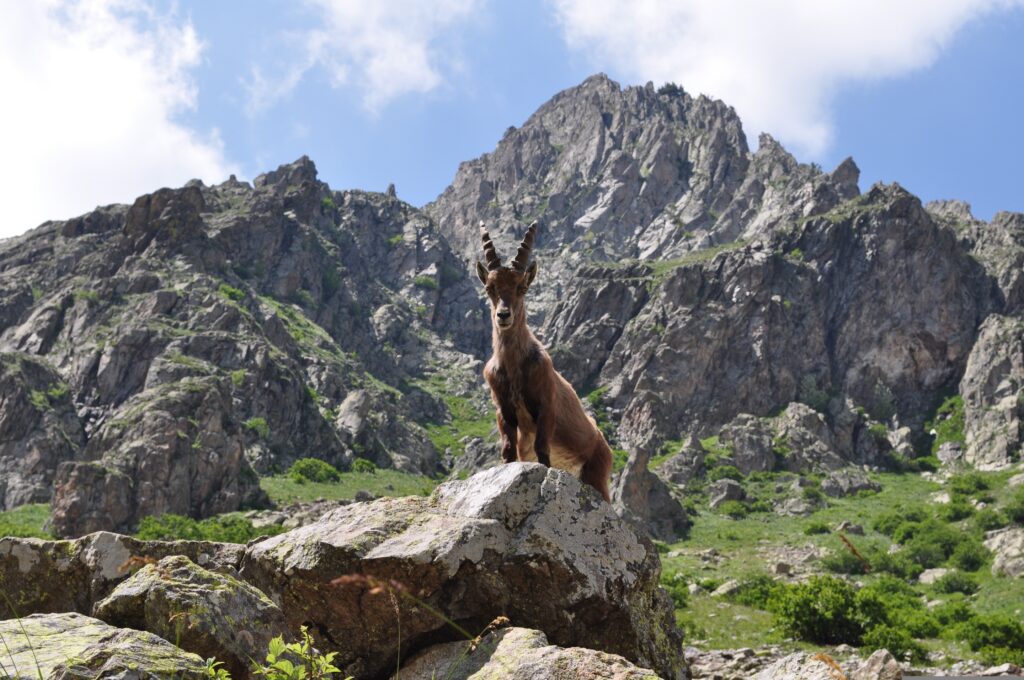
The General Directorate of Nature Conservation and National Parks (DKMP), under the Ministry of Agriculture and Forestry, has put mountain goat hunting quotas up for sale as part of its “Hunting Tourism” program in Van and Hakkâri.
In Hakkâri’s Yüksekova district (Gürkavak General Hunting Ground — 2 quotas) and Şemdinli district (Konur State Hunting Ground — 1 quota), a total of three mountain goat quotas were opened for the 2026-2027 season, each with an estimated price of 1,650,000 Turkish liras and a temporary deposit of 49,500 liras. In Van, a single quota was listed at an estimated 450,000 lira. Alongside Van and Hakkâri, Bitlis and Siirt also opened a combined 13 mountain goat quotas through an open-bid tender process, bringing the total asking price for killing mountain goats across the four provinces to 6,150,000 lira. In July, 11 quotas for mountain goats in Muğla had already gone up for sale.
According to DKMP figures, a total of 4,268 wild (mountain) goats were hunted nationwide between 2000 and 2021 through hunting tourism auctions. Mountain goats are also listed on the International Union for Conservation of Nature’s (IUCN) Red List of Threatened Species, with several subspecies classified as endangered.
Turkey’s Law No. 4915 on Land Hunting imposes fines and prison sentences of two to five years on those who kill protected species but the same law permits legal, licensed hunting under its provisions. Rather than banning hunting outright, it regulates the practice within a framework of rules, seasons, quotas and permits intended to make it “sustainable.”
Only travel agencies holding a “Hunting Tourism Permit” issued by the Ministry of Agriculture and Forestry are eligible to bid in these auctions. Agencies that win quotas then offer them to domestic and foreign hunters. Among the targeted animals, mountain goats aged seven and older are generally prioritized. The “licensed” hunting of protected species like these is driven by hunters’ pursuit of tourism revenue and trophy collection.
“We will stand together with the public”
Fatih Şahin, a member of the Van Ecology Association, said the group would launch both legal action and grassroots resistance against the auctions and hunting tourism practices more broadly. He laid out the group’s plan:
“Once the agencies that won the tenders arrive in the region, our resistance begins. We’ll organize local communities through our neighborhood and village councils and take a stand wherever the hunters go. As ecology activists, we’ll be present at the hunting sites, and we won’t stay silent. Legal action will proceed in parallel.”
“Killing a living being cannot be normalized”
Şahin pointed to the region’s natural beauty, arguing that killing its wildlife has nothing to do with promoting tourism there:
“There’s no way to dress up the killing of a living being as tourism, or to promote a region that way. Killing an animal serves nothing but human ego. We see this plainly as an act of savagery. Anyone who comes to this land to kill a living being will become our target.”
Growing backlash against hunting tourism auctions
Civil society groups and ecology activists have increasingly pushed back against these government-run hunting auctions. Regional administrative courts have occasionally suspended or annulled hunting tenders following lawsuits, though similar auction processes tend to resurface in subsequent hunting seasons.
Online petition campaigns, including on platforms like Change.org, have sprung up to build public pressure against the practice.
Beyond the legal hunting tourism industry, poaching — carried out without regard to season or age restrictions — poses a further serious threat to the populations of many protected species, mountain goats chief among them.