K. A. Ö., a student at Kocaeli University, said that they were threatened with eviction from their dormitory by the administration because of their trans identity. Lawyer Akpınar emphasized that these actions clearly are a human rights violation. Yılmaz from LGBTQ+ Comission of Human Rights Association said no one can be expelled from a dorm for who they are.

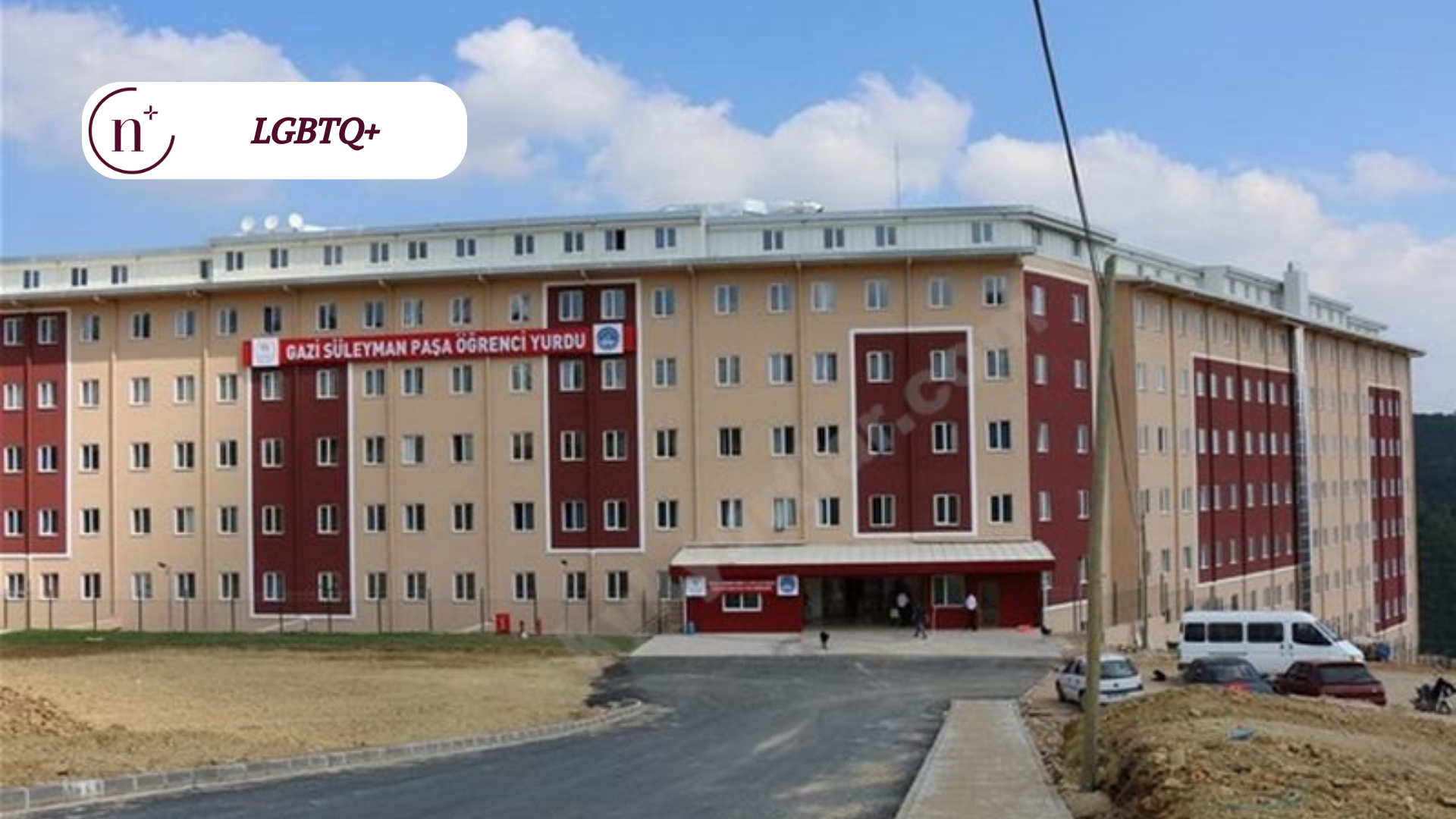
A student at Kocaeli University, identified as K. A. Ö., stated that they were targeted by the administration of the Gazi Süleyman Paşa KYK Male Student Dormitory where they reside, due to their transgender identity.
K. A. Ö. said that the dormitory administration had repeatedly called them in for meetings over this issue and threatened them with expulsion if they did not comply with the warnings. They also explained that their family had been contacted and warned by the administration, which increased the pressure on them:
“I have been staying at the Gazi Süleyman Paşa Male Student Dormitory since September 14, 2025. The way I express my gender identity has, for some time, become an excuse used by the administration to avoid dealing with real issues. I was first warned about this on January 29, 2026. The director personally told me that ‘dressing like a woman’ was against the dormitory rules. I was told that if I wanted to behave this way, I would not be able to stay in the dormitory and would need to rent a separate house. I told the administration that I am in a gender transition process at the hospital and that if they had objections, they should discuss the matter with my psychiatrists.”
“I was not told which rule I violated”
Speaking about their meetings with the dormitory administration, K. A. Ö. said that they examined the KYK regulations and presented them to the officials. They emphasized that they read the disciplinary provisions one by one to the deputy directors, yet were never informed which rule they had violated:
“I presented the regulation to them and asked which rules I had violated. I read aloud the articles that define acts requiring disciplinary action under Article 22 (Warning), Article 23 (Reprimand), and Article 24 (Expulsion from the dormitory). They tried to explain gender norms to me and how a man should apply ‘acceptable’ makeup. I was not given any written notification.”
“My family was informed without my consent”
K. A. Ö. stated that after a health issue resulting from an accident, the dormitory administration contacted their family. Saying they do not know exactly what was told to their family, but emphasized that information about their private life was shared without their consent:
“Although I am an adult, the administration of the Gazi Süleyman Paşa Male Student Dormitory disclosed my private life and medical process to my father without my consent. At a time when the government places such strong emphasis on ‘protecting the family structure,’ this unlawful action by the administration suddenly destroyed my good relationship with my father and put me in conflict with my family. This situation is the clearest evidence that the so-called ‘family’ discourse is not about real protection, but merely an ideological propaganda tool designed to discipline individuals deemed deviant through family pressure.”
K. A. Ö. stressed that the sharing of their medical interventions and private life violates both the undertaking they signed and laws on the protection of personal data.
Lawyer Akpınar: “These actions constitute rights violations”
Ekin Su Akpınar, the lawyer of K. A. Ö., stated that the incidents involve multiple rights violations and are unlawful.
Reminding that Article 10 of the Constitution guarantees equality before the law regardless of language, race, gender, or similar reasons, Akpınar also noted that under Article 17, any pressure, threat, or coercive practices targeting an individual’s personal integrity are unlawful:
“Intervening in a student’s clothing and threatening their right to housing on this basis creates serious legal issues and rights violations in terms of proportionality and legality.”
Akpınar further stated that contacting the student’s family and sharing personal information without consent constitutes a violation of the right to privacy under Article 20 of the Constitution:
“According to the regulations on disciplinary penalties and procedures, for a disciplinary action to be taken against a student, the alleged act must first be clearly defined, and the student must be granted the right to defense. This process is conducted directly with the student, and the administration’s counterpart is the student. Even if there is a claim that parents were contacted because the individual is a student, it must not be forgotten that these students are legally adults.”
“This is arbitrary interference”
Akpınar emphasized that imposing sanctions based on clothing style or gender identity is not provided for in the relevant disciplinary regulations and is incompatible with the Constitution and international conventions, describing such interventions as arbitrary.
She also stated according to the section on notification of decisions, disciplinary board decisions must be communicated to the student in writing, and that the regulation should fundamentally aim to protect the student’s right to housing:
“Issues such as students’ lifestyles, identities, and clothing are not matters the dormitory administration can intervene in. Contacting the family and exceeding the limits of authority constitutes entirely arbitrary actions and involves rights violations.”
“Trans students are the first to be excluded.”
Cüneyt Yılmaz, a member of the Human Rights Association (İHD) LGBTQ+ Commission, stated that the threat to expel the trans student from the dormitory is not merely an individual incident, it is the result of a structural problem. Highlighting that everyone has the right to housing and education, Yılmaz said that trans students are often the first to be excluded and deemed undesirable.
“Trans students face problems everywhere, whether they are in a process of transition or not, and are subjected to similar discriminatory attitudes in all areas they are present. This is absolutely a violation of rights. It is clear where dormitory administrations derive this boldness from. Even during parliamentary sessions, ruling party parliamentarian have used discriminatory and hateful rhetoric against LGBTQ+ people,” he said. Yılmaz underlined that dormitories, like all public services, must operate without discrimination based on gender or sexual orientation.
Discrimination is a crime
“Just as you cannot exclude a student for being Kurdish or expel them for being Alevi, you cannot do so because they are trans. This is a clear violation of rights and constitutes a crime. Being subjected to discrimination due to an inherent aspect of your existence is inhumane treatment. Discrimination is a crime. Just as institutions are obligated to meet the needs of students with disabilities, they are also required not to create obstacles for trans individuals in transition and to ensure they can stay in the environment of their choice.”
Yılmaz also noted that this atmosphere is not limited to individual institutions, adding: “The rhetoric of institutions such as the government, the Directorate of Religious Affairs, and RTÜK fuels this discrimination. However, responsibility does not lie solely with the government; opposition parties, especially the The Republican People’s Party (CHP), also fail to take an adequate stance on this issue.”