
The May 2026 United Kingdom elections were a serious warning for the Labour government, a sign of pressure for the Conservative Party to rebuild itself, a big opportunity for Reform UK, and a sign of a new period in domestic politics. These elections show that UK politics is becoming more fragmented, more competitive and more unpredictable.
The elections held in the United Kingdom last month were not general elections, but they were still an important turning point because they showed the political direction of the country. Local elections were held in many parts of England, while parliamentary elections were held in Scotland and Senedd elections were held in Wales. These elections gave a serious warning to the Labour government. Labour came to power with a large majority in the 2024 general election, but only two years later, the party lost a lot of support in all three countries.
Perhaps the most important result of the elections was the rise of political fragmentation. For a long time, politics in the United Kingdom was mainly shaped by the competition between Labour and the Conservative Party. However, the 2026 election results showed that the two-party system is becoming weaker. Reform UK gained strength as a right-wing populist alternative, while the Green Party, the Liberal Democrats, Plaid Cymru and the SNP increased their support in different regions. This shows that voters are no longer automatically loyal to traditional parties.
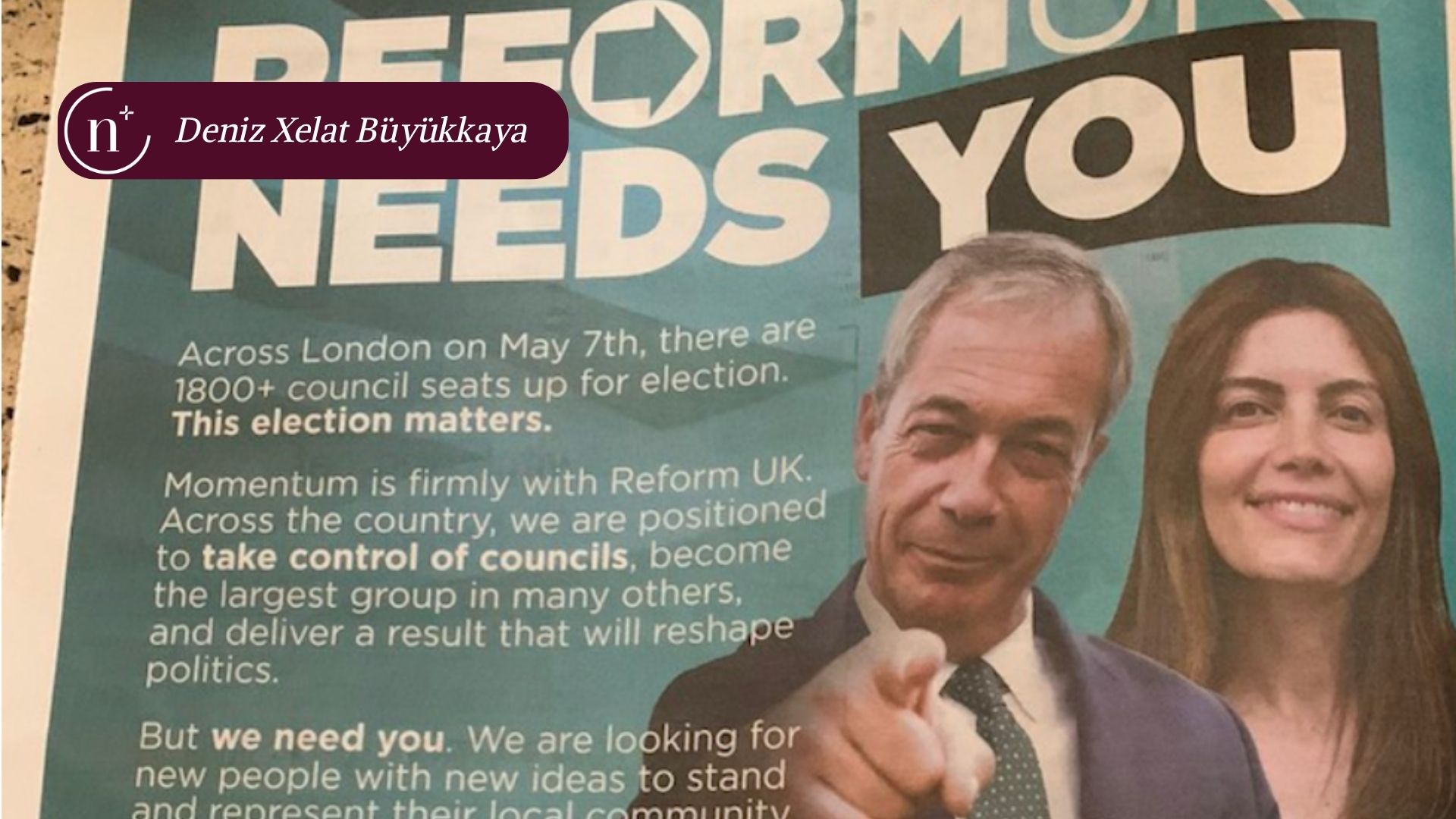
It would not be wrong to say that the May local elections were especially disappointing for Labour in England. In the elections held on 7 May, Labour either lost in many areas that could be described as its strongholds or saw a serious fall in its vote share. Reform UK achieved successful results, especially in areas where support for Brexit was high. Reform UK, which has been criticised for its anti-immigration position but has also increased its support recently, won more than 1,400 council seats in England. This has already put pressure on its rivals before the 2029 general election. Reform UK’s success shows that issues such as immigration, economic insecurity and public services still have a strong influence on voters.
The Green Party also achieved an important success in these elections, winning more than 500 council seats and two mayoralties in London. The Liberal Democrats also increased their number of council seats compared with the previous election.
May 2026 United Kingdom Elections
Political fragmentation, warning signs, and a roadmap analysis for 2029
Regional seat allocations and radical shift
Wales Senedd elections
| Plaid Cymru | 43 |
| Reform UK | 34 |
| Labour | 9 |
Scotland Holyrood elections
| SNP (Scottish National Party) | 57 |
| Reform UK | 17 |
| Scottish Labour Party | 17 |
England local elections & alternative powers
In council seats across England, voters looking for alternatives to the traditional two-party system drove radical shifts across both the right and left wings:
Achieved massive success particularly in high Brexit-support areas, creating a huge pressure element for 2029.
Won two mayoralties in London and more than 500 seats, becoming the new focal point for left-wing/progressive voters.
Key dynamics shifting voter behavior
Chronic issues lie behind the end of “automatic” loyalty toward traditional parties:
- Economic Instability & Cost of Living: Voters feel that the change of government in 2024 has not reflected onto their daily lives.
- Healthcare (NHS) and Public Crisis: The decline in public services is being blamed on the traditional parties.
- Immigration and Security Debates: This became the main fuel powering the rise of the right-wing populist Reform UK.
Political projection towards the 2029 general election
Although Prime Minister Keir Starmer, who is under heavy pressure, announced following the election results that he would not resign and would not drag the country into instability, the government’s room for maneuver has narrowed. In this new era where politics has turned into a much more fragmented, competitive, and unpredictable structure, the May 2026 results serve as a stark warning to all parties on the path leading to the 2029 general elections.
Labour won only 9 seats in Wales
On 7 May, people in Scotland and Wales also voted to choose representatives for their national parliaments, and Reform UK achieved successful results in both countries. In Wales, the Welsh nationalist party Plaid Cymru won the highest number of seats, with 43 seats, and became the largest party in the Senedd. Reform UK became the second-largest party with 34 seats. Labour won only 9 seats in Wales.
In the elections for the Scottish Parliament, also known as Holyrood, the Scottish National Party, or SNP, won the election for the fifth time, but lost its majority. The SNP won 57 seats, while Reform UK and Scottish Labour shared second place with 17 seats each. The elections in Scotland showed that the question of independence is still very important for many voters. However, issues such as the cost of living, the NHS and public services were also important factors in how people voted.
The most important message of the 7 May elections for Labour is that its big victory in the 2024 general election was not a permanent vote of confidence. Keir Starmer’s government had promised economic stability, better public services and the rebuilding of political trust. However, the 2026 elections showed that many voters have not yet felt this change in their daily lives. After the election results, Starmer said that he would not resign and would not leave the country in “chaos”. This clearly showed that his government is under pressure.
Housing crisis, debates on migration
The wider meaning of the 2026 elections is that voter behaviour in the United Kingdom is now more affected by current problems. Economic difficulties, debates about immigration, the condition of public services, the housing crisis and political distrust are changing traditional voting habits. For this reason, the May 2026 elections were not only local or regional elections. They also gave serious warnings to political parties on the road to the 2029 general election.
The May 2026 United Kingdom elections were a serious warning for the Labour government, a sign of pressure for the Conservative Party to rebuild itself, a big opportunity for Reform UK, and a sign of a new period in domestic politics. These elections show that UK politics is becoming more fragmented, more competitive and more unpredictable.