
Eventhough geothermal power plants (GPP) are being constructed to provide energy, their ecological impacts are really high.
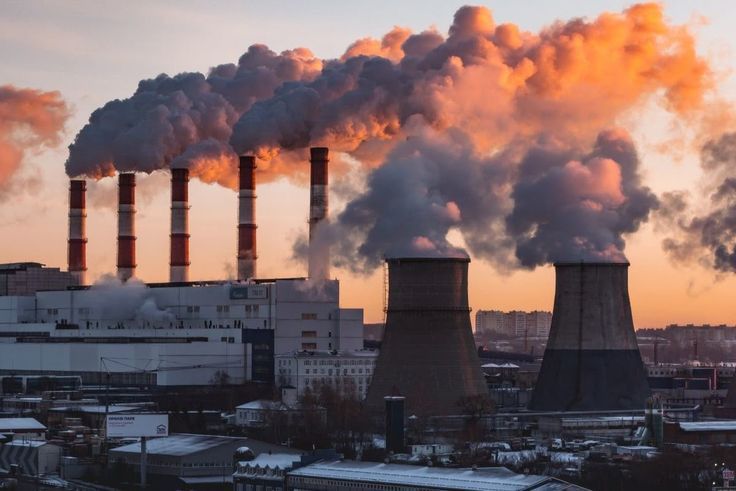
Photo of GPP.
Geothermal Power Plants (GPP) and Their Ecological Affects
What is Geothermal Energy?
Geothermal energy is the use of hot water and steam found deep within the Earth’s crust, brought to the surface to generate energy.
How is the Energy Produced?
Hot fluid extracted from deep drilling wells spins turbines and generates electricity.
Ecological Risk
Geothermal fluid may include arsenic, boron and various heavy metals. If this fluid mixes with the environment, it can affect water resources and soil. In addition, the heavy metals and gases in the fluid can cause air pollution.
Earthquake Risk: Geothermal fields are often established near active fault lines. Drilling activities and the injection of fluid underground can, in some cases, trigger micro-earthquakes. This phenomenon is referred to in scientific studies as “induced seismicity.”
Substances Found in GPP Fluids
Chain of Impact of GPP Projects
Geothermal Power Plants on Fault Lines
Geothermal energy fields mostly form along fracture systems and fault lines in the Earth’s crust. These fractures make it easier for underground hot water to reach the surface. A large portion of geothermal power plant (GPP) projects are concentrated along active fault lines in regions with high earthquake risk.
Power plant facilities, pipelines, and generators in high earthquake-risk areas may be damaged or explode. During earthquakes, uncontrolled leakage of geothermal wastewater may occur.
GPP → Soil → Crop yield → Relation of migration
In rural areas, energy projects can affect not only the environment but also the local economy. Considering the forced displacement policies historically experienced in Türkiye—especially in Kurdish regions—economic and social changes can be seen as a result of occupation policies.
Drilling wells and plant sites spread over large areas.
Changes in groundwater systems affect agricultural land and food production.
In Aydın, fig and olive production is at risk. In Kurdish regions, the impact on pasture lands may affect livestock.
Weakening of agriculture and livestock farming can reduce livelihoods and accelerate migration.
How do GPP Projects Progress?
Where Are GPPs Concentrated in Turkey?
- Aegean Reagon: Aydın, Denizli and Manisa host the majority of geothermal power plants in Türkiye.
- Central Anatolia: Konya and Nevşehir are also among the regions where exploration licenses are granted.
- Kurdish Provinces: In recent years, geothermal exploration projects have come to the agenda around Muş and Bingöl.
How Large is Kızıldere GPP Area?
The Kızıldere geothermal field in Denizli covers approximately 528 hectares. This corresponds to an area roughly equal to 739 football fields. Across Türkiye, there are about 71 geothermal power plants.
GPP Statistics in Turkey
- Around 71 geothermal power plant is found across Turkey.
- 46 of them are located in Aydın.
- Kızıldere GPP area is approximately 528 hectares.
- The exploration license area in Tokat covers 36,000 hectares.