Speaking to Niha+ ahead of COP31, which will be held in Antalya this November, Polen Ecology Collective activist Cemre Nayir argued that climate summits serve to protect the interests of capital rather than nature. Describing COP31 as “a site of struggle that must be challenged,” Nayir called on social movements to confront the summit rather than accept it as a solution to the climate crisis.
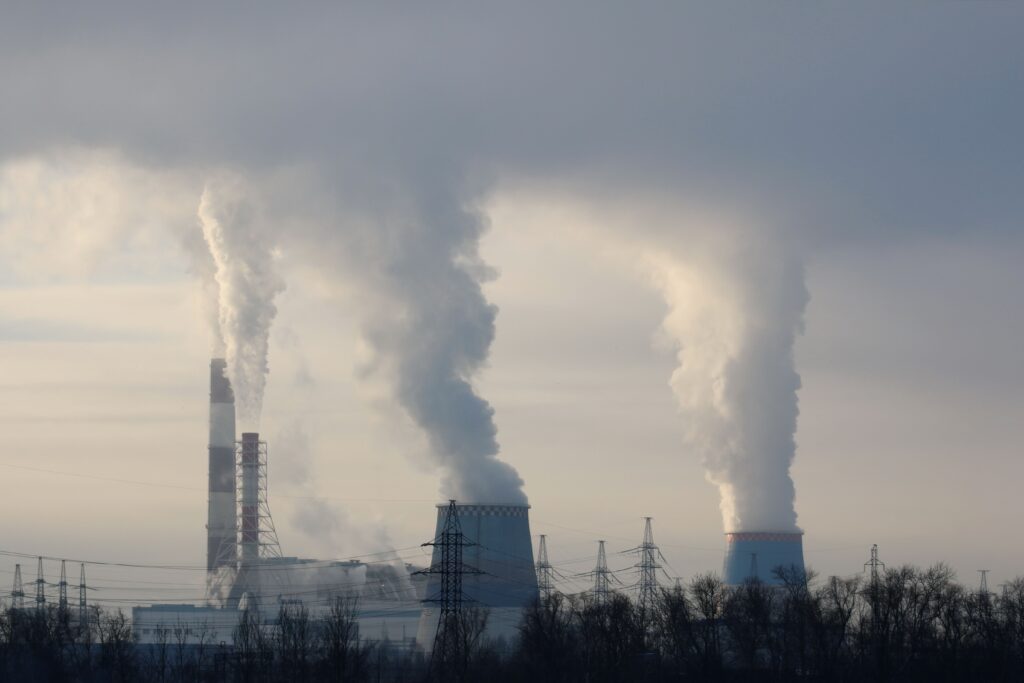
Countries that are parties to the United Nations Framework Convention on Climate Change (UNFCCC)—the international agreement adopted in 1992 to combat climate change, meet annually at the Conference of the Parties (COP). These summits address issues such as climate finance, greenhouse gas emission policies, and energy transition. The 31st Conference of the Parties (COP31) will take place in Antalya, Türkiye, from 9 to 20 November 2026.
Environmentalists and climate activists, however, argue that these conferences do not genuinely aim to protect nature or address the climate crisis.
In an interview with Niha+, Polen Ecology Collective activist Cemre Nayir described COP summits as arenas of political struggle that should be confronted by all sectors engaged in social movements.
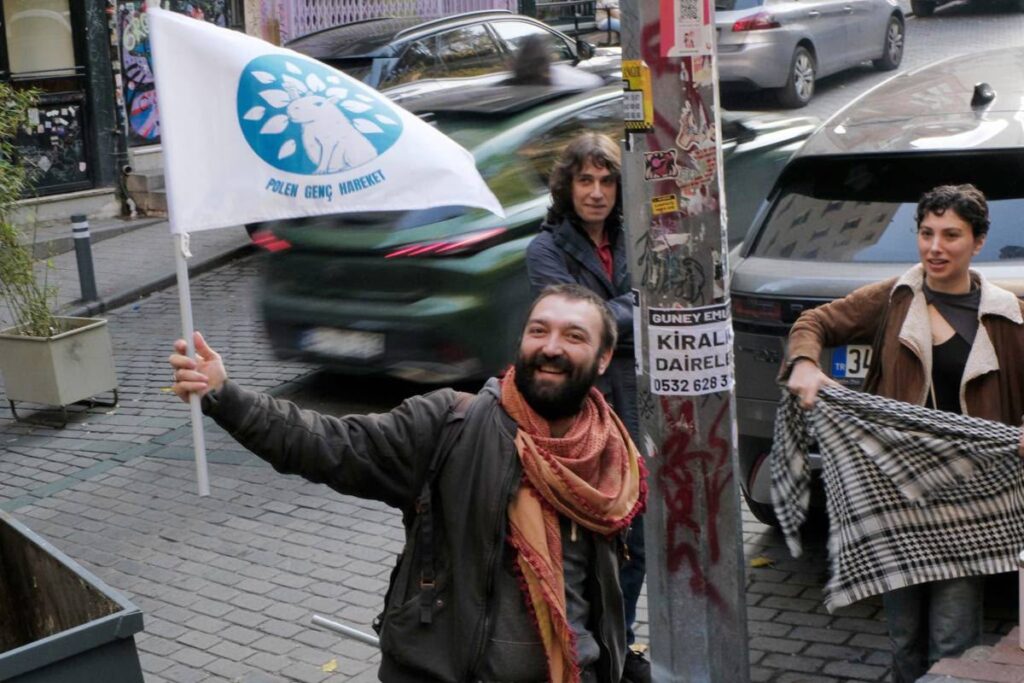
Cemre Nayir was arrested on 3 February during a police operation targeting socialists on charges of “membership in an organization” and was released on 2 June.
“COP is a meeting where the system reproduces itself”
Although COP summits have been held for more than three decades, ecological collapse including global climate change, has continued to deepen worldwide, Nayir said, arguing that it is necessary to examine the systemic foundations of these meetings.
“At their core, COP summits are no different from other international summits whose political framework is determined by monopoly capital under the stage of imperialist globalization. They are organized under the leadership of the world’s largest monopolies—those that have secured the greatest share of global economic plunder—and the imperialist states that have historically provided the foundation for these monopolies. Whether it is the G7, the G20, NATO summits, or conferences organized under various United Nations conventions, COP functions in essentially the same way: it is another forum where the interests of imperialist powers and a handful of global monopolies are protected and expanded, where new commercial frameworks and market mechanisms are established, where the hegemony of these centers is consolidated, and where the system reproduces itself.”
According to Nayir, the annual COP summits function as a mechanism through which capital attempts to “greenwash” itself. He argued that this strategy can only be challenged through sustained pressure from social movements defending the interests of people and oppressed communities most affected by climate change.
“Like every other commodified element of nature, it is primarily working people who bear the destruction caused by this crisis. While historical responsibility should certainly be discussed at the level of states, today’s class struggles must also be brought to the forefront. Rather than searching for ways to preserve capitalism, we need to build a political path based on the understanding that the liberation of workers and peoples requires a fundamentally different social order.”
“COP31 is a site of struggle”
Nayir argued that large capital groups see nature as “a free source of rent to compensate for declining profitability.” According to her, summits such as COP help establish the legal framework necessary to remove barriers to profit-making while simultaneously “manufacturing consent among workers for new models of capital accumulation.”
Nayir stated that workers are forced to secure their livelihoods under worsening climate conditions while, at the same time, contributing through their labor to the destruction of the planet and to their own exploitation.
“As the Polen Ecology Collective, we advocate what we call labor ecology (emekoloji): a perspective that seeks to build a revolutionary, class-based struggle aimed at political power against workers’ alienation from both their labor and nature, and against the increasingly exploitative conditions created by the deepening climate crisis.”
Nayir also argued that the past thirty years of climate negotiations have amounted to little more than a delaying tactic.
“One does not even need a Marxist class analysis to recognize that these thirty years, dominated by capital’s proposed solutions, have merely served to postpone real action. We therefore see COP31 not as the place where solutions will emerge, but as a site of struggle that must be surrounded and challenged. We regard it as a legitimate target for workers, oppressed peoples, and socialists in an internationalist context. Rather than participating, the summit should ideally be protested or even obstructed, much like NATO summits, which are themselves summits of war. Of course, the level of organization, shared political purpose, and collective struggle required for such action does not currently exist within Türkiye’s social movements. But that should not lead us to retreat from these principled political discussions.”
“Ecology must be at the center of politics”
According to Nayir, the Turkish government uses international summits such as COP as a means of reinforcing its domestic legitimacy during a period of political crisis. At the same time, Nayir argued, these gatherings are important for strengthening the position of Turkish capital within the imperialist hierarchy, expanding its access to markets, and securing new sources of finance.
Nayir described everyday life in Türkiye marked by workplace fatalities, femicides, hunger, and inadequate urban infrastructure, as “a form of internal warfare.” In this context he argued that the government’s ability to consolidate its power can only come through gains made on the frontlines of war, adding that the current regime is no longer capable of maintaining lasting social consent or legitimacy.
Reflecting on the fragmented state of opposition movements, Nayir said that one of the principal reasons for disunity among oppressed groups is their tendency to seek solutions within the existing political order while remaining under the influence of various bourgeois ideological currents.
Nayir argued that the first step should be for revolutionary organizations and social movements to come together and collectively discuss what a common line of struggle should look like.
“Today, ecology must become central to the politics of all revolutionary socialist, left-wing, and progressive parties. Workers’ parties and trade unions, women’s organizations, LGBTI+ groups, and those fighting for animal liberation must recognize ecological collapse as a crisis that concerns them directly. They need to discuss how ecological destruction affects their own constituencies and how their struggles can converge on this basis. We are talking about a genuine mobilization—a matter of life and death for all species. Life on Earth will continue in one form or another; no species is indispensable. But preserving a healthy and biodiverse ecological condition is essential for the survival of all species, including humanity and the cultures we have created. We see here the foundation for an ecosocialist society: one that unites these different struggles on a class basis and enables people to act with an awareness of their shared class interests.”
Nayir added that building alliances among social movements is also inseparable from the broader task of revolutionary construction. Pointing to the “fifty-year history of organization and struggle” within Türkiye’s revolutionary movement, he said:
“There exists a movement that has endured the heaviest sacrifices, constantly sought to renew itself, developed new forms of struggle appropriate to changing conditions, and achieved a certain level of political maturity. Over the past ten to fifteen years, a variety of revolutionary alliances and fronts, both legal-democratic and underground have been established, historical thresholds have been crossed, and important gains have been won.
Today, social movements must approach this question with the seriousness it deserves. The only lasting way to secure sectoral demands is through the collective resistance of all oppressed people. We do not need to reinvent everything. Instead, we must build upon these experiences using contemporary forms of organization and communication, while cultivating cadres who are resilient, driven by class anger, prepared to face sacrifice, and consciously determined to break with the existing order. The rest, we will write as our own history.”
“The People’s Climate Summit should be a counter-summit”
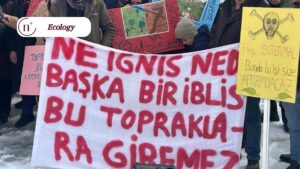
Nayir said that the Polen Ecology Collective is closely following preparations for the People’s Climate Summit (Halkların İklim Zirvesi – HİZ), which will be held simultaneously with COP31. He described the process as an opportunity to reach new audiences and strengthen grassroots organizing.
According to Nayir, HİZ should function as a genuine counter-summit, one that does not confer legitimacy on any tendency operating within the existing political order. Instead, it should provide a space to discuss how to expand the organizational capacity and mobilization of the ecological liberation movement. He continued:
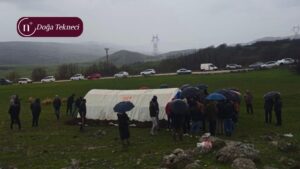
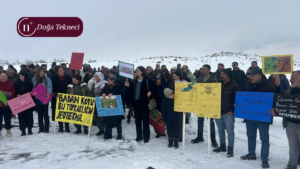
“This gathering does not necessarily have to take place in Antalya. On the contrary, locations that have historically suffered destruction under regional imperialism and capitalism—and where that destruction continues today—could serve as more meaningful centers for such discussions. The Varto resistance area, for example, could become a focal point for this counter-summit or for debates on ecosocialist reconstruction. Rather than summits where powerful actors conduct major political and economic negotiations, we value structured, well-organized forums that take place not once a year, but every day.”
“The problem is that energy is produced for profit”
Nayir stressed that, contrary to popular belief, the term “renewable” does not automatically mean clean, environmentally friendly, or beneficial to the public. Rather he explained the word simply refers to energy sources whose underlying materials can be naturally replenished within the timescale of human societies.
According to Nayir, the central issue is not the source of energy itself, but the fact that energy is produced for profit rather than to meet social needs.
“Every technology is a product of a class society and therefore finds its place within existing social relations of production. There is no universal rule that renewable energy automatically serves the public interest.”
Referring to the laws of thermodynamics, Nayir argued that it is impossible to generate usable energy with zero environmental impact. Nayir maintained that renewable energy could genuinely benefit society only within an ecosocialist system, where it would be organized through small-scale, decentralized, and locally appropriate forms of production.
“We know that contemporary renewable energy projects are rooted in a new process of commodification and resource appropriation. Rather than replacing fossil fuels, renewable energy investments within the existing capitalist system have simply been layered on top of fossil fuel consumption, further expanding ecological destruction. In response, those who must defend their lives, the land they live on, the air they breathe, the animals they share the world with, and the water they drink have every right to do so. We must defend ourselves against the forms of domination that increasingly seek to encompass every aspect of life. We must become nature’s self-defense. We need to be far more organized and far stronger in preventing the Earth from becoming a laboratory for capitalists. To liberate both nature and labor, all sectoral struggles should unite around the common foundation of defending life and ecology.
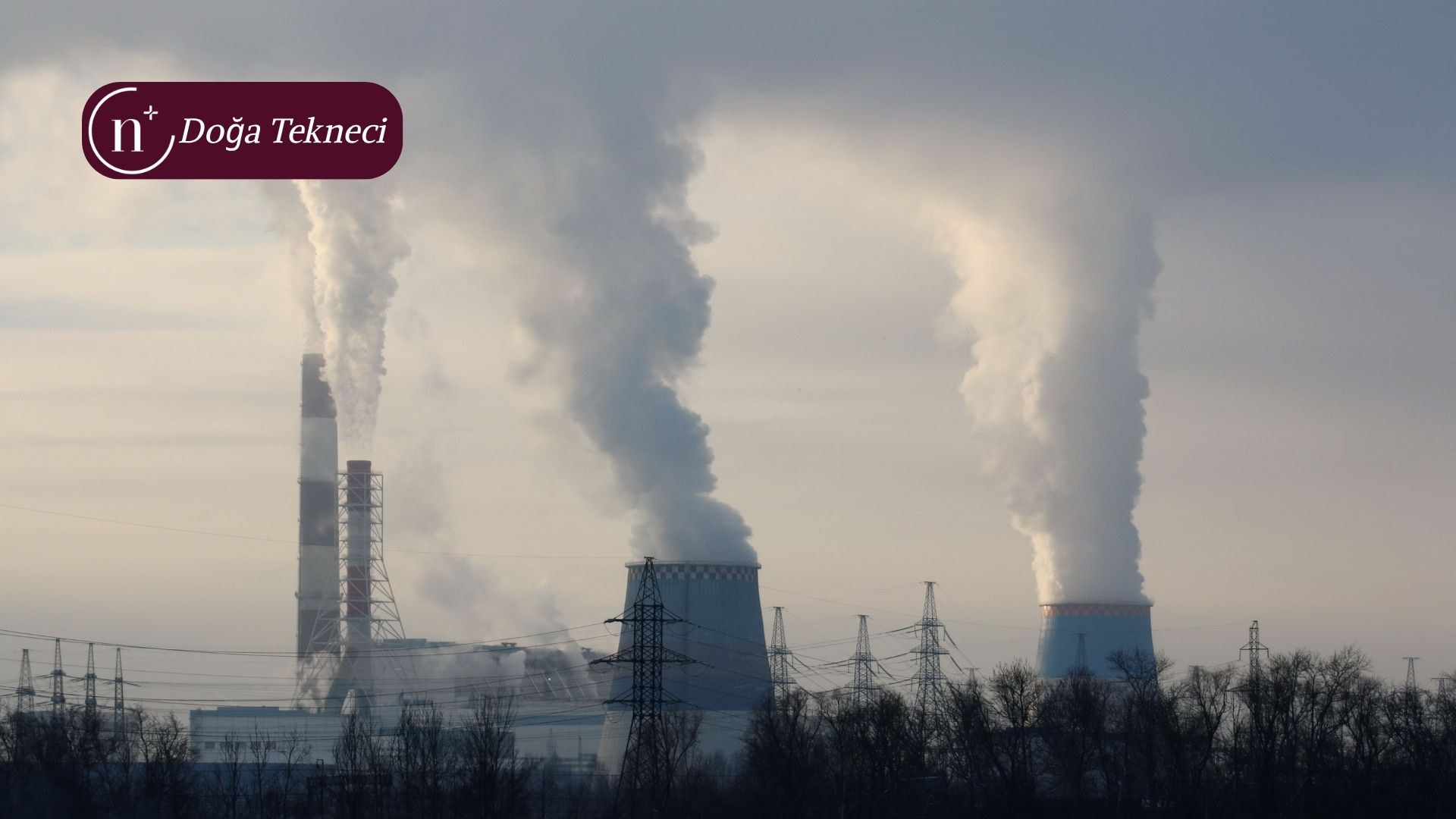
Specifically in the field of renewable energy, as a first step we can study and attempt to implement energy cooperatives and communal energy initiatives that replace capitalist private ownership with energy sovereignty and eliminate energy poverty. Developing alternatives to coal-fired power plants in this way would offer a genuinely labor-centered ecological alternative. At the same time, our demands should extend beyond energy production alone. We must also address transmission, distribution, and consumption, working toward the social or collective ownership of entire energy systems.”
*The responses by Cemre Nayir were prepared with contributions from the Polen Ecology Collective.