
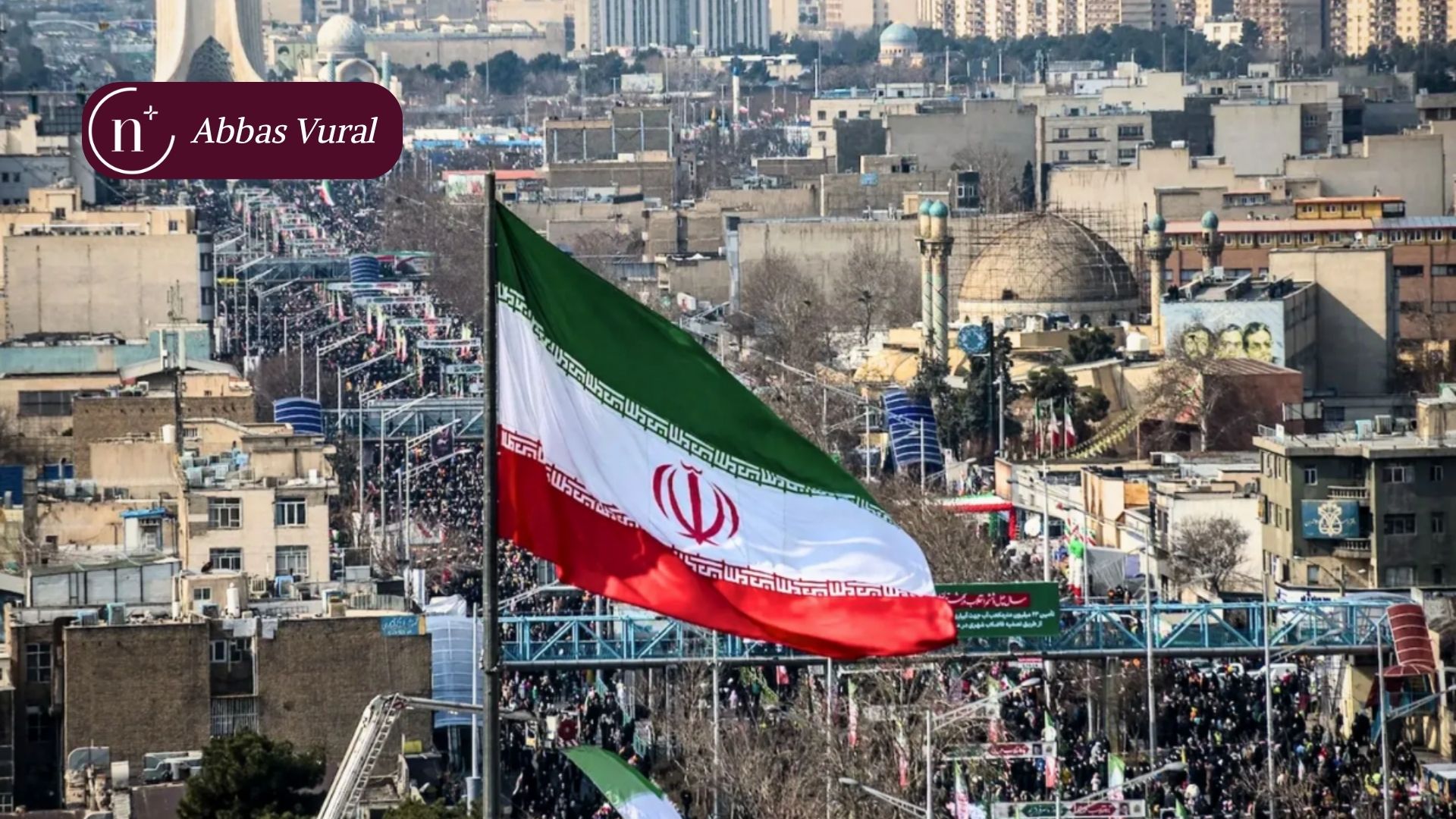
Emami and Talebi stated that the “Iran War,” which has temporarily subsided with a two-week ceasefire, has deepened the fault lines within Iranian society, and that what is currently visible is not “promising.”
On February 28, the US and Israel began attacking Iran. As of April 8, a two-week ceasefire has been declared. But people are still debating the war’s effects and what comes next. We spoke with sociologist Dr. Mehrdad Emami and Iranian journalist Reza Talebi about what’s happening inside Iran and how it’s affecting ordinary people.
Dr. Emami pointed out that before the war, millions of Iranians were protesting side by side against the government. These protests, led mostly by middle and working class people, were strong enough that some called it a near-revolutionary moment. “In many central areas, Iranians were protesting hard, demanding the government be brought down. The state responded with a massacre,” he said.
He also noted that in the December-January protests, a royalist movement (Pahlavism, supporters of the old Shah monarchy) had a growing influence. Many satellite TV channels broadcasting from outside Iran are pro-Pahlavi and backed by the West. Emami said it was predictable that after the Mahsa Amini protests, this far-right nationalist movement would become more organized than leftist or pro-freedom groups. He also blamed the left and feminists for failing to produce a strong leading figure after the Amini protests.
Pahlavism is making divisions worse
Emami noted that according to official figures, over 3,000 people have been killed in the war so far, as a massive trauma for society. He argued that the Pahlavi movement is deepening existing splits:
“Iranian nationalists who spent years calling leftists and feminists traitors are now supporting the continuation of the war alongside the US and Israel. And even though millions of Iranians oppose the current government, being bombed every day pushes people toward wanting peace, not regime change. When your home is damaged and your life is at risk, the most urgent thing becomes stopping the war.”
He also noted a shift among minority communities (Kurds, Baluch, Arabs and others) who have historically been oppressed both under the Shah and under the Islamic Republic.
“These regions were actually at the center of the most recent uprisings, partly because they are resource-rich but their people remain poor. Yet in the December–January protests, turnout in these regions was low, which drew criticism from the nationalist groups leading those protests. As the result, groups that had been coming together in recent movements are now more fragmented than before.”
“Don’t underestimate political Islam”
Emami warned against dismissing political Islam in Iran:
“The left lost the 1979 revolution partly for this reason,” he said. He pointed to the Iran-Iraq war, which lasted 8 years, longer than expected, because the Iranian state at that time was young and still seen as somewhat legitimate, both at home and internationally. The world hadn’t yet seen its true nature.”
He also said that even some pro-war Pahlavi supporters are now split, because Iranians can see that the US is killing civilians and bombing Iran’s infrastructure. “Over time it has become clear that the US main goal is to weaken Iran’s oil, nuclear, and military capabilities, not to liberate its people” he said.
“This war is being fought more in the media than on the ground”
Journalist Reza Talebi said it’s sad that Iranians are stuck between two bad options for information: Iran’s official state media, which can’t go beyond slogans and denial, and international media driven mainly by profit. He added that print journalism in Iran is barely surviving, and most people are now entirely dependent on social media.
“Tension levels are high”
Talebi also spoke about the situation of Kurds and other minority communities living in Iran, and what might happen next:
“I don’t have a full picture of everything being discussed about Kurds, Turks, Arabs, and Baluch people in Iran, but the social and ethnic divisions are nothing new, and they aren’t just caused by the war.
These divisions do get deeper in wartime, of course, and they can lead to new conflicts. Tension levels are high. On top of the divisions between Kurds, Turks, Arabs, and Baluch, there are also splits between religious and secular people, and even if these cracks aren’t fully visible right now, they are very dangerous. If things aren’t handled carefully, situations similar to Syria or Afghanistan are possible.
I can’t see a clear future for Iran, and I also can’t pretend to be an expert on everything. I could be wrong but what I see doesn’t look hopeful. Iranian society is fragile and unpredictable. Maybe shared suffering can create some kind of balance.”