
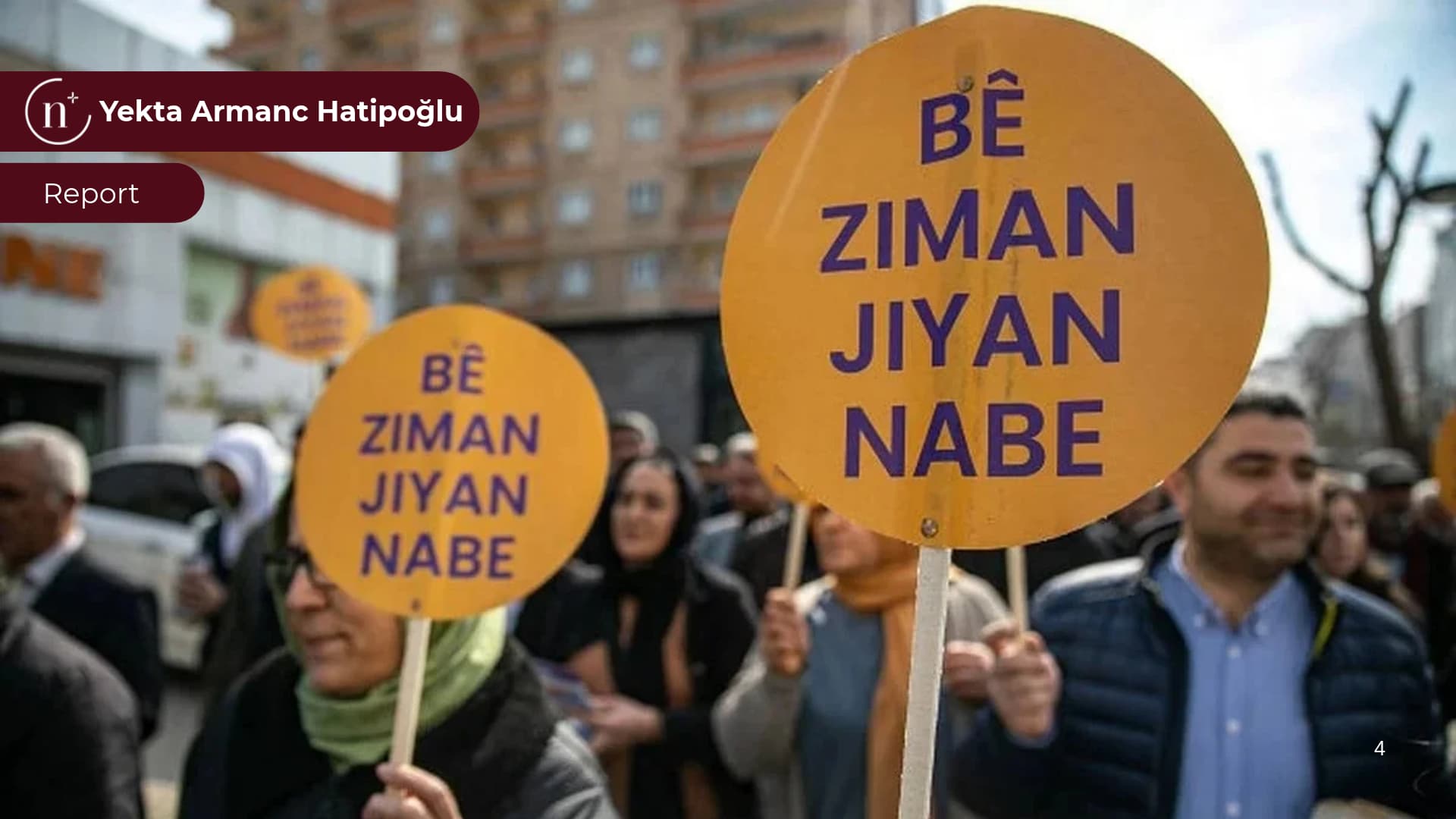
METU student Nurullah Altınel spoke to Niha+ about the demand for Kurdish to be offered as an elective course at METU. He said they have received no response from the rector’s office and that, if they do not hear back soon, they are considering taking the issue to Parliament. Students will protest in front of the rectorate on Monday (November 30) to demand an elective Kurdish course.
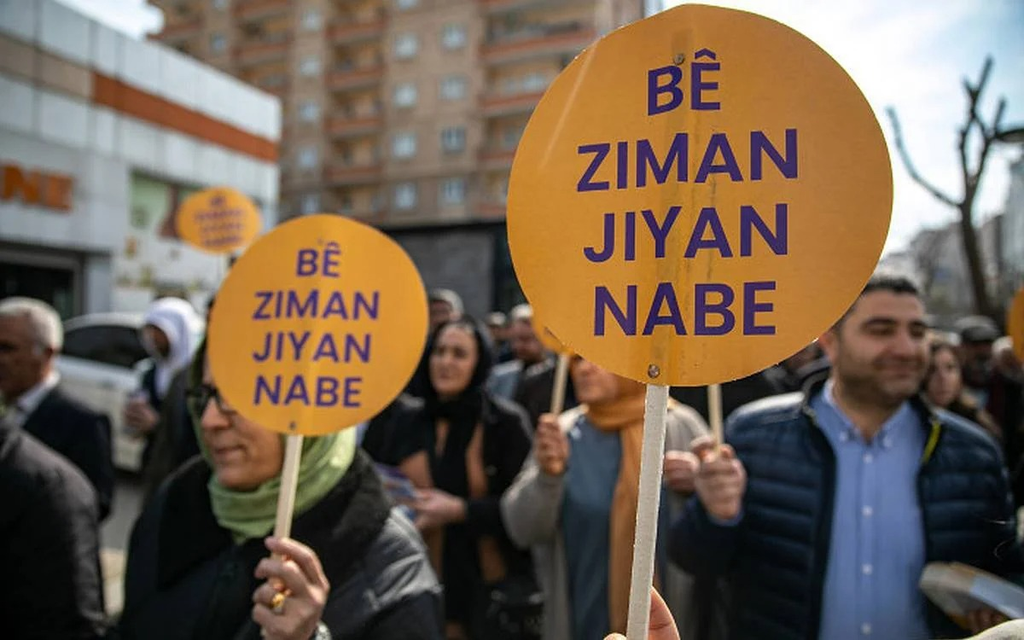
Foto: ASO Press
Students at Middle East Technical University (METU) are demanding that Kurdish be offered as an elective course at their university.
The students will gather in front of the Rectorate at 3 p.m. on Monday, November 30, to call for an elective Kurdish course.
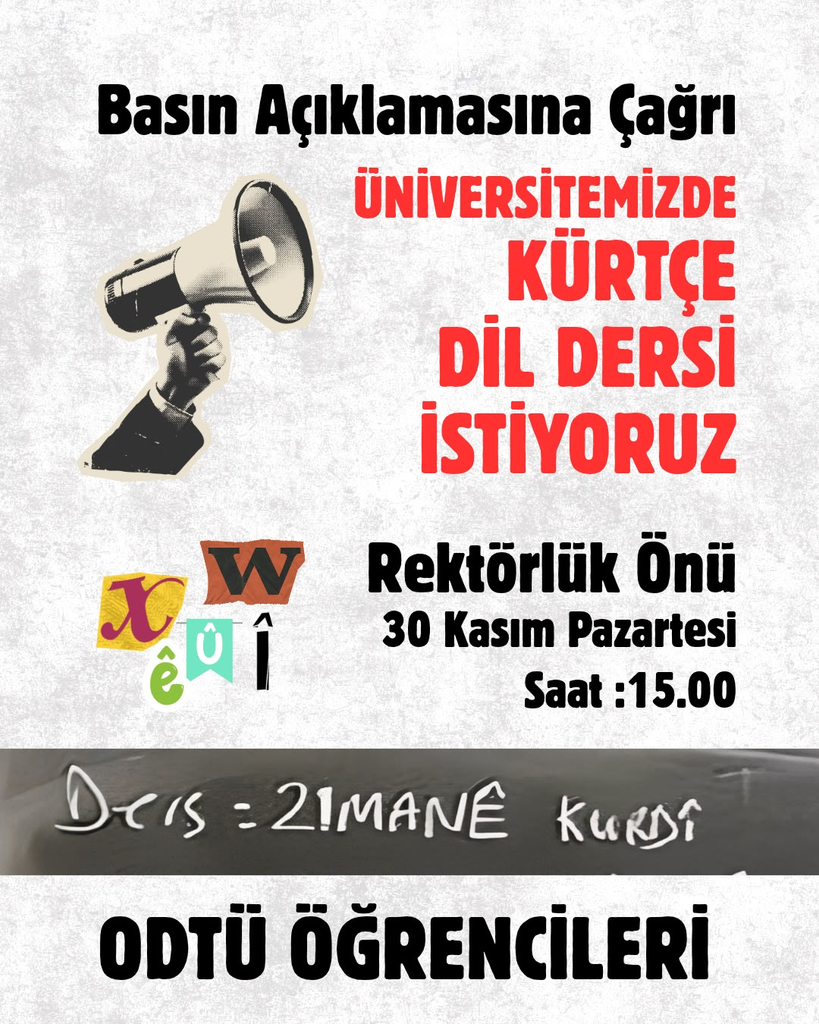
The statement was issued under the signature “METU Students” and endorsed by numerous student clubs and organizations. In it, the students said they believe universities are not only institutions that produce scientific and technical knowledge. They are also universal educational institutions where different languages and cultures are studied at an academic level.
The students said that last term they had also drafted a petition calling for an elective Kurdish course and collected hundreds of signatures. They submitted the petition to the rector’s office last spring but faced various obstacles afterwards.
According to the students, the petition and the signatures of hundreds of METU students went missing. Neither the rector’s office nor any other university unit the petition was addressed to told them what had happened to it. Instead, the units kept referring them to one another, which dragged the process out further.
Altınel: There was strong interest in METUKurdî’s Kurdish classes
METU student Nurullah Altınel told Niha+ why they are calling for an elective Kurdish course, what happened along the way and what they plan to do next.
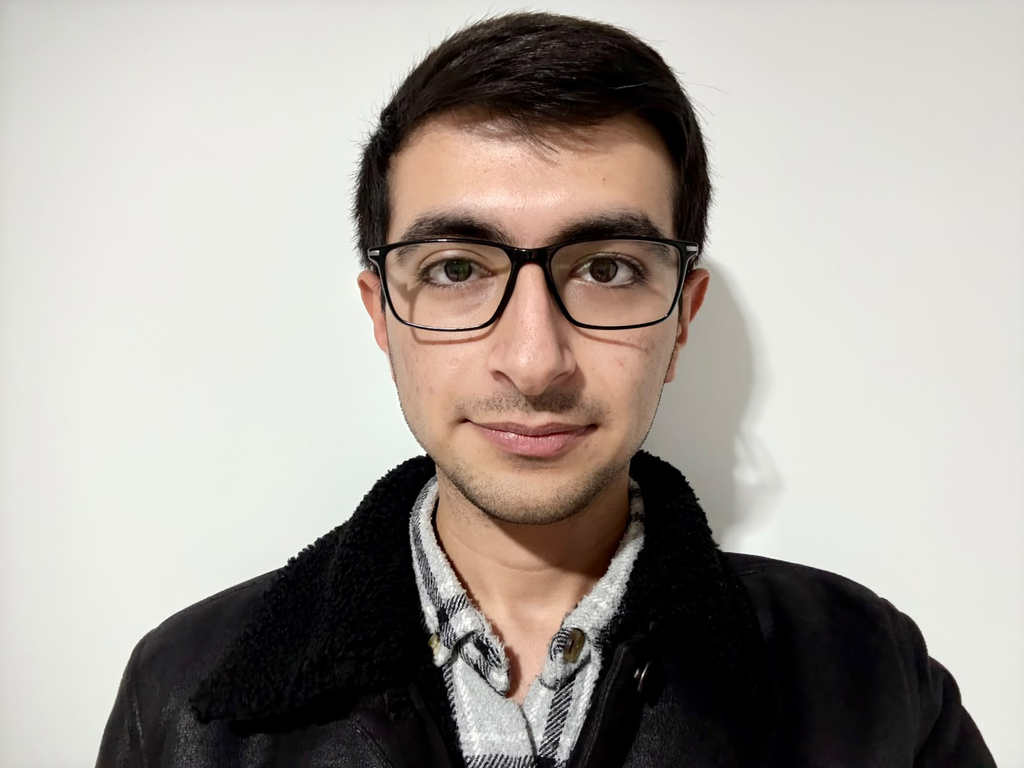
Altınel began by describing how it all started:
“At METU, we Kurdish students used to come together through Newroz celebrations and various events, gathering around our shared cultural ties. When METUKurdî was founded, we began working on Kurdish language and culture on campus. This work strengthened the solidarity and unity among us. It was also very important in making Kurdish language and culture more visible on campus. As METUKurdî, we organized beginner-level Kurdish classes. The strong interest in these classes clearly showed how much many of our friends wanted to learn and improve their mother tongue. It also showed that METU students are interested in Kurdish language and culture.”
Altınel said METU’s Modern Languages Department offers elective courses in various languages, and they saw the exclusion of Kurdish from these offerings as a significant gap. Given the strong demand to learn Kurdish, he said, METU students ran a signature campaign calling for Kurdish to be offered as an elective course too. They then formally submitted their request to the university administration.
“We did not receive a response within the legal time limit”
Altınel said hundreds of students supported the signature campaign, and METU students and student clubs also backed the cause. However, he said, the university administration has tried to ignore the demand and keeps stalling.
“They don’t want to say yes, but they can’t say no either. When we announced the press statement, dozens of fascist comments appeared under the post, both from METU students and from outsiders. There were comments like ‘If you want to take Kurdish classes, go to Iraq.’ But as I said, there were also people at the university who stood behind our demand.”
Altınel said the lost signatures were later found. After that, they met many times with the Modern Languages Unit, which handles language courses, and with the School of Foreign Languages. He described what happened next:
“In June, the Modern Languages Unit said the course could be opened because there was strong demand backed by hundreds of signatures. They said they had passed the matter to the rector’s office so that an instructor could be hired to teach the course. Since June, they have supposedly been looking for an instructor. Over the summer we heard nothing from the rector’s office for a long time. We asked the rector’s office and the School of Foreign Languages many times where things stood, but got no answer. We tried to get an appointment with the rector. We sent appointment requests by email every day for three months, but he never gave us one. With no one to talk to, we drafted a petition requesting information and submitted it to the rector’s office. An official response to this type of document is mandatory within 15 to 30 business days. But we did not receive a response within the legal time limit. In fact, they lost this petition at first as well. Our letter was addressed directly to the rector’s office, and the rector’s office should have answered it. Instead, it was sent to various units of the university and then back to the rector’s office, but the rector’s office still did not respond within the legal time limit. We also asked the rector’s office to explain openly what criteria they use, and what they look for, when evaluating and selecting an instructor for the course. We received no answer to that either.”
Altınel said that because they could not get an appointment for three months, they were only able to speak with the rector after finding him at a seminar. They had raised the issue in their emails, he said, yet the rector acted “as if he knew nothing about it, as if he had never been told.” The rector then remarked, “There is demand, but supply is the problem.”
Altınel said they had been trying for months to meet the rector precisely so he could solve that supply problem. The rector told them he would look into it, but nothing has happened since. Because it was a brief conversation on the spot, Altınel said, the rector quickly brushed them off.
“That is also why he won’t give us an appointment. If he does and we meet in his office, he won’t be able to get away,” Altınel said. Under the academic calendar, he noted, December 16 is the deadline for setting the courses to be offered in the second semester. He said the rector’s office is stalling them in the hope of running out the clock.
“If we don’t get an answer for a while longer, we are considering taking the issue to Parliament”
Altınel said they have exhausted every bureaucratic channel. “We now think we need to move to direct action. That’s why we decided to make a press statement in front of the rectorate. We are also trying to get appointments with the rector and with the vice rector responsible for courses so we can meet them. We will not give up until we get results; we are standing firm on our demand. If we don’t get an answer for a while longer, we are considering taking the issue to Parliament,” he said.
Altınel pointed out that elective Kurdish courses are already offered at universities such as Boğaziçi University and Koç University, and said:
“At those universities, the university opened the courses itself, not because students asked for them. We are asking for it ourselves, and our demand is being ignored. Many language courses are offered at our university. A year or two ago, Persian and Arabic were added to them. Reportedly, one of the instructors teaching these courses doesn’t even speak English, at a university where instruction is 100 percent in English. The university does not explain openly what it looks for when selecting instructors. If instructors can somehow be found for these courses, why isn’t the same effort being made for Kurdish? What’s more, at the start of the current fall semester, our university opened a course after registration had closed and classes had begun, because defense industry companies asked for it.”
“Our demand for a Kurdish language course cannot be ignored”
Altınel said a Kurdish slogan on the women’s wall at METU has been painted over and erased several times. “The rector, who cannot tolerate Kurdish, doesn’t want to say yes to opening the course, but he can’t say no either,” he said. He then asked the rector’s office:
“Explain openly: What do you consider when hiring instructors, and what are your criteria? Why are students’ demands ignored at this university? Why is there no one to talk to, and how can official documents simply go missing?”
He concluded:
“Our demand for a Kurdish language course cannot be ignored or blocked. We demand that an elective, for-credit Kurdish course be opened at our university next semester! We are standing firm on our demand, and we will not give up!”
Signatory clubs and organizations
AEGEE-Ankara
METU Alevi Culture Research Club
METU Amateur Photography Club
METU Archaeology Club
METU Mountaineering and Winter Sports Club
METU Revolutionary Youth Union
METU Revolutionary Student Union
METU EHP Youth
METU Economics Club
METU Labor Youth
Faika Demiray Student Union
METU Philosophy Club
METU Feminist Solidarity
METU Young Writers Club
METU Youth Committees
METU Marxist Thought Club
METU Media Club
METUKURDÎ
METU Music Clubs
METU Players
Free University Movement METU
METU Psychology Club
SGDF
METU Cinema Club
METU Political Science Club
METU SOL Youth
METU Sociology Club
METU THBT
TİP Students
METU Gender Studies Club
METU International Relations Student Representative Office
New Democratic Youth