

Attorney Erdal Kuzu, noting that there is public expectation that cases involving unsolved political murders will be retried, stated, “Although the Ministry of Justice’s statements include phrases such as ‘there will be no unsolved cases left,’ it is understood that these statements apply only to cases that have not yet been barred by the statute of limitations. There is no indication that JİTEM cases or cases of unsolved murders will be reopened as a result of the ongoing negotiations between the current Kurdish political movement and the government.”
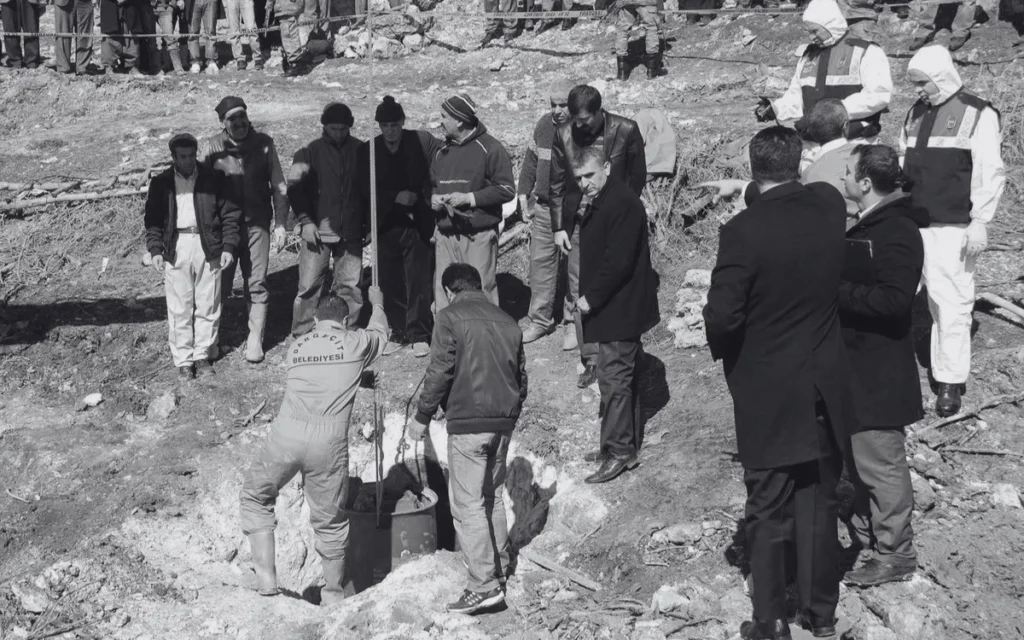
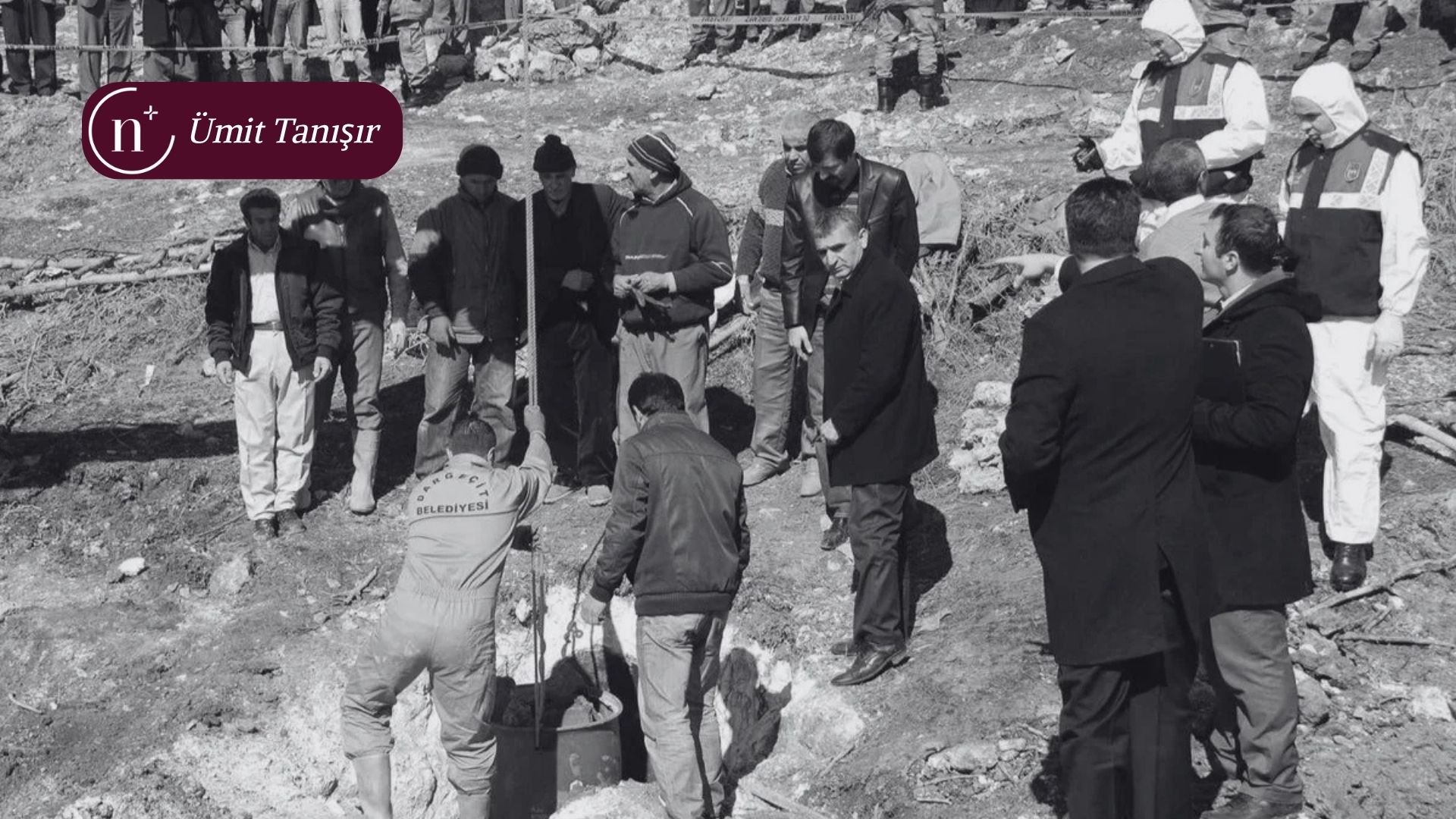
*The Dargeçit JİTEM Case
Following Akın Gürlek’s appointment as Minister of Justice by President Recep Tayyip Erdoğan, “unsolved murders” have returned to the public agenda. According to Gürlek’s statement, investigations will be conducted into 638 cases and 693 murders across 75 provinces. The Ministry, which until now has primarily focused on criminal cases, recently met first with the family of journalist Uğur Mumcu and then with the family of journalist Musa Anter. This has led to public speculation that the next phase in the “unsolved murders” case will involve political cases.
Cases were filed in 2008
In 2008, during the Ergenekon Trials, the matter was brought before the courts based on the testimony of a confidential witness codenamed “Aydos,” and lawsuits were filed against the relevant government officials and individuals. Some of the cases known to the public as the JİTEM trials were consolidated in 2010 into the JİTEM Main Trial. The Kızıltepe JİTEM Trial, however, continued to be heard separately. However, following the termination of the previous “Peace Process” in 2015 and amid the shifting political climate, the policy of impunity continued to prevail in cases involving these murders committed against Kurds. The Kızıltepe JİTEM Case was dismissed in 2019 on the grounds of the statute of limitations, and all defendants were acquitted. The main JİTEM case was also dismissed in 2025 on the grounds of the statute of limitations. Many other cases related to JİTEM that were tried separately met the same fate.
The final hearing in the Kızıltepe JİTEM case took place in 2019 at the Ankara 5th High Criminal Court. At that hearing, the court announced that the case had been dismissed due to the statute of limitations and that all defendants had been acquitted. Thus, the case—which was initiated in 2014 while negotiations were still ongoing and was characterized as a “confrontation trial”—had turned into an example of impunity and exoneration with the acquittal ruling.
At the time, Erdal Kuzu, one of the case’s attorneys, stated in a statement regarding the case that 12 people had been found in the wells, adding, “This decision is related to shifts in the balance of power. A retrial depends on the political climate. Due to the new alliance the AKP has formed since 2015, cases of this nature are being closed.”
However, in 2024, when Devlet Bahçeli went to the benches occupied by DEM Party members of Parliament to shake hands with them, and subsequently, during his party’s caucus meeting, called for Abdullah Öcalan to lay down arms and expressed expectations that new legal regulations regarding the peace process would be implemented, this brought the unsolved murders and related cases back into the spotlight. The families of the missing continue to seek justice in this matter. This situation raises the question of whether the political climate in Turkey has shifted in favor of peace once again with this new process.
The 11-defendant indictment prepared in 1999 and the 5-defendant indictment prepared in 2005 were merged in 2010 and came to be known as the “Main JİTEM Trial.” This case was later joined with the trial initiated in 2013 regarding the murder of writer-journalist Musa Anter, as well as the trial launched in 2019 concerning the tortured murder of Ayten Öztürk. There were 18 defendants in total in the main trial.
During the hearing held in Ankara on January 27, 2025, the court ruled to dismiss the JİTEM, Musa Anter, and Ayten Öztürk trial due to the statute of limitations, citing that 30 years had passed since the dates of the disappearances.
In 2014, a lawsuit was filed regarding the unlawful arbitrary execution or forced disappearance of 22 people in the Kızıltepe district of Mardin between 1992 and 1996. The charges of “establishing or managing an armed organization, membership in an armed organization, and premeditated murder” were brought against retired Colonel Hasan Atilla Uğur, then-Diyarbakır Provincial Gendarmerie Commander Colonel Eşref Hatipoğlu, Gendarmerie Commando Company Commander Ahmet Boncuk, Sergeant Major Ünal Alkan, and village guards Abdurrahman Kurğa, Mehmet Emin Kurğa, Ramazan Çetin, Mehmet Salih Kılınçaslan, and İsmet Kandemir.
The final hearing of the case involving nine defendants—four military personnel and five village guards—was held on Monday, September 9, at the Ankara 5th Heavy Penal Court. The court panel announced that the case was dismissed due to the statute of limitations and acquitted all defendants.
In May 2026, the 1st Criminal Chamber of the Court of Cassation dismissed the “Dargeçit JİTEM Trial”—which was filed regarding 8 people and Sergeant Major Bilal Batırır who were forcibly disappeared in custody and killed in the Dargeçit district of Mardin between 1995 and 1996—on the grounds of the statute of limitations.
Other trials filed concerning JİTEM and unsolved murders that concluded with acquittals: the Derik Trial, the Nezir Tekçi Trial, the Görümlü Trial, the Vartinis Trial, the Cizre Trial, the Kızılağaç Trial, the Kulp Trial, the Lice Trial, and the Ankara Trial.
Has the political climate changed?
Speaking to Niha+ on the subject, attorney Erdal Kuzu highlighted the shift in the political climate between 2019 and 2024:
“It is impossible to say that the political climate at the time of the Kızıltepe JITEM trial is the same as that of 2019 and 2024. While in 2019 the state’s policies were shaped with the aim of eliminating Kurdish political movements, by 2024 steps had been taken toward resolving the Kurdish issue through nonviolent means, and a basis for communication had been established between the government and Kurdish political movements. Therefore, it is not possible to say that these two periods are the same. This situation is confirmed by information reflected in the public sphere.
It is possible to say that the state’s approach to the Kurdish issue changed in 2024. We can speak—at least at the level of rhetoric—of a process in which the elimination of armed struggle has expanded the political arena and paved the way for democratization. Whether this will materialize in practice, however, remains to be seen in the coming days. Yet we will see what concrete steps will be taken, to what extent the political arena will expand, and how much leeway the state will allow in this area through the practical measures to be implemented and the laws to be enacted in the coming period. In this sense, significant public expectations have been raised.”
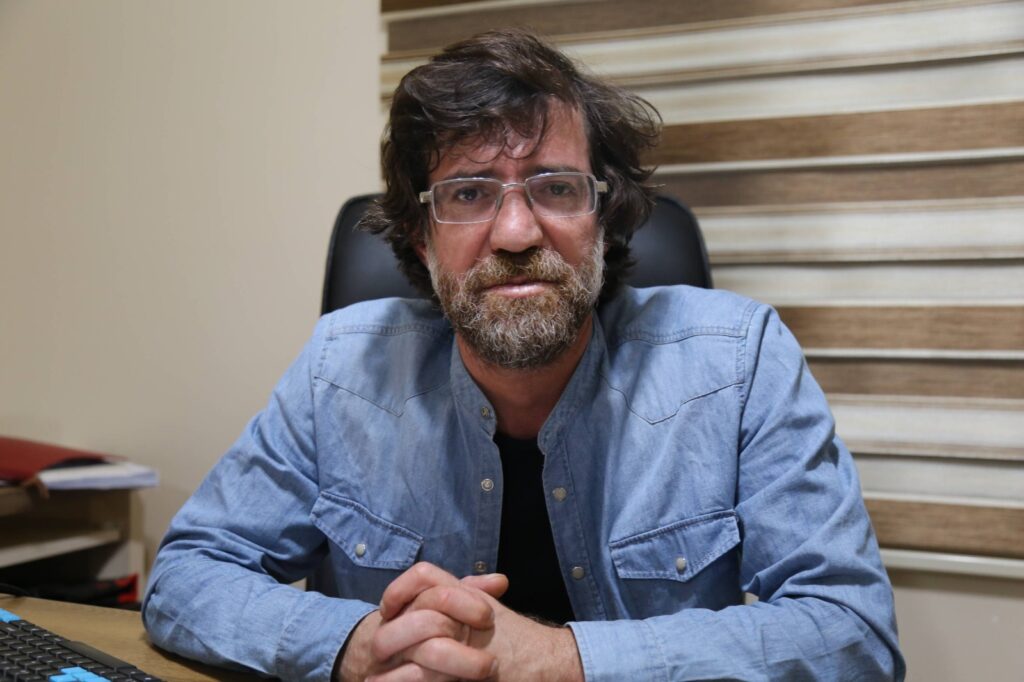
*Attorney Erdal Kuzu
Expectations of people
In 2025, the Directorate for the Investigation of Unsolved Crimes was established within the Ministry of Justice. However, there are no signs that this newly established institution will launch a new investigation into the dismissed JİTEM cases. Attorney Kuzu made the following remarks on this matter:
“There is as yet no outward indication that the state will establish a new judicial mechanism regarding unsolved crime case files and matters related to JİTEM. Although the Ministry of Justice’s statements include phrases such as ‘there will be no remaining unsolved cases,’ it is understood that these statements apply only to cases that have not yet been barred by the statute of limitations. There is no indication that JİTEM cases or unsolved murder cases will be reopened as a result of the ongoing negotiations between the current Kurdish political leadership and the state authorities. However, if the process normalizes, weapons are completely removed from circulation, and political negotiations continue, the issue of coming to terms with the past will come to the forefront.”
However, it is also a well-known fact that as the situation and life return to normal, families will voice their demands for justice on this issue more forcefully, and their struggle in this regard will escalate.
“The state cannot remain silent”
Stating that the state cannot remain indifferent to the expectations of justice held by the relatives of the missing, Kuzu added the following:
“The perpetrators have still not been found, and the bodies remain unaccounted for. Expecting families to forget this pain goes against the natural course of life. It is well known that in countries where conflict resolution has taken place on a global scale, mechanisms for coming to terms with the past have been established. It would be natural for a similar situation to unfold in Turkey. We do not expect the political establishment to remain indifferent to demands that develop in this direction. However, we will all see in the coming days what method will be used and how this will unfold.
In 2019, we stated that the state had closed the files on unsolved murders and JİTEM cases within the framework of a political compromise, and that this was a political decision. In the process that has unfolded since 2024, it has become evident that this alliance within the state, while not yet beginning to dissolve, has undergone significant changes in certain respects. It can be said that bringing perpetrators—who hold no value for the state but are believed to have committed crimes against humanity—back before the courts would not come as a surprise in terms of the state’s efforts to restore public trust.”