
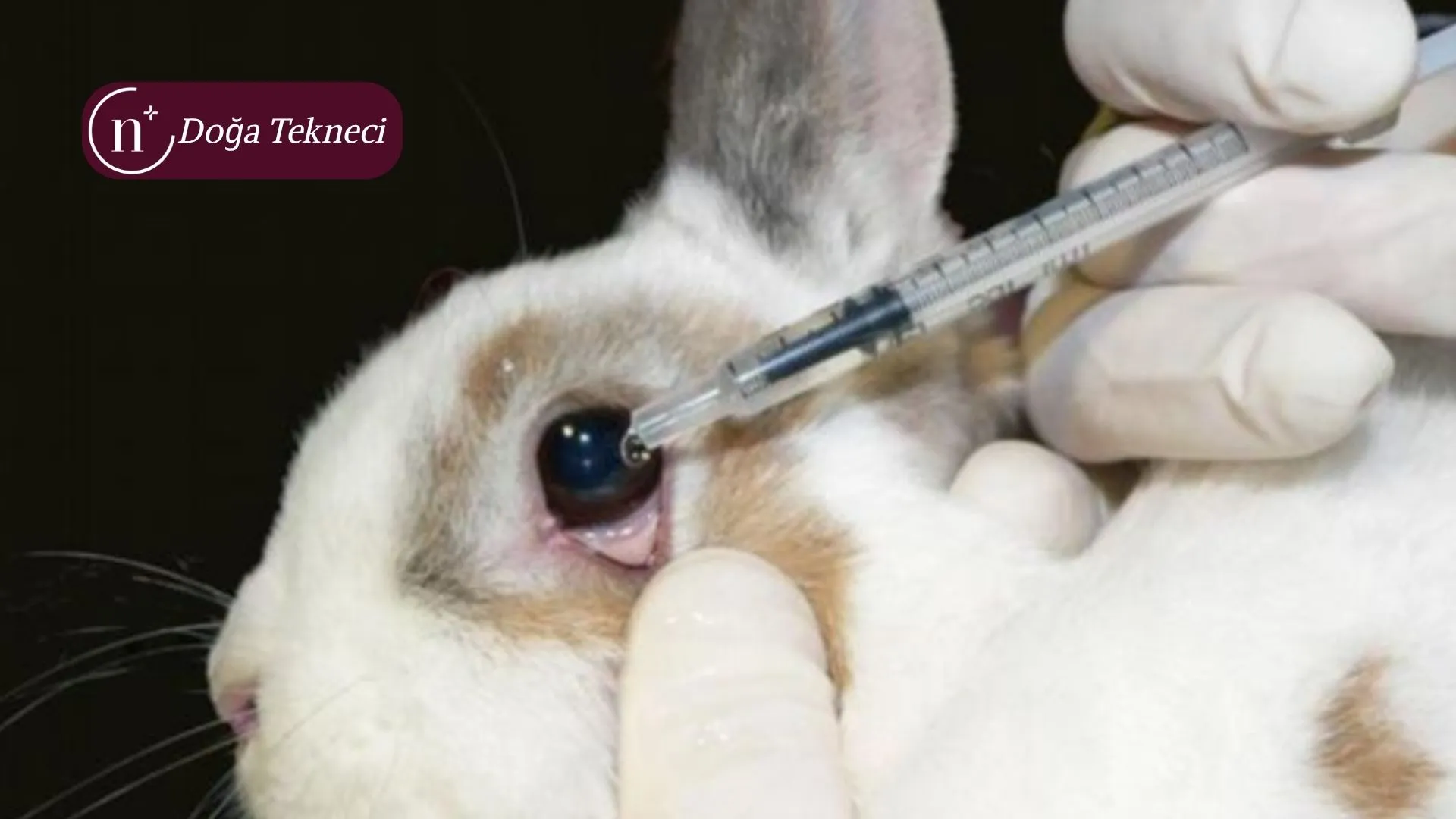
We spoke with academics and activists about whether animal testing is truly necessary or a systematic exploitation. The key question is whether animals should be considered “disposable.”
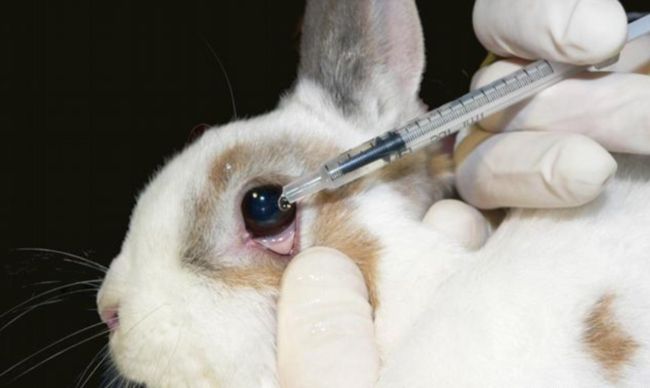
Animal testing is one of the most controversial topics in animal rights and ethics. On one side, animals are used in experiments as part of scientific progress. On the other, alternative methods that prioritize animal rights are still being debated. At the heart of this debate, this is the question: what ethical principles guide science, and how do scientific processes actually work?
We spoke with Prof. Dr. Uygar Halis Tazebay, a faculty member in the Department of Molecular Biology and Genetics at Gebze Technical University. He shared his views on how ethics committees handle animal testing and what alternative methods exist.
How does the ethics committee process work?
Tazebay notes that animal testing has been a controversial issue since the 13th century. He sees it as a “compromise” between scientific necessity and ethical concern, and says scientists themselves struggle with this dilemma.
“Ethics committees don’t simply approve animal use. First, they ask whether it’s truly necessary” he said. He added that applications are reviewed carefully, not just for the research goal, but also for whether alternatives exist and how many animals would be used. “How many animals? Why that number? Can this be done without animals? These are all questioned” he said.
In Turkey, the formal process for establishing ethics committees for animal experiments began with the Animal Protection Law No. 5199, enacted in 2004, and the regulations published in 2006. With the regulations of 2014, the Central Animal Experimentation Ethics Committees (HADMEK) and the Local Animal Experimentation Ethics Committees (HADYEK) were established.
Companies are mainly focused on cost
Tazebay said that while companies are trying to move away from animal testing toward alternatives, the main reason is often profit, because animal testing is expensive. “Drug companies want to get their product to market as fast as possible. The sooner you launch a discovery, the sooner you start making money” he said.
Why are alternatives still limited?
Tazebay also explained the technical side of alternatives:
“One approach is using artificial intelligence and computational biology to eliminate animals entirely. For example, toxicology studies are already fully AI-based. Another approach is switching to in vitro (lab-based) systems that mimic animals.”
However, he pointed out the limitations: “AI and computational biology give us results based only on what we already know, and we don’t yet know everything about cells. So when we build a model assuming we know everything, it doesn’t give us complete answers.”
For this reason, Tazebay believes it is currently not possible to eliminate animal testing entirely, given the limits of today’s scientific knowledge.
The current ethical approach, therefore, is not about completely eliminating animal use, but about how to limit it.
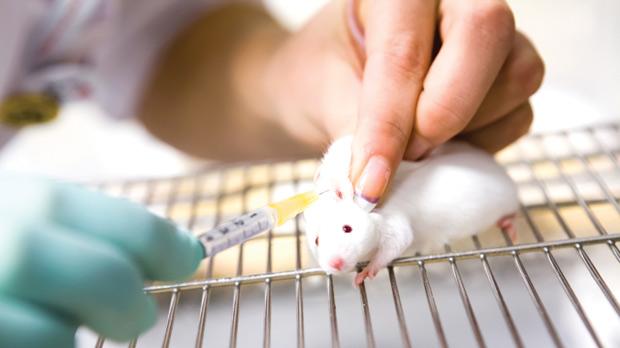
The main issue is that animals are considered disposable
However, animal rights advocates say this isn’t just a technical or scientific issue. Vegan and ecofeminist activist Özge Özgüner offered a perspective that puts animal lives at the center of the discussion.
Özgüner began by stating that animal testing is one of the most visible and systematic forms of exploitation. “From an animal rights perspective, the core problem with animal testing goes beyond recognizing rights or the issue of ‘suffering.’ It’s that animals’ lives are considered legitimately sacrificeable for human interests. In other words, animal exploitation is justified by constantly pitting the value of animal life against human life,” she said.
“For companies, it’s not about ethics, it’s about power”
Özgüner said companies are not interested in the ethical side of animal testing at all. “Companies treat animal testing as a technical matter, about regulatory compliance and risk management, so they can sell their products. For many companies, the deciding question is simply: ‘Am I required to do this or not?'” She added that while companies are increasingly moving toward alternatives, the reason is that they must comply with OECD guidelines and meet international standards. “Behind this seemingly positive shift, there’s no scientific ethics, just calculations about scientific efficiency” she said.
Özgüner explained that framing animal testing as a “scientific necessity” is tied to power dynamics shaped by scientific and economic systems.
“If alternative methods (in vitro models, organoids, computer simulations) are properly supported and expanded, many experiments can be done without using animals.”
Ethics committees focus on regulating animal use, instead of eliminating it
Özgüner noted that animal models used in research have a very low rate of reliably predicting outcomes in humans. “No matter how much testing is done on animals, the first real application of these methods still happens on humans. This shows that animal testing is not unavoidable,” she said. She believes animal rights are not recognized at the level of scientific ethics, and that committees like HADMEK focus on regulating animal use rather than ending it.
Özgüner said that in Turkey, animal testing is largely regulated in line with European Union (EU) legislation. “Ethics committees regulate how experiments are conducted within the legal framework. While animal testing in cosmetics has been banned under EU compliance laws, animal exploitation continues in drug development and academic research,” she said.
She noted that Turkey has no announced timeline or long-term national strategy to end animal testing. “Current restrictions are driven by international trade standards. Yet it is very clear that no real scientific progress can be made while animals’ right to life is disregarded and they are treated as mere tools in scientific production,” she said.
“We must transform institutional policies and support alternatives”
Özgüner said a world where animal testing is completely banned is possible. While the global push to end these experiments is not yet framed around animal rights, she pointed out that the alternatives being developed – methods that don’t exploit animals – are proving effective. If properly supported, she said, animal use could be greatly reduced.
She continued: “To achieve this, students, researchers, and ethics committees must be educated from a perspective that recognizes animal rights. The path forward is a rights-based strategy, one that refuses animal use in research, supports alternatives, and focuses on transforming institutional policies.”