Deniz Xelat Büyükkaya discusses how Rojhelat has once again become the frontline of Iran’s war against its Kurdish population, amid nationwide protests and economic collapse.
by Deniz Xelat Büyükkaya
Rojhelat (Eastern Kurdistan) or the Kurdish regions of western Iran, have once again become a key site of political tension, state repression and regional security concern. Over the past few years, Rojhelat has faced intensified government repression, increased protest activity, and rising geopolitical pressure related to regional conflicts. Latest developments show that Rojhelat remains one of the most politically sensitive regions inside Iran.
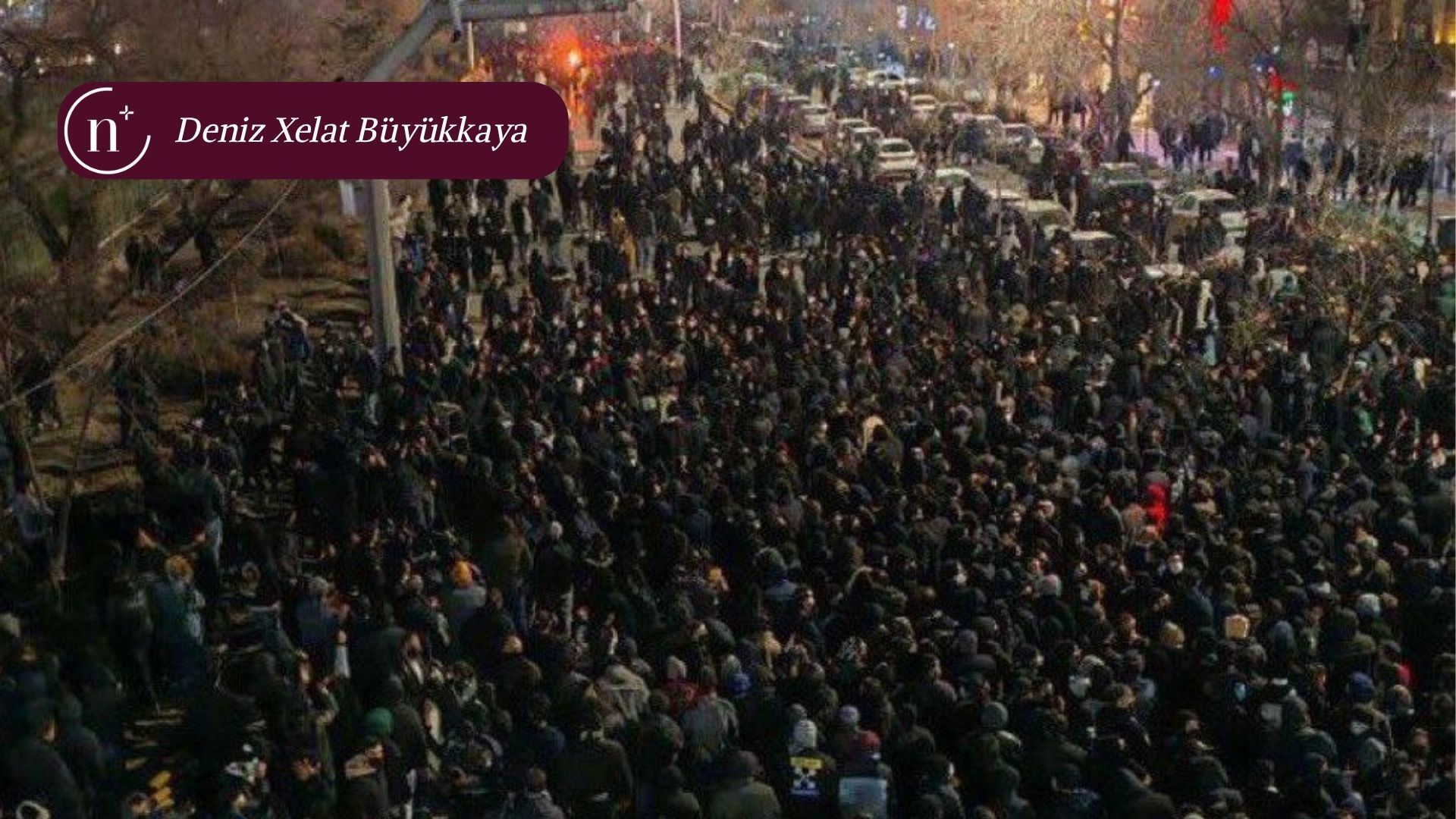
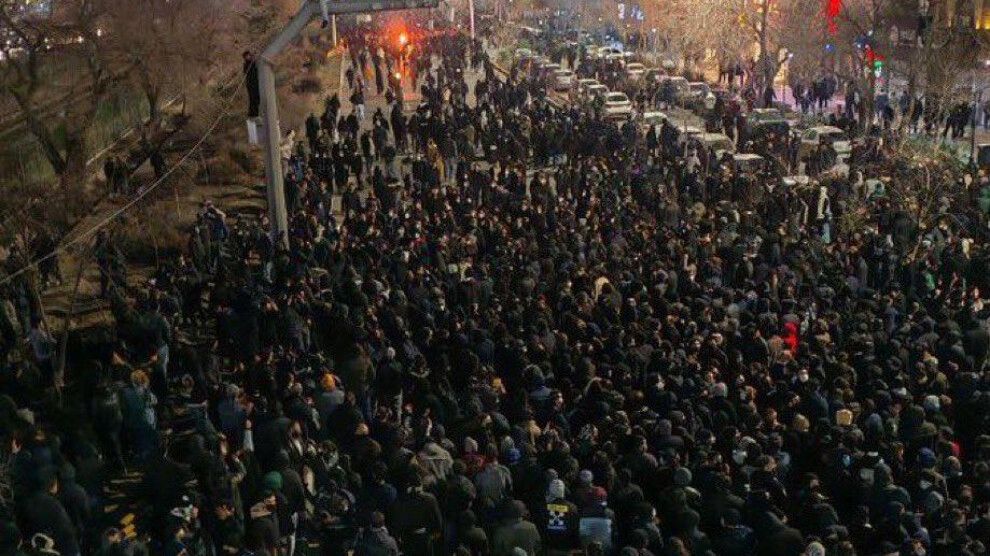
Iran has been facing nationwide protests since late 2025 because of economic collapse, rising inflation, and shortages of basic goods, fueling growing anger toward the government. The government has responded to protests with extreme repression: mass arrests, shootings of protesters, internet shutdowns, executions and death sentences.
Rojhelat: A Centre of Protest Movements
Rojhelat—especially the provinces of Kurdistan, Kermansah, West Azerbaijan, and Ilam—has long been considered by Tehran a politically sensitive border region. As a result, the Iranian state has often approached Kurdish activism through a security-focused framework shaped by fears of separatism and cross-border insurgency. Also, the region was already the centre of the nationwide “Jin, Jiyan Azadi (Woman, Life, Freedom)” movement that erupted in late 2022 after the death of Kurdish woman Jina (Mahsa) Amini in police custody.
By late 2025, Kurdish monitoring organisations reported that Iranian security forces had intensified surveillance and arrest campaigns across Rojhelat, targeting activists, journalists, and ordinary citizens. The Washington Kurdish Institute’s 2025 Annual Report notes that in November 2025 alone, 51 Kurds were detained in Iran, representing 45 percent of all recorded arrests nationwide that month.
According to Kurdistan Tribune, Kurdish regions have long been centres of anti-government protest, and state responses have often been violent. During the recent demonstrations, Rojhelat was among the most heavily affected, with security forces responding aggressively.
Many people were arrested without clear charges or proper legal procedures. This has drawn concern from international human rights organisations about fairness and legal rights in Iran’s response to political opposition. Kurdish cities often show strong political mobilisation. This is partly because of ethnic marginalisation, economic difficulties, and long-standing political grievances. In addition, Rojhelat is considered one of the less economically developed parts of Iran.
Cross-Border tension
The situation in Rojhelat cannot be completely understood without considering cross-border dynamics between Iran and Başur (Iraqi Kurdistan). While repression in Rojhelat increased, developments across the border in Başur also made the situation more tense. In March 2026, Iranian forces carried out drone strikes targeting Kurdish opposition positions in Iraqi Kurdistan, including an attack on an opposition headquarters in the town of Dekala that wounded members and damaged facilities.
These attacks were part of a broader campaign against Kurdish groups that Iran accuses of operating across the border. According to regional media reports, several Kurdish opposition sites in Erbil and Sulaymaniyah provinces, including the Koya district and nearby mountain areas, were targeted during the escalation.
Iranian officials justified these operations as necessary responses to “separatist groups” threatening national security.
Human rights concerns
Human rights organisations report that Iran has significantly increased its use of the death penalty in recent years. According to Iran Human Rights (IHR), in 2024, at least 975 executions were recorded. The number reportedly increased to around 1,500 executions in 2025, the highest level in decades.
Ethnic minorities seem to be affected more by these policies. According to a report by Hengaw around 150 Kurdish prisoners were executed in 2025. In early 2026, Hengaw also reported that at least 257 Kurdish civilians were killed during a crackdown linked to protests, including 20 children and 19 women. Many of them were accused of security-related crimes, but human rights groups often criticise the lack of fair trials and transparency in Iran’s judicial system.
Because of these numbers, many Kurds believe that the Iranian government treats Kurdish regions mainly as a security issue instead of solving political and social problems.
Economic marginalisation and the Kolbar
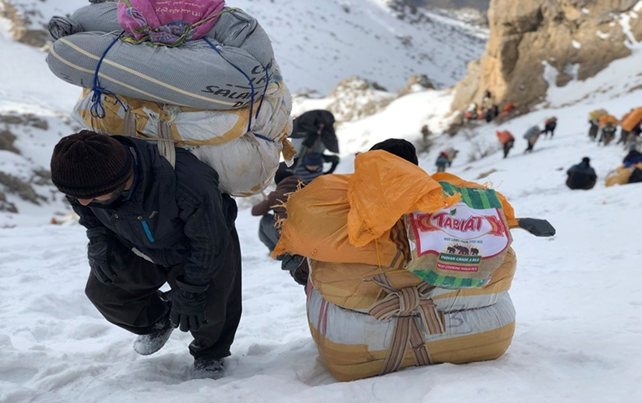
In addition to political repression, economic conditions in Kurdish border areas are also very difficult. Rojhelat has some of the highest unemployment rates in Iran, especially among young people. Because of this, many residents work as kolbars. Kolbars are Kurdish porters who carry goods across mountain borders between Iran and neighbouring countries. The work is very dangerous and often illegal, but many people rely on it to earn living.
According to the Kurdistan Human Rights Network (KHRN) dozens of kolbars are killed each year by Iranian border forces, while many others are injured or arrested. Kurdish activists say that kolbar work continues because there are not enough stable job opportunities in the region. For many Kurdish families in border cities, kolbar work has become a symbol of the broader economic marginalisation faced by Rojhelat.
An unresolved political question
Despite decades of political tension, the Kurdish question in Iran remains unresolved. Kurdish activists continue to demand cultural rights, Kurdish language education, economic development, and greater political representation. However, Iranian authorities have continued to restrict Kurdish cultural and linguistic rights. In 2025, expressions of Kurdish identity were often treated as security offences. The Kurdish language is still largely excluded from formal education, and cultural activists promoting Kurdish language or traditions have faced arrests and intimidation.
At the same time, the Iranian government continues to view Rojhelat mainly through a security perspective because of concerns about territorial integrity and armed opposition. As Iran faces both internal dissent and regional pressure, Rojhelat is likely to remain an important indicator of the country’s political stability. For now, the Kurdish regions of Iran remain caught between protest movements, state repression, economic hardship, and regional geopolitical tensions.