Of the 209 people detained ahead of the NATO Summit in Ankara, 103 have been arrested. Journalist Yıldız Tar is among those arrested.
The 209 people detained during home raids conducted on the morning of June 23 ahead of the NATO Summit in Ankara have completed their police interrogations and been referred to the prosecutor’s office. Of those detained on charges of “being a member of an organization” and “spreading organizational propaganda,” 135 have completed their police procedures.
Of the 129 people referred to the magistrate’s court with a request for detention, 103 were detained, while 26 were placed under judicial supervision.
Among those detained are Nevzat Özer, Ankara Representative of the TEMA Foundation, Hediye Yıldırım, member of the Halkevleri Executive Board, Burcu Arıkan, spokesperson for Umut-SEN, Yıldız Tar, Editor-in-Chief of Kaos GL, lawyers Semra Demir and Kürşat Bafra from the Contemporary Journalists’ Association (ÇHD), and Associate Professor Dr. Emel Memiş.
Journalist Yıldız Tar was asked about the “Year of the Family”
According to information shared by Kaos GL, while journalist Yıldız Tar was not asked any questions regarding NATO during her interrogation, she was asked for her views on the government’s “Year of the Family” policies.
The Dicle Fırat Journalists’ Association posted the following on its social media accounts regarding Yıldız Tar’s arrest:
“Journalist Yıldız Tar, who was detained during operations carried out in Ankara ahead of the NATO Summit, was remanded in custody by the magistrate’s court. Tar had been detained during operations conducted on June 23. A detention order was issued for Tar, who was among those brought to court today.
The detention of journalist Yıldız Tar, who was taken into custody as part of the operations carried out ahead of the NATO Summit, constitutes an interference with press and freedom of expression.
We demand the immediate release of journalist Yıldız Tar and call for an end to all forms of pressure and interference targeting press freedom.”
In a statement, the Ankara Chief Public Prosecutor’s Office claimed that the investigation was aimed at “uncovering the actions and activities of terrorist organizations across the country.”
Procedures for the other detainees are still ongoing at the police station.
Çiçek: What is the connection between these detentions and public safety?
Cengiz Çiçek, an Istanbul MP from the Peoples’ Equality and Democracy Party (DEM Party), brought the detention of politicians, trade unionists, journalists, academics, lawyers, and LGBTI+ activists—carried out as part of an operation by the Ankara Police Department—to the agenda of the Grand National Assembly of Turkey. Çiçek’s written question reads as follows:
What is the basis for the dawn raids that led to the detention of hundreds of citizens—including politicians, union leaders, journalists, academics, lawyers, and LGBTI+ activists—ahead of the NATO Summit? Have these individuals’ democratic and peaceful activities been deemed a threat to public safety?
Were the mass detentions and bans on gatherings and demonstrations carried out under Operation Turkuaz intended to suppress democratic opposition and social dissent ahead of the NATO Summit? What is the connection between these measures and public safety?
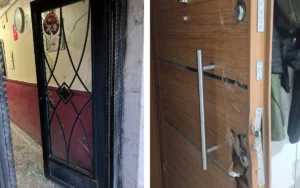
What is the purpose of detaining journalists, lawyers, academics, union leaders, and politicians—who are prominent in social and political spheres—through dawn raids, door-breaking, and the use of handcuffs behind the back? What message are these measures intended to send to the public and the democratic opposition?
What is the justification for the 13-day ban on all meetings and demonstrations in Ankara? Has this ban effectively nullified the right to assembly and demonstration, which is guaranteed by Article 34 of the Constitution?
Have any administrative or criminal investigations been launched against the law enforcement personnel responsible for the police violence that occurred at the Ankara TEM Branch? If not, what is the reason?
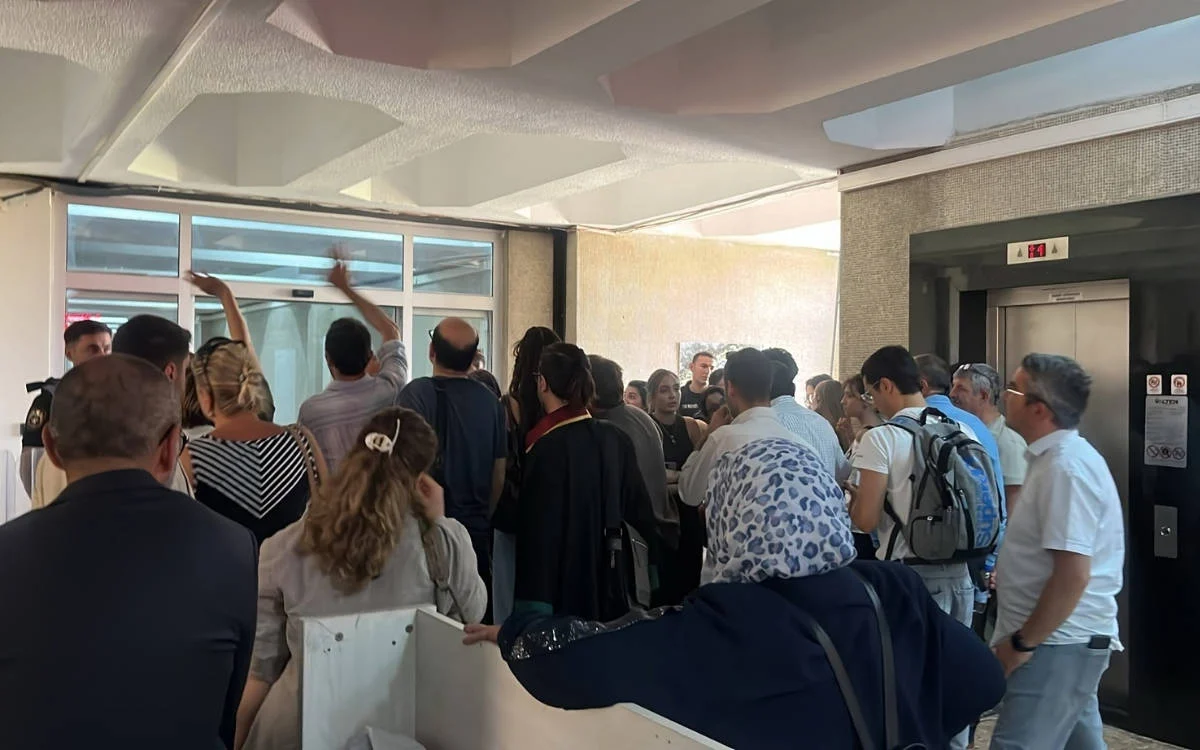
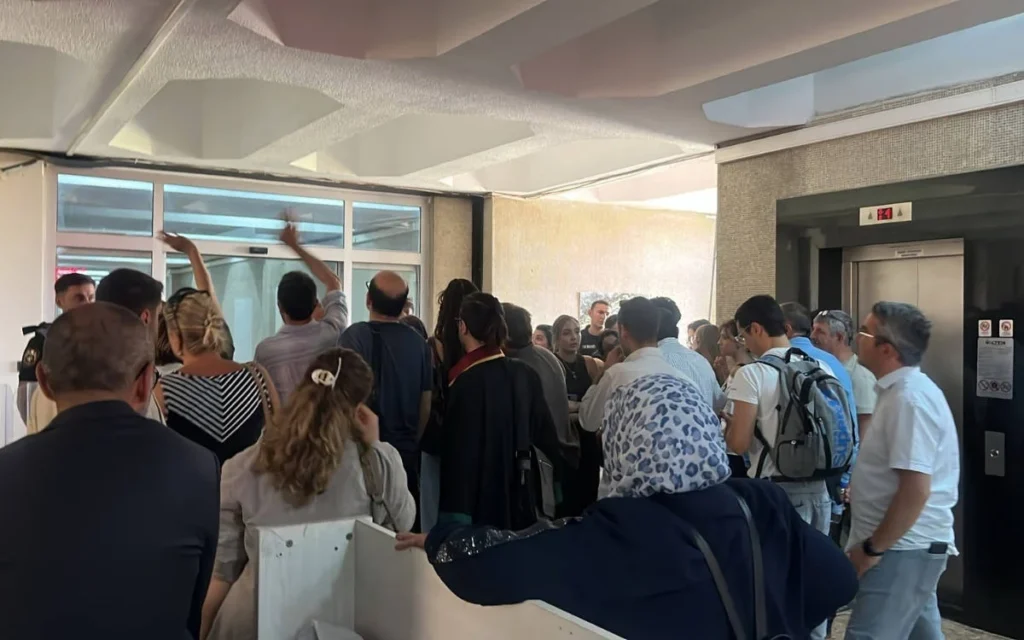
What is the legal justification for refusing to allow a representative from the Ankara Bar Association, who had come to take minutes, into the building? Does this practice not reinforce a culture of impunity by preventing oversight of law enforcement officers’ actions?