
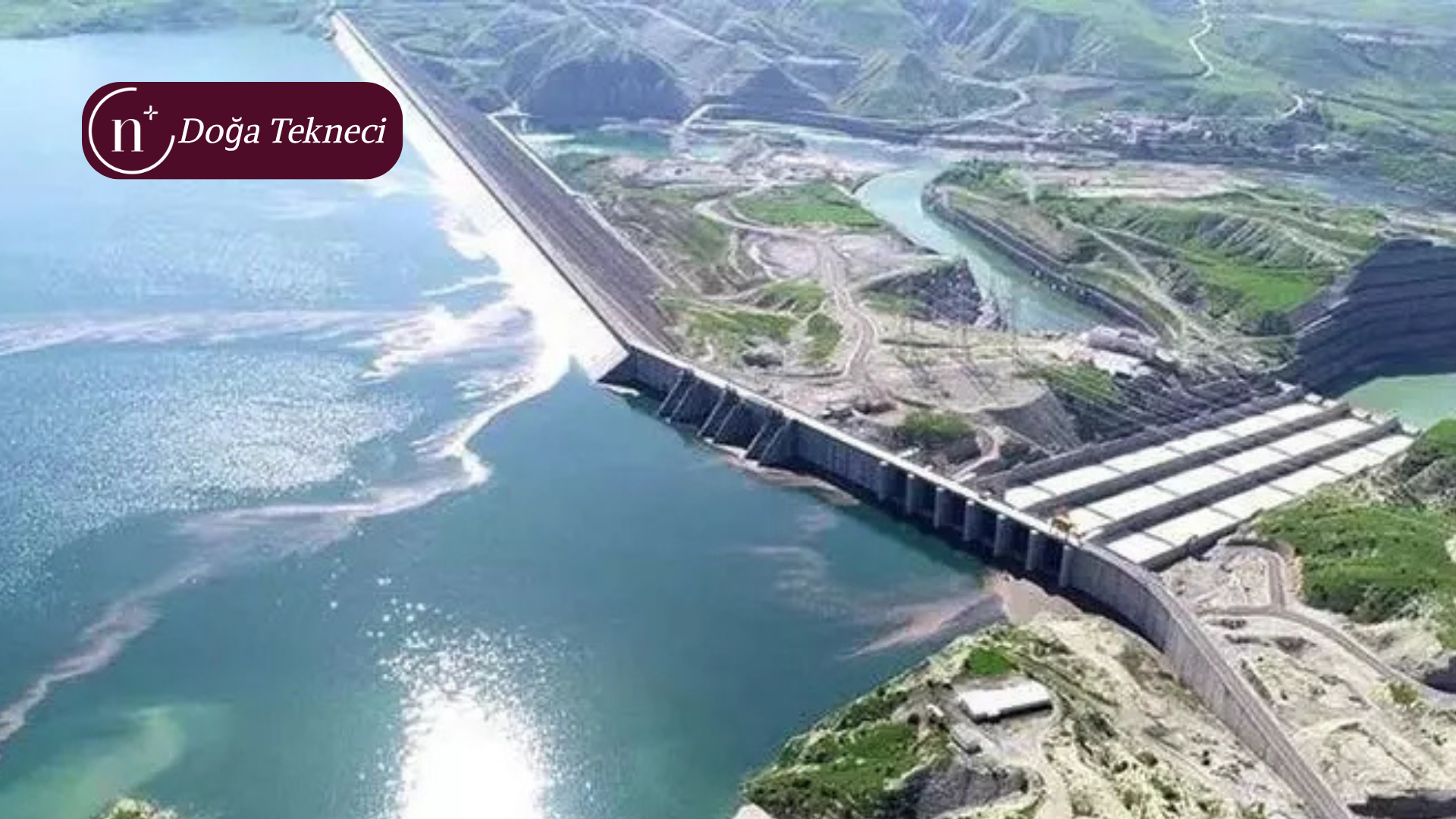
How do dams and HPPs destroy collective memory?

Dams and hydroelectric power plant (HPP) projects that have destroyed the collective memory and livelihoods of Kurdish provinces continue to be a significant threat to the people and wildlife in the region.
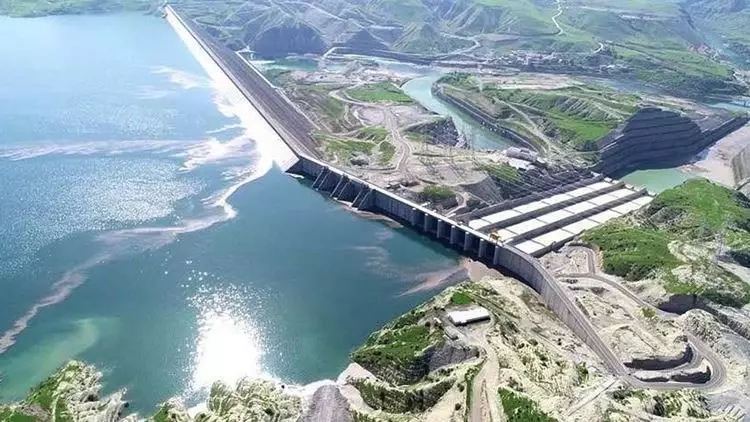
The Siege of Dams and HPPs in Kurdish Provinces

What are dams and HPPs?

Dams are structures that block the flow of water to create large artificial lakes. Hydroelectric power plants (HPPs), on the other hand, generate electricity by harnessing the kinetic energy of this water. However, this process disrupts the natural flow of rivers, fundamentally altering the ecosystem.

The dam and HPP projects being constructed in Kurdish provinces are being implemented not only for energy production but also as tools for ecological, cultural, and social transformation.

Political Background

Dams have been turned into a tool to reshape the region as part of long-standing security policies. Through the construction of what the State Hydraulic Works defines as “security” dams on the Tigris (Dicle) and Euphrates (Fırat) rivers as part of the government’s Southeastern Anatolia Project (GAP), the living spaces of many people and animals have been destroyed.

Economic Reality

The electricity generated by these projects is not being supplied to Kurdish provinces, but rather transferred to western provinces and foreign markets. The local population is not benefiting economically. Dam and HPP projects have caused the local population to become even poorer by changing natural factors such as temperature, water, and rainfall, and by destroying agricultural lands.

Migration and Destruction

Villages were emptied or flooded, people were forced to migrate, and social and cultural heritage was destroyed.

Siege of Dams in the Tigris–Euphrates Basin

Euphrates River, a total of 50 dams
Main dams:
KebanKarakayaAtatürkBirecikKarkamış
Tigris River, a total of 41 dams
Ana barajlar:
IlısuKralkızıDicleCizre
Result:
• Artificial lakes are created
• The natural flow of rivers is cut off
• Water cannot reach downstream basins
• Rainfall patterns and humidity levels change
• Temperature and wind patterns are disrupted
• Drought increases rapidly
• Agricultural land becomes less productive
• The ecological balance collapses
• Local people are forced to migrate
• Collective memory is destroyed

New Projects

  • Number of submitted projects after 2015: 89 HPP + 28 dams
  • Environmental Impact Assessment Approval Rate: %99
  • 4 newly approved projects in the beginning of 2026, in provinces of Bingöl and Erzurum
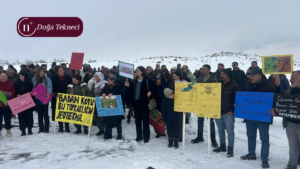
Striking Examples

Adıyaman and Urfa – Atatürk Dam: Because of the Atatürk Dam, planned since the era of Kenan Evren, 34 villages were submerged. Structures such as the Neolithic Samsat Ancient City and rock tombs were left underwater.
Batman, Hasankeyf – Ilısu Dam: 199 villages were flooded, 15,000 people were displaced, and 12,000 years of history were destroyed.
Van, Erciş – Zilan Valley: Hydroelectric projects disrupted the river system, damaged water sources feeding Lake Van, and pushed endemic species to the brink of extinction.
Bingöl, Genç / Amed, Licê (Sarım Basin):A hydroelectric project threatened the region’s well-known honey production and disrupted the ecological balance.
Amed – Silvan Basin: The explotions during dam construction damaged historical constructions such as Taş Köprü, thousands of trees were cut down, 50 villages are under risk.
Muş, Varto – Alparslan Dams: n 2019, the Alparslan 1 and 2 dams completely submerged Tepe village, home to 60 households and around 500 people.
Urfa – Birecik Dam: After the dam, 85% of the settlement was submerged, destroying many historical mounds and living areas.
Elazığ – Keban Dam: With the construction of the Keban Dam, at least 59 villages, 26 hamlets, and 6 settlements within an area of 39,300 hectares were completely flooded.
Amed, Eğil – Dicle Dam: In Diyarbakır’s Eğil district, a gate failure in the Dicle Dam—whose construction began in 1986 and started holding water in 1997—led to the submergence of 2,400-year-old historical structures.
Şırnak – Nerdüş Dam and Cizre Dam: Çağlayan (Şax) village, with 150 households and previously burned and evacuated in the early 1990s, will be submerged by the Nerdüş hydroelectric and irrigation project. Natural formations such as the Kasrik Gorge, which separates the Gabar and Cûdî mountains, will also be flooded due to the Cizre Dam.
Dam and hydroelectric projects are used not only for energy production but also as tools of geographic and social transformation. The destruction of ecosystems, the erasure of historical heritage, and the displacement of local populations are among their most severe consequences.
Privacy overview

Niha+ respects your digital footprint within the framework of independent journalism principles and reader privacy. While browsing our site, cookies are used to provide you with an uninterrupted reading experience and to secure the technical infrastructure of our platform. You can manage your cookie preferences as you wish by using the menu on the left. For detailed information on how your personal data is processed, please review our Privacy Agreement and KVKK Clarification Text.